Plastic Hygienic Articles
CN → US| HS Code | Tariff Rate | Origin | Destination | Doc |
|---|---|---|---|---|
| 3924900500 | 20.6% | CN | US | Official Doc |
| 3926902500 | 24.0% | CN | US | Official Doc |
| 3926305000 | 22.8% | CN | US | Official Doc |
| 3922200000 | 23.8% | CN | US | Official Doc |
| 3924905650 | 20.9% | CN | US | Official Doc |
Product Images
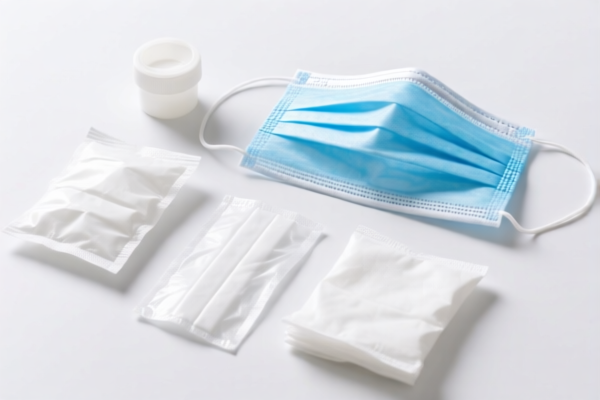
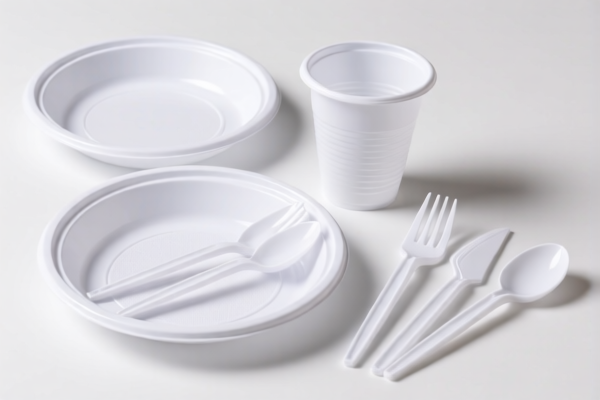
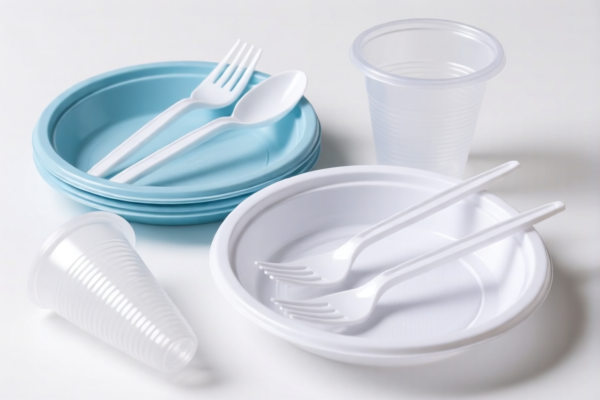

AI Analysis
🚽 Plastic Hygienic Articles (Plastic Sanitary & Bathing Products)
🌐 HS Code Reference & Customs Clearance Guide | 2024-2026 Latest Tariff Analysis | Professional通关 Strategy
📌 I. Product Definition & Classification: Do You Know What "Plastic Hygienic Articles" Really Are?
"Plastic Hygienic Articles" is a broad category in international trade, primarily referring to plastic products used for personal hygiene, bathing, and toilet sanitation. In the context of US Customs and Border Protection (CBP) and current trade policies, these items are strictly scrutinized due to high附加 tariffs.
The category is subdivided into three key areas based on function and construction:
- General Sanitary/Bathing Accessories: Items like toothbrush holders, soap dishes, shower caddies, bath mats, and plastic toilet brushes.
- Toilet Components (Non-China-Specific Subtypes): Including toilet seats, lids, and specific plastic toilet accessories.
- Other General Plastic Sanitary Items: Miscellaneous plastic goods for hygiene purposes that do not fit the above specific categories.
⚠️ Key Distinction Point:
- If it’s a toilet seat/lid → It has a specific HS Code with its own tax profile.
- If it’s a general bathroom accessory (e.g., soap dish) → It falls under "Other Plastic Articles" with varying rates.
- CRITICAL: All these items are subject to Section 301 (Trade War) Tariffs and Section 122 Tariffs, significantly increasing the landed cost.
📦 II. HS Code Classification Details (Latest Tariff Authority Comparison)
Based on the provided data, here are the precise HS Codes, descriptions, and tax breakdowns for Plastic Hygienic Articles imported from China to the US.
| HS Code | Product Description | Application Scenario | Key Components | Total Tax Rate |
|---|---|---|---|---|
3924.90.05.00 |
Plastic Sanitary or Bathing Articles | General hygiene items: Toothbrush holders, soap dishes, bath mats, plastic toilet brushes. | Plastic only | 20.6% |
3926.90.25.00 |
Other Plastic Articles, Including Plastic Toilet Supplies | General bathroom plastic goods, toilet brushes, plunger heads, non-seat plastic accessories. | Plastic only | 24.0% |
3926.30.50.00 |
Other Plastic Articles, For Bath or Household Use | General plastic household/bath items not specified elsewhere (e.g., plastic storage bins for bathroom, generic trays). | Plastic only | 22.8% |
3922.20.00.00 |
Plastic Toilet Seats and Lids | Specifically toilet seats and lids made of plastic. | Plastic Seat/Lid | 23.8% |
3924.90.56.50 |
Plastic Sanitary Articles or Cleaning Utensils | Cleaning tools: Plastic mops, squeegees, specialized cleaning brushes for bathrooms. | Plastic + Cleaning Function | 20.9% |
🔍 Important Reminder:
- Toilet Seats (3922.20.00.00) are categorized separately from general sanitary articles (3924or3926). Misclassification here can lead to penalties.
- General Bathroom Accessories (like soap dishes) usually fall under3924.90.05.00or3926.90.25.00depending on specific use.
- Cleaning Utensils (like plastic brooms/mops) are classified under3924.90.56.50.
💰 III. 2024-2026 Latest Tariff Rate Breakdown (Including Supplementary Taxes & Policy Add-ons)
✅ Applicable Country: United States (US)
✅ Origin: China (CN)
✅ Effective Time: Current Trade War Policy (Section 301 & Section 122)
🎯 1. 3924.90.05.00 —— Plastic Sanitary or Bathing Articles
| Item | Content |
|---|---|
| Basic Tariff | 3.1% (Ad Valorem) |
| Section 301 Additional Tariff | +7.5% |
| Section 122 Tariff | +10.0% |
| Total Effective Tax Rate | 20.6% |
| Tax Calculation | CIF Value × 20.6% |
| De Minimis Exemption | ❌ Not Applicable (Section 301 & 122 taxes apply even to low-value shipments if classified correctly, though enforcement varies, risk is high) |
| Legal Basis Path | HTSUS: 3924.90.05.00 → USITC Section 301 Footnote → Section 122 Authority |
📌 Explanation:
- The 7.5% Section 301 tariff is the standard "trade war" tax on most Chinese plastic goods.
- The 10% Section 122 tariff is a specific duty levied on certain products under Section 122 of the Trade Expansion Act, often applied to strategic or sensitive imports.
- Total: 20.6%. This is a significant cost increase over the pre-trade war baseline.
🎯 2. 3926.90.25.00 —— Other Plastic Articles, Including Plastic Toilet Supplies
| Item | Content |
|---|---|
| Basic Tariff | 6.5% (Ad Valorem) |
| Section 301 Additional Tariff | +7.5% |
| Section 122 Tariff | +10.0% |
| Total Effective Tax Rate | 24.0% |
| Tax Calculation | CIF Value × 24.0% |
| De Minimis Exemption | ❌ Not Applicable |
| Legal Basis Path | HTSUS: 3926.90.25.00 → USITC Section 301 Footnote → Section 122 Authority |
📌 Note:
- This category often captures general plastic bathroom accessories not covered by3924.
- The higher basic rate (6.5%) compared to3924.90.05.00 (3.1%)makes this category more expensive even before additional tariffs.
🎯 3. 3926.30.50.00 —— Other Plastic Articles, For Bath or Household Use
| Item | Content |
|---|---|
| Basic Tariff | 5.3% (Ad Valorem) |
| Section 301 Additional Tariff | +7.5% |
| Section 122 Tariff | +10.0% |
| Total Effective Tax Rate | 22.8% |
| Tax Calculation | CIF Value × 22.8% |
| De Minimis Exemption | ❌ Not Applicable |
| Legal Basis Path | HTSUS: 3926.30.50.00 → USITC Section 301 Footnote → Section 122 Authority |
🎯 4. 3922.20.00.00 —— Plastic Toilet Seats and Lids
| Item | Content |
|---|---|
| Basic Tariff | 6.3% (Ad Valorem) |
| Section 301 Additional Tariff | +7.5% |
| Section 122 Tariff | +10.0% |
| Total Effective Tax Rate | 23.8% |
| Tax Calculation | CIF Value × 23.8% |
| De Minimis Exemption | ❌ Not Applicable |
| Legal Basis Path | HTSUS: 3922.20.00.00 → USITC Section 301 Footnote → Section 122 Authority |
📌 Important:
- Toilet seats are a specific subheading. Do not classify them under3924or3926to save tax; customs will reclassify and impose penalties.
🎯 5. 3924.90.56.50 —— Plastic Sanitary Articles or Cleaning Utensils
| Item | Content |
|---|---|
| Basic Tariff | 3.4% (Ad Valorem) |
| Section 301 Additional Tariff | +7.5% |
| Section 122 Tariff | +10.0% |
| Total Effective Tax Rate | 20.9% |
| Tax Calculation | CIF Value × 20.9% |
| De Minimis Exemption | ❌ Not Applicable |
| Legal Basis Path | HTSUS: 3924.90.56.50 → USITC Section 301 Footnote → Section 122 Authority |
📌 Note:
- This applies to plastic cleaning tools (mops, squeegees, brushes).
- Slightly higher basic rate than general sanitary items (3924.90.05.00) due to the "cleaning utensil" classification.
🛠️ IV. Customs Clearance Practical Advice (Pitfall Avoidance Guide)
✅ 1. Required Documentation List (Mandatory)
| Document | Must Provide | Description |
|---|---|---|
| ✅ Product Specification Sheet | ✔️ | Detailed description: Material (100% Plastic?), Use Case (Bathroom? Toilet?), Dimensions. |
| ✅ Product Photos | ✔️ | Clear images showing the item, label, and any packaging. Crucial for proving it’s not a "sanitary ware" (ceramic). |
| ✅ Commercial Invoice | ✔️ | Must clearly state: "Plastic [Item Name]", e.g., "Plastic Toilet Brush". Do NOT just write "Bathroom Accessory". |
| ✅ Packing List | ✔️ | Include weight, dimensions, and quantity. |
| ✅ Origin Certificate | ✔️ | Proves Chinese origin, triggering Section 301 & 122 taxes. |
✅ 2. Declaration Tips (Critical Mnemonics)
🔥 "Be Specific, Be Accurate, Avoid 'General'!"
| Situation | Correct Declaration | Wrong Practice |
|---|---|---|
| Toilet Seat | 3922.20.00.00 - "Plastic Toilet Seat" |
Misclassify as 3924 → Penalty + Back Taxes |
| Soap Dish | 3924.90.05.00 - "Plastic Soap Dish" |
Misclassify as 3926 → Higher Tax (20.6% vs 24.0%) |
| Toilet Brush | 3924.90.05.00 or 3926.90.25.00 |
Vague term "Cleaning Tool" → Audit Risk |
| Plastic Mop | 3924.90.56.50 - "Plastic Cleaning Utensil" |
Misclassify as general plastic → Incorrect Tax |
✅ 3. Special Cases Handling
| Situation | Handling Advice |
|---|---|
| Mixed Shipments | If shipping toilet seats AND soap dishes, declare separately. Do not lump under one code. |
| Plastic + Other Materials | If the toilet seat has wood or metal hinges, the classification may change to Chapter 44 or 73. Check primary material. |
| OEM Custom Items | Provide customer design specs. If it’s a unique shape, ensure it still fits the "plastic article" definition. |
| De Minimis ($800) | Warning: While Section 301 taxes can sometimes be bypassed via de minimis for low-value shipments, Section 122 and CBP enforcement are strict. For B2B, always pay. For B2C, consult a broker, but expect risk. |
🌍 V. Global Market Comparison (2024-2026)
| Country/Region | Recommended HS Code | Tariff (China Origin) | Notes |
|---|---|---|---|
| 🇺🇸 USA | See Table Above | 20.6% - 24.0% | Includes Section 301 + Section 122. High Cost. |
| 🇨🇳 China | Same HS Codes | Low/Zero | If exported TO China, tariffs are lower. |
| 🇪🇺 EU | 3924/3926 | 0% - 4.5% | No Section 301/122 equivalent. Much Lower Cost. |
| 🇬🇧 UK | 3924/3926 | 0% - 4.5% | Post-Brexit, no US-style trade war tariffs. |
| 🇨🇦 Canada | 3924/3926 | 0% (if under CUSMA) | Free trade agreement benefits apply. |
📌 Conclusion:
- USA is the most expensive market for Chinese plastic hygienic articles due to dual-layer tariffs (301 + 122).
- EU/UK/Canada are more favorable. Consider supply chain diversification if targeting the US market with high-volume, low-margin plastic goods.
📌 VI. Common Mistakes & Pitfall Guide (Lessons Learned)
❌ Mistake 1: Classifying Toilet Seats under 3924.90.05.00
👉 Consequence: Customs audit, reclassification to 3922.20.00.00, back taxes + interest.
❌ Mistake 2: Using "Sanitary Ware" as the description
👉 Consequence: Ambiguity. CBP may classify as ceramic (Chapter 69) or plastic (Chapter 39). Be explicit: "PLASTIC".
❌ Mistake 3: Ignoring Section 122
👉 Consequence: Underpaying duty by 10%. CBP will assess penalties.
❌ Mistake 4: Lumping Different Products into One HS Code
👉 Consequence: If you ship seats and soap dishes, use multiple HS codes on the same bill. Mixing them can delay clearance.
✅ Correct Approach:
"Plastic Toilet Seat, Model XYZ, 100% Polypropylene, for Residential Use"
"Plastic Soap Dish, Model ABC, 100% ABS Plastic, for Bathroom Use"
🎯 VII. Conclusion: Precision Classification Saves Money!
🎯 Remember Mnemonic:
🔹 "Seats are 3922, Soap is 3924, Brushes are 3926. Don't Mix!"
🔹 "301 + 122 = 17.5% Extra. Know Your Code!"
🔹 "Be Specific: 'Plastic Toilet Seat' not just 'Toilet Part'."
📌 Pro Tip:
- For high-volume shipments, consider applying for an Advanced Ruling (CBP Ruling) to get a binding decision on your HS Code.
- If your products have significant non-Chinese components (e.g., molded in Vietnam), you may avoid Section 301 tariffs, but Section 122 may still apply. Consult a trade lawyer.
📣 Take Action Now:
📞 Contact a Licensed Customs Broker
📦 Provide Product Photos & Material Specs
🚀 Get Your HS Code Right. Avoid 24% Tax Shocks.
✨ Professional Customs Clearance Starts with Accurate Classification!
💼 Every Percent Counts in Your Landed Cost!
Customer Reviews
About HS Code Classification
The Harmonized System (HS) is an internationally standardized nomenclature developed by the World Customs Organization (WCO) to classify traded products. Over 200 countries use the HS system as the basis for customs tariffs, trade statistics, and import/export regulations.
Each HS code follows a hierarchical structure:
- Chapter (2 digits) — Broad category of goods (e.g., Chapter 84: Machinery and Mechanical Appliances)
- Heading (4 digits) — More specific grouping within the chapter
- Subheading (6 digits) — Internationally standardized breakdown, used by all WCO member countries
- National subdivisions (8-10 digits) — Country-specific extensions for further classification, such as US HTSUS 10-digit codes
Correct HS code classification is essential for smooth customs clearance, accurate duty payment, and compliance with trade regulations. Misclassification can lead to customs delays, overpayment of duties, or penalties.
When importing from CN to US, the applicable tariff rates may include:
- Most-Favored-Nation (MFN) rate — The standard duty rate applied to WTO members
- General rate — Applied to countries without trade agreements
- Trade remedy duties — Additional tariffs such as Section 301 (anti-dumping), Section 232 (national security), or countervailing duties
The information provided on this page is for reference purposes only. For official classification, please consult with your local customs authority or a licensed customs broker.