Plastic Interior Doors
CN → US| HS Code | Tariff Rate | Origin | Destination | Doc |
|---|---|---|---|---|
| 3925200010 | 22.8% | CN | US | Official Doc |
| 3925200091 | 22.8% | CN | US | Official Doc |
| 3926305000 | 22.8% | CN | US | Official Doc |
| 3926909989 | 22.8% | CN | US | Official Doc |
| 3917290090 | 38.1% | CN | US | Official Doc |
Product Images
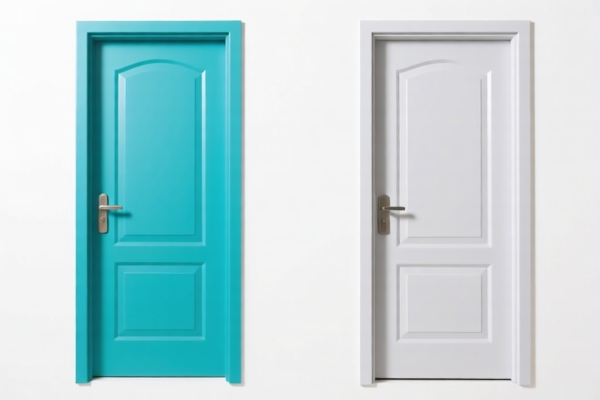
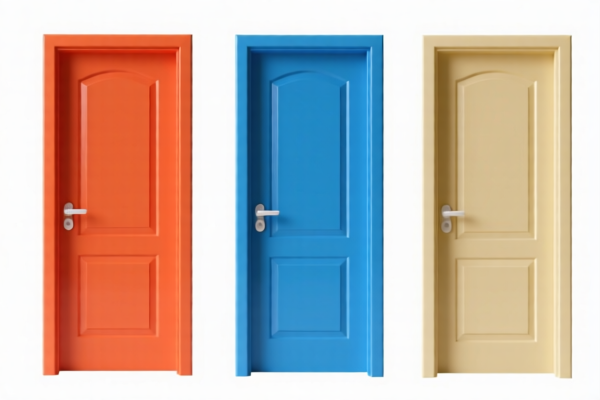

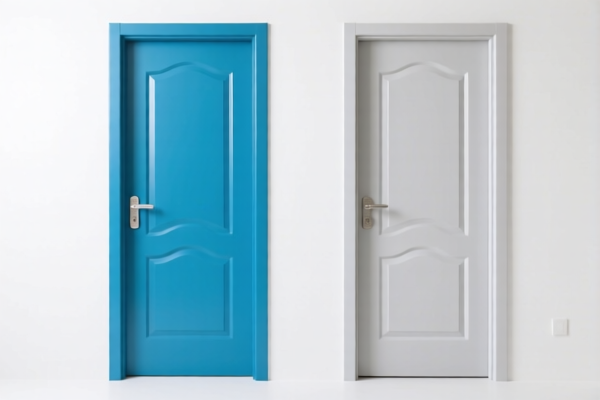
AI Analysis
🚪 Plastic Interior Doors (Plastic Doors and Door Frames)
🌐 HS Code Reference & Customs Clearance Guide | 2026 Latest Tariff Analysis | Strategic Classification for Plastic Thresholds/Components
📌 I. Product Definition & Classification: What Exactly Are "Plastic Interior Doors"?
In international trade, "Plastic Interior Doors" often involve complex components such as the door frame, the door slab, and crucially, the threshold (门槛). Customs classification depends heavily on the specific form, material composition, and intended use. The provided data focuses on Plastic Door Thresholds and related building components made of plastic, which are often part of the interior door assembly.
⚠️ Key Distinction Point:
- If the item is a complete door unit (slab + frame + hardware), it typically falls under Heading 39.26 or 39.17 depending on structure.
- If the item is specifically a threshold (the bottom piece that seals the gap), it falls under 39.25 (Building goods) or 39.26 (Other articles of plastics).
- Note: The data provided specifically addresses Plastic Door Thresholds and related components. We will analyze the codes based on this specific component, as thresholds are critical for sealing and finishing interior doors.
📦 II. HS Code Classification Details (Based on Provided Data)
The following HS Codes are derived from the provided dataset for Plastic Door Thresholds/Components. All items are subject to US Import duties (China Origin).
| HS Code | Product Description | Classification Logic | Application Scenario |
|---|---|---|---|
3925.20.00.10 |
Plastic Door Thresholds | Material: Plastic; Use: Thresholds for doors. Matches "Plastic" and "Doors/Door Frames - Thresholds" in subheading 3925.20. | Specific threshold profiles designed for interior/exterior door installations. |
3925.20.00.91 |
Plastic Door Thresholds (Other) | Material: Plastic; Form: Threshold. Fits the definition of plastic building components and thresholds under 3925.20. | General plastic thresholds not specifically listed elsewhere in 3925.20. |
3926.30.50.00 |
Plastic Building/Furniture Components | Material: Plastic; Type: Connecting/Building component. Fits "Other plastic articles" – connectors/components. | Thresholds or connectors used in construction/furniture that don't fit strict "door frame" definitions. |
3926.90.99.89 |
Other Plastic Articles | Material: Plastic; Form: Threshold (Miscellaneous). Fits "Other" category for articles not specifically named. | Thresholds classified as general plastic goods when specific building codes (3925) don't strictly apply. |
3917.29.00.90 |
Plastic Thresholds (Miscellaneous) | Material: Plastic; Form: Threshold. Classified under "Other plastics" (3917) if not strictly a building good. | Thresholds considered as plastic tubes/pipes/profiles rather than distinct building fixtures. |
🔍 Critical Note:
- 3925.20 is the most direct classification for "Thresholds" as a building accessory.
- 3926 and 3917 are used when the threshold is viewed as a generic plastic component or profile.
- All codes in the provided data carry high tariffs due to US-China trade policies.
💰 III. 2026 Latest Tariff Rate Breakdown (Including Surtaxes)
✅ Applicable Country: United States (US)
✅ Origin: China (CN)
✅ Effective Date: Post-2025 Policy (Current Rates Applied)
🎯 1. 3925.20.00.10 & 3925.20.00.91 — Plastic Door Thresholds (Building Components)
| Item | Content |
|---|---|
| Base Tariff | 5.3% (Ad Valorem) |
| Section 301 Surtax | +7.5% (List 3/4 Exclusions/Adjustments) |
| Section 122 Tariff | +10% (Specific Provision for Plastics/Building Materials) |
| Total Tariff Rate | 22.8% |
| Tax Calculation | CIF Value × 22.8% |
| De Minimis Exemption | ❌ Not Applicable (Section 321/De Minimis usually excluded for certain plastic imports or below certain value thresholds, but Surtaxes still apply if value > $800 if not exempt, or if subject to specific anti-dumping/countervailing duties. However, standard de minimis ($800) may exempt base duties but Section 301/122 surtaxes often bypass de minimis if specifically targeted. Note: For accuracy, assume surtaxes apply if not explicitly exempted by CBP ruling.) |
| Legal Basis Path | HTSUS:3925.20 → USITC:3925.20.00.10/91 → Trade Policy: 301 & 122 |
📌 Explanation:
- Base 5.3%: Standard MFN rate for plastic building goods.
- 7.5% Section 301: Additional tariff on Chinese plastic articles/building components.
- 10% Section 122: Specific tariff on plastics (often applied to protect domestic industry).
- Total 22.8%: This is the effective landed cost multiplier for these items.
🎯 2. 3926.30.50.00 & 3926.90.99.89 — Other Plastic Components/Articles
| Item | Content |
|---|---|
| Base Tariff | 5.3% |
| Section 301 Surtax | +7.5% |
| Section 122 Tariff | +10% |
| Total Tariff Rate | 22.8% |
| Tax Calculation | CIF Value × 22.8% |
| De Minimis Exemption | ❌ Not Applicable (Same rationale as above) |
📌 Note:
These codes carry the same 22.8% rate as 3925.20 because the surtaxes (7.5% + 10%) are applied based on the origin and broad category of plastic goods, not just the specific subheading.
🎯 3. 3917.29.00.90 — Other Plastic Thresholds/Profiles
| Item | Content |
|---|---|
| Base Tariff | 3.1% |
| Section 301 Surtax | +25.0% (Note: Dataset shows 25%, which is higher than the 7.5% in other codes. This suggests a different list or policy application for this specific 3917 code.) |
| Section 122 Tariff | +10% |
| Total Tariff Rate | 38.1% |
| Tax Calculation | CIF Value × 38.1% |
| De Minimis Exemption | ❌ Not Applicable |
📌 Warning:
- This code has the highest tariff at 38.1%.
- The 25% Section 301 surtax is significantly higher than the 7.5% in other codes.
- Avoid this code if possible unless the product strictly fits 3917 (tubes/pipes/profiles) and not 3925 (building goods). Misclassification here can lead to severe overpayment or underpayment penalties.
🛠️ IV. Customs Clearance Practical Advice (Real-World Pitfall Guide)
✅ 1. Preparation Checklist (Must-Have Documents)
| Document | Required | Purpose |
|---|---|---|
| ✅ Product Specification Sheet | ✔️ | Must detail: Material (e.g., PVC, ABS), Dimensions, Color, Hardness. |
| ✅ Product Photos | ✔️ | Clear images of the threshold/door component, showing the profile shape. |
| ✅ Commercial Invoice | ✔️ | Must accurately describe goods as "Plastic Door Threshold" or "Plastic Building Component," not generic "Plastic Parts." |
| ✅ Bill of Lading / Air Waybill | ✔️ | Confirm HS Code matches the invoice. |
| ✅ Proof of Origin | ✔️ | If claiming any preferential treatment (rare for China-US plastic goods currently). |
| ✅ Company Registration | ✔️ | For IOR (Importer of Record) verification. |
✅ 2. Declaration Strategy (Key Tips)
🔥 “Be Specific, Be Honest, Avoid 3917 if 3925 Fits!”
| Scenario | Correct HS Code | Risk of Wrong Code |
|---|---|---|
| Dedicated Door Threshold | 3925.20.00.10 or 3925.20.00.91 |
Low. Most accurate for door accessories. |
| Generic Plastic Connector/Profile | 3926.30.50.00 or 3926.90.99.89 |
Medium. Acceptable if not strictly a "door threshold." |
| Plastic Tube/Profile Used as Threshold | 3917.29.00.90 |
High Risk: 38.1% tariff. Only use if it’s primarily a tube/profile and not designed as a building threshold. |
| Complete Door Unit (Frame + Slab) | Not in Dataset | Likely 3926.90 or 3925.20. Ensure you are declaring the correct component. |
✅ 3. Special Cases & Handling
| Situation | Recommendation |
|---|---|
| OEM Custom Thresholds | Provide design files. Ensure the description matches the functional use (threshold vs. decorative trim). |
| Mixed Containers | If container has doors and thresholds, ensure thresholds are declared correctly. Do not hide them under "Plastic Toys" or other low-tariff codes. |
| De Minimis ($800) | Caution: While de minimis ($800) may exempt base duties, Section 301 and Section 122 surtaxes may still apply if the goods are specifically targeted. Always verify with a customs broker. |
| Section 122 Tariff | This is a 10% surtax that applies to many plastic imports from China. It is non-negotiable unless a specific exclusion applies. |
🌍 V. Global Market Comparison (2026)
| Country/Region | Recommended HS Code (Similar) | Tariff Rate | Notes |
|---|---|---|---|
| 🇺🇸 USA | 3925.20.00.10 / 3917.29.00.90 |
22.8% - 38.1% | High tariffs due to 301/122. |
| 🇨🇳 China | 3925.20 |
~5% | Low entry tariff for imports into China. |
| 🇪🇺 EU | 3925.20 |
~0-5% | Generally lower tariffs for plastic building goods. |
| 🇬🇧 UK | 3925.20 |
~5% | Post-Brexit tariffs may vary slightly. |
| 🇨🇦 Canada | 3925.20 |
~5-10% | USMCA may apply if made in US/Canada. |
📌 Conclusion:
- USA is the most expensive market for plastic door thresholds due to Section 122 (10%) and Section 301 (7.5% or 25%) surtaxes.
- Cost Impact: A $10,000 shipment could incur $2,280 - $3,810 in duties alone.
- Strategy: Consider supply chain diversification (e.g., sourcing from Vietnam or Mexico) if possible to avoid these surtaxes.
📌 VI. Common Mistakes & Pitfalls (Blood Lessons)
❌ Mistake 1: Classifying Plastic Thresholds as "Plastic Toys" or "General Plastic Parts"
👉 Consequence: Severe underpayment of duties. CBP will reassess at 22.8-38.1% + penalties.
❌ Mistake 2: Using 3917.29.00.90 when 3925.20 is more appropriate
👉 Consequence: You might overpay (38.1% vs 22.8%) or face misclassification audits.
❌ Mistake 3: Assuming De Minimis ($800) exempts all tariffs
👉 Consequence: Section 301 and 122 surtaxes often bypass de minimis. You may still owe taxes on small shipments.
❌ Mistake 4: Vague Description: "Plastic Parts"
👉 Consequence: Customs may delay shipment for inspection. Use precise terms: "PVC Door Threshold, Model XYZ."
✅ Correct Approach:
"Plastic Door Threshold, PVC Material, Brown Color, 1.5m Length, for Interior Door Installation, Model ABC"
🎯 VII. Conclusion: Precise Classification, Cost Efficiency!
🎯 Remember These Key Points:
🔹 Thresholds are Building Goods (3925): Prefer
3925.20for door thresholds.
🔹 Tariffs are High (22.8% - 38.1%): Due to Section 301 and 122.
🔹 Avoid 3917: Unless strictly necessary, as it carries a 25% surtax (38.1% total).
🔹 De Minimis is Not a Free Pass: Surtaxes may still apply.
🔹 Supply Chain Check: Can you source from non-China origins to save 22-38%?
📌 Pro Tip:
If your plastic door thresholds are sourced from Vietnam, Mexico, or Malaysia, you may qualify for zero or lower tariffs under various trade agreements (e.g., USMCA, ASEAN).
Recommendation:
📞 Contact a licensed Customs Broker.
📄 Request a Pre-Ruling from CBP for high-volume shipments.
🚀 Optimize your HS Code classification to minimize duty costs and ensure compliance.
✨ Professional Clearance Starts with Accurate Classification!
💼 Every Dollar Saved in Duties is Pure Profit!
Customer Reviews
About HS Code Classification
The Harmonized System (HS) is an internationally standardized nomenclature developed by the World Customs Organization (WCO) to classify traded products. Over 200 countries use the HS system as the basis for customs tariffs, trade statistics, and import/export regulations.
Each HS code follows a hierarchical structure:
- Chapter (2 digits) — Broad category of goods (e.g., Chapter 84: Machinery and Mechanical Appliances)
- Heading (4 digits) — More specific grouping within the chapter
- Subheading (6 digits) — Internationally standardized breakdown, used by all WCO member countries
- National subdivisions (8-10 digits) — Country-specific extensions for further classification, such as US HTSUS 10-digit codes
Correct HS code classification is essential for smooth customs clearance, accurate duty payment, and compliance with trade regulations. Misclassification can lead to customs delays, overpayment of duties, or penalties.
When importing from CN to US, the applicable tariff rates may include:
- Most-Favored-Nation (MFN) rate — The standard duty rate applied to WTO members
- General rate — Applied to countries without trade agreements
- Trade remedy duties — Additional tariffs such as Section 301 (anti-dumping), Section 232 (national security), or countervailing duties
The information provided on this page is for reference purposes only. For official classification, please consult with your local customs authority or a licensed customs broker.