Plastic Jewelry Box
CN → US| HS Code | Tariff Rate | Origin | Destination | Doc |
|---|---|---|---|---|
| 3926909989 | 22.8% | CN | US | Official Doc |
| 4420904500 | 39.3% | CN | US | Official Doc |
| 4420906500 | 35.0% | CN | US | Official Doc |
| 4823901000 | 35.0% | CN | US | Official Doc |
| 4823700040 | 35.0% | CN | US | Official Doc |
Product Images
AI Analysis
📦 Plastic Jewelry Box: HS Code Classification & Clearance Strategy | 2026 Tax Guide
🌐 HS Code Reference & Clearance Guide | 2026 Latest Tariff Analysis | Professional Customs Strategy
📌 I. Product Definition & Classification: Do You Really Know "Plastic Jewelry Boxes"?
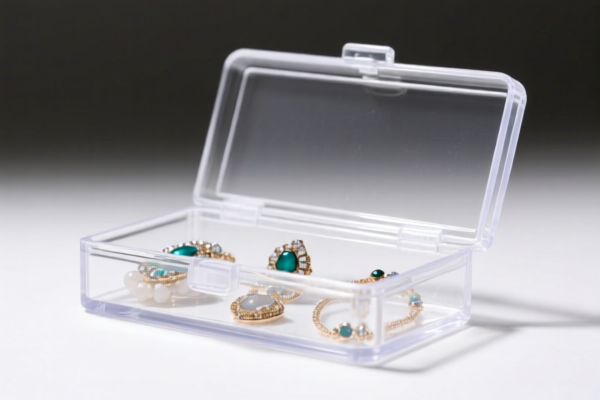
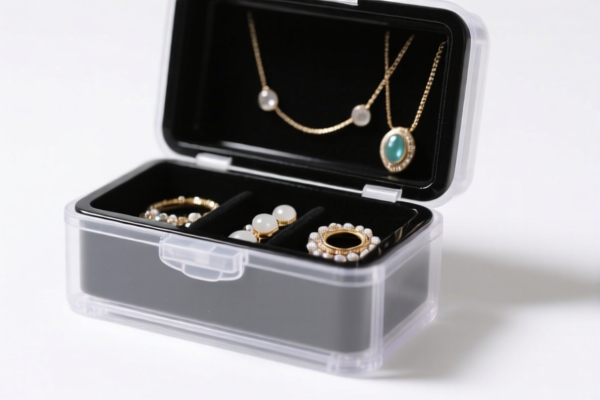
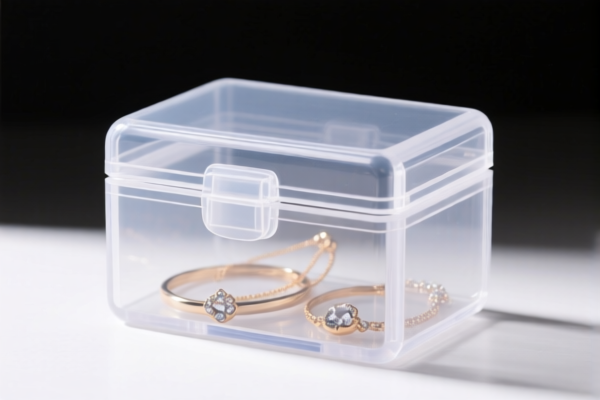
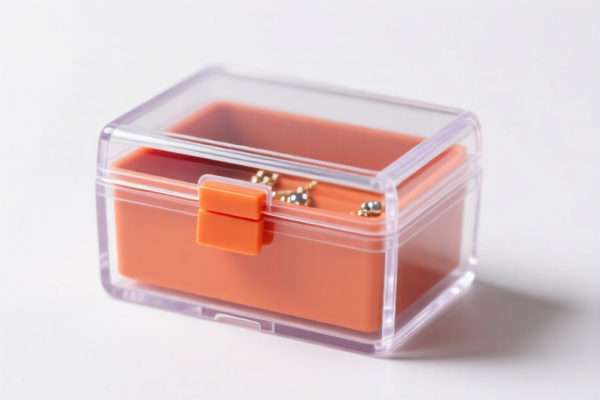
A Plastic Jewelry Box is a container primarily used for storing, organizing, and displaying jewelry items. In international trade, classification depends heavily on the primary material and specific composition:
1. Cellulose-Based Plastics (e.g., Paper Pulp/Molded Fiber): - If the box is made from paper pulp or molded fiber (often marketed as "biodegradable" or "eco-friendly" plastics), it may be classified under Chapter 39 (Plastics) or Chapter 44/48 (Wood/Paper products) depending on specific processing.
2. True Plastics (e.g., PVC, ABS, Acrylic): - If the box is made from synthetic polymers (PVC, ABS, Acrylic), it typically falls under Chapter 39 (Articles of plastic).
3. Wood-Based Substitutes (e.g., Engineered Wood/Paper Composite): - Some "plastic-like" boxes are actually wood fiber/paper pulp composites molded into shape. These may be classified under Chapter 44 (Wood) or Chapter 48 (Paper).
⚠️ Key Distinction Point:
- If made from pure paper pulp/molded fiber → Look at HS 4823 or 3926.
- If made from synthetic plastic (PVC, etc.) → Look at HS 3926.
- If made from wood fiber/composite → Look at HS 4420.
📦 II. HS Code Classification Details (2026 Latest Tariff Authority Comparison)
Based on the provided data, here are the potential HS Codes for a "Plastic Jewelry Box" (with a focus on paper-pulp/plastic-like composites as per the input data):
| HS Code | Product Description | Matching Logic | Total Tax Rate (US/CN Origin) |
|---|---|---|---|
3926.90.99.89 |
Other articles of plastic (incl. cellulose-based) | Material Match: Paper pulp is a cellulose material, often extended to plastic-like articles. Form Match: Jewelry box is an "article," fitting "other articles." No obvious material conflict. |
22.8% |
4420.90.45.00 |
Wooden articles (incl. fiber/pulp) | Material Match: Paper pulp inferred as wood-fiber based. Use Match: Jewelry box. Note: No explicit mention of fabric lining, but no conflict. |
39.3% |
4420.90.65.00 |
Other wooden articles | Match Point: Use is jewelry box; material is wood-fiber/pulp. Fits "wood products." No material conflict. | 35.0% |
4823.90.10.00 |
Other paper pulp articles | Match Basis: Core material is "paper pulp," fitting "paper pulp articles." Form: Finished product (jewelry box), but material attribute matches. |
35.0% |
4823.70.00.40 |
Other paper pulp molded/pressed articles | Match Basis: Material is "paper pulp." Form is "jewelry box," classified as a molded/pressed article. Not excluded as plates/bowls. Fits "other paper pulp molded articles." | 35.0% |
🔍 Key Reminder:
- Paper Pulp Boxes: Often classified under 4823 (Paper) or 3926 (Plastic-like) depending on binding agents.
- Synthetic Plastic Boxes: Should generally fall under 3926 (Plastics), but the provided data emphasizes cellulose/pulp interpretations.
- Wood-Composite Boxes: If heavily wood-fiber based, 4420 may apply, but tax rates are significantly higher.
💰 III. 2026 Latest Tariff Rate Breakdown (Including Surtaxes & Policy Add-ons)
✅ Applicable Country: United States (US)
✅ Origin: China (CN)
✅ Effective Time: From November 10, 2025 (including subsequent imports)
🎯 1. 3926.90.99.89 — Other Articles of Plastic (Cellulose-Based)
| Item | Detail |
|---|---|
| Base Tariff | 5.3% (ad valorem) |
| Section 301 Surtax | +7.5% (USITC Footnote) |
| Section 122 Tariff | +10% (IEEPA-based China surcharge) |
| Total Tax Rate | 22.8% |
| Calculation | CIF Value × 22.8% |
| De Minimis Exemption | ❌ Not Eligible (deny_de_minimis) |
| Legal Path | IEEPA:9903.01.25 → USITC:3926.90.99.89 → FOOTNOTE:Section 301 |
📌 Explanation:
- This code treats paper-pulp boxes as "plastic-like" articles.
- The 22.8% rate is relatively moderate compared to wood categories.
- Section 122 (10%) applies specifically to Chinese-origin goods.
🎯 2. 4420.90.45.00 — Wooden Articles (Fiber/Pulp Based)
| Item | Detail |
|---|---|
| Base Tariff | 4.3% |
| Section 301 Surtax | +25.0% |
| Section 122 Tariff | +10% |
| Total Tax Rate | 39.3% |
| Calculation | CIF Value × 39.3% |
| De Minimis Exemption | ❌ Not Eligible |
| Legal Path | IEEPA:9903.01.25 → USITC:4420.90.45.00 |
📌 Warning:
- High tax rate due to 25% Section 301 surcharge.
- Only use if the box is definitively wood-fiber based and cannot be classified under paper/plastic.
🎯 3. 4420.90.65.00 — Other Wooden Articles
| Item | Detail |
|---|---|
| Base Tariff | 0.0% |
| Section 301 Surtax | +25.0% |
| Section 122 Tariff | +10% |
| Total Tax Rate | 35.0% |
| Calculation | CIF Value × 35.0% |
| De Minimis Exemption | ❌ Not Eligible |
📌 Note:
- Lower base rate (0%) but same high surcharges.
- Applicable if the box is considered a "wooden article" but not specifically "decorative wooden articles" (4420.90.45).
🎯 4. 4823.90.10.00 — Other Paper Pulp Articles
| Item | Detail |
|---|---|
| Base Tariff | 0.0% |
| Section 301 Surtax | +25.0% |
| Section 122 Tariff | +10% |
| Total Tax Rate | 35.0% |
| Calculation | CIF Value × 35.0% |
| De Minimis Exemption | ❌ Not Eligible |
📌 Application:
- Ideal for pure paper pulp boxes with no plastic coating.
- Same tax rate as4420.90.65.00.
🎯 5. 4823.70.00.40 — Other Paper Pulp Molded/Pressed Articles
| Item | Detail |
|---|---|
| Base Tariff | 0.0% |
| Section 301 Surtax | +25.0% |
| Section 122 Tariff | +10% |
| Total Tax Rate | 35.0% |
| Calculation | CIF Value × 35.0% |
| De Minimis Exemption | ❌ Not Eligible |
📌 Application:
- Specific for molded/pressed paper pulp articles (like molded pulp jewelry boxes).
- Not excluded as plates/bowls/cups, so it fits "other."
🛠️ IV. Customs Clearance Practical Advice (Avoid Pitfalls)
✅ 1. Required Documentation Checklist (All Mandatory)
| Document | Required | Note |
|---|---|---|
| ✅ Product Specification Sheet | ✔️ | Must include: Material composition (e.g., "100% Recycled Paper Pulp"), dimensions, weight. |
| ✅ Material Test Report | ✔️ | Third-party report confirming material (e.g., SGS report for cellulose/plastic content). |
| ✅ Product Photos (with Label) | ✔️ | Clear shots of texture, logo, and any coatings (e.g., plastic lining). |
| ✅ Commercial Invoice | ✔️ | Must specify "Jewelry Box" and Material Type (e.g., "Paper Pulp" vs. "PVC"). |
| ✅ Packing List | ✔️ | Detail contents to avoid confusion with packaging materials. |
| ✅ Certificate of Origin (CO) | ✔️ | Essential for claiming exemptions or verifying origin. |
✅ 2. Declaration Tips (Key Mnemonic)
🔥 "Material First, Form Second, Tax Drop by Half!"
| Scenario | Correct Declaration | Wrong Practice |
|---|---|---|
| Paper Pulp Box | 4823.70.00.40 (Paper Pulp Molded) |
Misclassified as Plastic (3926) → 22.8% |
| Plastic-Coated Pulp | 3926.90.99.89 (Plastic Article) |
Misclassified as Paper → 35.0% |
| Wood-Composite Box | 4420.90.65.00 (Wooden Article) |
Misclassified as Paper → 35.0% vs 39.3% |
| Mixed Material | Declare primary material (>50%) | Ambiguous description → Delays & Penalties |
✅ 3. Special Cases Handling
| Case | Handling Advice |
|---|---|
| Plastic-Lined Pulp Box | If >50% plastic by weight/value, classify under 3926 (22.8%). |
| Wood-Fiber Board Box | Classify under 4420 (35.0% or 39.3%). Avoid 4823 if wood content is high. |
| Small Gift Sets | If jewelry is included, entire set may be classified under 7117 (Imitation Jewelry) or 9619 (Hygienic articles), not jewelry boxes. |
| Eco-Friendly Marketing | Do not declare as "Plastic" if it's paper pulp. Use "Biodegradable Paper Pulp" to support 4823 classification. |
🌍 V. Global Market Clearance Comparison (2026 Latest)
| Country/Region | Recommended HS Code | Tariff (US/CN) | Certification | Note |
|---|---|---|---|---|
| 🇺🇸 USA | 3926.90.99.89 or 4823.70.00.40 |
22.8% - 35.0% | No specific cert | High surtaxes apply |
| 🇨🇳 China | 4823.70.00.40 |
~5-10% | None | Lower base rates |
| 🇪🇺 EU | 4823.70 or 3926.90 |
0-6% | CE (if plastic) | No Section 301 |
| 🇯🇵 Japan | 4823.70 or 3926.90 |
0-5% | None | Low tariffs |
📌 Conclusion:
- USA imposes significant surcharges (Section 301 + Section 122).
- Paper Pulp (4823) and Plastic-like (3926) are the most cost-effective options (22.8% - 35.0%).
- Wood-based (4420) options are more expensive due to 25% surtax.
📌 VI. Common Mistakes & Pitfalls (Lessons Learned)
❌ Mistake 1: Declaring "Plastic Box" when it's Paper Pulp
👉 Consequence: May be accepted, but if audited, penalty for misdeclaration. However, tax is lower (22.8% vs 35.0%), so risk exists.
❌ Mistake 2: Declaring "Paper Box" when it's PVC Plastic
👉 Consequence: Tax difference is minimal (22.8% vs 35.0%), but material non-compliance may lead to rejection.
❌ Mistake 3: Not disclosing Coating/Lining
👉 Consequence: If plastic-lined, should be 3926. Misclassification leads to audits.
❌ Mistake 4: Using "Jewelry Box" without Material Spec
👉 Consequence: Customs will guess, likely assigning highest applicable tax (39.3%).
✅ Correct Approach:
"Jewelry Box, Material: 100% Recycled Paper Pulp, Molded, Unlined, Model XYZ"
or
"Jewelry Box, Material: PVC Plastic, Glossy Finish, Model ABC"
🎯 VII. Conclusion: Professional Declaration, Save Time, Reduce Cost!
🎯 Remember Mnemonic:
🔹 "Paper Pulp? Go 4823 (35%). Plastic-Coated? Go 3926 (22.8%). Wood? Go 4420 (35-39.3%)."
🔹 "HS Code Decides Tax, 1% Difference Means Thousands Saved!"
📌 Pro Tip:
If your product is originally from Vietnam, Mexico, or Thailand, you may apply for IEEPA Exemption, reducing tax to 0-5%.
Recommendation: Apply for an Advance Ruling before shipment to avoid clearance risks.
📣 Take Action Now:
📞 Contact a Professional Customs Broker + Provide Product Photos + Apply for HS Code Advance Ruling
🚀 Ensure Smooth Clearance, Efficient Export, and Maximized Profits!
✨ Professional Clearance Starts with Accurate Classification!
💼 Every Cent of Your Cost Deserves Precision!
Customer Reviews
About HS Code Classification
The Harmonized System (HS) is an internationally standardized nomenclature developed by the World Customs Organization (WCO) to classify traded products. Over 200 countries use the HS system as the basis for customs tariffs, trade statistics, and import/export regulations.
Each HS code follows a hierarchical structure:
- Chapter (2 digits) — Broad category of goods (e.g., Chapter 84: Machinery and Mechanical Appliances)
- Heading (4 digits) — More specific grouping within the chapter
- Subheading (6 digits) — Internationally standardized breakdown, used by all WCO member countries
- National subdivisions (8-10 digits) — Country-specific extensions for further classification, such as US HTSUS 10-digit codes
Correct HS code classification is essential for smooth customs clearance, accurate duty payment, and compliance with trade regulations. Misclassification can lead to customs delays, overpayment of duties, or penalties.
When importing from CN to US, the applicable tariff rates may include:
- Most-Favored-Nation (MFN) rate — The standard duty rate applied to WTO members
- General rate — Applied to countries without trade agreements
- Trade remedy duties — Additional tariffs such as Section 301 (anti-dumping), Section 232 (national security), or countervailing duties
The information provided on this page is for reference purposes only. For official classification, please consult with your local customs authority or a licensed customs broker.