Plastic Keychain
CN → US| HS Code | Tariff Rate | Origin | Destination | Doc |
|---|---|---|---|---|
| 3926902500 | 24.0% | CN | US | Official Doc |
| 3926909989 | 22.8% | CN | US | Official Doc |
| 7117907500 | 10.0% | CN | US | Official Doc |
| 7117905500 | 24.7% | CN | US | Official Doc |
| 7326903500 | 92.8% | CN | US | Official Doc |
Product Images
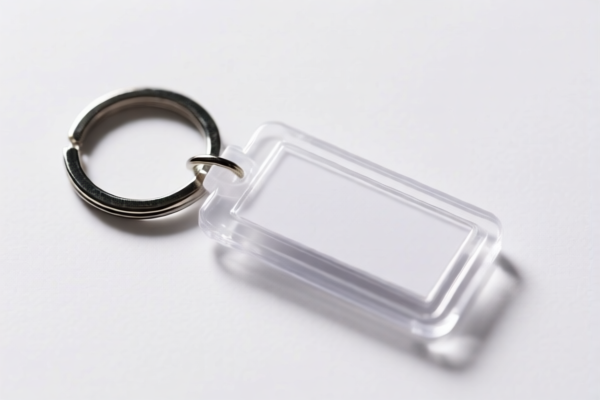
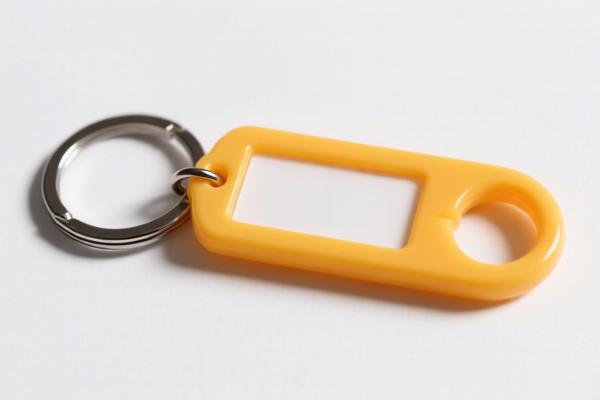
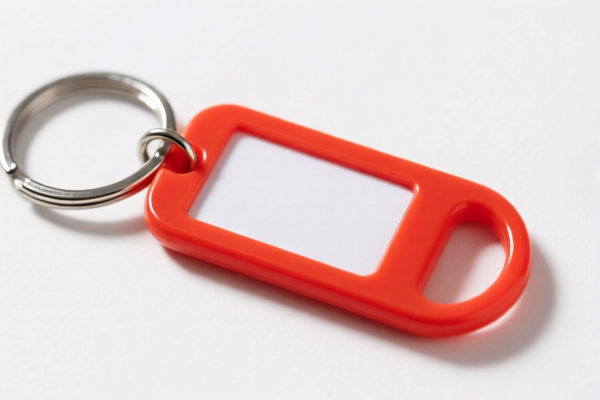
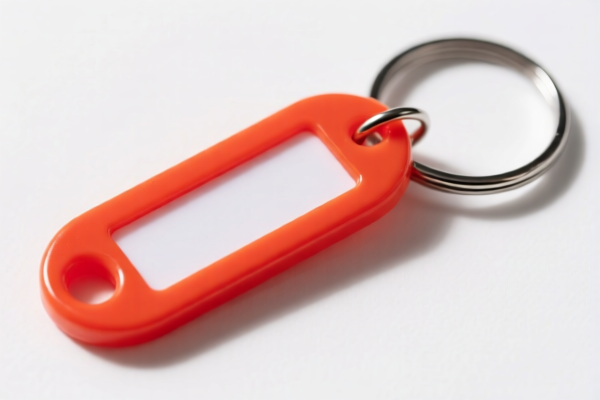
AI Analysis
🔑 Plastic Keychain: HS Code Classification & US Customs Clearance Guide
🌐 HS Code Reference & Customs Clearance Strategy | 2026 Latest Tariff Analysis | Professional Compliance Guide
📌 I. Product Definition: What is a "Plastic Keychain"?
In international trade, a plastic keychain is typically defined as a small accessory used to hold keys, often featuring branding, logos, or decorative shapes. The classification depends heavily on the intended use and material composition. While the material is explicitly Plastic, customs authorities may classify it under different headings based on whether it is viewed as a general accessory, an article of plastic, or an imitation jewelry item.
⚠️ Critical Distinction:
- If classified as a general Plastic Article → Higher base duty + Section 301 tariffs.
- If classified as Imitation Jewelry → Lower base duty, but subject to specific anti-dumping or Section 301 rules.
- Misclassification Risk: Declaring a plastic keychain as "metal" (e.g., steel) will lead to severe penalties (92.8% tariff).
📦 II. HS Code Classification Details (Based on Provided Data)
The following table outlines the five possible HS Codes provided in the data, along with their descriptions and tax implications.
| HS Code | Product Description | Category | Total Tax Rate (US) | Key Tariff Components |
|---|---|---|---|---|
| 3926.90.25.00 | Plastic Keychain (General Plastic Product) | Other Plastic Articles | 24.0% | Base: 6.5% + Sec 301: 7.5% + Sec 122: 10% |
| 3926.90.99.89 | Plastic Keychain (Other Plastic Articles) | Other Plastic Articles | 22.8% | Base: 5.3% + Sec 301: 7.5% + Sec 122: 10% |
| 7117.90.75.00 | Plastic Keychain (Imitation Jewelry - Other) | Imitation Jewelry | 10.0% | Base: 0.0% + Sec 301: 0.0% + Sec 122: 10% |
| 7117.90.55.00 | Plastic Keychain (Imitation Jewelry - Non-metal) | Imitation Jewelry | 24.7% | Base: 7.2% + Sec 301: 7.5% + Sec 122: 10% |
| 7326.90.35.00 | Keychain (Steel/Iron Material) | Iron/Steel Articles | 92.8% | Base: 7.8% + Sec 301: 25% + Steel Alloys: 50% + Sec 122: 10% |
🔍 Analysis:
- Most Favorable Rate:7117.90.75.00at 10.0% total tax. This applies if the keychain is considered "Imitation Jewelry" and qualifies for the specific subheading with 0% base and 0% Section 301 tariffs.
- Standard Plastic Rate:3926.90.99.89at 22.8% is the most common classification for generic plastic goods.
- Highest Risk:7326.90.35.00is for Steel/Iron keychains. Misdeclaring plastic as steel results in a devastating 92.8% tariff due to the 50% penalty on steel/aluminum products.
💰 III. 2026 Tariff Breakdown & Legal Basis
✅ Applicable Country: United States (US)
✅ Origin: China (CN)
✅ Key Tariff Mechanisms:
1. Base Duty (MFN): Applied to all goods from WTO members.
2. Section 301 Tariffs: Additional duties on Chinese goods (varies by HS Code).
3. Section 122 Tariffs: Additional 10% duty on imports (typically under U.S. Trade Expansion Act).
🎯 1. 3926.90.25.00 & 3926.90.99.89 (Plastic Articles)
| Component | Rate | Legal Basis |
|---|---|---|
| Base Duty | 5.3% – 6.5% | Harmonized Tariff Schedule (HTS) |
| Section 301 | +7.5% | US Trade Representative (USTR) Lists |
| Section 122 | +10% | U.S. Trade Expansion Act |
| TOTAL | 22.8% – 24.0% | Cumulative |
📌 Explanation:
These keychains are treated as general plastic articles. They are subject to both Section 301 (China-specific) and Section 122 tariffs. This is the standard classification for non-jewelry plastic items.
🎯 2. 7117.90.75.00 (Imitation Jewelry - Low Tax Option)
| Component | Rate | Legal Basis |
|---|---|---|
| Base Duty | 0.0% | HTS Chapter 71 |
| Section 301 | 0.0% | Exempt/Specific Subheading |
| Section 122 | +10% | U.S. Trade Expansion Act |
| TOTAL | 10.0% | Lowest Possible Rate |
📌 Explanation:
If the keychain is marketed or designed as "Jewelry" (e.g., decorative, worn as an accessory), it may fall under Imitation Jewelry. Crucially, this specific subheading (7117.90.75.00) appears to be exempt from Section 301 tariffs, saving significant cost. However, the Section 122 tariff still applies.
🎯 3. 7117.90.55.00 (Imitation Jewelry - High Tax Option)
| Component | Rate | Legal Basis |
|---|---|---|
| Base Duty | 7.2% | HTS Chapter 71 |
| Section 301 | +7.5% | USTR Lists |
| Section 122 | +10% | U.S. Trade Expansion Act |
| TOTAL | 24.7% | Highest Jewelry Rate |
📌 Explanation:
Not all imitation jewelry enjoys low duties. This subheading includes plastic items that do not qualify for the 0% base/0% Sec 301 treatment.
🚨 4. 7326.90.35.00 (Steel/Iron - DO NOT USE FOR PLASTIC)
| Component | Rate | Legal Basis |
|---|---|---|
| Base Duty | 7.8% | HTS Chapter 73 |
| Section 301 | +25% | USTR Lists |
| Steel/Al Penalty | +50% | Specific Trade Remedy |
| Section 122 | +10% | U.S. Trade Expansion Act |
| TOTAL | 92.8% | Penalty Rate |
📌 WARNING:
This rate applies ONLY if the keychain is made of Steel or Iron. Applying this to plastic is a major compliance error. Even if the keychain has plastic parts, if the main structural material is metal, this high tariff may apply.
🛠️ IV. Customs Clearance Practical Advice
✅ 1. Documentation Checklist
| Document | Requirement | Notes |
|---|---|---|
| Commercial Invoice | ✔️ Required | Must specify "Plastic Keychain" and material composition. |
| Product Description | ✔️ Critical | Use precise language: "Plastic Keychain, PVC Material, Decorative" or "Plastic Keychain, Imitation Jewelry Item". |
| Material Breakdown | ✔️ Recommended | If mixed materials, specify the percentage of plastic vs. metal. |
| Design Photos | ✔️ Recommended | Show that the item is lightweight and plastic-bodied. |
✅ 2. Classification Strategy (How to Choose)
| Scenario | Recommended HS Code | Reason |
|---|---|---|
| Generic Promo Item | 3926.90.99.89 (22.8%) |
Standard for unbranded or generic plastic goods. |
| Fashion/Jewelry Style | 7117.90.75.00 (10.0%) |
Best for Cost Savings. Declare as "Imitation Jewelry" if design supports it. |
| High-End Decorative | 7117.90.55.00 (24.7%) |
If jewelry classification is rejected but not metal. |
| Mixed Material (Metal Parts) | 7326.90.35.00 (92.8%) |
Only if >50% value or essential character is metal. |
🔥 Pro Tip:
"Jewelry" vs. "Plastic Article"
To qualify for the lower 10% rate under7117.90.75.00, ensure your product is marketed as a fashion accessory or jewelry. Avoid describing it solely as a "utility item" or "bag accessory" if you want to claim the jewelry classification.
✅ 3. Avoiding Pitfalls
| Mistake | Consequence |
|---|---|
| Declaring Plastic as Metal | 92.8% Tax + Potential Fraud Investigation |
| Using Generic "Keychain" Description | High Risk of Audit; CBP may assign default high-duty code |
| Ignoring Section 122 | Unexpected 10% charge at border; must be included in cost calculation |
🌍 V. Global Market Comparison (Quick Reference)
| Market | Likely HS Code | Est. Duty (China Origin) | Notes |
|---|---|---|---|
| 🇺🇸 USA | 3926.90.99.89 or 7117.90.75.00 |
10.0% – 24.7% | Section 122 applies to all. Section 301 varies. |
| 🇨🇳 China | 3926.90.90.90 |
~5% - 10% | Lower base duty, no Section 122/301. |
| 🇪🇺 EU | 3926.90.97 |
~0% - 4% | No Section 301/122 equivalent. |
📌 Conclusion:
The US market is significantly more expensive due to Section 122 (10%) and potential Section 301 (7.5% or 25%). The difference between 10% and 92.8% is massive.
📌 VI. Common Errors & Mitigation
❌ Error 1: Using 7326.90.35.00 for a plastic keychain.
👉 Result: 92.8% Tax. Avoid this unless the keychain is made of Steel.
❌ Error 2: Not declaring Section 122 tariffs.
👉 Result: Underpayment and interest charges. Always include the 10% Sec 122 in cost calculations.
❌ Error 3: Inconsistent descriptions.
👉 Result: CBP rejects entry. Use consistent terminology across Invoice, Packing List, and Bill of Lading.
✅ Correct Approach:
"Plastic Keychain, PVC, Fashion Jewelry Item, Model XYZ, Made in China"
HS Code:7117.90.75.00
Total Duty: 10.0%
🎯 VII. Conclusion: Optimize Your Costs
🎯 Key Takeaway:
- Best Case: Classify as Imitation Jewelry (
7117.90.75.00) for 10.0% total tax.- Standard Case: Classify as Plastic Article (
3926.90.99.89) for 22.8% total tax.- Worst Case: Misclassify as Metal (
7326.90.35.00) for 92.8% total tax.📌 Action Item:
1. Confirm if your keychain can be legally classified as "Imitation Jewelry."
2. If yes, use7117.90.75.00to save 12.8% - 82.8% in duties.
3. If no, use3926.90.99.89as the fallback.
4. NEVER use7326.90.35.00for plastic products.
📣 Final Recommendation:
📞 Consult a licensed customs broker to pre-classify your specific design.
🚀 Ensure your marketing materials support the "Imitation Jewelry" classification if you aim for the 10.0% rate.
💼 Precision in classification is your best defense against high tariffs!
Customer Reviews
About HS Code Classification
The Harmonized System (HS) is an internationally standardized nomenclature developed by the World Customs Organization (WCO) to classify traded products. Over 200 countries use the HS system as the basis for customs tariffs, trade statistics, and import/export regulations.
Each HS code follows a hierarchical structure:
- Chapter (2 digits) — Broad category of goods (e.g., Chapter 84: Machinery and Mechanical Appliances)
- Heading (4 digits) — More specific grouping within the chapter
- Subheading (6 digits) — Internationally standardized breakdown, used by all WCO member countries
- National subdivisions (8-10 digits) — Country-specific extensions for further classification, such as US HTSUS 10-digit codes
Correct HS code classification is essential for smooth customs clearance, accurate duty payment, and compliance with trade regulations. Misclassification can lead to customs delays, overpayment of duties, or penalties.
When importing from CN to US, the applicable tariff rates may include:
- Most-Favored-Nation (MFN) rate — The standard duty rate applied to WTO members
- General rate — Applied to countries without trade agreements
- Trade remedy duties — Additional tariffs such as Section 301 (anti-dumping), Section 232 (national security), or countervailing duties
The information provided on this page is for reference purposes only. For official classification, please consult with your local customs authority or a licensed customs broker.