Plastic Kitchenware Set
CN → US| HS Code | Tariff Rate | Origin | Destination | Doc |
|---|---|---|---|---|
| 3924104000 | 13.4% | CN | US | Official Doc |
| 3924104000 | 13.4% | CN | US | Official Doc |
| 9503000073 | 10.0% | CN | US | Official Doc |
| 9503000071 | 10.0% | CN | US | Official Doc |
| 3924103000 | 22.8% | CN | US | Official Doc |
Product Images
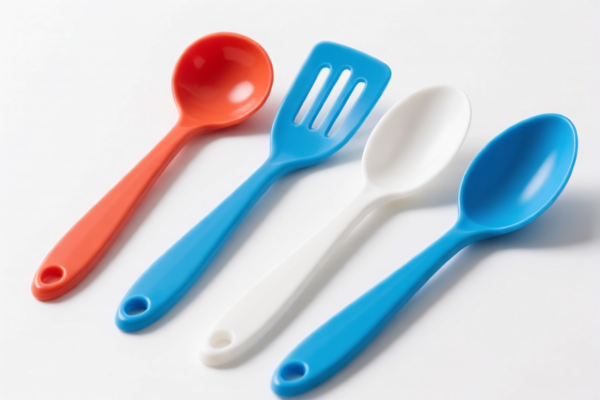

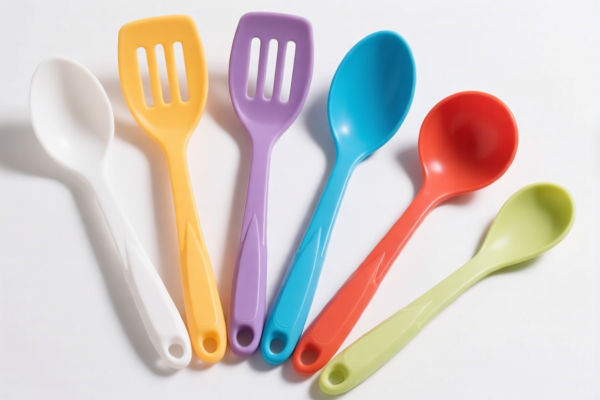
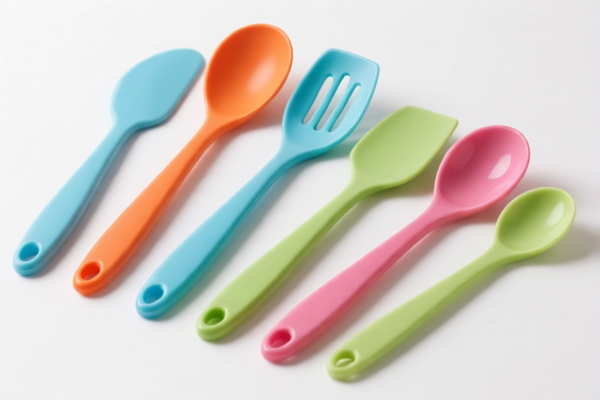
AI Analysis
🍽️ Plastic Kitchenware Sets & Toy Kitchen Kits
🌐 HS Code Reference & Customs Clearance Guide | 2026 Latest Tariff Analysis | Professional Clearance Strategy
📌 Part 1: Product Definition & Classification – Do You Really Understand "Kitchenware"?
In international trade, "Kitchenware" is strictly divided into two distinct categories based on material, function, and target audience:
1. Actual Plastic Kitchenware (3924.10.40.00)
Items made of plastic, intended for household or commercial use (e.g., serving spoons, salad bowls, cutting boards). These are defined as tableware and cookware.
2. Toy Kitchen Sets (9503.00.00.73 / 71 & 3924.10.30.00)
Items designed for play, imitation, or dolls. Even if made of plastic and resembling kitchen tools, if the primary purpose is entertainment/education, they fall under Toys. However, ambiguous cases may trigger fallback rules.
⚠️ Key Distinction Point:
- If the item is durable, food-safe, and used for actual cooking/serving → HS 3924
- If the item is delicate, colorful, scaled-down, or marketed as "Toy/Doll Accessory" → HS 9503
- If the material is unclear or mixed, customs may apply a fallback rule leading to higher taxes.
📦 Part 2: HS Code Classification Details (2026 Latest Tariff Authority Comparison)
| HS Code | Product Description | Application Scenario | Material/Usage |
|---|---|---|---|
3924.10.40.00 |
Plastic kitchenware sets, material is plastic, use is for kitchenware, belongs to tableware and cookware category. | Actual household plastic bowls, plates, serving utensils. | ✅ Plastic, Functional |
3924.10.40.00 |
Plastic kitchenware, material is plastic, use is for kitchenware, meets the definition of plastic-made tableware and cookware. | Standard plastic dinner sets, kitchen tools. | ✅ Plastic, Functional |
9503.00.00.73 |
Toy kitchen sets, belongs to toys category, meets the definition of dolls and other toys. | Children's play kitchens, dollhouse food sets. | ✅ Toy, Imitation |
9503.00.00.71 |
Toy kitchen sets, form is toy, meets toy category usage description. | Play kitchen appliances, toy cutlery. | ✅ Toy, Imitation |
3924.10.30.00 |
Toy kitchen sets, material not specified. Infer possible plastic material based on fallback rules, meets kitchenware usage. | Ambiguous items where material is unclear or mixed, classified as kitchenware fallback. | ❓ Unclear/Mixed, Fallback |
🔍 Key Reminder:
- Functional kitchenware (even if colorful) should be declared under 3924 to avoid being mistaken for toys, but verify if it’s marketed as a toy.
- Toy kitchen sets declared as 3924.10.30.00 (Fallback) attract significantly higher taxes (22.8%) compared to pure toys (10%). Always ensure clear material and usage description.
💰 Part 3: 2026 Latest Tariff Rate Details (Including Surcharges & Policy Add-ons)
✅ Applicable Country: USA (US)
✅ Origin: China (CN)
✅ Effective Date: From subsequent imports
🎯 1. 3924.10.40.00 —— Plastic Kitchenware (Functional)
| Item | Detail |
|---|---|
| Base Tariff | 3.4% |
| Additional Surcharge | 0.0% |
| Section 301 (122 Clause) Tariff | 10% |
| Total Tax Rate | 13.4% |
| Tax Calculation | CIF Value × 13.4% |
| De Minimis Exemption | ❌ Not Applicable (Subject to full assessment) |
| Legal Basis Path | Base: 3.4% + 122 Clause: 10% |
📌 Explanation:
- The 13.4% total rate consists of a low base tariff (3.4%) plus a specific 10% Section 301 surcharge applicable to Chinese plastic tableware.
- This is a moderate-high tariff but lower than ambiguous cases.
🎯 2. 9503.00.00.73 & 9503.00.00.71 —— Toy Kitchen Sets (Toys)
| Item | Detail |
|---|---|
| Base Tariff | 0.0% |
| Additional Surcharge | 0.0% |
| Section 301 (122 Clause) Tariff | 10% |
| Total Tax Rate | 10.0% |
| Tax Calculation | CIF Value × 10.0% |
| De Minimis Exemption | ❌ Not Applicable |
| Legal Basis Path | Base: 0.0% + 122 Clause: 10% |
📌 Note:
- Toys benefit from a 0% base tariff, making the total rate only 10%.
- This is cheaper than functional plastic kitchenware (13.4%) because the base duty on toys is zero.
- Crucial: You must declare it as a "Toy" with evidence (packaging, marketing, design) to qualify for this lower rate.
🎯 3. 3924.10.30.00 —— Toy Kitchen Sets (Fallback/Unclear Material)
| Item | Detail |
|---|---|
| Base Tariff | 5.3% |
| Additional Surcharge | 7.5% |
| Section 301 (122 Clause) Tariff | 10% |
| Total Tax Rate | 22.8% |
| Tax Calculation | CIF Value × 22.8% |
| De Minimis Exemption | ❌ Not Applicable |
| Legal Basis Path | Base: 5.3% + Surcharge: 7.5% + 122 Clause: 10% |
📌 Critical Warning:
- This is the most expensive classification.
- It applies when the material is not clearly specified as plastic or when a "toy" is incorrectly forced into a "kitchenware" fallback category without proper material proof.
- The combination of 5.3% base + 7.5% surcharge + 10% Section 301 creates a heavy burden.
- Avoid this by clearly defining material (Plastic) and Use (Toy vs. Functional).
🛠️ Part 4: Customs Clearance Practical Advice (Real-World Pitfall Guide)
✅ 1. Preparation Checklist (Essential Documents)
| Document | Required | Explanation |
|---|---|---|
| ✅ Product Specification Sheet | ✔️ | Must state: Material (e.g., PP, PE), Intended Use (Kitchen vs. Play), Age Recommendation. |
| ✅ Product Photos | ✔️ | Clear images showing packaging, labels ("For Children" vs. "Food Contact Safe"). |
| ✅ Commercial Invoice | ✔️ | Accurate description: "Plastic Kitchen Set" or "Toy Kitchen Set for Kids". |
| ✅ Packing List | ✔️ | Include weights and dimensions. |
| ✅ Marketing Materials | ✔️ | Brochures or website screenshots proving it is a Toy (if claiming HS 9503). |
| ✅ Material Test Report | ✔️ | Proof of plastic composition if classifying under 3924. |
✅ 2. Declaration Strategy (Key Mnemonics)
🔥 “Clear Material, Clear Use, Avoid Fallback!”
| Scenario | Correct Declaration | Wrong Action |
|---|---|---|
| Functional Plastic Bowls | 3924.10.40.00 |
Declaring as Toy → Risk of penalty if not clearly a toy. |
| Children's Play Kitchen | 9503.00.00.73 |
Declaring as Kitchenware (Fallback) → 22.8% Tax! |
| Ambiguous Plastic Set | Clarify Material & Use First | Leave material blank → Triggers 3924.10.30.00 (22.8%). |
| Mixed Kit (Real + Toy Items) | Split Declaration | One HS Code → Customs may reclassify all as highest tax item. |
✅ 3. Special Cases Handling
| Case | Handling Advice |
|---|---|
| OEM Custom Kitchenware | Provide design drawings and material specs to support 3924.10.40.00. |
| Educational Toy Kits | Emphasize "Educational/Play" in description to support 9503.00.00.71/73. |
| Food-Contact Items | Must declare as 3924.10.40.00; cannot be declared as toys if they touch food. |
| Unclear Material | Do NOT ship without material confirmation. Get a lab report or supplier statement. |
🌍 Part 5: Global Market Customs Comparison (2026 Latest)
| Country/Region | Recommended HS Code | Tariff Rate | Certification Requirements | Notes |
|---|---|---|---|---|
| 🇺🇸 USA | 3924.10.40.00 (Kitchen) |
13.4% | FDA (if food contact) | High Section 301 impact. |
| 🇺🇸 USA | 9503.00.00.73 (Toy) |
10.0% | CPSIA, ASTM F963 | Lower base tax, but strict toy safety laws. |
| 🇨🇳 China | 3924.10.40.00 |
9.0% | GB Standards | Lower global tariffs. |
| 🇪🇺 EU | 3924.10.90 |
6.5% | LFGB, REACH | No Section 301 equivalent. |
| 🇦🇺 Australia | 3924.10.00 |
5.0% | SAA Mark | Competitive entry. |
📌 Conclusion:
- USA imposes the highest effective tax due to Section 301 surcharges.
- Toy classification (9503) is cheaper (10%) than functional kitchenware (13.4%) in the US, provided it is genuinely a toy.
- Fallback classification (3924.10.30.00) is the most expensive (22.8%) and should be avoided at all costs.
📌 Part 6: Common Errors & Pitfall Guide (Lessons from Experience)
❌ Error 1: Declaring a "Toy Kitchen Set" as "Plastic Kitchenware" to match buyer request.
👉 Consequence: If customs detects it’s a toy, they may still assess under fallback or penalize for misdeclaration. If declared as functional but lacks FDA info, it gets seized.
❌ Error 2: Leaving material unspecified for a plastic toy set.
👉 Consequence: Triggers 3924.10.30.00 (22.8% Tax). You pay 12.8% more than necessary.
❌ Error 3: Mixing functional and toy items in one shipment without splitting.
👉 Consequence: Customs may classify the entire shipment under the highest tax code or demand separate declarations, causing delays.
❌ Error 4: Using vague terms like "Plastic Items" in invoice.
👉 Consequence: Customs officer uses discretion, often defaulting to the highest applicable duty or requiring additional fees for classification review.
✅ Correct Approach:
“Plastic Toy Kitchen Set for Children, Age 3+, Model XYZ, Material: PP, CE & ASTM Certified”
OR
“Plastic Kitchen Serving Set, Food Grade PP, Model ABC, FDA Compliant”
🎯 Part 7: Conclusion: Precise Declaration Saves Money!
🎯 Remember the Mantra:
🔹 “Toy? Declare 9503 (10%). Kitchen? Declare 3924 (13.4%). Unclear? Pay 22.8%!”
🔹 “Material is King, Use is Queen, Fallback is the Enemy!”
📌 Pro Tip:
If you are exporting to the US, always specify the material (Plastic) and clearly state the intended use (Toy vs. Functional) in your commercial invoice and product descriptions. Request a Pre-Ruling (Advance Ruling) from US Customs if the product is ambiguous. This can save you thousands in unexpected duties.
📣 Immediate Action:
📞 Contact your customs broker + Provide Product Photos + Specify Material & Use Clearly
🚀 Ensure Smooth Clearance, Avoid High Taxes, and Maximize Profits!
✨ Professional Clearance Starts with Accurate Classification!
💼 Your Cost Efficiency Depends on Every Digit in the HS Code!
Customer Reviews
About HS Code Classification
The Harmonized System (HS) is an internationally standardized nomenclature developed by the World Customs Organization (WCO) to classify traded products. Over 200 countries use the HS system as the basis for customs tariffs, trade statistics, and import/export regulations.
Each HS code follows a hierarchical structure:
- Chapter (2 digits) — Broad category of goods (e.g., Chapter 84: Machinery and Mechanical Appliances)
- Heading (4 digits) — More specific grouping within the chapter
- Subheading (6 digits) — Internationally standardized breakdown, used by all WCO member countries
- National subdivisions (8-10 digits) — Country-specific extensions for further classification, such as US HTSUS 10-digit codes
Correct HS code classification is essential for smooth customs clearance, accurate duty payment, and compliance with trade regulations. Misclassification can lead to customs delays, overpayment of duties, or penalties.
When importing from CN to US, the applicable tariff rates may include:
- Most-Favored-Nation (MFN) rate — The standard duty rate applied to WTO members
- General rate — Applied to countries without trade agreements
- Trade remedy duties — Additional tariffs such as Section 301 (anti-dumping), Section 232 (national security), or countervailing duties
The information provided on this page is for reference purposes only. For official classification, please consult with your local customs authority or a licensed customs broker.