Plastic Laboratory Accessories
CN → US| HS Code | Tariff Rate | Origin | Destination | Doc |
|---|---|---|---|---|
| 9023000000 | 17.5% | CN | US | Official Doc |
| 3926909910 | 22.8% | CN | US | Official Doc |
| 3926204050 | 16.5% | CN | US | Official Doc |
| 3926909910 | 22.8% | CN | US | Official Doc |
| 3926909910 | 22.8% | CN | US | Official Doc |
Product Images
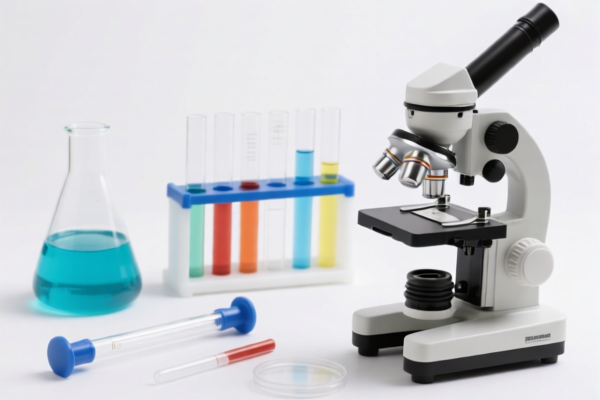
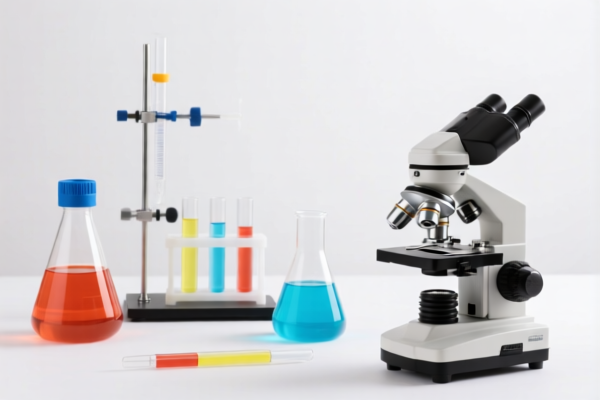

AI Analysis
🧪 Plastic Laboratory Accessories
🌐 HS Code Reference & Customs Clearance Guide | 2026 Latest Tariff Analysis | Professional Clearance Strategy
📌 I. Product Definition & Classification: What are "Plastic Laboratory Accessories"?
Plastic Laboratory Accessories are non-metallic components, inserts, or devices used in scientific research, clinical testing, and educational laboratories. They are primarily made of polymer materials (such as PP, PE, PS, PVC) and serve various functions including sample containment, fluid handling, or experimental support.
In international trade, the classification hinges on two critical factors: 1. Function & Purpose: Is it a generic plastic article (Chapter 39) or a specific scientific instrument part (Chapter 90)? 2. Form: Is it a standalone accessory/item or a generic part/component?
⚠️ Key Distinction Point:
- If the item is a generic plastic article used in labs (e.g., bottles, cups, generic holders), it falls under Chapter 39.
- If the item is a specific part or component of a scientific/medical instrument, or designed for demonstration/educational equipment, it may fall under Chapter 90.
- Petri Dishes have specific subcategories based on whether they are generic plastic goods or specialized labware.
📦 II. HS Code Classification Details (2026 Latest Tariff Authority Comparison)
| HS Code | Product Description | Application Scenario | Tax Rate (China to US) | Classification Logic |
|---|---|---|---|---|
3926.90.99.10 |
Plastic Lab Accessories (Generic) | Generic plastic items used in labs (e.g., non-specific holders, racks, generic containers). | 22.8% | Classified as "Other articles of plastics." The summary explicitly states "Purpose: Lab." |
9023.00.00.00 |
Plastic Lab Parts/Components | Plastic parts/components for scientific instruments. No conflict with demonstration/educational use. | 17.5% | Classified under "Instruments, apparatus and models, designed for demonstrational purposes... Parts and accessories." |
3926.20.40.50 |
Plastic Petri Dishes (Specific Category) | Plastic Petri dishes. Classified under "Other plastic articles" with specific subheading for labware. | 16.5% | Specific subheading for Petri dishes takes precedence over generic "other articles." |
3926.90.99.10 |
Plastic Petri Dishes (Generic/Alternative) | Plastic Petri dishes classified under generic "other articles of plastics." | 22.8% | If not specifically coded under 3926.20, it defaults to the generic higher-tariff category. |
🔍 Key Reminder:
- Petri Dishes: Prefer3926.20.40.50(16.5%) if specific, avoid3926.90.99.10(22.8%) to save costs.
- Accessories vs. Parts: "Accessories" (3926) are usually generic plastic items. "Parts/Components" for instruments (9023) have a lower base tariff (0%) but still face surcharges.
- Total Cost: Always calculate the Total Tax including surcharges, not just the base rate.
💰 III. 2026 Latest Tariff Rate Breakdown (Including Surcharges & Policy Add-ons)
✅ Applicable Country: United States (US)
✅ Origin: China (CN)
✅ Effective Time: Current (Includes Section 301 and Section 122 provisions)
🎯 1. 3926.90.99.10 —— Plastic Lab Accessories / Generic Petri Dishes
| Item | Content |
|---|---|
| Base Tariff | 5.3% |
| Section 301 Surcharge | +7.5% |
| Section 122 Tariff | +10.0% |
| Total Tax Rate | 22.8% |
| Tax Calculation | CIF Value × 22.8% |
| De Minimis Exemption | ❌ Not Available (Section 301/122 duties apply regardless of value) |
| Legal Basis Path | HTSUS: 3926.90.99.10 → Section 301: 7.5% → Section 122: 10% |
📌 Explanation:
- This is the default generic category for plastic lab items not specifically exempted.
- Total 22.8% is significant. Even though the base duty is low (5.3%), the surcharges add 17.5%.
- Warning: Do not assume low base duty means low total cost.
🎯 2. 9023.00.00.00 —— Plastic Lab Parts/Components
| Item | Content |
|---|---|
| Base Tariff | 0.0% |
| Section 301 Surcharge | +7.5% |
| Section 122 Tariff | +10.0% |
| Total Tax Rate | 17.5% |
| Tax Calculation | CIF Value × 17.5% |
| De Minimis Exemption | ❌ Not Available |
| Legal Basis Path | HTSUS: 9023.00.00.00 → Section 301: 7.5% → Section 122: 10% |
📌 Advantage:
- Savings: 5.3% cheaper than3926.90.99.10due to 0% base duty.
- Condition: Must clearly be "parts or components" of scientific instruments, not generic labware.
- Strategy: If your product is a specific part of a larger device, push for this classification.
🎯 3. 3926.20.40.50 —— Plastic Petri Dishes (Specific)
| Item | Content |
|---|---|
| Base Tariff | 6.5% |
| Section 301 Surcharge | +0.0% (Exempt/Not Applied to this subheading) |
| Section 122 Tariff | +10.0% |
| Total Tax Rate | 16.5% |
| Tax Calculation | CIF Value × 16.5% |
| De Minimis Exemption | ❌ Not Available |
| Legal Basis Path | HTSUS: 3926.20.40.50 → Section 122: 10% |
📌 Best Option for Petri Dishes:
- This is the lowest tax rate (16.5%) for Petri dishes.
- Key Difference: Section 301 (7.5%) does not apply to this specific subheading.
- Strategy: Always specify "Petri Dish" in description to aim for3926.20.40.50.
🛠️ IV. Customs Clearance Practical Advice (Battle-Tested Pitfall Avoidance)
✅ 1. Required Documentation Checklist (Non-negotiable)
| Document | Mandatory? | Description |
|---|---|---|
| ✅ Product Specification Sheet | ✔️ | Material type (PP, PE, etc.), dimensions, sterilization status. |
| ✅ Product Photos | ✔️ | Clear images of the item, labeling, and packaging. Must distinguish from "generic plastic goods" if claiming 9023. |
| ✅ Commercial Invoice | ✔️ | Accurate description. E.g., "Plastic Petri Dishes, Sterile" vs. "Plastic Containers." |
| ✅ Packing List | ✔️ | Item count, weight, dimensions. |
| ✅ Certificate of Origin | ✔️ | Required for origin verification (China). |
| ✅ FDA Registration (if applicable) | ✔️ | If items contact food/drugs, FDA prior notice may be required. |
✅ 2. Declaration Tips (Key Mnemonics)
🔥 "Be Specific, Get Lower Rates: 'Petri' beats 'Accessory', 'Part' beats 'Generic'!"
| Scenario | Correct Declaration | Wrong Declaration | Consequence |
|---|---|---|---|
| Petri Dishes | "Plastic Petri Dishes, Sterile, for Lab Use" | "Plastic Lab Accessories" | Saves 6.3% (16.5% vs 22.8%) |
| Instrument Parts | "Plastic Components for Spectrophotometer" | "Plastic Lab Accessories" | Saves 5.3% (17.5% vs 22.8%) |
| Generic Racks/Holders | "Plastic Lab Accessories" | "Parts of Instruments" | Risk of misclassification penalty if not truly instrument parts. |
| Mixed Items | Separate lines for Petri Dishes and Other Accessories | One line for "Lab Supplies" | High audit risk, potential 22.8% on all items. |
✅ 3. Special Case Handling
| Situation | Handling Advice |
|---|---|
| OEM Custom Labware | Provide design specs. If unique to a device, argue for 9023. |
| Sterile vs. Non-Sterile | Sterile items may require additional FDA documentation. Does not change HS code but affects clearance time. |
| Sample Kits | If part of a demonstration/educational kit, 9023.00.00.00 may apply. Ensure "demonstration" purpose is clear. |
| High-Value Precision Tools | If plastic part is critical for instrument accuracy, push for 9023. |
🌍 V. Global Market Customs Comparison (2026 Latest)
| Country/Region | Recommended HS Code | Tariff Rate (China Origin) | Certification Requirements | Notes |
|---|---|---|---|---|
| 🇺🇸 USA | 3926.20.40.50 (Petri) / 9023.00.00.00 (Parts) |
16.5% (Petri) / 17.5% (Parts) | FDA (if applicable), Section 301/122 apply | High Surcharges: 301+122 add significant cost. |
| 🇨🇳 China | 3926.20.40.50 / 9026.90.99 |
~5-9% | CCC (if electrical, but plastic is usually exempt) | No Section 301/122. Lower base rates. |
| 🇪🇺 EU | 3926.90.99 / 9023.00.00 |
0-4.5% | CE Marking (if applicable), REACH | No Section 301/122 equivalent. |
| 🇬🇧 UK | 3926.90.99 / 9023.00.00 |
0-4.5% | UKCA Marking | Post-Brexit tariffs similar to EU for many goods. |
| 🇦🇺 Australia | 3926.90.99 / 9023.00.00 |
5% | ACMA (if electronic), TGA (if medical) | No major surcharges on plastic labware. |
📌 Conclusion:
- USA is the most expensive market for plastic lab accessories due to Section 301 (7.5%) + Section 122 (10%) surcharges.
- Petri Dishes have a slight advantage (16.5%) if specifically coded.
- Parts/Components (9023) offer a middle ground (17.5%) but require strict functional proof.
📌 VI. Common Mistakes & Pitfall Guide (Lessons from the Field)
❌ Mistake 1: Declaring "Petri Dishes" as "Plastic Lab Accessories"
👉 Result: Pay 22.8% instead of 16.5%. Overpaid by 6.3% on every shipment.
❌ Mistake 2: Declaring "Plastic Stands/Racks" as "Parts of Instruments" (9023)
👉 Result: Customs rejects, reclassifies to 3926.90.99.10 (22.8%). Delay + Penalties.
👉 Why: Stands are generic, not specific parts of a single instrument.
❌ Mistake 3: Ignoring Section 122 Tariffs
👉 Result: Underestimating landed cost. Section 122 adds 10% regardless of HS code for most Chinese plastics.
❌ Mistake 4: Vague Description ("Lab Supplies")
👉 Result: Customs officer chooses the highest duty rate or requests additional documentation.
✅ Correct Approach:
"Sterile Plastic Petri Dishes, PP, 90mm, for Microbiology Lab Use"
→ HS: 3926.20.40.50 | Tax: 16.5%
🎯 VII. Conclusion: Precise Classification Saves Money!
🎯 Remember the Golden Rules:
🔹 "Petri Dishes: Be Specific (3926.20) to Save 6.3%."
🔹 "Parts vs. Accessories: Prove Instrument Use for 5.3% Savings."
🔹 "US Imports: Expect 16.5%-22.8% Total Tax. Plan Accordingly."
📌 Pro Tip:
- If your product is strictly a part of a medical/scientific device, provide the device's HS code in your declaration to justify 9023.00.00.00.
- For Petri Dishes, always use the specific subheading 3926.20.40.50. Never default to "other plastics."
📣 Immediate Action:
📞 Consult your freight forwarder with product photos + specific use case.
📄 Apply for an Advance Ruling if shipping large volumes.
🚀 Optimize your HS Code today to reduce landed costs by up to 6%!
✨ Professional Customs Clearance Starts with Accurate Classification!
💼 Every Percent Matters in the Lab Supply Chain!
Customer Reviews
About HS Code Classification
The Harmonized System (HS) is an internationally standardized nomenclature developed by the World Customs Organization (WCO) to classify traded products. Over 200 countries use the HS system as the basis for customs tariffs, trade statistics, and import/export regulations.
Each HS code follows a hierarchical structure:
- Chapter (2 digits) — Broad category of goods (e.g., Chapter 84: Machinery and Mechanical Appliances)
- Heading (4 digits) — More specific grouping within the chapter
- Subheading (6 digits) — Internationally standardized breakdown, used by all WCO member countries
- National subdivisions (8-10 digits) — Country-specific extensions for further classification, such as US HTSUS 10-digit codes
Correct HS code classification is essential for smooth customs clearance, accurate duty payment, and compliance with trade regulations. Misclassification can lead to customs delays, overpayment of duties, or penalties.
When importing from CN to US, the applicable tariff rates may include:
- Most-Favored-Nation (MFN) rate — The standard duty rate applied to WTO members
- General rate — Applied to countries without trade agreements
- Trade remedy duties — Additional tariffs such as Section 301 (anti-dumping), Section 232 (national security), or countervailing duties
The information provided on this page is for reference purposes only. For official classification, please consult with your local customs authority or a licensed customs broker.