Plastic Laboratory Petri Dish
CN → US| HS Code | Tariff Rate | Origin | Destination | Doc |
|---|---|---|---|---|
| 9027898060 | 35.0% | CN | US | Official Doc |
| 9027898030 | 35.0% | CN | US | Official Doc |
| 7017905000 | 41.7% | CN | US | Official Doc |
| 7017200000 | 41.7% | CN | US | Official Doc |
| 3926909910 | 22.8% | CN | US | Official Doc |
| 3926909989 | 22.8% | CN | US | Official Doc |
Product Images
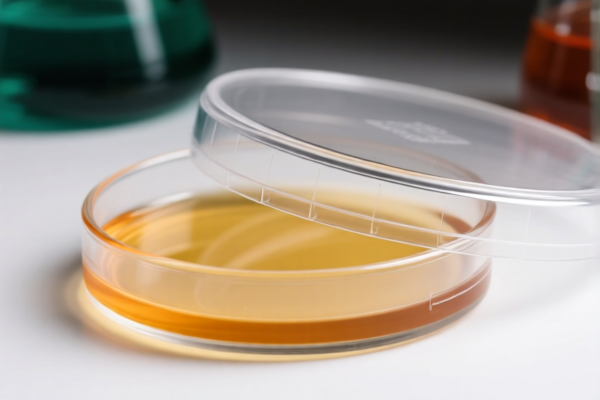
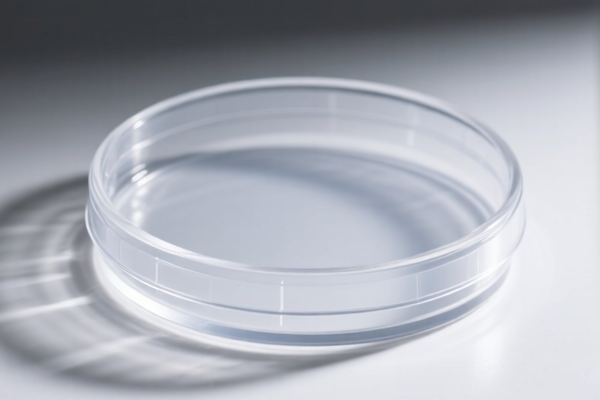
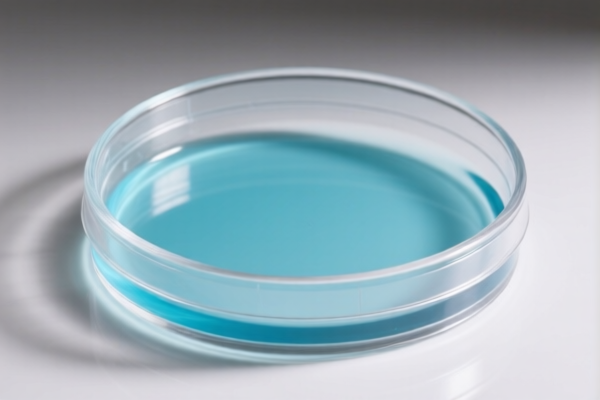
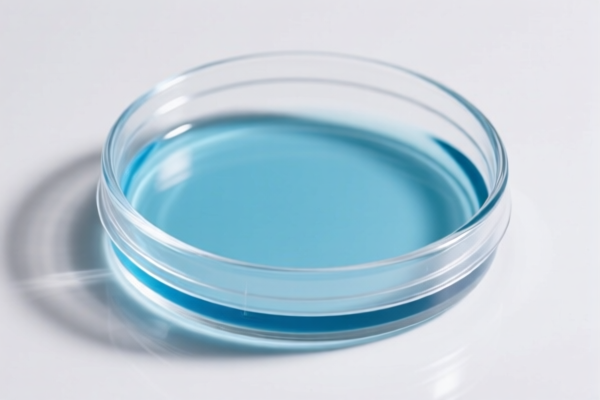
AI Analysis
🧫 Petri Dishes (Plastic Laboratory Ware)
🌐 HS Code Reference & Customs Clearance Guide | 2026 Latest Tariff Analysis | Strategic Customs Strategy
📌 I. Product Definition & Classification: Do You Really Understand "Plastic Petri Dishes"?
Plastic Petri Dishes are essential consumables in microbiology, clinical diagnostics, and environmental testing. Unlike glass petri dishes, plastic ones are typically disposable, sterile, and made from polymers like Polystyrene (PS) or Polypropylene (PP).
In international trade, they fall into two main categories:
1. Laboratory Glassware (If Glass): Note: Your input specifies "Plastic," so this category is generally excluded unless mislabeled.
2. Plastic Laboratory Ware: Classified under Chapter 39 (Plastics).
⚠️ Critical Distinction:
- If the product is plastic, it belongs to Chapter 39.
- If the product is glass, it belongs to Chapter 70.
- Do not confuse "Plastic Lab Ware" with "Plastic Industrial Parts." The key is the specific designation as "Laboratory Ware" in the subheading description.
📦 II. HS Code Classification Details (2026 Latest Tariff Authority Comparison)
Based on the provided data, here are the applicable HS Codes for Plastic Laboratory Petri Dishes:
| HS Code | Product Description | Applicability | Material |
|---|---|---|---|
3926.90.99.10 |
Other articles of plastics and articles of other materials of headings 3901 to 3914: Other: Other Laboratory Ware | Sterile/disposable plastic petri dishes, culture plates, flasks | ✅ Plastic |
3926.90.99.89 |
Other articles of plastics and articles of other materials of headings 3901 to 3914: Other: Other Other | Non-lab specific plastic items (e.g., plastic trays, generic containers) | ✅ Plastic |
🔍 Key Reminder:
-3926.90.99.10is the correct code for plastic petri dishes because they are explicitly defined as "Laboratory Ware".
-3926.90.99.89is for general plastic goods not designated as lab ware. Using this code for petri dishes is a misclassification error.
- Glass petri dishes would fall under7017.90.50.00(Laboratory, hygienic or pharmaceutical glassware), but since your product is plastic, this code does not apply.
💰 III. 2026 Latest Tariff Rate Breakdown (Including Additional Taxes & Policy Surcharges)
✅ Applicable Country: United States (US)
✅ Origin: China (CN)
✅ Effective Time: 2025 onwards (subject to current trade policies)
🎯 1. 3926.90.99.10 —— Plastic Laboratory Ware (Correct Code for Petri Dishes)
| Item | Details |
|---|---|
| Base Tariff | 0.0% (Ad Valorem) |
| Section 301 Additional Tariff | 0.0% |
| Total Tax Rate | 0.0% |
| Tax Calculation | CIF Value × 0% = $0 |
| De Minimis Eligibility | ❌ Not Applicable (Since tax is 0%, de minimis isn't a saving mechanism here, but the item is duty-free) |
| Legal Basis Path | USITC:3926.90.99.10 |
📌 Explanation:
- Plastic laboratory ware (including petri dishes) enjoys a 0% base tariff and no additional Section 301 surcharge in this specific subheading.
- This makes it a highly competitive product for import into the US from China, compared to many other plastic goods.
- Why 0%? The US tariff schedule distinguishes "Laboratory Ware" from general "Plastic Articles," granting it preferential duty treatment.
⚠️ 2. 3926.90.99.89 —— Other Plastic Articles (Misclassification Risk)
| Item | Details |
|---|---|
| Base Tariff | 5.3% |
| Section 301 Additional Tariff | 7.5% |
| Total Tax Rate | 12.8% |
| Tax Calculation | CIF Value × 12.8% |
| De Minimis Eligibility | ❌ Not eligible for de minimis if value exceeds $800 |
📌 Warning:
- If you incorrectly classify plastic petri dishes as "Other Plastic Articles" (...99.89), you will pay 12.8% in taxes instead of 0%.
- Do not use this code unless the product is NOT for laboratory use.
❌ 3. 7017.90.50.00 —— Glass Laboratory Ware (For Reference Only)
| Item | Details |
|---|---|
| Base Tariff | 6.7% |
| Section 301 Additional Tariff | 25.0% |
| Total Tax Rate | 31.7% |
| Tax Calculation | CIF Value × 31.7% |
📌 Note:
- This code is for glass petri dishes.
- Plastic petri dishes cannot be classified here. Misclassifying plastic as glass leads to overpayment and potential customs penalties.
🛠️ IV. Customs Clearance Practical Advice (Real-World Pitfall Avoidance)
✅ 1. Document Preparation Checklist (No Exceptions)
| Document | Required? | Description |
|---|---|---|
| ✅ Product Specification Sheet | ✔️ | Must state: "Plastic Petri Dish," Material (PS/PP), Sterile/Non-sterile, Dimensions, Volume (e.g., 90mm x 15mm). |
| ✅ Product Photos | ✔️ | Clear images showing the dish, lid, packaging, and material label. |
| ✅ Commercial Invoice | ✔️ | Must describe as "Plastic Laboratory Petri Dish", NOT "Plastic Container" or "Food Container." |
| ✅ Packing List | ✔️ | Specify quantity per box, total boxes, and gross/net weight. |
| ✅ Material Declaration | ✔️ | Confirm no metal or glass components. |
✅ 2. Declaration Tips (Key Mantras)
🔥 "Plastic Lab Ware, Code .10, Zero Tax! Don't Say 'Other,' Stay on Track!"
| Scenario | Correct Declaration | Wrong Declaration |
|---|---|---|
| Plastic Petri Dish | 3926.90.99.10 (Plastic Laboratory Ware) |
3926.90.99.89 (Other Plastic Articles) → 12.8% Tax |
| Glass Petri Dish | 7017.90.50.00 (Glass Lab Ware) |
3926.90.99.10 → Classification Error |
| Plastic Food Container | 3926.90.99.89 (Other) |
3926.90.99.10 → Misclassification |
📌 Key Advice:
- Always use the term "Laboratory Ware" in the description.
- Avoid generic terms like "Plastic Box" or "Container."
- If the product is sterile, mention "Sterile Plastic Petri Dish" to reinforce its medical/lab purpose.
✅ 3. Special Case Handling
| Scenario | Handling Advice |
|---|---|
| Sterile vs. Non-Sterile | Both fall under 3926.90.99.10. Sterility is a quality attribute, not a classification driver. |
| With or Without Lid | As long as it's a petri dish (base + lid), it's lab ware. |
| Custom Printed Labels | Still 3926.90.99.10 if primarily for lab use. |
| Bulk Packaging | Ensure the invoice reflects the end-use (laboratory) clearly. |
🌍 V. Global Market Customs Comparison (2026 Latest)
| Country/Region | Recommended HS Code | Tariff Rate | Notes |
|---|---|---|---|
| 🇺🇸 USA | 3926.90.99.10 |
0.0% | Best Market for Plastic Lab Ware |
| 🇨🇳 China | 3926.90.99.10 |
~6-10% | Domestic consumption; check local VAT |
| 🇪🇺 EU | 3926.90.99 |
0-6.5% | Varies by member state; CE marking required for medical use |
| 🇬🇧 UK | 3926.90.99 |
0-6.5% | Post-Brexit tariffs apply |
| 🇯🇵 Japan | 3926.90.90 |
5-6% | Pharmaceutical grade may require PMDA approval |
📌 Conclusion:
- The USA offers the lowest duty rate (0%) for plastic laboratory ware.
- Ensure your documentation explicitly states "Laboratory Ware" to qualify for this rate.
📌 VI. Common Mistakes & Pitfall Avoidance (Lessons Learned)
❌ Mistake 1: Classifying plastic petri dishes as 3926.90.99.89 (Other Plastic Articles)
👉 Consequence: Pay 12.8% tax instead of 0%. Lost profit!
❌ Mistake 2: Using generic terms like "Plastic Container" on the invoice
👉 Consequence: Customs may classify as ...99.89 due to lack of specificity. Audit risk!
❌ Mistake 3: Confusing plastic with glass (7017.90.50.00)
👉 Consequence: Overpaying 31.7% on a product that should be 0%. Financial loss!
❌ Mistake 4: Not specifying "Laboratory" in the description
👉 Consequence: Customs may question the lab use. Delays and inspections!
✅ Correct Practice:
"Sterile Plastic Petri Dish, Polystyrene, 90mm x 15mm, for Microbiological Culture, Pack of 100"
🎯 VII. Conclusion: Precise Classification, Maximize Profit!
🎯 Remember the Mantra:
🔹 "Plastic Lab Ware, Code .10, Zero Duty! Be Specific, Stay Smooth!"
🔹 "HS Code 3926.90.99.10 is your golden ticket for plastic petri dishes!"
📌 Pro Tip:
If your plastic petri dishes are intended for medical diagnostics, ensure they comply with FDA regulations (if sold in the US). While the tariff is 0%, regulatory compliance is critical for market access.
📣 Immediate Action:
📞 Contact Your Customs Broker
📄 Provide Product Specs
📝 Declare as "Plastic Laboratory Ware"
🚀 Enjoy 0% Duty and Smooth Clearance!
✨ Professional Customs Clearance Starts with Accurate Classification!
💼 Every Percentage Point Counts in Global Trade!
Customer Reviews
About HS Code Classification
The Harmonized System (HS) is an internationally standardized nomenclature developed by the World Customs Organization (WCO) to classify traded products. Over 200 countries use the HS system as the basis for customs tariffs, trade statistics, and import/export regulations.
Each HS code follows a hierarchical structure:
- Chapter (2 digits) — Broad category of goods (e.g., Chapter 84: Machinery and Mechanical Appliances)
- Heading (4 digits) — More specific grouping within the chapter
- Subheading (6 digits) — Internationally standardized breakdown, used by all WCO member countries
- National subdivisions (8-10 digits) — Country-specific extensions for further classification, such as US HTSUS 10-digit codes
Correct HS code classification is essential for smooth customs clearance, accurate duty payment, and compliance with trade regulations. Misclassification can lead to customs delays, overpayment of duties, or penalties.
When importing from CN to US, the applicable tariff rates may include:
- Most-Favored-Nation (MFN) rate — The standard duty rate applied to WTO members
- General rate — Applied to countries without trade agreements
- Trade remedy duties — Additional tariffs such as Section 301 (anti-dumping), Section 232 (national security), or countervailing duties
The information provided on this page is for reference purposes only. For official classification, please consult with your local customs authority or a licensed customs broker.