Plastic Makeup Box
CN → US| HS Code | Tariff Rate | Origin | Destination | Doc |
|---|---|---|---|---|
| 3923300090 | 38.0% | CN | US | Official Doc |
| 3923300010 | 38.0% | CN | US | Official Doc |
| 3924905650 | 20.9% | CN | US | Official Doc |
| 3924104000 | 13.4% | CN | US | Official Doc |
| 3926909989 | 22.8% | CN | US | Official Doc |
Product Images
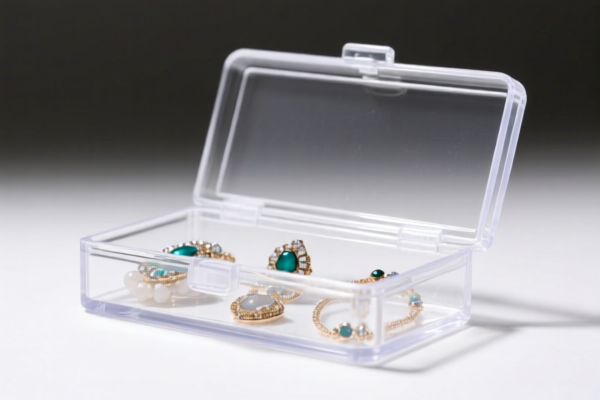
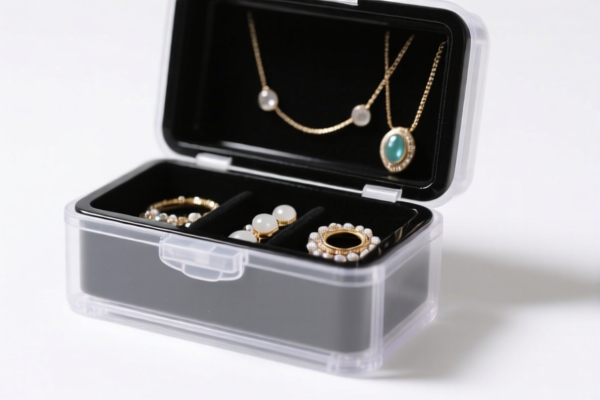
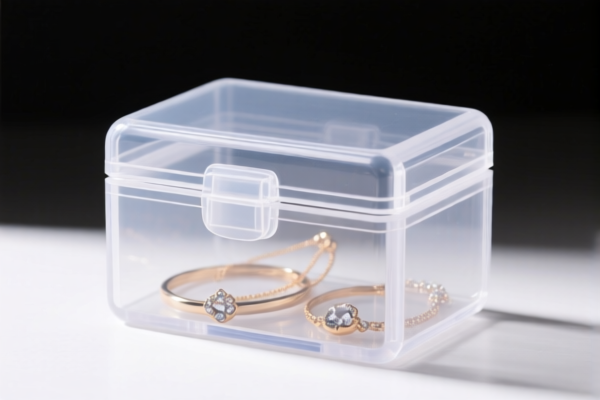
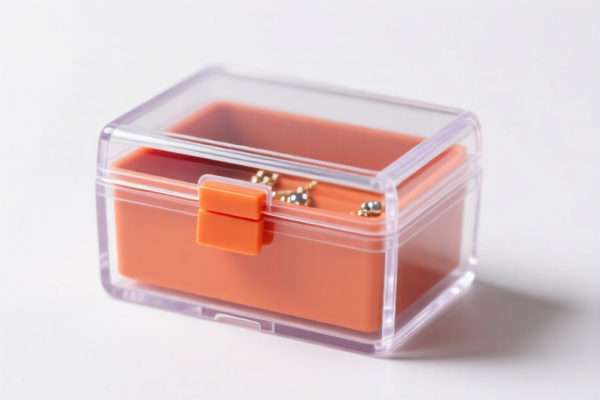
AI Analysis
Here is the comprehensive Wiki-Style Guide for Plastic Makeup Boxes, tailored to the specific HS Codes and Tax Details provided in your data.
🖥️ Plastic Makeup Boxes (Plastic Cosmetic Containers)
🌐 HS Code Reference & Clearance Guide | 2026 Duty Breakdown | Professional Logistics Strategy
📌 一、Product Definition & Classification: Do You Know Your "Plastic Box"?
Plastic Makeup Boxes are versatile containers used to organize, store, and transport cosmetics, skincare products, and bathroom essentials. In international trade, the classification depends heavily on Form (Bottle vs. Box) and Specific Use (Hygiene vs. General Storage).
Two Main Classification Paths:
1. General Hygiene & Household Containers: Designed for daily use in bathrooms or kitchens, often with a specific sanitary function. (e.g., Soap dispensers, toothbrush holders).
* Typical HS Codes: 3924.90.56.50, 3924.10.40.00.
2. Bottles, Jars, & Tubes: Specifically shaped as bottles for liquids or creams.
* Typical HS Codes: 3923.30.00.90, 3923.30.00.10.
3. General Storage/Trays: Generic plastic trays or organizers without a specific "bottle" shape.
* Typical HS Code: 3926.90.10.00.
⚠️ Key Differentiation Point:
- Hygiene/Household Use → Often falls under Chapter 39.24 (Tableware, Kitchen, and Toilet Articles). - Bottle Shape → Strictly falls under Chapter 39.23 (Bottles, Jars, and Tubes). - Generic Tray/Storage → Falls under Chapter 39.26 (Other Articles of Plastics).
📦 二、HS Code Classification Details (2026 Tax Regime)
| HS Code | Product Description | Specific Use/Form | Tax Rate |
|---|---|---|---|
3924.90.56.50 |
Plastic Makeup/Toilet Articles | Hygiene/Household: Sanitary or toilet supplies, general household items. | 20.9% |
3923.30.00.90 |
Plastic Bottles (Cosmetic) | Form: Bottles (Any use, primarily packaging). | 38.0% |
3923.30.00.10 |
Plastic Bottles (Packaging) | Form: Bottles; Use: Packaging supplies. | 38.0% |
3924.10.40.00 |
Plastic Tableware/Toilet Articles | Hygiene/Household: Specifically for hygiene, toilet, or kitchen use. | 13.4% |
3926.90.10.00 |
Plastic Artifacts/Containers | Form: Generic Artifacts; Use: Storage boxes/trays (not specifically bottles). | 20.9% |
🔍 Critical Observation:
- Bottles (3923.30) attract the highest tariff (38.0%) due to specific "Bottle" classification rules. - Household/Hygiene Boxes (3924.10) enjoy the lowest tariff (13.4%) if the product is clearly marketed for toilet/hygiene use. - Generic Storage (3926.90) sits in the middle (20.9%), similar to the specific hygiene code3924.90.
💰 三、Detailed Tax Breakdown (2026 Tariff Structure)
✅ Context: Based on the provided data (Likely China Export to US/International Market subject to Section 301/122 measures).
✅ Components: Base Duty + Additional Duty (Section 301) + Section 122 Duty.
🎯 1. The "Bottles" Scenario: High Cost
Codes: 3923.30.00.90 & 3923.30.00.10
Total Tax: 38.0%
| Component | Rate | Description |
|---|---|---|
| Base Duty | 3.0% | Standard MFN tariff for plastic bottles. |
| Section 301 (Additional) | 25.0% | "Additional Duty" (US Trade Act) applied to Chinese imports. |
| Section 122 Duty | 10.0% | Specific 122-Clause tariff for plastic articles. |
| Total Calculation | 3.0 + 25.0 + 10.0 = 38.0% | High Barrier |
📌 Explanation:
The 38.0% rate is driven by the 25.0% Section 301 additional duty + 10% Section 122. This is the most expensive classification. If your product is a bottle (even a small cosmetic tube), it pays this rate.
🎯 2. The "Generic Storage" Scenario: Moderate Cost
Codes: 3926.90.10.00 & 3924.90.56.50
Total Tax: 20.9%
| Component | Rate | Description |
|---|---|---|
| Base Duty | 3.4% | Standard tariff for other plastic articles. |
| Section 301 (Additional) | 7.5% | Reduced "Additional Duty" (vs. 25% for bottles). |
| Section 122 Duty | 10.0% | The standard 10% Section 122 levy applies. |
| Total Calculation | 3.4 + 7.5 + 10.0 = 20.9% | Moderate Barrier |
📌 Explanation:
These codes benefit from a lower Section 301 surcharge (7.5% vs 25%). This happens when the item is classified as a "box," "tray," or general "artifact" rather than a "bottle."
🎯 3. The "Best Case" Scenario: Lowest Cost
Code: 3924.10.40.00
Total Tax: 13.4%
| Component | Rate | Description |
|---|---|---|
| Base Duty | 3.4% | Standard tariff for toilet/household articles. |
| Section 301 (Additional) | 0.0% | EXEMPT from additional duty! |
| Section 122 Duty | 10.0% | 122-Clause tax applies. |
| Total Calculation | 3.4 + 0.0 + 10.0 = 13.4% | Lowest Barrier |
📌 Explanation:
This is the golden ticket!3924.10.40.00is for Tableware and Household/Hygiene items. The Section 301 Additional Duty is 0%. If you can prove the makeup box is for "Hygiene or Toilet Use" (e.g., a bathroom organizer), you save 25% + 7.5% = 32.5% in extra taxes compared to bottles.
🛠️ 四、Customs Clearance Strategies & Practical Advice
✅ 1. Classification Strategy (The "Save 25%" Rule)
- Avoid "Bottle" Language: If your product is a tray, box, or jar (not a squeeze bottle), do NOT declare it as "Plastic Bottles" (
3923.30). - Push for
3924.10.40.00: Frame your product description as "Bathroom Organizer," "Hygiene Storage Box," or "Toilet Accessory."- Goal: Qualify for the 0% Additional Duty and hit 13.4% total.
- Accept
3926.90or3924.90: If it's a storage box for general use, target the 20.9% rate (vs. 38.0%).
✅ 2. Documentation Checklist
| Document | Requirement | Why? |
|---|---|---|
| Product Photos | High-res images of the box, open/close mechanism. | Proves it is a "Box/Tray," not a "Bottle." |
| Usage Statement | Explicitly state: "Used for bathroom hygiene, toothbrush storage, or cosmetic organization." | Justifies 3924.10 classification. |
| Material Spec | "100% Plastic (PP/PE/ABS)." | Confirms Chapter 39. |
| Commercial Invoice | CRITICAL: Do NOT use "Plastic Bottle" in the description. Use "Plastic Makeup Storage Box." | Prevents automated flags for 3923.30. |
✅ 3. Declaration Wording (Copy & Paste)
❌ BAD: "Plastic Makeup Bottle, 50ml, Cosmetic Container."
(Result:3923.30→ 38.0% Tax)✅ GOOD: "Plastic Makeup Storage Box, Bathroom Hygiene Accessory, Cosmetic Organizer Tray, No Lid Mechanism."
(Result:3924.10→ 13.4% Tax)
⚠️ 五、Common Pitfalls (Red Flags)
| Mistake | Consequence | Solution |
|---|---|---|
| Mislabeling a Box as a Bottle | Paying 38.0% instead of 13.4% or 20.9%. | Audit your SKU photos. Is it a bottle shape or a rectangular box? |
| Ignoring Section 122 | Forgetting that 10% is added to ALL plastic codes in this data. | Include the 122 duty in your margin calculation immediately. |
| Vague Description | "Plastic Container" → Customs may guess the highest duty code (3923.30). |
Be specific: "Hygiene Box" or "Storage Tray." |
| Missing "Hygiene" Link | 3924.10 requires a link to hygiene/toilet. |
Ensure packaging/marketing mentions "Bathroom," "Toilet," or "Hygiene." |
🌍 六、Cost Saving Summary
| Classification | HS Code | Tax Rate | Tax Difference vs. Bottles |
|---|---|---|---|
| Best (Hygiene Box) | 3924.10.40.00 |
13.4% | Save 24.6% |
| Medium (Storage) | 3926.90.10.00 |
20.9% | Save 17.1% |
| Worst (Bottles) | 3923.30.00.90 |
38.0% | Baseline |
💡 Pro Tip:
If your "Makeup Box" is a rectangular tray for holding lipsticks or brushes, always declare under3924.10.40.00(if hygiene linked) or3926.90.10.00. Never declare as a "Bottle."
🎯 七、Conclusion: Optimize Your HS Code for Profit
🎯 Final Advice:
"Don't call it a bottle if it's a box! Call it a hygiene box, and save 25% in tariffs!"
- Review your design: Is it truly a bottle? If not, push for
3924.10. - Check the description: Ensure "Hygiene" or "Toilet" keywords are present on the invoice.
- Calculate margins: A 24.6% tax difference can make or break your profitability.
✨ Professional Clearance starts with the right HS Code.
💼 Your margin is protected by precision.
Customer Reviews
About HS Code Classification
The Harmonized System (HS) is an internationally standardized nomenclature developed by the World Customs Organization (WCO) to classify traded products. Over 200 countries use the HS system as the basis for customs tariffs, trade statistics, and import/export regulations.
Each HS code follows a hierarchical structure:
- Chapter (2 digits) — Broad category of goods (e.g., Chapter 84: Machinery and Mechanical Appliances)
- Heading (4 digits) — More specific grouping within the chapter
- Subheading (6 digits) — Internationally standardized breakdown, used by all WCO member countries
- National subdivisions (8-10 digits) — Country-specific extensions for further classification, such as US HTSUS 10-digit codes
Correct HS code classification is essential for smooth customs clearance, accurate duty payment, and compliance with trade regulations. Misclassification can lead to customs delays, overpayment of duties, or penalties.
When importing from CN to US, the applicable tariff rates may include:
- Most-Favored-Nation (MFN) rate — The standard duty rate applied to WTO members
- General rate — Applied to countries without trade agreements
- Trade remedy duties — Additional tariffs such as Section 301 (anti-dumping), Section 232 (national security), or countervailing duties
The information provided on this page is for reference purposes only. For official classification, please consult with your local customs authority or a licensed customs broker.