Plastic Manual Blinds
CN → US| HS Code | Tariff Rate | Origin | Destination | Doc |
|---|---|---|---|---|
| 3916200020 | 40.8% | CN | US | Official Doc |
| 3925305000 | 22.8% | CN | US | Official Doc |
| 3925301000 | 20.8% | CN | US | Official Doc |
| 3926305000 | 22.8% | CN | US | Official Doc |
| 3926909989 | 22.8% | CN | US | Official Doc |
Product Images
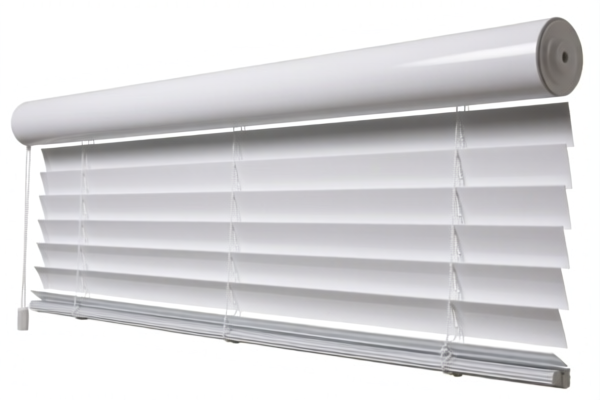
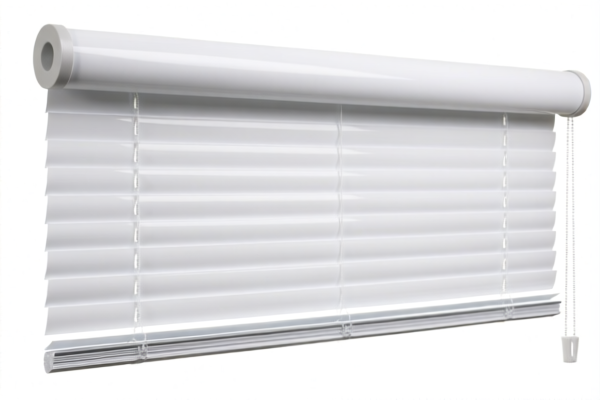
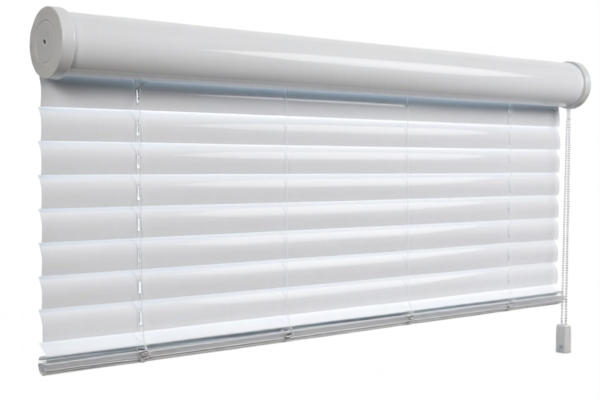
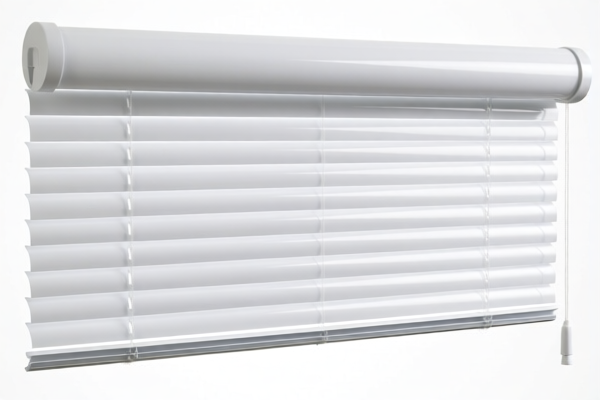
AI Analysis
🪟 Plastic Manual Blinds (Plastic Window Louvers)
🌐 HS Code Reference & Customs Clearance Guide | 2026 Latest Tariff Analysis | Professional Strategy for US Imports
📌 I. Product Definition & Classification: Are You Classifying "Plastic Blinds" Correctly?
Plastic Manual Blinds are essential architectural components used for light control, privacy, and insulation in residential and commercial buildings. In international trade, classification hinges on the material, form, and function of the product. The provided data highlights five distinct HS Code classifications, ranging from high-tariff polymer profiles to standard plastic fittings.
⚠️ Critical Distinction:
- If the blinds are made of Chlorinated Polymer Profiles specifically defined for windows, they may fall under a different, higher-tariff category (3916.20.00.20).
- If they are standard Plastic Building Accessories (slats, headrails, cords), they generally fall under 3925.30 or 3926.30/90.
- The difference can mean a ~20% difference in total tax burden. Precision is key!
📦 II. HS Code Classification Details (Based on Provided Data)
| HS Code | Product Description | Application / Logic | Total Tax Rate |
|---|---|---|---|
3916.20.00.20 |
Plastic Exterior Window Blinds, Material: Plastic | Chlorinated Polymer Profiles. Fits the definition of profiles used for window structures. | 40.8% |
3925.30.50.00 |
Plastic Exterior Window Blinds, Material: Plastic | Building Accessories. Classified as blinds within plastic building attachments. | 22.8% |
3925.30.10.00 |
Plastic Exterior Window Blinds, Material: Plastic | Building Accessories. Classification explanation is "completely consistent" with blinds. | 20.8% |
3926.30.50.00 |
Plastic Exterior Window Blinds, Material: Plastic | Other Plastic Articles. Considered as window connectors or components; falls under "Other plastic articles". | 22.8% |
3926.90.99.89 |
Plastic Exterior Window Blinds / Curtains | Other Plastic Articles. "Catch-all" classification for other plastic blinds or curtains not specifically listed elsewhere. | 22.8% |
🔍 Key Insight:
-3916.20.00.20is the most expensive (40.8%) because it treats the product as "profiles" rather than finished accessories.
-3925.30.10.00is the most economical (20.8%) if the product strictly fits the "blinds" definition in plastic building accessories.
-3926.x.x.x.xcodes serve as alternatives if the product is seen as a component or general plastic item, carrying a moderate 22.8% rate.
💰 III. 2026 Latest Tariff Rate Breakdown (Including Additional Duties)
✅ Applicable Country: United States (US)
✅ Origin: China (CN) (Inferred from "Section 301" and "Section 122" references typical in such high-tariff US China trade data)
✅ Effective Time: 2026 Analysis based on provided data structure
🎯 1. 3916.20.00.20 —— Chlorinated Polymer Profiles (Window Definition)
| Item | Details |
|---|---|
| Base Duty | 5.8% |
| Section 301 Additional Duty | 25.0% |
| Section 122 Duty | 10.0% |
| Total Tax Rate | 40.8% |
| Tax Calculation | CIF Value × 40.8% |
| De Minimis Exemption | ❌ Not Applicable (High rates usually block $800 de minimis) |
| Legal Basis | High-tariff profile classification + US Trade remedies |
📌 Explanation:
- This classification is risky. If Customs determines the blinds are "profiles" rather than assembled blinds, this 40.8% rate applies.
- Avoid this if possible unless the product is literally unextruded profiles sold for assembly.
🎯 2. 3925.30.50.00 & 3926.x.x.x.x —— Plastic Building Accessories / Other Articles
| Item | Details |
|---|---|
| Base Duty | 3.3% (3925.30.10.00) or 5.3% (Others) |
| Section 301 Additional Duty | 7.5% |
| Section 122 Duty | 10.0% |
| Total Tax Rate | 20.8% (3925.30.10.00) or 22.8% (Others) |
| Tax Calculation | CIF Value × 20.8% / 22.8% |
| De Minimis Exemption | ❌ Likely Not Applicable due to Section 301/122 add-ons |
📌 Explanation:
-3925.30.10.00(20.8%) is the best-case scenario provided in the data. It requires proving the item is a "blinds" accessory for buildings.
-3925.30.50.00/3926.x.x.x.x(22.8%) are safer fallbacks but slightly more expensive. They classify the item as a general plastic fitting or connector.
🛠️ IV. Customs Clearance Practical Advice (Real-World Pitfall Guide)
✅ 1. Preparation Checklist (Non-Negotiable)
| Document | Required? | Purpose |
|---|---|---|
| ✅ Product Photos | ✔️ | Show slats, headrail, cords, and finish (exterior grade). |
| ✅ Material Specification | ✔️ | Confirm "Plastic" type (PVC, Polymer). Avoid ambiguous terms like "resin" without breakdown. |
| ✅ Usage Description | ✔️ | Explicitly state "Window Blinds" or "Window Louvers," NOT "Plastic Profiles." |
| ✅ Commercial Invoice | ✔️ | Must match the HS Code description exactly. |
| ✅ Packing List | ✔️ | Show items are assembled (if sold as blinds), not just raw extrusions. |
✅ 2. Declaration Tips (Key Mnemonic)
🔥 "Blind, Not Profile! Assemble, Don't Extrude!"
| Scenario | Correct HS Code | Error Consequence |
|---|---|---|
| Assembled Blinds (Slats + Headrail) | 3925.30.10.00 (20.8%) or 3925.30.50.00 (22.8%) |
If misclassified as profiles (3916...) → 40.8% Tax + Penalties! |
| Raw Plastic Profiles (For DIY assembly) | 3916.20.00.20 (40.8%) |
Only use this if you are selling raw material, not finished blinds. |
| Plastic Curtain Rods/Connectors | 3926.30.50.00 (22.8%) |
Safe for components, but higher tax than actual blinds. |
| General Plastic Ornament | 3926.90.99.89 (22.8%) |
"Catch-all" with no benefit; use only if category is unclear. |
✅ 3. Special Handling Cases
| Situation | Recommendation |
|---|---|
| Mixed Materials (Wood slats, Plastic frame) | Do not use these plastic HS codes. Wood blinds have different classifications. |
| Motorized Blinds | These are electrical. They fall under Chapter 85, not Chapter 39. Do not use 3925. |
| Exterior vs. Interior | The data specifies "Exterior Window Blinds." Ensure your product is marketed/used externally. Interior blinds might have different rulings. |
| Kit vs. Assembled | If sold as a kit, argue it is still "blinds." If sold as raw rods, you risk 3916. |
🌍 V. Global Market Comparison (Contextual Note)
| Country | Typical HS for Plastic Blinds | Estimated Duty | Note |
|---|---|---|---|
| 🇺🇸 USA | 3925.30 or 3926.90 |
20.8% - 22.8% | High due to Section 301/122. Avoid 3916 at all costs. |
| 🇪🇺 EU | 3925.90 or 3926.90 |
~5-6% | No US-style "Section 301" tariffs. |
| 🇨🇳 China | 3925.30 |
~5-10% | Lower import duties for foreign plastic blinds. |
📌 Conclusion:
The US market is punitive on Chinese-origin plastics. The 20%+ rates are baseline with additional trade remedy taxes.
Strategy: Aim for3925.30.10.00to save 2% over the 22.8% brackets and 20% over the 40.8% profile bracket.
📌 VI. Common Errors & Pitfalls (Lessons Learned)
❌ Error 1: Using 3916.20.00.20 for finished blinds
👉 Result: 40.8% Tax. Why? Customs views "profiles" as raw material. If you ship assembled blinds, this is a classification error.
Fix: Use 3925.30...
❌ Error 2: Vague Description "Plastic Window Parts"
👉 Result: Customs may assign 3926.90.99.89 (22.8%) or audit for misclassification.
Fix: Use precise terms: "Plastic Window Blinds," "Exterior Louvers," "Slats and Headrails."
❌ Error 3: Ignoring Section 122 & 301
👉 Result: Budget miscalculation. The base duty is low (3-5%), but the total is 20-40%.
Fix: Always calculate Total Tax (Base + 301 + 122).
🎯 VII. Conclusion: Strategic Classification for Cost Savings
🎯 Key Takeaway:
1. If Assembled: Target
3925.30.10.00(20.8%). Justify it as "Plastic Building Accessories – Blinds."
2. If Components: Use3925.30.50.00(22.8%).
3. Never Use3916...(40.8%) unless you are literally exporting raw plastic extrusions, not blinds.
📌 Pro Tip:
Apply for an Advance Ruling from CBP if the product has unique features (e.g., special polymers). This locks in the HS Code and avoids surprise audits later.
📣 Immediate Action:
📞 Review your product structure.
📝 Choose3925.30.10.00or3925.30.50.00.
🚀 Save up to 20% in tariffs by choosing the right HS Code!
✨ Professional Clearance Starts with Accurate Classification!
💼 Every percentage point counts in your profit margin!
Customer Reviews
About HS Code Classification
The Harmonized System (HS) is an internationally standardized nomenclature developed by the World Customs Organization (WCO) to classify traded products. Over 200 countries use the HS system as the basis for customs tariffs, trade statistics, and import/export regulations.
Each HS code follows a hierarchical structure:
- Chapter (2 digits) — Broad category of goods (e.g., Chapter 84: Machinery and Mechanical Appliances)
- Heading (4 digits) — More specific grouping within the chapter
- Subheading (6 digits) — Internationally standardized breakdown, used by all WCO member countries
- National subdivisions (8-10 digits) — Country-specific extensions for further classification, such as US HTSUS 10-digit codes
Correct HS code classification is essential for smooth customs clearance, accurate duty payment, and compliance with trade regulations. Misclassification can lead to customs delays, overpayment of duties, or penalties.
When importing from CN to US, the applicable tariff rates may include:
- Most-Favored-Nation (MFN) rate — The standard duty rate applied to WTO members
- General rate — Applied to countries without trade agreements
- Trade remedy duties — Additional tariffs such as Section 301 (anti-dumping), Section 232 (national security), or countervailing duties
The information provided on this page is for reference purposes only. For official classification, please consult with your local customs authority or a licensed customs broker.