Plastic Medical Bucket
CN → US| HS Code | Tariff Rate | Origin | Destination | Doc |
|---|---|---|---|---|
| 3923900012 | 38.0% | CN | US | Official Doc |
| 3923900014 | 38.0% | CN | US | Official Doc |
| 3926901000 | 20.9% | CN | US | Official Doc |
| 3926909989 | 22.8% | CN | US | Official Doc |
| 3917290050 | 38.1% | CN | US | Official Doc |
Product Images
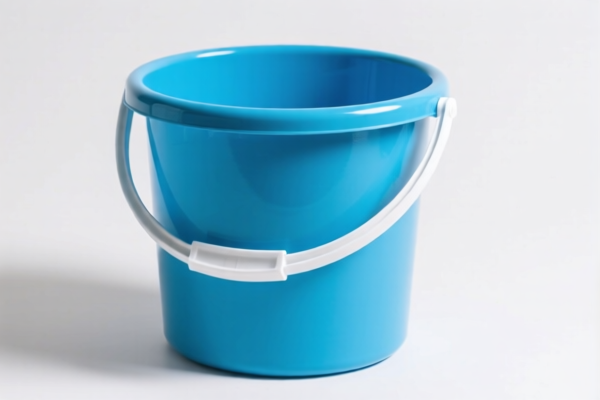
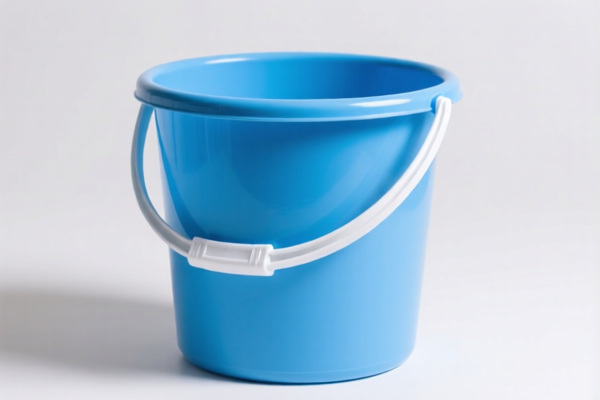
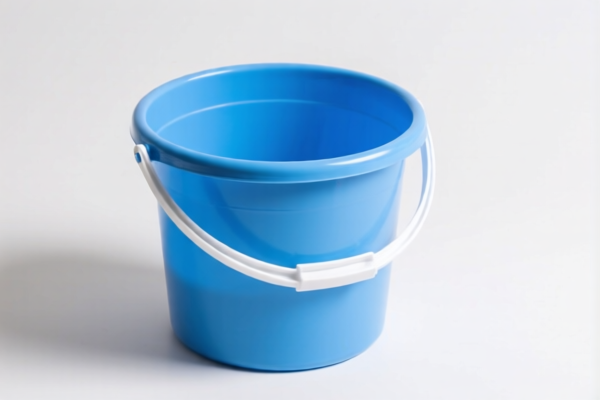
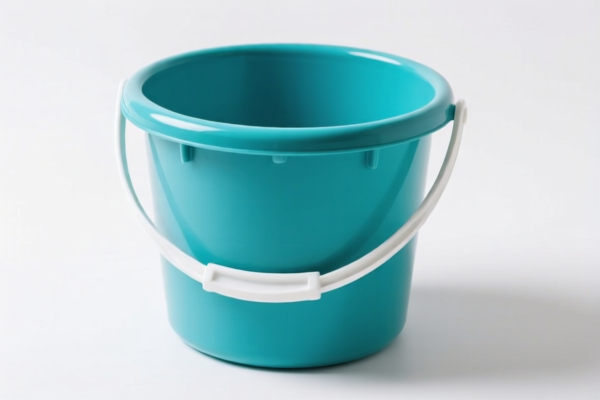
AI Analysis
🏥 Plastic Medical Bucket
🌐 HS Code Reference & Clearance Guide | 2026 Latest Tariff Analysis | Professional Clearance Strategy
📌 I. Product Definition & Classification: What Exactly is a "Plastic Medical Bucket"?
A "Plastic Medical Bucket" is a rigid or semi-rigid container made primarily of polypropylene (PP), polyethylene (PE), or other synthetic polymers. In international trade, its classification depends heavily on its specific design, intended use, and structural features. Unlike general-purpose plastic containers, medical buckets often require strict compliance with hygiene standards and may feature specialized lids, handles, or spouts.
In customs classification, the key distinction lies between: 1. Packaging Containers (Chapter 39, Part IV): Specifically designed for holding chemicals, medical supplies, or waste (e.g., buckets for disinfectants, sharps containers, or bulk medical waste). 2. Other Plastic Articles (Chapter 39, Part VI): General-purpose plastic containers, such as water buckets or oil drums, if they do not fit specific packaging categories. 3. Plastic Piping/Fittings (Chapter 39, Part III): Rarely applicable unless the "bucket" is actually a complex pipe assembly with no other function.
⚠️ Key Distinction Point:
- If the bucket is specifically shaped and sized for chemical/medical packaging (e.g., narrow neck, tamper-evident seal) → It falls under HS 3923.
- If it is a general rigid container (e.g., wide mouth, used for water/oil/general storage) → It may fall under HS 3926.
- If it is a pipe-like structure (e.g., hollow cylinder for fluid transfer) → It may fall under HS 3917.
📦 II. HS Code Classification Details (2026 Latest Tariff Authority Comparison)
| HS Code | Product Description | Application Scenario | Is it Packaging? |
|---|---|---|---|
3923.90.00.12 |
Plastic articles for the conveyance or packing of goods, other than those of heading 39.04 to 39.09 | Chemical packaging, medical reagent storage, narrow-necked buckets | ✅ Yes |
3923.90.00.14 |
Plastic articles for the conveyance or packing of goods, other than those of heading 39.04 to 39.09 | Buckets specifically designed for chemical/medical logistics | ✅ Yes |
3926.90.10.00 |
Other articles of plastics, including buckets, oil drums, and similar containers | General-purpose plastic buckets, water buckets, non-packaging specific | ❌ No (General Article) |
3926.90.99.89 |
Other塑料制品 (Other plastic articles), not elsewhere specified | General plastic containers, storage bins, non-specific buckets | ❌ No (General Article) |
3917.29.00.50 |
Tubes, pipes, and hoses, of plastics, with fittings | Rigid plastic pipes, cylindrical containers for fluid transport | ⚠️ Niche (Pipe-like) |
🔍 Key Reminder:
- All "Medical Buckets" intended for packaging chemicals, reagents, or waste should ideally be classified under HS 3923 if they are designed for conveyance/packing.
- General-purpose plastic buckets (e.g., for cleaning water, holding non-hazardous materials) fall under HS 3926.
- Misclassification Risk: Declaring a packaging bucket as a "general article" to avoid higher tariffs is a common audit trigger.
💰 III. 2026 Latest Tariff Rate Breakdown (Including Surcharges & Policy Add-ons)
✅ Applicable Country: United States (US)
✅ Origin: China (CN)
✅ Effective Date: From November 10, 2025 (for subsequent imports)
🎯 1. 3923.90.00.12 —— Plastic Packaging Articles (Chemical/Medical Specific)
| Item | Content |
|---|---|
| Base Rate | 3.0% (ad valorem) |
| USITC Surcharge (Section 301) | +25.0% |
| IEEPA Surcharge (Section 122) | +10.0% |
| Total Rate | 38.0% |
| Tax Calculation | CIF Value × 38.0% |
| De Minimis Exemption | ❌ Not Eligible (deny_de_minimis) |
| Legal Basis Path | IEEPA:9903.01.25 → USITC:3923.90.00.12 → FOOTNOTE:3923.90.00.12 |
📌 Explanation:
- "USITC Surcharge 25%" comes from the Section 301 tariffs on Chinese goods;
- "IEEPA Surcharge 10%" is an additional tariff on Chinese products under international emergency powers;
- Total 38%, which is high, requiring advance cost planning!
🎯 2. 3923.90.00.14 —— Plastic Packaging Articles (General Conveyance)
| Item | Content |
|---|---|
| Base Rate | 3.0% |
| USITC Surcharge (Section 301) | +25.0% |
| IEEPA Surcharge (Section 122) | +10.0% |
| Total Rate | 38.0% |
| Tax Calculation | CIF Value × 38.0% |
| De Minimis Exemption | ❌ Not Eligible |
| Legal Basis Path | IEEPA:9903.01.25 → USITC:3923.90.00.14 → FOOTNOTE:3923.90.00.14 |
📌 Note:
- Same tariff rate as3923.90.00.12;
- Applies to any plastic container designed for "conveyance or packing," including medical buckets.
🎯 3. 3926.90.10.00 —— Other Plastic Articles (Buckets, Oil Drums, etc.)
| Item | Content |
|---|---|
| Base Rate | 3.4% |
| USITC Surcharge (Section 301) | +7.5% |
| IEEPA Surcharge (Section 122) | +10.0% |
| Total Rate | 20.9% |
| Tax Calculation | CIF Value × 20.9% |
| De Minimis Exemption | ❌ Not Eligible |
| Legal Basis Path | IEEPA:9901.25 → USITC:3926.90.10.00 → FOOTNOTE:3926.90.10.00 |
📌 Explanation:
- This category is for general-purpose plastic containers (e.g., water buckets, oil drums) not specifically for chemical packaging.
- Lower total rate (20.9%) compared to packaging-specific codes, but misclassification risk is high if the product is clearly for medical/chemical packaging.
🎯 4. 3926.90.99.89 —— Other Plastic Articles (General)
| Item | Content |
|---|---|
| Base Rate | 5.3% |
| USITC Surcharge (Section 301) | +7.5% |
| IEEPA Surcharge (Section 122) | +10.0% |
| Total Rate | 22.8% |
| Tax Calculation | CIF Value × 22.8% |
| De Minimis Exemption | ❌ Not Eligible |
| Legal Basis Path | IEEPA:9901.25 → USITC:3926.90.99.89 → FOOTNOTE:3926.90.99.89 |
📌 Note:
- Covers "other plastic articles" not specified elsewhere.
- Use only if the bucket does not fit "packaging" or "bucket/oil drum" specific categories.
🎯 5. 3917.29.00.50 —— Plastic Tubes/Pipes
| Item | Content |
|---|---|
| Base Rate | 3.1% |
| USITC Surcharge (Section 301) | +25.0% |
| IEEPA Surcharge (Section 122) | +10.0% |
| Total Rate | 38.1% |
| Tax Calculation | CIF Value × 38.1% |
| De Minimis Exemption | ❌ Not Eligible |
| Legal Basis Path | IEEPA:9903.01.25 → USITC:3917.29.00.50 → FOOTNOTE:3917.29.00.50 |
📌 Note:
- Only applicable if the "bucket" is structurally a pipe or tube.
- High tariff due to Section 301 surcharges.
🛠️ IV. Clearance Practical Advice (Combat Pitfall Guide)
✅ 1. Document Checklist (All Required)
| Document | Mandatory | Description |
|---|---|---|
| ✅ Product Specification Sheet | ✔️ | Material (PP/PE), Capacity, Dimensions, Lid Type, Handle Type |
| ✅ Product Photos (Clear) | ✔️ | Front, Back, Lid, Handle, Label, Interior |
| ✅ Material Certification | ✔️ | FDA/USP Class VI compliance (if for direct medical contact) |
| ✅ Commercial Invoice | ✔️ | Must state "Plastic Bucket" or "Plastic Container," NOT "Medical Device" |
| ✅ Packing List | ✔️ | Show quantity per carton, gross/net weight |
| ✅ Certificate of Origin (CO) | ✔️ | If non-China origin, claim preferential rates |
✅ 2. Declaration Tips (Key Mantra)
🔥 "Packaging is 3923, General is 3926, Name Must Match, Tax Difference is Big!"
| Scenario | Correct Declaration | Wrong Action |
|---|---|---|
| Bucket for chemical/medical reagent | 3923.90.00.12 / 3923.90.00.14 |
Misclassify as 3926 → 17% tariff difference + penalty |
| Bucket for water/cleaning | 3926.90.10.00 |
Misclassify as 3923 → Unnecessary 17% higher tax |
| Bucket with special medical label | Still 3923 if for packaging |
Declare as "Medical Device" → Wrong chapter entirely |
| Pipe-like rigid container | 3917.29.00.50 |
Declare as "Bucket" → Classification error |
✅ 3. Special Case Handling
| Case | Handling Advice |
|---|---|
| OEM Medical Buckets | Provide client order + design drawings to prove "packaging" function |
| Buckets with Lid & Handle | Ensure description matches "conveyance/packing" if declaring under 3923 |
| Bulk Medical Waste Buckets | Must declare as 3923 (packaging), not 3926 (general) |
| Small Sample Buckets | Still subject to de minimis denial due to China origin |
🌍 V. Global Market Clearance Comparison (2026 Latest)
| Country/Region | Recommended HS Code | Tariff | Certification | Remarks |
|---|---|---|---|---|
| 🇺🇸 USA | 3923.90.00.12 |
38.0% (China) | FDA (if medical contact) | High tariff due to S301 + IEEPA |
| 🇨🇳 China | 3923.90.00.12 |
5.3% | CCC (if applicable) | No additional surcharges |
| 🇪🇺 EU | 3923.90.00 |
6.5% | CE + RoHS | No S301/IEEPA surcharges |
| 🇦🇺 Australia | 3923.90.00 |
5.0% | RCM | No surcharges |
| 🇯🇵 Japan | 3923.90.00 |
3.5% | PSE | No surcharges |
📌 Conclusion:
- USA is the only market with high additional tariffs (38%);
- China-origin medical buckets have extremely high clearance costs in the US;
- Consider supply chain diversification (Vietnam, Mexico, Thailand) for IEEPA Exemption.
📌 VI. Common Errors & Pitfalls (Blood & Tears Lessons)
❌ Error 1: Declaring a chemical packaging bucket as a general plastic bucket (3926)
👉 Consequence: 17% tariff difference + potential penalty for misdeclaration.
❌ Error 2: Using "Medical Device" in the product name for a bucket
👉 Consequence: Customs may require medical device licensing, delaying clearance or causing rejection.
❌ Error 3: Not providing material compliance (FDA/USP) for medical-contact buckets
👉 Consequence: FDA detention, destruction, or return.
❌ Error 4: Splitting a bucket with lid/handle into separate parts for shipment
👉 Consequence: Each part taxed separately, potentially increasing total tax burden.
✅ Correct Approach:
"Plastic Bucket, PP Material, 10L Capacity, with Lid and Handle, for Medical Waste Collection, Model XYZ, FDA Compliant"
🎯 VII. Conclusion: Professional Declaration, Save Time, Reduce Costs!
🎯 Remember the Mantra:
🔹 "Packaging is 3923, General is 3926, USA Tax is High, Split Parts is Risky!"
🔹 "HS Code Determines Life or Death, Tax Difference is 17%, Wrong Declaration Costs Thousands!"
📌 Tips:
- If your plastic bucket is originated from Vietnam, Mexico, Thailand, or Malaysia, you can apply for IEEPA Exemption, reducing the rate to 0%~5%.
- Suggest applying for an Advance Ruling before shipment to avoid clearance risks.
📣 Immediate Action:
📞 Contact a Professional Customs Broker + Provide Product Photos + Apply for HS Code Advance Ruling
🚀 Let your Plastic Medical Bucket clear smoothly, exit efficiently, and double profits!
✨ Professional Clearance Starts with Accurate Classification!
💼 Every Penny of Your Cost Deserves to be Precisely Calculated!
Customer Reviews
About HS Code Classification
The Harmonized System (HS) is an internationally standardized nomenclature developed by the World Customs Organization (WCO) to classify traded products. Over 200 countries use the HS system as the basis for customs tariffs, trade statistics, and import/export regulations.
Each HS code follows a hierarchical structure:
- Chapter (2 digits) — Broad category of goods (e.g., Chapter 84: Machinery and Mechanical Appliances)
- Heading (4 digits) — More specific grouping within the chapter
- Subheading (6 digits) — Internationally standardized breakdown, used by all WCO member countries
- National subdivisions (8-10 digits) — Country-specific extensions for further classification, such as US HTSUS 10-digit codes
Correct HS code classification is essential for smooth customs clearance, accurate duty payment, and compliance with trade regulations. Misclassification can lead to customs delays, overpayment of duties, or penalties.
When importing from CN to US, the applicable tariff rates may include:
- Most-Favored-Nation (MFN) rate — The standard duty rate applied to WTO members
- General rate — Applied to countries without trade agreements
- Trade remedy duties — Additional tariffs such as Section 301 (anti-dumping), Section 232 (national security), or countervailing duties
The information provided on this page is for reference purposes only. For official classification, please consult with your local customs authority or a licensed customs broker.