Plastic Medical Mask (with Exhalation Valve)
CN → US| HS Code | Tariff Rate | Origin | Destination | Doc |
|---|---|---|---|---|
| 3926909950 | 22.8% | CN | US | Official Doc |
| 3926909989 | 22.8% | CN | US | Official Doc |
| 6307909870 | 24.5% | CN | US | Official Doc |
| 6307909875 | 24.5% | CN | US | Official Doc |
| 3926909950 | 22.8% | CN | US | Official Doc |
Product Images
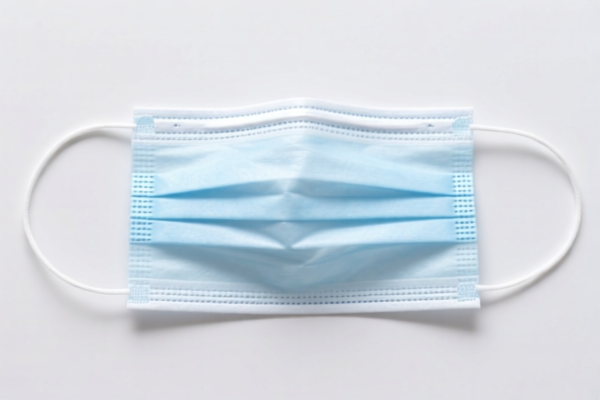

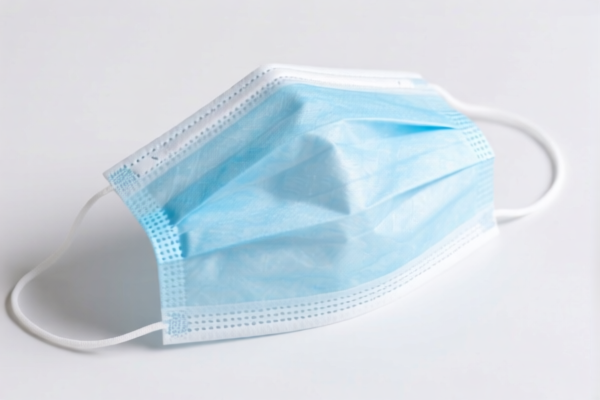
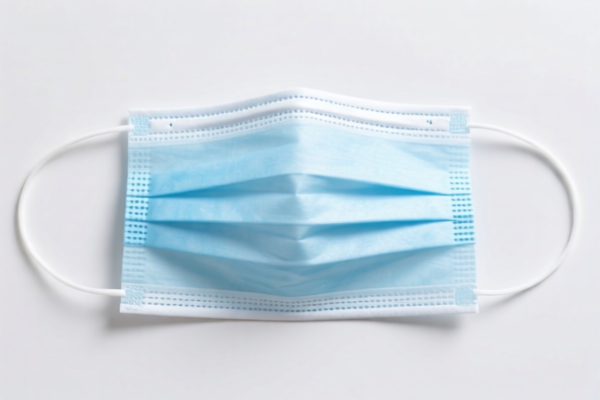
AI Analysis
🏥 Plastic Medical Mask (with Exhalation Valve)
🌐 HS Code Reference & Clearance Guide | 2026 Latest Tariff Analysis | Professional Entry Strategy
📌 I. Product Definition & Classification: Understanding the "Plastic Medical Mask"
The Plastic Medical Mask with Exhalation Valve is a respiratory protective device made primarily of plastic materials, designed to filter airborne particles while allowing exhale air to pass through a dedicated valve to reduce heat and moisture buildup. In international trade, its classification depends on whether it is viewed as a plastic product, a general textile/garment article, or a specific medical/respiratory device.
Key Distinctions: * Plastic-Based Classification (HS 3926): If the mask is primarily defined as a manufactured plastic article (e.g., rigid valve, plastic frame, plastic ear loops) without being classified under specific textile or medical device headings. * Textile/Garment-Based Classification (HS 6307): If the mask is viewed as a made-up article of textile or other materials (non-woven fabrics), often categorized under "Other made up articles." * Specific Respirator Classification (HS 6307 - Non-N95/Non-Disposable): If it falls under "Other masks" excluding standard disposable surgical masks or N95 respirators.
⚠️ Critical Differentiator:
- Plastic Structure Dominance: If the structural integrity relies heavily on plastic components (valve, frame) → HS 3926
- Fabric/Non-Woven Dominance: If it is a soft, flexible mask primarily made of non-woven fabric, even with a plastic valve → HS 6307
- Valve Presence: The presence of an exhalation valve often prevents classification as a standard "surgical mask" (which is typically valve-less), pushing it toward "other masks" or "plastic articles."
📦 II. HS Code Classification Details (2026 Latest Tariff Authority Cross-Reference)
| HS Code | Product Description | Applicable Scenario | Valves Included? | Plastic Content? |
|---|---|---|---|---|
3926.90.99.50 |
Other articles of plastic: Plastic medical masks, with exhalation valve, fitting plastic product & medical mask classification | Rigid plastic mask, plastic frame, medical-grade plastic valve | ✅ Yes | ✅ High (Primary material) |
3926.90.99.89 |
Other articles of plastic: Plastic medical masks, with exhalation valve, bottom-category for other plastic products | General plastic molded mask, no specific medical device code applies | ✅ Yes | ✅ High |
6307.90.98.70 |
Other made up articles: Plastic medical masks, with exhalation valve, classified as disposable/non-renewable mask category | Soft non-woven mask with plastic valve, disposable use | ✅ Yes | ❌ Low (Valve only) |
6307.90.98.75 |
Other made up articles: Plastic medical masks, with exhalation valve, non-disposable, non-N95 other masks | Reusable fabric/plastic hybrid mask, not N95/surgical specific | ✅ Yes | ❌ Mixed |
3926.90.99.50 |
Other articles of plastic: Plastic medical masks, with exhalation valve, fitting medical-related plastic product definition | Medical-grade plastic mask, strict medical plastic classification | ✅ Yes | ✅ High |
🔍 Key Reminder:
- Masks with exhalation valves are often excluded from standard "surgical mask" codes (which usually imply no valve).
- HS 3926 is chosen when the mask is considered a plastic article.
- HS 6307 is chosen when the mask is considered a made-up article (textile/non-woven).
- The valve is a plastic component that influences classification toward plastic codes if it’s structurally significant.
💰 III. 2026 Latest Tariff Rate Breakdown (Including Supplementary Taxes, Policy Add-ons)
✅ Applicable Country: United States (US)
✅ Country of Origin: China (CN)
✅ Effective Date: 2025 onwards (for imports from China)
🎯 1. 3926.90.99.50 & 3926.90.99.89 —— Plastic Articles of Mask with Valve
| Item | Content |
|---|---|
| Base Duty Rate | 5.3% (ad valorem) |
| Section 301 Surcharge | +7.5% (from USITC Footnote, China-origin) |
| Section 122 Surcharge | +10% (Specific to certain plastic/medical imports) |
| Total Rate | 22.8% |
| Tax Calculation | CIF Value × 22.8% |
| De Minimis Eligible? | ❌ No (Not eligible for $800 de minimis exemption due to surcharges) |
| Legal Basis Path | HTSUS:3926.90.99.50 → Section 301: Footnote → Section 122: 10% |
📌 Explanation:
- Base 5.3%: Standard US tariff for other plastic articles.
- 7.5% Section 301: Additional tariff on Chinese plastic goods.
- 10% Section 122: Specific surcharge on certain plastic/medical-related imports (as per data).
- Total 22.8%: This is a moderately high rate for plastic masks. Must be factored into landed cost.
🎯 2. 6307.90.98.70 & 6307.90.98.75 —— Other Made-Up Articles (Masks)
| Item | Content |
|---|---|
| Base Duty Rate | 7.0% (ad valorem) |
| Section 301 Surcharge | +7.5% (from USITC Footnote, China-origin) |
| Section 122 Surcharge | +10% (Specific to certain plastic/medical imports) |
| Total Rate | 24.5% |
| Tax Calculation | CIF Value × 24.5% |
| De Minimis Eligible? | ❌ No |
| Legal Basis Path | HTSUS:6307.90.98.70 → Section 301: Footnote → Section 122: 10% |
📌 Explanation:
- Base 7.0%: Standard US tariff for other made-up articles.
- 7.5% Section 301: Additional tariff on Chinese textile/mask imports.
- 10% Section 122: Specific surcharge.
- Total 24.5%: Highest rate among the options. Avoid this code if possible for cost efficiency, unless the mask is strictly non-plastic textile-based.
🛠️ IV. Clearance Practical Advice (实战避坑指南)
✅ 1. Required Documentation Checklist (None Can Be Missing)
| Document | Mandatory? | Explanation |
|---|---|---|
| ✅ Product Specification Sheet | ✔️ | Must detail material (plastic vs. fabric), valve type, mask shape, and intended use (medical vs. general). |
| ✅ Photos of the Mask | ✔️ | Clear images showing the exhalation valve, ear loops, and overall structure. |
| ✅ Bill of Materials (BOM) | ✔️ | Breakdown of plastic vs. non-woven fabric percentages to justify HS Code. |
| ✅ Commercial Invoice | ✔️ | Must clearly state "Plastic Medical Mask with Exhalation Valve" – do not use generic "Face Mask." |
| ✅ Certificate of Origin | ✔️ | Required to confirm China origin for surcharge application. |
| ✅ Import/Export License | ✔️ | If classified as a medical device, FDA registration may be required. |
✅ 2. Declaration Tips (Key Mnemonic)
🔥 “Valve Present, Not Surgical; Plastic vs. Fabric, Code Differs! Section 122 Adds 10%, Cost Bumps High!”
| Scenario | Correct Declaration | Wrong Practice |
|---|---|---|
| Mask is primarily plastic (rigid valve, frame) | 3926.90.99.50 (22.8%) |
Declaring as 6307 (24.5%) → Higher tax! |
| Mask is fabric/non-woven with plastic valve | 6307.90.98.70 (24.5%) |
Declaring as 3926 → Misclassification risk |
| Exhalation Valve present | Clearly state "With Exhalation Valve" | Omitting "Valve" → May be rejected as surgical mask (wrong code) |
| Medical Use | Provide FDA or CE certification if claimed | No medical claim → Use general mask classification |
✅ 3. Special Circumstances Handling
| Situation | Handling Advice |
|---|---|
| OEM Custom Masks | Provide client order + design drawings to prove specific classification. |
| Plastic Valve Only | If the mask body is fabric, use 6307; if the whole mask is plastic, use 3926. |
| Medical Device Claim | If marketed as "N95" or "Surgical," it may require FDA 510(k) clearance. Without it, declare as "General Use Mask." |
| Mixed Packaging | If masks are packed with plastic frames/boxes, declare together under the primary product code (3926). |
🌍 V. Global Market Clearance Comparison (2026 Latest)
| Country/Region | Recommended HS Code | Tariff | Certification | Notes |
|---|---|---|---|---|
| 🇺🇸 USA | 3926.90.99.50 |
22.8% | FDA (if medical) | High surcharge (Section 122 + 301) |
| 🇨🇳 China | 3926.90.99.50 |
~5-7% | CCC (if applicable) | No US surcharges |
| 🇪🇺 EU | 3926.90.99.50 |
0-4% | CE + EN 14683 | No Section 122/301 |
| 🇬🇧 UK | 3926.90.99.50 |
0-4% | UKCA | Post-Brexit rules apply |
| 🇦🇺 Australia | 3926.90.99.50 |
5% | TGA (if medical) | No surcharges |
📌 Conclusion:
- USA is the most costly market for plastic masks with valves due to Section 301 (7.5%) and Section 122 (10%) surcharges.
- EU/UK/Australia have no such surcharges, making them more favorable for export.
- China Origin is key to applying these surcharges.
📌 VI. Common Errors & Pitfalls (Lessons Learned)
❌ Error 1: Declaring as "Surgical Mask" (HS 6307.90.98.10)
👉 Consequence: Rejection by Customs because surgical masks typically do not have exhalation valves.
👉 Fix: Use 3926 or 6307.90.98.70/75.
❌ Error 2: Ignoring the Exhalation Valve
👉 Consequence: Customs may classify as a different, higher-duty item if the valve is not declared.
👉 Fix: Always specify "With Exhalation Valve" in the description.
❌ Error 3: Misclassifying Plastic Masks as Textile
👉 Consequence: If the mask is mostly plastic, using 6307 may trigger a misclassification penalty.
👉 Fix: Use material analysis to justify 3926.
❌ Error 4: Not Accounting for Section 122 (10%)
👉 Consequence: Underestimating landed cost by 10%.
👉 Fix: Always include the 10% Section 122 surcharge in cost calculations for China-origin plastic masks.
✅ Correct Practice:
“Plastic Medical Mask with Exhalation Valve, Model XYZ, Plastic Frame, Non-Woven Filter, FDA Registered (if applicable), Made in China”
🎯 VII. Conclusion: Precise Declaration for Cost Efficiency
🎯 Remember the Mnemonic:
🔹 “Valve Present, Code Shifts; Plastic vs. Fabric, Duty Differs!”
🔹 “Section 122 Adds 10%, Section 301 Adds 7.5%; Total 22.8%~24.5%!”
📌 Pro Tip:
- If your mask is exporting to the USA, ensure you have Section 301 and 122 surcharge exemptions if applicable (e.g., through specific trade agreements or product exclusions).
- Pre-classification Ruling: Consider applying for an Advance Ruling from US Customs and Border Protection (CBP) to confirm the correct HS Code (3926 vs. 6307) and avoid post-entry adjustments.
📣 Take Action Now:
📞 Consult a licensed customs broker + Provide product specs + Apply for CBP Advance Ruling
🚀 Ensure smooth clearance, avoid penalties, and optimize landed cost!
✨ Professional clearance starts with accurate classification!
💼 Every percentage point matters in global trade!
Customer Reviews
About HS Code Classification
The Harmonized System (HS) is an internationally standardized nomenclature developed by the World Customs Organization (WCO) to classify traded products. Over 200 countries use the HS system as the basis for customs tariffs, trade statistics, and import/export regulations.
Each HS code follows a hierarchical structure:
- Chapter (2 digits) — Broad category of goods (e.g., Chapter 84: Machinery and Mechanical Appliances)
- Heading (4 digits) — More specific grouping within the chapter
- Subheading (6 digits) — Internationally standardized breakdown, used by all WCO member countries
- National subdivisions (8-10 digits) — Country-specific extensions for further classification, such as US HTSUS 10-digit codes
Correct HS code classification is essential for smooth customs clearance, accurate duty payment, and compliance with trade regulations. Misclassification can lead to customs delays, overpayment of duties, or penalties.
When importing from CN to US, the applicable tariff rates may include:
- Most-Favored-Nation (MFN) rate — The standard duty rate applied to WTO members
- General rate — Applied to countries without trade agreements
- Trade remedy duties — Additional tariffs such as Section 301 (anti-dumping), Section 232 (national security), or countervailing duties
The information provided on this page is for reference purposes only. For official classification, please consult with your local customs authority or a licensed customs broker.