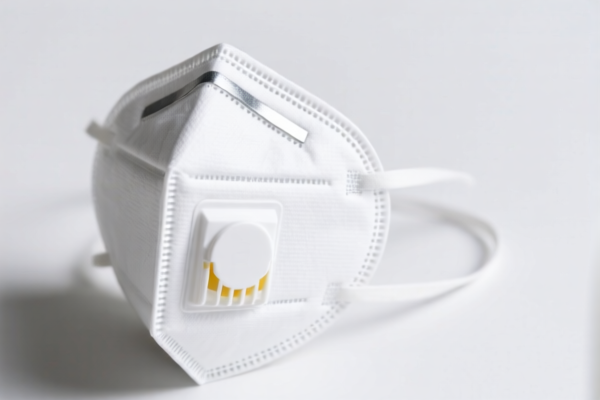
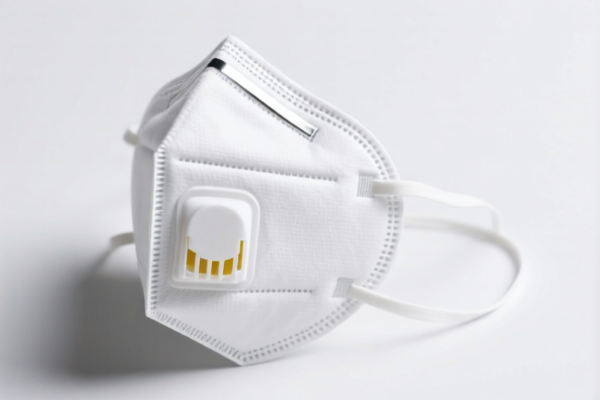
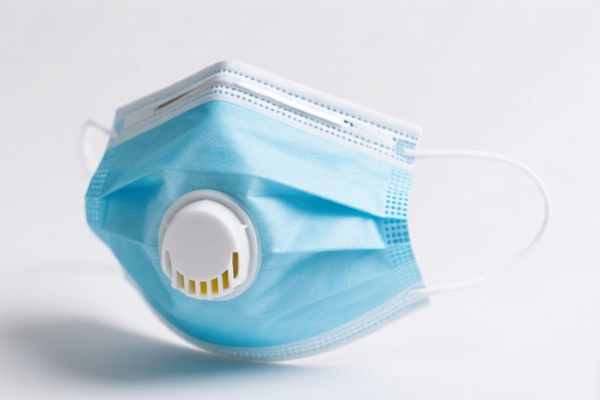
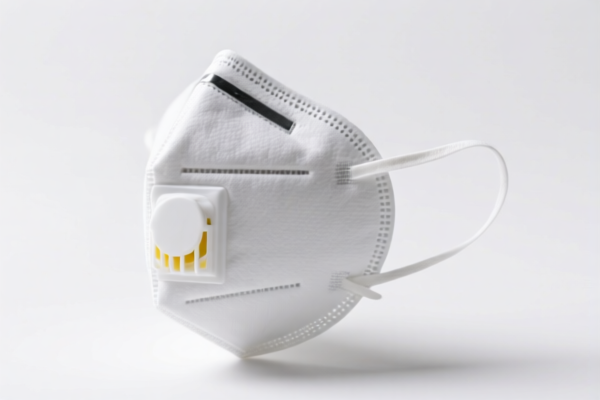
Plastic Medical Mask with Breathing Valve
CN → US| HS Code | Tariff Rate | Origin | Destination | Doc |
|---|---|---|---|---|
| 6307909875 | 24.5% | CN | US | Official Doc |
| 6307909870 | 24.5% | CN | US | Official Doc |
| 3926909950 | 22.8% | CN | US | Official Doc |
Product Images
AI Analysis
🎭 Plastic Medical Mask with Breathing Valve
🌐 HS Code Reference & Customs Clearance Guide | 2026 Latest Tariff Analysis | Professional-Level Strategy
📌 I. Product Definition & Classification: What Exactly Is a "Plastic Medical Mask with Breathing Valve"?
A Plastic Medical Mask with Breathing Valve is a specialized protective device designed for medical or healthcare settings. Unlike standard disposable surgical masks, these masks incorporate a plastic housing and an integrated breathing valve to reduce exhalation resistance.
In international trade, the classification depends heavily on the material composition, form, and intended use. While often perceived as simple PPE, the presence of a rigid plastic frame and valve mechanism can shift the classification from pure textile-based medical goods to plastic articles or specific medical apparatus parts.
⚠️ Key Distinction Point:
- If the primary structure is textile/non-woven fabric with a small plastic valve component → Usually falls under Headwear/Mask chapters (6307).
- If the mask is primarily constructed of rigid plastic or the plastic component defines its essential character → May fall under Chapter 39 (Plastics).
- Critical Note: Despite the name "Medical," customs often look at the material first. If it’s plastic, it competes between Chapter 63 (Other made-up articles) and Chapter 39 (Articles of plastic).
📦 II. HS Code Classification Details (2026 Latest Tariff Authority Match)
Based on the provided data, there are three specific HS Codes identified for this product. The slight variations in description and tax rates reflect different interpretations of the "essential character" by customs authorities.
| HS Code | Product Summary (From Data) | Material Focus | Intended Use |
|---|---|---|---|
6307.90.98.75 |
Plastic Medical Mask with Breathing Valve; Form: Face mask / Mask; Use: Medical; Material: Plastic. | Plastic | Medical |
6307.90.98.70 |
Plastic Medical Mask with Breathing Valve; Form: Face mask / Mask; Material: Plastic; Use: Medical. | Plastic | Medical |
3926.90.99.50 |
Plastic Medical Mask with Breathing Valve; Material: Plastic; Use: Medical; Form: Mask. | Plastic | Medical |
🔍 Analysis of Differences:
- 6307.90.98.75 & .70: These codes fall under Chapter 63 ("Other made up articles"). They are essentially grouped together but distinguished by sub-classification nuances (likely based on specific plastic composition or manufacturing process details not fully detailed in the summary).
- 3926.90.99.50: This code falls under Chapter 39 ("Articles of plastic"). This classification assumes the mask is predominantly viewed as a plastic article rather than a "made-up textile/fabric article."
💰 III. 2026 Latest Tariff Rate Breakdown (Including Surtaxes & Policy Add-ons)
✅ Applicable Country: United States (US)
✅ Origin: China (CN)
✅ Effective Time: Current applicable rates based on provided data
🎯 1. 6307.90.98.75 & 6307.90.98.70 —— Medical Masks (Plastic Composition)
These two codes share the same total tax rate, indicating identical treatment under current trade policies.
| Item | Content |
|---|---|
| Total Tax Rate | 24.5% |
| Breakdown |
|
| Tax Calculation | CIF Value × 24.5% |
| De Minimis Exemption | ❌ Not Applicable (High tariff threshold prevents 80.01 exemption) |
| Legal Basis | Standard USITC Schedule + Section 301 (7.5%) + Section 122 (10%) |
📌 Explanation:
- The 7.0% Base Tariff is the standard Most Favored Nation (MFN) rate for other made-up articles.
- The 7.5% Section 301 Surtax applies to a broad range of Chinese imports, including PPE components.
- The 10% Section 122 Tariff is a specific national security tariff applied to certain categories, further increasing the cost.
- Total: 24.5% is a significant burden for low-margin medical supplies.
🎯 2. 3926.90.99.50 —— Other Plastic Articles (Used as Medical Masks)
This code offers a slightly lower total tax rate compared to the 6307 codes, making it a potentially more favorable classification if accepted by customs.
| Item | Content |
|---|---|
| Total Tax Rate | 22.8% |
| Breakdown |
|
| Tax Calculation | CIF Value × 22.7% |
| De Minimis Exemption | ❌ Not Applicable |
| Legal Basis | USITC Schedule for Plastics + Section 301 + Section 122 |
📌 Explanation:
- The 5.3% Base Tariff for plastic articles is lower than the 7.0% for other made-up articles.
- However, the Section 301 (7.5%) and Section 122 (10%) surcharges remain the same, as they apply to "Chinese Origin" products broadly.
- Savings: Choosing3926.90.99.50saves 1.7% in total duties compared to the 6307 codes.
- ⚠️ Risk: Customs may reject this if they determine the product is "primarily textile" with plastic parts, rather than "primarily plastic."
🛠️ IV. Customs Clearance Practical Advice (Avoiding Pitfalls)
✅ 1. Essential Documentation Checklist
| Document | Must Provide? | Description |
|---|---|---|
| ✅ Product Specification Sheet | ✔️ | Must clearly state: "Plastic Medical Mask with Breathing Valve," material composition % (e.g., 60% Plastic, 40% Non-woven), and medical use. |
| ✅ Material Breakdown | ✔️ | Crucial for HS Code debate. If >50% weight is plastic, argue for 3926.90.99.50. |
| ✅ Medical Device Classification Letter | ✔️ | From FDA or relevant authority proving "Medical Use." This prevents misclassification as general "sports mask." |
| ✅ Commercial Invoice | ✔️ | Explicitly describe: "Plastic Medical Mask with Valve, HS Code: [Choose Code]." |
| ✅ Photos of Product | ✔️ | Show the valve mechanism and plastic frame clearly. |
✅ 2. Strategic Classification Tips
🔥 "Material Dominance Determines Code!"
| Scenario | Recommended HS Code | Why? |
|---|---|---|
| High Plastic Content (e.g., rigid frame, plastic valve, plastic ear loops) | 3926.90.99.50 (22.8%) |
The "essential character" is plastic. Lower base tariff. |
| Low Plastic Content (e.g., fabric mask with small plastic valve) | 6307.90.98.75/.70 (24.5%) |
The "essential character" is the textile/mask body. |
| General Consumer/Sports Use | ❌ Avoid Medical Label | If not for medical use, it might fall under cheaper codes (e.g., 6103 or 6307 non-medical), but misdeclaring medical masks as non-medical is fraud. |
✅ 3. Special Handling for Section 301 & 122
- Section 301 (7.5%): Applies to all Chinese-origin plastics and textile articles in this category. No exemption is available for medical masks unless specifically excluded (check current USITC lists).
- Section 122 (10%): This is a "National Security" tariff. It applies broadly. Ensure your product does not fall under any recent exclusions for specific PPE items, which are often temporary.
🌍 V. Global Market Comparison (2026 Overview)
| Country/Region | Likely HS Code | Estimated Total Duty | Notes |
|---|---|---|---|
| 🇺🇸 USA | 6307.90.98.75 or 3926.90.99.50 |
22.8% - 24.5% | High surcharges due to Section 301 & 122. |
| 🇨🇳 China | 6307.90.90 |
~6-9% | Standard import duty, no Section 301. |
| 🇪🇺 EU | 3926.90.97 or 6307.90.98 |
~6.5% - 9.6% | No Section 301/122 equivalent, but CE certification required. |
| 🇨🇦 Canada | 3926.90.98 or 6307.90.90 |
~5% - 8% | CUSMA potential if originating in North America. |
📌 Conclusion:
The US market is the most expensive for Chinese-origin plastic medical masks due to layered surcharges. Importers should negotiate FOB prices accordingly or consider supply chain diversification (e.g., manufacturing in Vietnam/Mexico) to avoid Section 301/122 tariffs.
📌 VI. Common Mistakes & Pitfalls (Blood & Tears Lessons)
❌ Mistake 1: Declaring as "Plastic Bag" or "Plastic Part" to avoid medical scrutiny
👉 Consequence: Misdeclaration of goods. Fines, seizure, and blacklisting from US Customs. Medical masks are strictly regulated.
❌ Mistake 2: Ignoring the "Section 122" tariff
👉 Consequence: Underpaying duties by 10%. Customs will audit and demand back payment + interest.
❌ Mistake 3: Using 3926.90.99.50 for a fabric-heavy mask
👉 Consequence: Customs may reclassify to 6307 (24.5%) and penalize for "incorrect classification."
✅ Fix: Ensure plastic content is dominant or provide strong engineering evidence that plastic defines the product's function.
❌ Mistake 4: Claiming "De Minimis" (80.01) for small shipments
👉 Consequence: With 22.8-24.5% tariffs, De Minimis does not apply to high-duty items from China in many cases, or it is restricted for medical goods. Always check current CBP rules.
🎯 VII. Conclusion: Smart Clearance, Lower Costs, Faster Release!
🎯 Key Takeaway:
🔹 "Plastic Mask? Check the %: High Plastic = 3926 (22.8%), Low Plastic = 6307 (24.5%)."
🔹 "Section 301 & 122 are non-negotiable for China Origin. Budget for ~23-25% total duty."
🔹 "Medical Use Requires Documentation. Never lie about use case."
📌 Pro Tip:
If your mask is not made in China (e.g., Vietnam, India), you can avoid Section 301 (7.5%), reducing the total duty to ~15.3% (5.3% Base + 10% Section 122).
Recommendation: For high-volume US imports, supply chain relocation is the only way to significantly reduce the ~24% tax burden.
📣 Immediate Action:
📞 Pre-clearance: Submit product photos and material specs to a customs broker for Advance Ruling if shipping large volumes.
🚀 Optimize: If you have flexibility in design, increase plastic content slightly to justify3926.90.99.50for the 1.7% savings.
✨ Professional Customs Clearance Starts with Accurate Classification!
💼 Every Percent Matters in International Trade!
Customer Reviews
About HS Code Classification
The Harmonized System (HS) is an internationally standardized nomenclature developed by the World Customs Organization (WCO) to classify traded products. Over 200 countries use the HS system as the basis for customs tariffs, trade statistics, and import/export regulations.
Each HS code follows a hierarchical structure:
- Chapter (2 digits) — Broad category of goods (e.g., Chapter 84: Machinery and Mechanical Appliances)
- Heading (4 digits) — More specific grouping within the chapter
- Subheading (6 digits) — Internationally standardized breakdown, used by all WCO member countries
- National subdivisions (8-10 digits) — Country-specific extensions for further classification, such as US HTSUS 10-digit codes
Correct HS code classification is essential for smooth customs clearance, accurate duty payment, and compliance with trade regulations. Misclassification can lead to customs delays, overpayment of duties, or penalties.
When importing from CN to US, the applicable tariff rates may include:
- Most-Favored-Nation (MFN) rate — The standard duty rate applied to WTO members
- General rate — Applied to countries without trade agreements
- Trade remedy duties — Additional tariffs such as Section 301 (anti-dumping), Section 232 (national security), or countervailing duties
The information provided on this page is for reference purposes only. For official classification, please consult with your local customs authority or a licensed customs broker.