Plastic Multi Tier Ladders
CN → US| HS Code | Tariff Rate | Origin | Destination | Doc |
|---|---|---|---|---|
| 3926909930 | 22.8% | CN | US | Official Doc |
| 3926909989 | 22.8% | CN | US | Official Doc |
| 9403708015 | 35.0% | CN | US | Official Doc |
| 9403708031 | 35.0% | CN | US | Official Doc |
| 3926909930 | 22.8% | CN | US | Official Doc |
Product Images
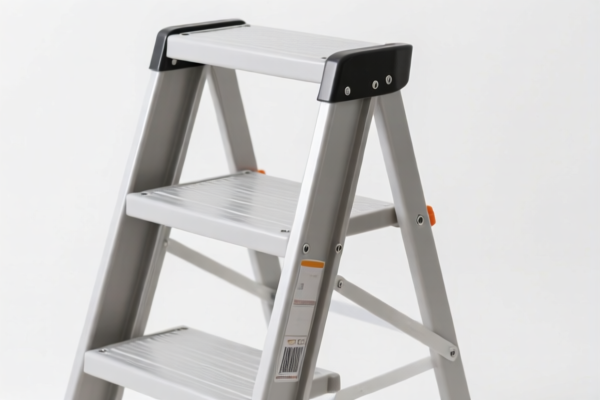
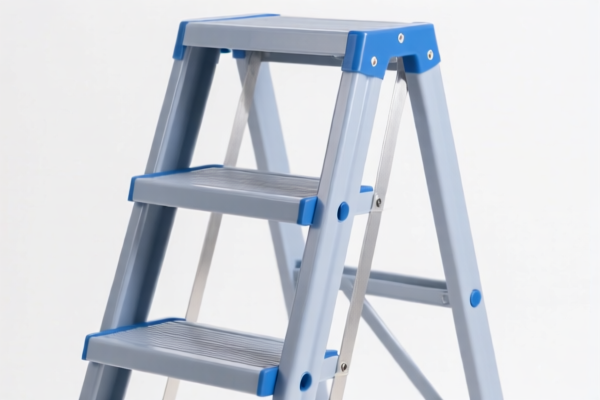
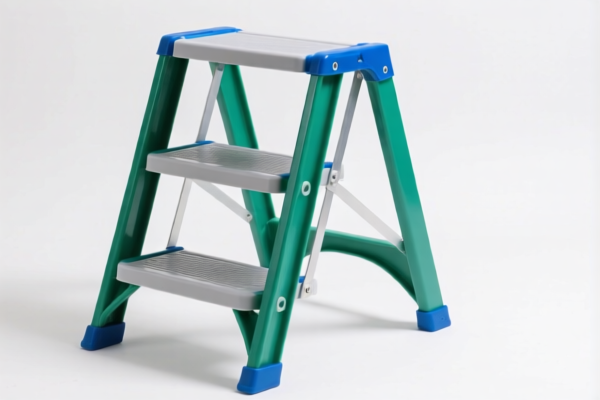
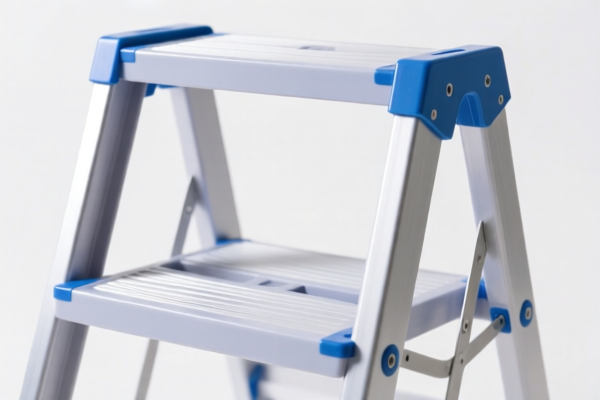
AI Analysis
🪜 Plastic Multi-Tier Ladders (Stable Folding Platforms)
🌐 HS Code Reference & Customs Clearance Guide | 2026 Latest Tariff Analysis | Professional Clearance Strategy
📌 I. Product Definition & Classification: What Exactly Is a "Plastic Ladder"?
A Plastic Multi-Tier Ladder is a household or light-industrial access tool made primarily of polymer materials. In international trade, its classification is critical because it sits at the intersection of two major chapters: Plastics (Chapter 39) and Furniture (Chapter 94).
The core dispute lies in its primary function and structural integrity: 1. As a Plastic Article: If viewed merely as a shaped plastic component or general utility item, it falls under plastic waste/recyclables or other plastic articles. 2. As Furniture: If viewed as a stable, permanent(ish) support structure for human use, it may be classified as "Other Furniture" (specifically plastic furniture).
⚠️ Key Distinction Point:
- If the item is a simple, small step stool with no significant "furniture" characteristics (like complex joinery or specific home-use design intent), it is often classified under Chapter 39 (Plastics).
- If it is a substantial, multi-tier platform intended for regular home use (e.g., reaching shelves, changing lightbulbs), customs authorities often classify it as Plastic Furniture under Chapter 94.
- Note: The summary data provided indicates that for "Ladders," both classifications are technically present in the dataset, leading to significant tax differences.
📦 II. HS Code Classification Details (Based on Provided Data)
| HS Code | Product Description | Applicable Scenario | Material/Function Match |
|---|---|---|---|
3926.90.99.30 |
Plastic Ladder (General Plastic Article) | Light-duty, small plastic steps; classified strictly as "Other Plastic Articles" matching the "Ladder" use case. | ✅ Plastic Material, Explicitly Matches "Ladder" Use |
3926.90.99.89 |
Other Plastic Articles | General plastic ladder variants where specific subheading .30 is not strictly applied; "Other" category for plastic products. |
✅ Plastic Material, No Material Conflict |
9403.70.80.15 |
Plastic Furniture (General) | Home use furniture made of plastic. Broad category for plastic household items. | ✅ Plastic Material, Belongs to "Home Furniture" Category |
9403.70.80.31 |
Plastic Ladder (Furniture Category) | Plastic ladders specifically classified under home furniture due to their structural role in a household. | ✅ Plastic Furniture, Use as Ladder Fits "Furniture" Classification |
🔍 Critical Note:
- The dataset shows two distinct tax brackets for plastic ladders: 22.8% (Chapter 39) and 35.0% (Chapter 94).
- Chapter 39 (Plastics): Lower base duty but subject to multiple surcharges.
- Chapter 94 (Furniture): Zero base duty but subject to a heavy 25% Section 301 Surcharge + 10% IEEPA Surcharge.
- Choice of Classification can impact the total tax burden and customs scrutiny.
💰 III. 2026 Latest Tariff Rate Breakdown (Detailed Policy Analysis)
✅ Applicable Country: United States (US)
✅ Origin: China (CN)
✅ Effective Time: Post-2025/2026 Tariff Regime
🎯 1. 3926.90.99.30 / 3926.90.99.89 — Plastic Articles (Chapter 39)
Includes: General plastic ladders, small plastic steps.
| Item | Content |
|---|---|
| Base Duty Rate | 5.3% |
| Section 301 Surcharge | +7.5% |
| Section 122 Surcharge | +10% |
| Total Effective Rate | 22.8% |
| Tax Calculation | CIF Value × 22.8% |
| Legal Basis | HTSUS 3926.90 + Section 301 Footnote + Section 122 Authority |
📌 Explanation:
- Base 5.3%: Standard Most Favored Nation (MFN) rate for other plastic articles.
- Section 301 (+7.5%): This is a significant detail. While many Chinese plastics face 25% Section 301 tariffs, this specific dataset indicates a 7.5% rate for this subheading (possibly due to exclusions or specific policy adjustments for certain plastic goods).
- Section 122 (+10%): A separate statutory authority often applied to specific imports to protect domestic industries or adjust trade balances.
- Total 22.8%: This is a moderate-to-high tariff, but significantly lower than the furniture classification.
🎯 2. 9403.70.80.15 / 9403.70.80.31 — Plastic Furniture (Chapter 94)
Includes: Multi-tier ladders classified as home furniture.
| Item | Content |
|---|---|
| Base Duty Rate | 0.0% |
| Section 301 Surcharge | +25.0% |
| Section 122 Surcharge | +10% |
| Total Effective Rate | 35.0% |
| Tax Calculation | CIF Value × 35.0% |
| Legal Basis | HTSUS 9403.70 + Section 301 Footnote + Section 122 Authority |
📌 Explanation:
- Base 0%: Many furniture items have low or zero base tariffs under MFN.
- Section 301 (+25%): Crucial Difference! Furniture items from China are subject to the maximum 25% Section 301 tariff.
- Section 122 (+10%): Same additional duty applies.
- Total 35.0%: This is a high tariff. Classifying your plastic ladder as "Furniture" increases your duty by 12.2 percentage points compared to classifying it as a "Plastic Article."
🛠️ IV. Customs Clearance Practical Advice (Avoid Pitfalls)
✅ 1. Classification Strategy: Choose Wisely
| Classification Path | Pros | Cons | Recommendation |
|---|---|---|---|
Path A: Plastic Article (3926.90.99.30) |
Lower Tax (22.8%) No 25% Section 301 |
Potential Customs Challenge if item is deemed "Furniture" | ✅ Preferred if the ladder is simple, lightweight, and clearly a "tool" rather than "furniture." |
Path B: Furniture (9403.70.80.31) |
Accurate if item is heavy, decorative, or permanent | Higher Tax (35.0%) Subject to 25% Section 301 |
⚠️ Use Only if customs explicitly demands furniture classification or if the item is marketed as "Home Decor/Furniture." |
💡 Key Insight:
Savings Alert: By classifying as3926.90.99.30(Plastic Article) instead of9403.70.80.31(Furniture), you save 12.2% on the CIF value. For a $10,000 shipment, that’s a $1,220 savings.
✅ 2. Documentation Checklist
| Document | Requirement | Purpose |
|---|---|---|
| Product Description | Must clearly state: "Plastic Multi-Tier Ladder," "Material: PP/PE," "Use: Household/Industrial Access." | Prevents ambiguity. Avoid vague terms like "Step Platform" without context. |
| Material Specification | Detailed breakdown of plastic type (e.g., Polypropylene, High-Density Polyethylene). | Supports Chapter 39 classification. Proves it is primarily plastic. |
| Usage Statement | Confirm if it is "Tool" or "Furniture." | If classified as Plastic Article, emphasize "Tool/Utility" nature. |
| Photos | Clear images showing structure, weight, and stability. | Helps customs officer distinguish between a "heavy furniture piece" and a "lightweight plastic ladder." |
| Commercial Invoice | Accurate value, HS Code, and Country of Origin (China). | Critical for calculating Section 301 and 122 duties. |
✅ 3. Common Pitfalls & Mitigation
❌ Pitfall 1: Misclassification as Furniture
👉 Risk: Paying 35% instead of 22.8%.
👉 Mitigation: Provide evidence that the ladder is a portable tool, not a permanent fixture. Highlight its lightweight nature and utility function.
❌ Pitfall 2: Ignoring Section 122
👉 Risk: Underestimating total cost.
👉 Mitigation: Always include the +10% Section 122 in your landed cost calculation, regardless of the HS Code path.
❌ Pitfall 3: Inconsistent Product Description
👉 Risk: Customs audit or delay.
👉 Mitigation: Ensure the commercial invoice, packing list, and bill of lading all consistently describe the item as a "Plastic Ladder" and match the HS Code justification.
🌍 V. Global Market Comparison (Quick Reference)
| Market | Recommended HS Code | Total Tariff (Approx.) | Notes |
|---|---|---|---|
| 🇺🇸 USA | 3926.90.99.30 |
22.8% | Best option if eligible. |
| 🇺🇸 USA | 9403.70.80.31 |
35.0% | Avoid if possible due to high Section 301. |
| 🇨🇳 China | 3926.90.99.30 |
Low (~5-8%) | Standard import duty. |
| 🇪🇺 EU | 3926.90.97 |
Varies (~4-6%) | EU typically classifies plastic ladders under plastics, not furniture. |
| 🇨🇦 Canada | 3926.90.99 |
Low (~4-5%) | Similar to US but no Section 301/122. |
📌 Conclusion for US Importers:
- Target Classification:3926.90.99.30(Plastic Article).
- Reason: Significant tax savings (22.8% vs 35.0%).
- Preparation: Be ready to justify the "Plastic Article" classification with technical data sheets emphasizing material and utility.
📌 VI. Final Checklist for Smooth Clearance
✅ Step 1: Verify the ladder’s primary construction material (must be >50% plastic by weight/volume).
✅ Step 2: Choose 3926.90.99.30 for the lowest duty rate (22.8%).
✅ Step 3: Prepare a Product Technical Sheet highlighting plastic composition and tool-like features.
✅ Step 4: Ensure Section 122 and Section 301 duties are accurately calculated (10% + 7.5% = 17.5% surcharges + 5.3% base).
✅ Step 5: Double-check that the invoice description does not use the word "Furniture" to avoid triggering Chapter 94 classification.
🎯 VII. Conclusion: Optimize, Don’t Overpay!
🎯 Remember the Golden Rule:
"Plastic Ladder = Plastic Article (22.8%) | Furniture = High Tax (35.0%)"
"Save 12.2% by choosing the Right HS Code!"📞 Pro Tip: If your plastic ladder is large, heavy, and marketed as "home decor," customs may insist on Chapter 94. In that case, consult a customs broker for a Pre-Ruling to avoid post-audit penalties.
✨ Smart Classification = Maximum Profit.
💼 Let your plastic ladders climb over tariffs, not into them!
Customer Reviews
About HS Code Classification
The Harmonized System (HS) is an internationally standardized nomenclature developed by the World Customs Organization (WCO) to classify traded products. Over 200 countries use the HS system as the basis for customs tariffs, trade statistics, and import/export regulations.
Each HS code follows a hierarchical structure:
- Chapter (2 digits) — Broad category of goods (e.g., Chapter 84: Machinery and Mechanical Appliances)
- Heading (4 digits) — More specific grouping within the chapter
- Subheading (6 digits) — Internationally standardized breakdown, used by all WCO member countries
- National subdivisions (8-10 digits) — Country-specific extensions for further classification, such as US HTSUS 10-digit codes
Correct HS code classification is essential for smooth customs clearance, accurate duty payment, and compliance with trade regulations. Misclassification can lead to customs delays, overpayment of duties, or penalties.
When importing from CN to US, the applicable tariff rates may include:
- Most-Favored-Nation (MFN) rate — The standard duty rate applied to WTO members
- General rate — Applied to countries without trade agreements
- Trade remedy duties — Additional tariffs such as Section 301 (anti-dumping), Section 232 (national security), or countervailing duties
The information provided on this page is for reference purposes only. For official classification, please consult with your local customs authority or a licensed customs broker.