Plastic Multi color Frame
CN → US| HS Code | Tariff Rate | Origin | Destination | Doc |
|---|---|---|---|---|
| 3925200010 | 22.8% | CN | US | Official Doc |
| 3926905000 | 21.3% | CN | US | Official Doc |
| 9003110000 | 20.0% | CN | US | Official Doc |
| 3925200020 | 22.8% | CN | US | Official Doc |
| 3926909989 | 22.8% | CN | US | Official Doc |
Product Images
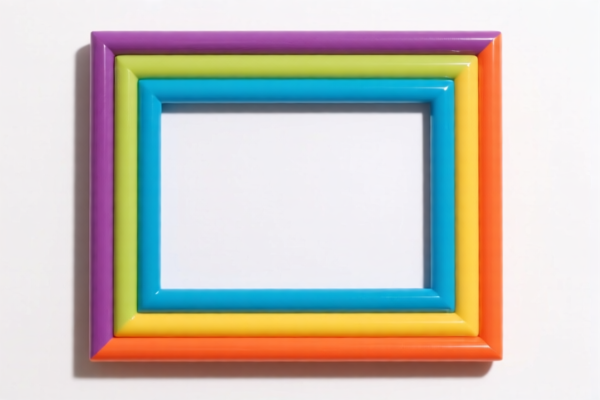
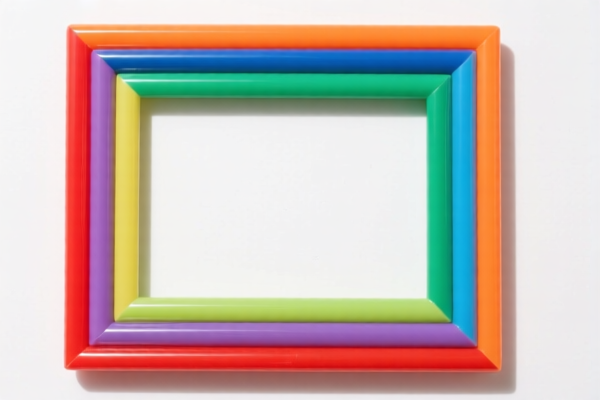
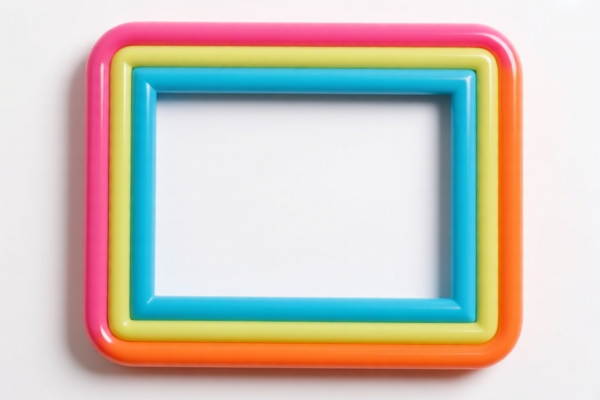

AI Analysis
🖼️ Plastic Multi-color Frame: The Ultimate Import Guide
🌐 HS Code Reference & Customs Clearance Strategy | 2026 Latest Tariff Analysis | Professional-Level Compliance Guide
📌 I. Product Definition: What is a "Plastic Multi-color Frame"?
A "Plastic Multi-color Frame" is a generic term that can refer to various items depending on its intended function and structural context. In international trade, the same physical object can fall into different Harmonized System (HS) codes based on primary use.
For example: - Is it a door frame for a building? - Is it a window frame? - Is it a picture frame? - Or is it just a generic plastic structural element?
⚠️ Critical Distinction:
- If it is part of a building structure (door/window) → Chapter 39 or 90.
- If it is for optical purposes (eyeglasses) → Chapter 90.
- If it is for decorative/artistic purposes (picture frame) → Chapter 39.
- If it is a generic plastic part with no specific end-use → Chapter 39.
📦 II. HS Code Classification Matrix (2026 Latest Tariff Data)
| HS Code | Product Description | Use Case | Key Characteristics |
|---|---|---|---|
3925.20.00.10 |
Plastic door frames | Building construction, residential/commercial doors | Plastic material, structural frame for doors |
3926.90.50.00 |
Plastic frames (general) | Generic plastic frames, decorative or industrial | Plastic material, "framed" appearance, no specific end-use |
9003.11.00.00 |
Plastic spectacle frames | Eyeglasses, sunglasses | Plastic material, optical use, lens-holding function |
3925.20.00.20 |
Plastic window frames | Building construction, windows | Plastic material, structural frame for windows |
3926.90.99.89 |
Other plastic articles | General plastic parts, accessories | Plastic material, "other" category, no specific fit |
9003.19.00.00 |
Other optical instrument frames | Non-spectacle optical devices (e.g., cameras, instruments) | Plastic material, other optical use |
💰 III. 2026 Tariff Rate Breakdown (Including Additional Duties)
✅ Applicable Country: United States (US)
✅ Country of Origin: China (CN)
✅ Effective Date: From November 10, 2025 (including subsequent imports)
🎯 1. 3925.20.00.10 – Plastic Door Frames
| Item | Detail |
|---|---|
| Basic Tariff | 5.3% |
| Section 301 Tariff | +7.5% |
| Section 122 Tariff | +10% |
| Total Tax Rate | 22.8% |
| Tax Calculation | CIF Value × 22.8% |
| De Minimis Exemption | ❌ Not Applicable |
| Legal Basis | USITC:3925.20.00.10 → Section 301: 7.5% → Section 122: 10% |
📌 Note:
- Door frames are considered building components; thus, they fall under 3925.
- High tariff burden due to Section 301 and Section 122 additions.
🎯 2. 3926.90.50.00 – Plastic Frames (General)
| Item | Detail |
|---|---|
| Basic Tariff | 3.8% |
| Section 301 Tariff | +7.5% |
| Section 122 Tariff | +10% |
| Total Tax Rate | 21.3% |
| Tax Calculation | CIF Value × 21.3% |
| De Minimis Exemption | ❌ Not Applicable |
| Legal Basis | USITC:3926.90.50.00 → Section 301: 7.5% → Section 122: 10% |
📌 Note:
- This code is used when the frame does not fit into specific categories like door/window frames or optical frames.
- Lower basic tariff (3.8%) but still subject to high additional duties.
🎯 3. 9003.11.00.00 – Plastic Spectacle Frames
| Item | Detail |
|---|---|
| Basic Tariff | 2.5% |
| Section 301 Tariff | +7.5% |
| Section 122 Tariff | +10% |
| Total Tax Rate | 20.0% |
| Tax Calculation | CIF Value × 20.0% |
| De Minimis Exemption | ❌ Not Applicable |
| Legal Basis | USITC:9003.11.00.00 → Section 301: 7.5% → Section 122: 10% |
📌 Note:
- Used specifically for eyeglass frames.
- If your product is used for other optical devices, use 9003.19.00.00.
🎯 4. 3925.20.00.20 – Plastic Window Frames
| Item | Detail |
|---|---|
| Basic Tariff | 5.3% |
| Section 301 Tariff | +7.5% |
| Section 122 Tariff | +10% |
| Total Tax Rate | 22.8% |
| Tax Calculation | CIF Value × 22.8% |
| De Minimis Exemption | ❌ Not Applicable |
| Legal Basis | USITC:3925.20.00.20 → Section 301: 7.5% → Section 122: 10% |
📌 Note:
- Similar to door frames, window frames are building components.
- Same tariff structure as door frames (22.8%).
🎯 5. 3926.90.99.89 – Other Plastic Articles
| Item | Detail |
|---|---|
| Basic Tariff | 5.3% |
| Section 301 Tariff | +7.5% |
| Section 122 Tariff | +10% |
| Total Tax Rate | 22.8% |
| Tax Calculation | CIF Value × 22.8% |
| De Minimis Exemption | ❌ Not Applicable |
| Legal Basis | USITC:3926.90.99.89 → Section 301: 7.5% → Section 122: 10% |
📌 Note:
- This is a catch-all category for plastic products not specified elsewhere.
- Use only if no other specific code fits.
🎯 6. 9003.19.00.00 – Other Optical Instrument Frames
| Item | Detail |
|---|---|
| Basic Tariff | 0.0% |
| Section 301 Tariff | +7.5% |
| Section 122 Tariff | +10% |
| Total Tax Rate | 17.5% |
| Tax Calculation | CIF Value × 17.5% |
| De Minimis Exemption | ❌ Not Applicable |
| Legal Basis | USITC:9003.19.00.00 → Section 301: 7.5% → Section 122: 10% |
📌 Note:
- This code is for non-spectacle optical frames (e.g., camera frames, instrument frames).
- Lowest total tax rate (17.5%) among all options, but only applicable if the product is truly for optical instruments.
🛠️ IV. Customs Clearance Best Practices
✅ 1. Documentation Checklist
| Document | Required | Notes |
|---|---|---|
| ✅ Product Description | ✔️ | Clearly state material (plastic), color, and intended use |
| ✅ Technical Specs | ✔️ | Dimensions, weight, mounting details |
| ✅ Photos | ✔️ | Show frame structure, color, and any branding |
| ✅ Commercial Invoice | ✔️ | Must match HS Code and description |
| ✅ Packing List | ✔️ | List items clearly to avoid confusion |
| ✅ Certificate of Origin | ✔️ | If claiming preferential rates |
✅ 2. Declaration Tips
🔥 "Use it or lose it!"
- If it’s a door frame, declare as3925.20.00.10.
- If it’s a window frame, declare as3925.20.00.20.
- If it’s an eyeglass frame, declare as9003.11.00.00.
- If it’s generic, declare as3926.90.50.00or3926.90.99.89.
| Scenario | Correct HS Code | Common Mistake |
|---|---|---|
| Plastic door frame | 3925.20.00.10 |
Misdeclare as 3926.90.99.89 → higher scrutiny |
| Plastic window frame | 3925.20.00.20 |
Misdeclare as 3925.20.00.10 → customs confusion |
| Eyeglass frame | 9003.11.00.00 |
Misdeclare as 3926.90.50.00 → incorrect classification |
| Generic plastic frame | 3926.90.50.00 |
Over-specific declaration → delays |
✅ 3. Special Cases
| Case | Handling Advice |
|---|---|
| Mixed-use frames | Provide documentation showing primary use |
| OEM/Custom frames | Include customer order and design specs |
| Sample shipments | Clearly mark as "Sample, Not for Resale" |
| High-value frames | Consider Advance Ruling to avoid classification disputes |
🌍 V. Global Market Comparison (2026)
| Country/Region | Recommended HS Code | Tariff | Notes |
|---|---|---|---|
| 🇺🇸 USA | Depends on use | 17.5%–22.8% | High additional duties for Chinese origin |
| 🇨🇳 China | Depends on use | ~5%–10% | Lower base tariffs, no Section 301 |
| 🇪🇺 EU | Depends on use | ~2%–5% | No additional duties, CE marking required |
| 🇯🇵 Japan | Depends on use | ~0%–5% | PSE certification for electrical frames |
📌 Key Insight:
- USA imposes the highest effective tariffs due to Section 301 and Section 122.
- EU and Japan have lower barriers, making them more attractive markets for plastic frames.
📌 VI. Common Pitfalls & How to Avoid Them
❌ Mistake 1: Declaring a door frame as a generic plastic frame
👉 Consequence: Customs may reclassify and apply higher scrutiny or penalties.
❌ Mistake 2: Ignoring Section 122 tariffs
👉 Consequence: Unexpected 10% surcharge on all imports.
❌ Mistake 3: Using vague descriptions like "Plastic Frame"
👉 Consequence: Customs delays due to unclear classification.
✅ Best Practice:
Use precise descriptions:
- "Plastic Door Frame, PVC, Multi-color, for Residential Use"
- "Plastic Eyeglass Frame, Acetate, Color: Black/Gold"
- "Plastic Window Frame, uPVC, White, Standard Size"
🎯 VII. Conclusion: Smart Classification Saves Money!
🎯 Remember:
🔹 "Use defines the HS Code!"
🔹 "Be specific, be accurate!"
🔹 "Tariffs vary, but classification is key!"
📌 Pro Tip:
If your product is originating from Vietnam, Thailand, or Malaysia, you may qualify for IEEPA exemptions, reducing tariffs significantly.
✅ Apply for Advance Ruling to ensure correct classification and avoid post-entry audits.
📣 Action Plan:
📞 Contact a licensed customs broker.
📸 Provide product photos and specs.
📄 Apply for an HS Code Advance Ruling from U.S. Customs.
✨ Professional classification, seamless clearance, maximum profit!
💼 Every duty point matters!
Customer Reviews
About HS Code Classification
The Harmonized System (HS) is an internationally standardized nomenclature developed by the World Customs Organization (WCO) to classify traded products. Over 200 countries use the HS system as the basis for customs tariffs, trade statistics, and import/export regulations.
Each HS code follows a hierarchical structure:
- Chapter (2 digits) — Broad category of goods (e.g., Chapter 84: Machinery and Mechanical Appliances)
- Heading (4 digits) — More specific grouping within the chapter
- Subheading (6 digits) — Internationally standardized breakdown, used by all WCO member countries
- National subdivisions (8-10 digits) — Country-specific extensions for further classification, such as US HTSUS 10-digit codes
Correct HS code classification is essential for smooth customs clearance, accurate duty payment, and compliance with trade regulations. Misclassification can lead to customs delays, overpayment of duties, or penalties.
When importing from CN to US, the applicable tariff rates may include:
- Most-Favored-Nation (MFN) rate — The standard duty rate applied to WTO members
- General rate — Applied to countries without trade agreements
- Trade remedy duties — Additional tariffs such as Section 301 (anti-dumping), Section 232 (national security), or countervailing duties
The information provided on this page is for reference purposes only. For official classification, please consult with your local customs authority or a licensed customs broker.