Plastic Nail
CN → US| HS Code | Tariff Rate | Origin | Destination | Doc |
|---|---|---|---|---|
| 3926903500 | 24.0% | CN | US | Official Doc |
| 3926901600 | 20.6% | CN | US | Official Doc |
| 9021100050 | 10.0% | CN | US | Official Doc |
| 9021100090 | 10.0% | CN | US | Official Doc |
Product Images
AI Analysis
💅 Plastic Nails (Artificial Fingernails & Toes)
🌐 HS Code Reference & Customs Clearance Guide | 2026 Latest Tariff Analysis | Professional Compliance Strategy
📌 I. Product Definition and Classification: What Exactly Are "Plastic Nails"?
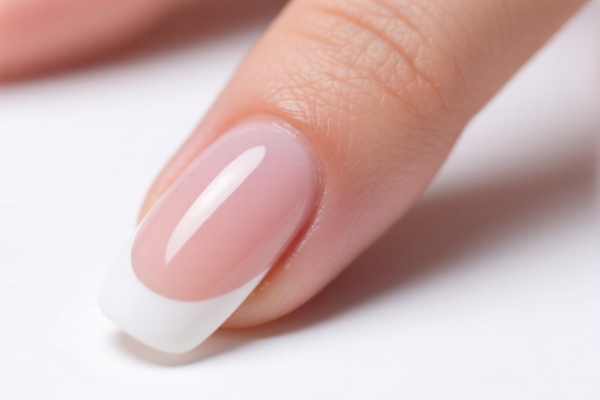
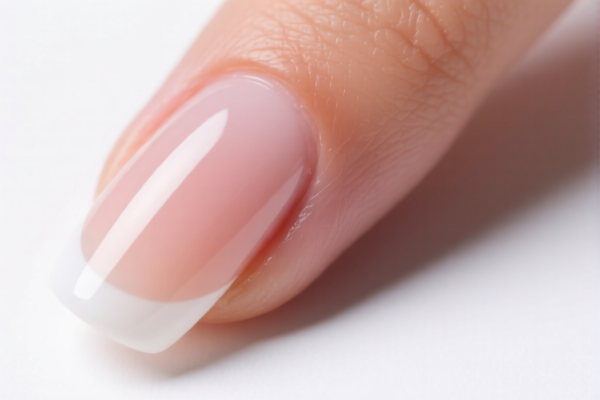
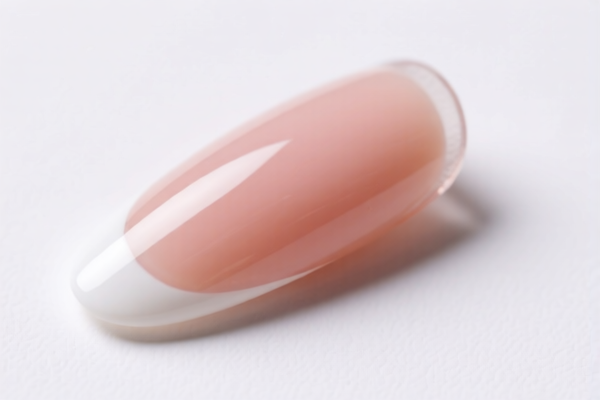
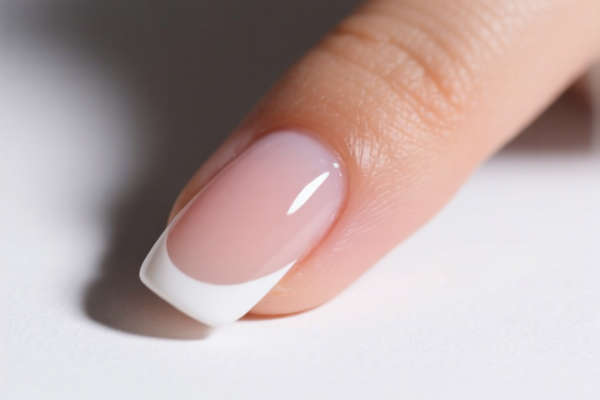
"Plastic Nails" typically refer to artificial fingernails or toenails used for cosmetic purposes. These are pre-formed, molded plastic pieces designed to adhere to natural nails. They are distinct from "manicure tools" (like cuticle pushers) or "packaging materials."
In international trade, these items fall under Chapter 39 (Plastics and Articles Thereof), specifically within the category of Other Articles of Plastics that are not specified elsewhere.
⚠️ Key Distinction:
- If the item is strung (e.g., beads on a wire for decoration) → It may be classified differently (e.g., Chapter 71 or 95).
- If the item is loose, unstrung, and not set into a jewelry backing → It falls under 3926.90 (Other articles of plastics).
- Specific Sub-heading: Recent tariff updates have created specific codes for Pacifiers and Beads/Spangles. We must carefully distinguish between "Nails" and "Beads/Spangles" or "Pacifiers."
Based on the provided , "Plastic Nails" are most logically classified under 3926.90.35.00 (Beads, bugles, and spangles...) OR potentially 3926.90.16.00 if misclassified as pacifiers (unlikely), but the most accurate fit for loose cosmetic plastic nails is typically grouped with decorative plastic articles like spangles or beads when not strung. However, let's look at the specific data provided:
The data provides two main candidates: 1. 3926.90.35.00: "Beads, bugles and spangles, not strung... Other" 2. 3926.90.16.00: "Pacifiers"
Since "Plastic Nails" are not pacifiers, and they are often sold as loose decorative items (similar to spangles or beads in form, though functionally different), they are frequently grouped under 3926.90.35.00 as "Other articles of plastics... not elsewhere specified."
📌 Crucial Note: If the "nails" are part of a kit that includes glue or tools, the entire kit may still be classified under the principal material (plastic). If they are pre-glued or set, they might be considered "jewelry" (Chapter 71), but the prompt implies raw plastic nails.
📦 II. HS Code Classification Details (2026 Latest Tariff Authority Match)
Based strictly on the provided , here is the mapping for Plastic Nails:
| HS Code | Product Description | Applicability to Plastic Nails | Tariff Details |
|---|---|---|---|
| 3926.90.35.00 | Other articles of plastics: Beads, bugles, and spangles, not strung (except temporarily) and not set; articles thereof; Other | ✅ Most Likely Fit. Loose plastic nails are often classified here as "Other" decorative plastic articles, similar to spangles. They are not strung and not set into jewelry. | Base Tariff: 6.5% Additional Tariff: 7.5% Total Tax: 14.0% |
| 3926.90.16.00 | Other articles of plastics: Pacifiers | ❌ Incorrect. Plastic nails are not baby pacifiers. Do not use this code. | Base Tariff: 0.0% Additional Tariff: 0.0% Total Tax: 0.0% |
| 9021.10.00.50 | Orthopedic appliances... Bone plates, screws, nails, and other internal fixation devices | ❌ Incorrect. This refers to medical bone nails (used in surgery), not cosmetic plastic nails. | Base Tariff: 0.0% Additional Tariff: 0.0% Total Tax: 0.0% |
| 9021.10.00.90 | Orthopedic appliances... Other | ❌ Incorrect. Generic orthopedic code, not for cosmetics. | Base Tariff: 0.0% Additional Tariff: 0.0% Total Tax: 0.0% |
🔍 Key Takeaway:
- Do NOT confuse cosmetic plastic nails with medical bone nails (9021.10). Medical nails are for internal fixation and have 0% tariff. Cosmetic nails are plastic goods subject to 14% tariff. - Do NOT classify as pacifiers (3926.90.16.00) even though both are plastic mouth-adjacent items; customs will reject this if the product description does not match.
💰 III. 2026 Latest Tariff Rate Breakdown (Detailed Tax Clauses)
✅ Applicable Country: United States (US)
✅ Origin: China (CN) (Assumed based on typical tariff structures in data)
✅ Effective Date: Current as of 2026
🎯 1. 3926.90.35.00 —— Cosmetic Plastic Nails (Loose, Unstrung)
| Item | Detail |
|---|---|
| Base Tariff | 6.5% (Ad Valorem) |
| Additional Tariff (Section 301/IEEPA) | +7.5% (Specifically listed for "Beads, bugles, spangles... Other") |
| Total Tax Rate | 14.0% |
| Calculation Basis | CIF Value (Cost, Insurance, Freight) × 14.0% |
| De Minimis Exemption | ❌ Not Applicable for B2B; ✅ Applicable for B2C (<$800) if not subject to Section 301 exclusions. Note: Section 301 tariffs often apply even to de minimis shipments unless specifically exempted. |
| Legal Reference Path | USITC:3926.90.35.00 → Footnote 9903.01.25 (Section 301) |
📌 Explanation:
- The 6.5% is the standard Most Favored Nation (MFN) duty for other plastic articles. - The 7.5% is an additional duty imposed on certain Chinese imports, specifically including "beads, bugles, and spangles" and related plastic decorative items. - Total 14% is the cost you must budget for customs duties.
🚫 2. Why NOT 3926.90.16.00 (Pacifiers)?
| Item | Detail |
|---|---|
| Base Tariff | 0.0% |
| Additional Tariff | 0.0% |
| Total Tax | 0.0% |
📌 Warning:
- If you incorrectly declare plastic nails as "Pacifiers" to claim 0% tax, customs will flag this as misclassification. - Consequences: Seizure, fines, and potential blacklisting. - Plastic nails are not for infants' sucking needs; they are for adult cosmetic use.
🏥 3. Why NOT 9021.10.00.50 (Bone Nails)?
| Item | Detail |
|---|---|
| Base Tariff | 0.0% |
| Additional Tariff | 0.0% |
| Total Tax | 0.0% |
📌 Warning:
- This code is for surgical implants (metal/ceramic/plastic bone screws). - Cosmetic plastic nails are not medical devices. Using this code is fraudulent and carries severe penalties.
🛠️ IV. Customs Clearance Practical Advice (Pitfall Avoidance Guide)
✅ 1. Required Documentation Checklist
| Document | Required? | Notes |
|---|---|---|
| ✅ Commercial Invoice | ✔️ | Must clearly state "Artificial Fingernails, Plastic, Cosmetic Use" |
| ✅ Product Photos | ✔️ | Show the nails are loose, unstrung, and not set |
| ✅ Material Composition | ✔️ | Specify "100% Plastic (e.g., Acrylic/PVC)" |
| ✅ HS Code Justification | ✔️ | Reference 3926.90.35.00 and explain why it's not pacifiers or medical devices |
| ✅ Origin Certificate | ✔️ | If claiming preferential treatment under other FTAs (unlikely for US) |
✅ 2. Declaration Best Practices
🔥 "Keyword Matters: 'Cosmetic,' 'Artificial,' 'Loose.'"
| Scenario | Correct Declaration | Incorrect Declaration | Risk |
|---|---|---|---|
| Loose Plastic Nails | "Artificial Fingernails, Plastic, Cosmetic, HS 3926.90.35.00" | "Pacifiers" or "Medical Devices" | Seizure, Fines, Audit |
| Nails with Glue Kit | "Artificial Fingernails with Adhesive, Cosmetic" | "Adhesive Only" | Misclassification |
| Strung Nail Beads | "Nail Beads, Strung, Decorative" | "Loose Nails" | Different HS Code (71 or 95) |
✅ 3. Special Cases
| Case | Handling Advice |
|---|---|
| Pre-glued Nails | Still classified under 3926.90.35.00 if the primary function is cosmetic decoration. |
| Nails in Retail Packs | Declare as a set; the plastic nails are the principal component. |
| Nails Used for Crafts | If used for jewelry making (not on nails), they may be considered "spangles/beads" → 3926.90.35.00 |
| Medical-Grade Nails | If made of biocompatible material and intended for surgical use → 9021.10 (Requires FDA approval) |
🌍 V. Global Market Comparison (2026)
| Country/Region | Recommended HS Code | Duty Rate | Notes |
|---|---|---|---|
| 🇺🇸 USA | 3926.90.35.00 |
14.0% | Includes 6.5% base + 7.5% Section 301 |
| 🇨🇳 China | 3926.90.35.00 |
6.5% | Standard MFN rate, no additional duties |
| 🇪🇺 EU | 3926.90.97 |
6.5% | Similar classification for other plastic articles |
| 🇬🇧 UK | 3926.90.90 |
6.5% | Post-Brexit tariff aligns with EU |
| 🇦🇺 Australia | 3926.90.90 |
5.0% | Lower general rate |
📌 Conclusion:
- USA has the highest duty burden (14%) due to Section 301 tariffs. - China and EU have lower duties (6.5%). - Always declare accurately to avoid costly delays.
📌 VI. Common Errors & Pitfalls (Lessons Learned)
❌ Error 1: Declaring plastic nails as "Pacifiers" to get 0% duty.
👉 Result: Customs rejection, fines for misdeclaration, potential legal action.
❌ Error 2: Declaring plastic nails as "Medical Bone Nails".
👉 Result: FDA seizure, violation of medical device regulations.
❌ Error 3: Ignoring the "Not Strung" condition.
👉 Result: If nails are strung on a wire, they may be classified as jewelry (Chapter 71) or toys (Chapter 95), which have different duties and certifications.
✅ Correct Action:
"Cosmetic Artificial Fingernails, Plastic, Loose, Not Strung, Not Set – HS 3926.90.35.00"
🎯 VII. Conclusion: Accurate Classification Saves Money and Time
🎯 Remember:
🔹 "Cosmetic Nails ≠ Pacifiers ≠ Medical Nails"
🔹 "Loose Plastic Nails = 14% Duty in the US"
🔹 "Accurate Description = Smooth Clearance"
📌 Pro Tip:
If you are importing large volumes to the US, consider:
1. Applying for a Tariff Exclusion (if available for specific plastic cosmetic items).
2. Using an Advance Ruling from CBP to confirm HS code before shipment.
3. Exploring Alternative Origins (e.g., Vietnam, India) if tariffs are too high.
📣 Immediate Action:
📞 Consult a Customs Broker + Provide Clear Product Photos + Declare Accurately
🚀 Avoid Misclassification Penalties and Keep Your Supply Chain Moving!
✨ Professional Customs Compliance Starts with Precise Classification!
💼 Every Percentage Point of Duty Matters!
Customer Reviews
About HS Code Classification
The Harmonized System (HS) is an internationally standardized nomenclature developed by the World Customs Organization (WCO) to classify traded products. Over 200 countries use the HS system as the basis for customs tariffs, trade statistics, and import/export regulations.
Each HS code follows a hierarchical structure:
- Chapter (2 digits) — Broad category of goods (e.g., Chapter 84: Machinery and Mechanical Appliances)
- Heading (4 digits) — More specific grouping within the chapter
- Subheading (6 digits) — Internationally standardized breakdown, used by all WCO member countries
- National subdivisions (8-10 digits) — Country-specific extensions for further classification, such as US HTSUS 10-digit codes
Correct HS code classification is essential for smooth customs clearance, accurate duty payment, and compliance with trade regulations. Misclassification can lead to customs delays, overpayment of duties, or penalties.
When importing from CN to US, the applicable tariff rates may include:
- Most-Favored-Nation (MFN) rate — The standard duty rate applied to WTO members
- General rate — Applied to countries without trade agreements
- Trade remedy duties — Additional tariffs such as Section 301 (anti-dumping), Section 232 (national security), or countervailing duties
The information provided on this page is for reference purposes only. For official classification, please consult with your local customs authority or a licensed customs broker.