Plastic Non woven Wall Covering
CN → US| HS Code | Tariff Rate | Origin | Destination | Doc |
|---|---|---|---|---|
| 3921901100 | 39.2% | CN | US | Official Doc |
| 3921901910 | 40.3% | CN | US | Official Doc |
| 3921901910 | 40.3% | CN | US | Official Doc |
| 3921901100 | 39.2% | CN | US | Official Doc |
Product Images
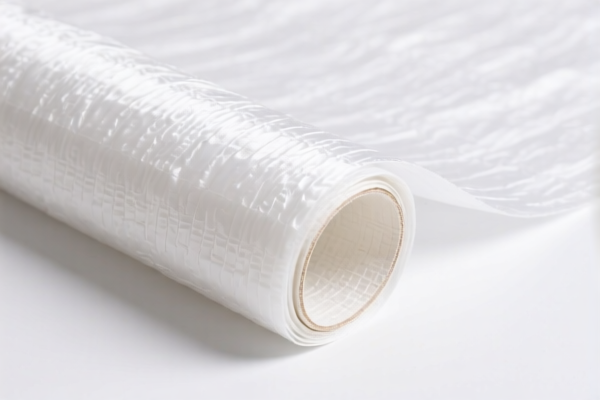
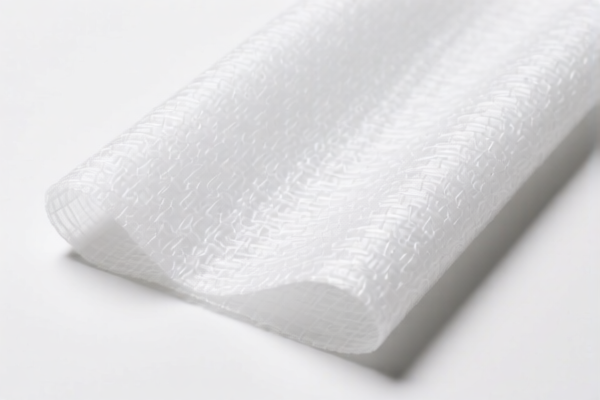
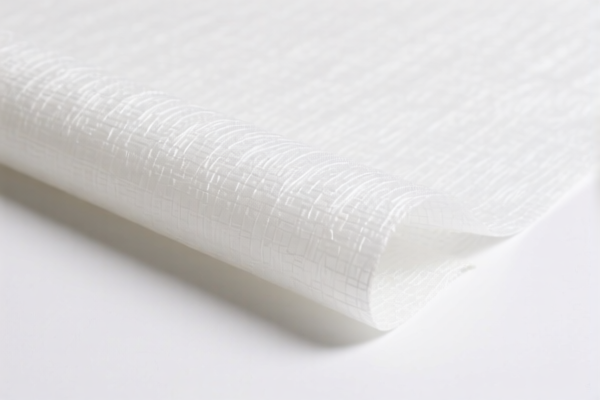
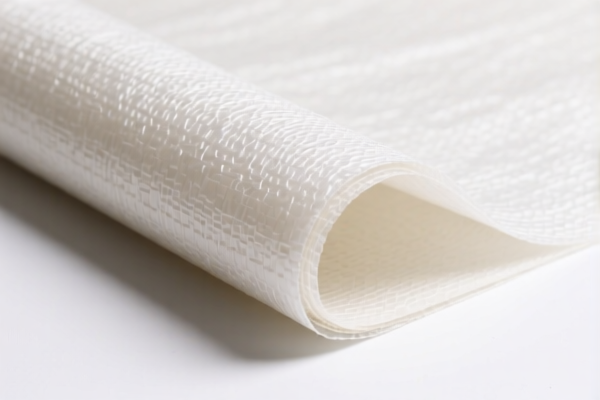
AI Analysis
🖌️ Plastic Non-Woven Wall Covering (Wallpaper & Wall Decor Films)
🌐 HS Code Reference & Customs Clearance Guide | 2026 Latest Tariff Analysis | Professional Clearance Strategy
📌 I. Product Definition & Classification: Understanding "Plastic Non-Woven Wall Coverings"
Plastic Non-Woven Wall Coverings are decorative materials primarily composed of plastic (polymer) combined with non-woven textile substrates. In international trade, these products fall under Chapter 39 (Plastics and Articles Thereof), specifically within heading 3921 (Other plates, sheets, film, foil and strip, of plastics).
The classification depends on two key factors: 1. Material Composition: Is it dominated by plastic (>70%) or a mix with textile? 2. Physical Form: Is it a specific "wallpaper" (often grouped with plate/film types) or a general "decorative film/substrate"?
⚠️ Key Distinction:
- If the product is explicitly "Spunbond Non-Woven Plastic Wallpaper" → Typically falls under 3921.90.11.00 (Higher plastic content, specific wallpaper designation).
- If the product is a "Plastic Wall Decor Film / Non-Woven Substrate" used for decoration → Typically falls under 3921.90.19.10 (General decorative film, mixed material characteristics).
📦 II. HS Code Classification Details (2026 Latest Tariff Authority Comparison)
Based on the provided data, there are two primary HS Codes with slight variations in summary description but distinct tax implications.
| HS Code | Product Summary | Key Characteristics | Plastic Weight Share |
|---|---|---|---|
3921.90.11.00 |
Spunbond Non-Woven Plastic Wallpaper | Dominated by plastic; Plate/Film form; Combined with textiles. | High (>70%) ✅ |
3921.90.19.10 |
Plastic Wall Decor Film / Non-Woven Substrate | Plastic-based film/folium; Non-woven substrate is textile; Lightweight. | Mixed/Specific ⚠️ |
🔍 Critical Note:
- Both codes involve Plastic + Textile (Non-Woven) combinations.
- The difference lies in the specific application description ("Wallpaper" vs. "Decorative Film/Substrate") and the specific plastic content thresholds interpreted by customs.
- 3921.90.11.00 is often used for "Wallpaper" where plastic weight is clearly dominant.
- 3921.90.19.10 is used for "Wall Decor Films" or substrates where the textile/non-woven aspect is more prominent or the plastic share is slightly lower/different.
💰 III. 2026 Latest Tariff Rate Breakdown (Including Surcharges)
✅ Applicable Country: United States (US)
✅ Origin: China (CN)
✅ Effective Date: Current (Includes ongoing Section 301 and IEEPA surcharges)
🎯 1. 3921.90.11.00 —— Spunbond Non-Woven Plastic Wallpaper
| Item | Detail |
|---|---|
| Base Tariff | 4.2% (Ad Valorem) |
| Section 301 Surcharge | +25.0% (25% additional duty) |
| Section 122 Surcharge | +10.0% (Specific provision for certain textile/plastic mixes) |
| Total Tax Rate | 39.2% |
| Tax Calculation | CIF Value × 39.2% |
| De Minimis Eligibility | ❌ Not Applicable (High tariff items usually excluded or require full entry) |
| Legal Basis Path | HTSUS: 3921.90.11.00 → Section 301: Footnote 3 → IEEPA: Section 122 |
📌 Explanation:
- The 25% is the standard Section 301 tariff on Chinese goods under Heading 3921.
- The 10% is a specific "Section 122" tariff, often applied to goods that might otherwise be classified under textiles but have significant plastic content, or vice versa, to prevent duty evasion.
- Total: 39.2%. This is a high-cost item for US importers.
🎯 2. 3921.90.19.10 —— Plastic Wall Decor Film / Non-Woven Substrate
| Item | Detail |
|---|---|
| Base Tariff | 5.3% (Ad Valorem) |
| Section 301 Surcharge | +25.0% (25% additional duty) |
| Section 122 Surcharge | +10.0% (Specific provision for certain textile/plastic mixes) |
| Total Tax Rate | 40.3% |
| Tax Calculation | CIF Value × 40.3% |
| De Minimis Eligibility | ❌ Not Applicable |
| Legal Basis Path | HTSUS: 3921.90.19.10 → Section 301: Footnote 3 → IEEPA: Section 122 |
📌 Note:
- The base tariff is slightly higher (5.3% vs 4.2%) than3921.90.11.00.
- Surcharges remain identical (+35% total).
- Total: 40.3%.
- Result: Importing under3921.90.19.10is $1.1\%$ more expensive than3921.90.11.00if all other values are equal.
🛠️ IV. Customs Clearance Practical Advice (Pitfall Avoidance Guide)
✅ 1. Document Preparation Checklist (Non-Negotiable)
| Document | Mandatory? | Purpose |
|---|---|---|
| Product Specification Sheet | ✔️ | Must detail: Plastic type (e.g., PVC, PE), Non-woven fabric weight, Thickness, Width. |
| Composition Breakdown | ✔️ | Crucial: Must specify the weight percentage of Plastic vs. Textile. This determines if it fits 3921.90.11.00 or 3921.90.19.10. |
| Product Photos | ✔️ | Show texture, backing, and any printed patterns. |
| Commercial Invoice | ✔️ | Description must match HS Code summary (e.g., "Spunbond Non-Woven Plastic Wallpaper" vs. "Plastic Decorative Film"). |
| Packing List | ✔️ | Confirm net weight and dimensions. |
| Letter of Authorization (if OEM) | ✔️ | If branding is involved. |
✅ 2. Declaration Tips (Key Mantras)
🔥 "Be Specific on Material, Weight Matters, Name Matches Code!"
| Scenario | Recommended HS Code | Why? |
|---|---|---|
| Wallpaper with clear plastic backing (>70% plastic) | 3921.90.11.00 |
Lower base rate (4.2%), explicitly fits "Wallpaper" definition. |
| General Decorative Film with Non-Woven Backing | 3921.90.19.10 |
Fits "Decorative Film/Substrate" description; slightly higher base rate. |
| Product with >10% Textile Weight but <70% Plastic | 3921.90.19.10 |
May not qualify as "Plastic Dominated" for 11.00. |
| Pure Textile Wall Covering (No Plastic) | NOT 3921 | Would fall under Chapter 59 or 63. Misclassification leads to penalties. |
⚠️ Warning:
Do NOT declare as "Textile Wallpaper" (Chapter 59) to avoid plastic tariffs. If it contains plastic plates/films as a main constituent, Chapter 39 applies. Customs will reject textile-only declarations for plastic-heavy items.
✅ 3. Special Handling Cases
| Case | Advice |
|---|---|
| Mixed Packaging | If plastic wall covering is packed with textile curtains, declare separately. Mixing chapters increases audit risk. |
| Sample Shipments | Even samples are subject to duty if value exceeds de minimis thresholds for this HS code. Ensure "Gift" or "Sample" status is justified and documented. |
| Origin Verification | Ensure the Non-Woven Fabric and Plastic Film are both processed in China to confirm CN origin. If plastic is from USA but assembled in China, origin may still be CN, triggering surcharges. |
🌍 V. Global Market Comparison (2026 Latest)
| Country/Region | Recommended HS Code | Estimated Total Duty (China Origin) | Remarks |
|---|---|---|---|
| 🇺🇸 USA | 3921.90.11.00 or 3921.90.19.10 |
39.2% - 40.3% | High Section 301 + Section 122 surcharges. |
| 🇨🇳 China | 3921.90.11.00 / 3921.90.19.10 |
~5% - 9% (Import Duty) | Lower duties; no Section 301/122. |
| 🇪🇺 EU | 3921.90 |
~3% - 6% | No additional surcharges; VAT applies separately. |
| 🇬🇧 UK | 3921.90 |
~6% - 9% | Post-Brexit tariffs; no US-style surcharges. |
| 🇨🇦 Canada | 3921.90 |
~5% - 7% | MFN rates apply. |
📌 Conclusion:
- The USA is significantly more expensive due to political tariffs (301/122).
- For cost optimization, ensure the most accurate HS Code is used (3921.90.11.00is slightly cheaper than3921.90.19.10).
- Consider duty drawbacks or bonded warehouses if warehousing in the US.
📌 VI. Common Errors & Pitfall Guide (Lessons Learned)
❌ Error 1: Declaring as "Textile Wallpaper" (Chapter 59) to avoid plastic tariffs.
👉 Consequence: Customs audit, seizure, and retroactive application of 39.2% + penalties.
❌ Error 2: Ignoring the Section 122 10% surcharge.
👉 Consequence: Underpayment of duty. The 10% is mandatory for these mixed material goods from China.
❌ Error 3: Vague Description: "Wall Covering".
👉 Consequence: Delayed clearance. Customs will ask for detailed composition. Provide: "Spunbond Non-Woven, PVC Coated, Wall Decor, Plastic Weight >70%".
❌ Error 4: Confusing "Non-Woven" with "Textile Weave".
👉 Consequence: Non-woven is treated differently in Chapter 39 vs Chapter 59. Ensure the term "Non-Woven" is used in documentation.
✅ Correct Approach:
"Spunbond Non-Woven Plastic Wallpaper, PVC-based, Plastic Content >70%, 10.5m x 0.53m, Roll, HS 3921.90.11.00"
🎯 VII. Conclusion: Precision Classification Saves Money!
🎯 Remember:
🔹 "Plastic Dominant = 3921.90.11.00 (39.2%)"
🔹 "Decorative Film/Substrate = 3921.90.19.10 (40.3%)"
🔹 "Section 301 + 122 = 35% Surcharge"
🔹 "Accurate Weight % Declaration is Key!"
📌 Pro Tip:
If your product's plastic content is below 70%, do NOT use 3921.90.11.00. Use 3921.90.19.10 or consult if it falls under Chapter 59. Misclassification leads to significant duty gaps.
📣 Immediate Action:
📞 Provide detailed composition ratios to your customs broker.
📄 Ensure invoices state "Spunbond Non-Woven" and "Plastic Film" clearly.
🚀 Plan for ~40% landed duty cost for US shipments from China.
✨ Professional Customs Clearance Starts with Accurate Classification!
💼 Every percentage point counts in global trade!
Customer Reviews
About HS Code Classification
The Harmonized System (HS) is an internationally standardized nomenclature developed by the World Customs Organization (WCO) to classify traded products. Over 200 countries use the HS system as the basis for customs tariffs, trade statistics, and import/export regulations.
Each HS code follows a hierarchical structure:
- Chapter (2 digits) — Broad category of goods (e.g., Chapter 84: Machinery and Mechanical Appliances)
- Heading (4 digits) — More specific grouping within the chapter
- Subheading (6 digits) — Internationally standardized breakdown, used by all WCO member countries
- National subdivisions (8-10 digits) — Country-specific extensions for further classification, such as US HTSUS 10-digit codes
Correct HS code classification is essential for smooth customs clearance, accurate duty payment, and compliance with trade regulations. Misclassification can lead to customs delays, overpayment of duties, or penalties.
When importing from CN to US, the applicable tariff rates may include:
- Most-Favored-Nation (MFN) rate — The standard duty rate applied to WTO members
- General rate — Applied to countries without trade agreements
- Trade remedy duties — Additional tariffs such as Section 301 (anti-dumping), Section 232 (national security), or countervailing duties
The information provided on this page is for reference purposes only. For official classification, please consult with your local customs authority or a licensed customs broker.