Plastic OPP Bag
CN → US| HS Code | Tariff Rate | Origin | Destination | Doc |
|---|---|---|---|---|
| 3926909905 | 22.8% | CN | US | Official Doc |
| 3919905060 | 40.8% | CN | US | Official Doc |
| 3923290000 | 38.0% | CN | US | Official Doc |
| 3923210095 | 38.0% | CN | US | Official Doc |
| 3926909989 | 22.8% | CN | US | Official Doc |
Product Images

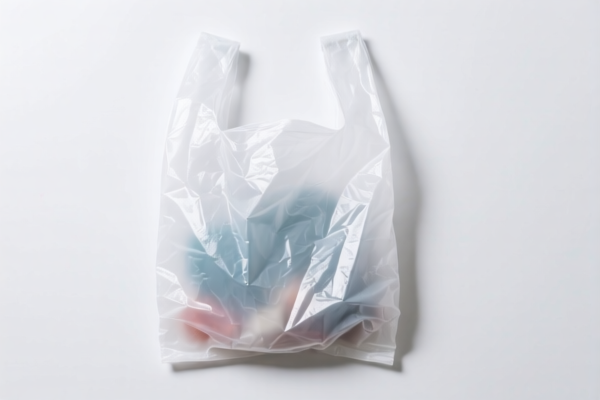

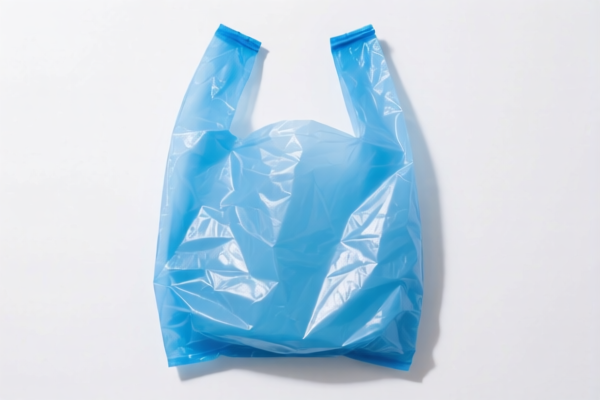
AI Analysis
🎯 Plastic OPP Bag (Polypropylene Plastic Bag) – HS Code & Tariff Guide 2026 | Expert Customs Clearance Strategy
🌐 HS Code Reference & Clearance Handbook | 2026 Updated Tariff Rules | Pro-Level Import Planning
📦 I. Product Definition & Classification: What Is a Plastic OPP Bag?
A Plastic OPP Bag is a flexible, transparent or semi-transparent bag made from oriented polypropylene (OPP) — a type of thermoplastic polymer known for its clarity, strength, and moisture resistance. These bags are widely used in retail packaging, food wrapping, garment protection, and e-commerce shipping.
⚠️ Key Classification Point:
- If the bag is plastic-based, bag-shaped, and meets the definition of a packaging item, it falls under plastic packaging goods under HS Code 3923.29.00.00 or 3923.21.00.95.
- Not considered a "textile" or "non-woven" bag — even if it looks similar.
🔍 II. HS Code Breakdown (2026 Updated Tariff Authority)
| HS Code | Product Description | Applicable Scenario | Tax Rate | Notes |
|---|---|---|---|---|
3923.29.00.00 |
Plastic (OPP-based) bags, conforming to definition of plastic packaging | Standard OPP bags, retail packaging, food wrap, garment bags | 38.0% | Primary classification for OPP bags |
3923.21.00.95 |
Plastic bags made from ethylene polymers, bag-shaped, no conflict | Similar to OPP but derived from ethylene-based polymers | 38.0% | High overlap with OPP; same tariff |
3926.90.99.89 |
Other plastic articles not specified, bag-shaped, unlisted | Generic plastic bags, odd shapes, non-standard use | 22.8% | Lower rate, but only if not clearly OPP/ethylene |
3919.10.20.55 |
Flat plastic products, general-purpose, "catch-all" category | Flat plastic sheets, pouches, non-standard bags | 40.8% | Highest rate — avoid unless no better fit |
3926.90.99.05 |
Plastic bags, bag-shaped, fits general plastic product rules | Common for simple, unbranded plastic bags | 22.8% | Alternative to 3926.90.99.89 |
✅ Best Fit:
-3923.29.00.00or3923.21.00.95→ Preferred for OPP and ethylene-based plastic bags
- Avoid3919.10.20.55unless absolutely necessary (highest tax)
💰 III. 2026 Tariff Breakdown (U.S. Market – China Origin)
✅ Target Country: United States (US)
✅ Origin: China (CN)
✅ Effective Date: November 10, 2025 (including future imports)
🎯 1. 3923.29.00.00 – OPP Plastic Bags (Plastic Packaging)
| Item | Detail |
|---|---|
| Base Tariff | 3.0% (ad valorem) |
| Section 301 (USITC) Additional Duty | +25.0% |
| Section 301 (IEEPA) 122 Clause Duty | +10.0% |
| Total Effective Rate | 38.0% |
| Tax Calculation | CIF Value × 38.0% |
| De Minimis Exemption | ❌ Not available (denied under U.S. law) |
| Legal Basis Path | IEEPA:9903.01.25 → IEEPA:9903.01.24 → USITC:3923.29.00.00 → FOOTNOTE:9903.88.01 |
📌 Explanation:
- 25% USITC = From Section 301 of the U.S. Trade Act (targeting China’s IP practices).
- 10% IEEPA 122 Clause = From International Emergency Economic Powers Act, applied to Chinese-origin goods since 2025.
- Combined = 38% — one of the highest tariffs on consumer packaging.
🎯 2. 3923.21.00.95 – Ethylene Polymer Plastic Bags
| Item | Detail |
|---|---|
| Base Tariff | 3.0% |
| USITC Additional Duty | +25.0% |
| IEEPA 122 Clause Duty | +10.0% |
| Total Effective Rate | 38.0% |
| Tax Calculation | CIF × 38.0% |
| De Minimis Exemption | ❌ Not available |
| Legal Basis Path | Same as above — IEEPA:9903.01.25 → USITC:3923.21.00.95 → FOOTNOTE:9903.88.01 |
📌 Note:
- Ethylene-based plastics (like LDPE/LLDPE) are treated identically to OPP under U.S. tariff rules.
- Even if your bag is not OPP, but made from ethylene polymers, same 38% rate applies.
🎯 3. 3926.90.99.89 & 3926.90.99.05 – Other Unlisted Plastic Bags
| Item | Detail |
|---|---|
| Base Tariff | 5.3% |
| USITC Additional Duty | +7.5% |
| IEEPA 122 Clause Duty | +10.0% |
| Total Effective Rate | 22.8% |
| Tax Calculation | CIF × 22.8% |
| De Minimis Exemption | ✅ Available (if value < $800) |
| Legal Basis Path | IEEPA:9903.01.25 → IEEPA:9903.01.24 → USITC:3926.90.99.89 → FOOTNOTE:9903.88.01 |
📌 Key Advantage:
- Lower total rate (22.8%) vs. 38%
- De Minimis applies → No duty if value < $800
- Use only if the bag does not clearly fit under 3923.29.00.00 or 3923.21.00.95
🎯 4. 3919.10.20.55 – Flat Plastic Products (Catch-All)
| Item | Detail |
|---|---|
| Base Tariff | 5.8% |
| USITC Additional Duty | +25.0% |
| IEEPA 122 Clause Duty | +10.0% |
| Total Effective Rate | 40.8% |
| Tax Calculation | CIF × 40.8% |
| De Minimis Exemption | ❌ Not available |
| Legal Basis Path | IEEPA:9903.01.25 → USITC:3919.10.20.55 → FOOTNOTE:9903.88.01 |
⚠️ Avoid at All Costs: - Highest rate (40.8%)
- Used only when no other HS code applies
- Risk of audit, penalties, and delays
🛠️ IV. Customs Clearance Best Practices (Pro Tips to Avoid Penalties)
✅ 1. Required Documentation (Must-Have)
| Document | Required? | Why It Matters |
|---|---|---|
| ✅ Product Specifications | ✔️ | Prove material (OPP/ethylene), shape, thickness |
| ✅ Material Safety Data Sheet (MSDS) | ✔️ | Confirm plastic type (polypropylene vs. polyethylene) |
| ✅ High-Res Product Photos | ✔️ | Show transparency, thickness, closure type |
| ✅ Commercial Invoice | ✔️ | Must state: “Plastic OPP Bag, for Packaging Use” |
| ✅ Certificate of Origin (CO) | ✔️ | Critical for tariff eligibility |
| ✅ Packing List | ✔️ | Show bag dimensions, quantity, packaging type |
| ✅ Third-Party Test Report (e.g., RoHS, REACH) | ✔️ | Helps avoid suspicion of non-compliant materials |
✅ 2.申报技巧(Pro申报 Strategy)
🔥 “Material First, Shape Second, Tax Last!”
| Scenario | Correct HS Code | Wrong Choice | Risk |
|---|---|---|---|
| OPP bag, 20×30 cm, clear, used for retail | 3923.29.00.00 |
3919.10.20.55 |
40.8% → 2.8% higher |
| Ethylene-based bag, same size | 3923.21.00.95 |
3926.90.99.89 |
38% → 22.8% → Save 15.2% |
| Bag with no clear material, odd shape | 3926.90.99.89 |
3923.29.00.00 |
Risk of misclassification |
| Bag used for industrial packaging | 3926.90.99.05 |
3923.29.00.00 |
May trigger audit |
✅ 3. Special Cases & Workarounds
| Situation | Recommended Action |
|---|---|
| Mixed bags (OPP + PE) | Split by material type; use 3923.29.00.00 for OPP, 3923.21.00.95 for PE |
| Custom-printed OPP bags | Still qualify for 3923.29.00.00 — printing doesn’t change classification |
| Bags with handles or zippers | Still fall under 3923.29.00.00 — not "bags with closures" like 3923.29.00.00 |
| Bulk shipment (10,000+ units) | Consider pre-ruling application to lock in HS code |
| Exporting to EU, Japan, Australia | Lower or zero tariffs — not subject to 301/IEEPA |
🌍 V. Global Tariff Comparison (2026 Update)
| Country | Recommended HS Code | Tariff | Certification | Notes |
|---|---|---|---|---|
| 🇺🇸 USA | 3923.29.00.00 |
38.0% | None (but documents required) | High tax – avoid if possible |
| 🇨🇳 China | 3923.29.00.00 |
5.0% | CCC | No extra duties |
| 🇪🇺 EU | 3923.29.00.00 |
0% (if CE) | CE, RoHS | No 301/IEEPA |
| 🇦🇺 Australia | 3923.29.00.00 |
5.0% | RCM | No extra duties |
| 🇯🇵 Japan | 3923.29.00.00 |
0% | PSE | No extra duties |
📌 Insight:
- Only the U.S. applies 38% tariffs on OPP bags from China.
- All other major markets are low-cost — consider re-routing to avoid U.S. tariff burden.
🚫 VI. Common Mistakes & Costly Errors
❌ Mistake 1: Using 3919.10.20.55 for OPP bags
👉 Result: 40.8% tax → +2.8% more than correct code → huge cost overruns
❌ Mistake 2: Not declaring material type (OPP vs. PE)
👉 Result: Customs may reclassify → higher tax + penalties
❌ Mistake 3: Using generic name like “Plastic Bag” without details
👉 Result: No proof of material → delayed clearance or rejection
❌ Mistake 4: Splitting shipment into small parcels to avoid de minimis
👉 Result: Anti-avoidance rules apply → all parcels taxed as one
✅ Correct Name Format:
“Polypropylene (OPP) Plastic Bag, 20×30 cm, Transparent, for Retail Packaging, 1000 pcs”
🎯 VII. Final Verdict: Optimize Your Import Strategy Now!
🔹 Best HS Code:
3923.29.00.00or3923.21.00.95→ 38.0% tax
🔹 Cheapest Option:3926.90.99.89or3926.90.99.05→ 22.8% (if eligible)
🔹 Avoid:3919.10.20.55→ 40.8% — never use unless no alternative📌 Pro Tip:
- Apply for Advance Ruling (Pre-Approval) before shipment → lock in HS code & tariff
- Use Vietnam/Mexico/Thailand origin to avoid IEEPA/301 tariffs (0–5%)
- Re-route to EU/Australia if shipping to U.S. is too expensive
📣 Take Action Today!
📞 Contact a U.S. Customs Broker + Provide:
- Product photos
- Material specs
- Commercial invoice
- Origin certificate
→ Get a free HS Code pre-ruling!🚀 Save 15%+ on tariffs — protect your margins, avoid penalties, and ship with confidence!
✨ Smart Customs, Smarter Profits!
💼 Your next shipment starts with the right HS Code.
✅ Don’t guess. Classify. Win.
Customer Reviews
About HS Code Classification
The Harmonized System (HS) is an internationally standardized nomenclature developed by the World Customs Organization (WCO) to classify traded products. Over 200 countries use the HS system as the basis for customs tariffs, trade statistics, and import/export regulations.
Each HS code follows a hierarchical structure:
- Chapter (2 digits) — Broad category of goods (e.g., Chapter 84: Machinery and Mechanical Appliances)
- Heading (4 digits) — More specific grouping within the chapter
- Subheading (6 digits) — Internationally standardized breakdown, used by all WCO member countries
- National subdivisions (8-10 digits) — Country-specific extensions for further classification, such as US HTSUS 10-digit codes
Correct HS code classification is essential for smooth customs clearance, accurate duty payment, and compliance with trade regulations. Misclassification can lead to customs delays, overpayment of duties, or penalties.
When importing from CN to US, the applicable tariff rates may include:
- Most-Favored-Nation (MFN) rate — The standard duty rate applied to WTO members
- General rate — Applied to countries without trade agreements
- Trade remedy duties — Additional tariffs such as Section 301 (anti-dumping), Section 232 (national security), or countervailing duties
The information provided on this page is for reference purposes only. For official classification, please consult with your local customs authority or a licensed customs broker.