Plastic Obstetric Mask
CN → US| HS Code | Tariff Rate | Origin | Destination | Doc |
|---|---|---|---|---|
| 3926909950 | 22.8% | CN | US | Official Doc |
| 9004900010 | 20.0% | CN | US | Official Doc |
| 9004900090 | 20.0% | CN | US | Official Doc |
| 3926909910 | 22.8% | CN | US | Official Doc |
| 3926909950 | 22.8% | CN | US | Official Doc |
Product Images
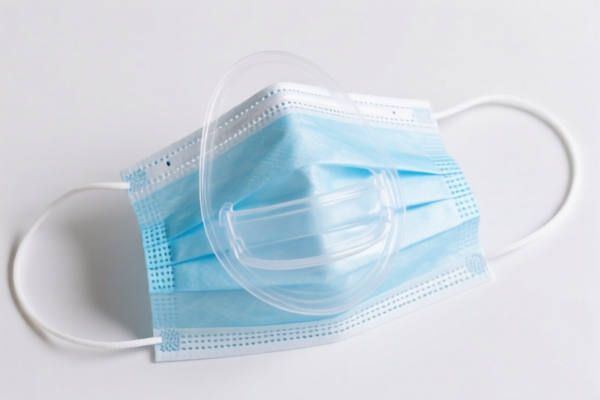

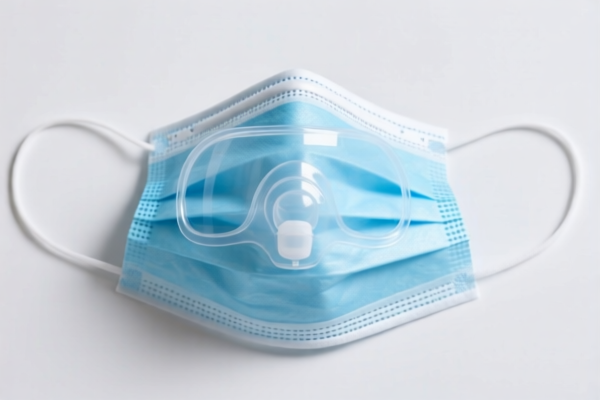
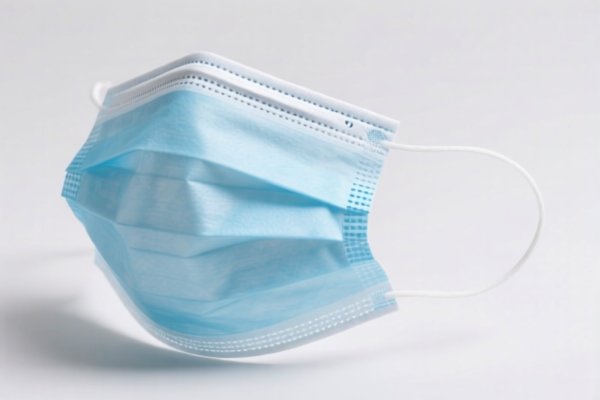
AI Analysis
🏥 Plastic Obstetric Mask (Labor & Delivery Protective Gear)
🌐 HS Code Reference & Customs Clearance Guide | 2026 Latest Tariff Analysis | Professional Strategy for Medical Plastic Products
📌 I. Product Definition & Classification: What Exactly is an "Obstetric Mask"?
A Plastic Obstetric Mask is a specialized personal protective equipment (PPE) or sterile barrier device used in labor and delivery rooms. Unlike standard surgical masks made of non-woven fabric, these are typically rigid or semi-rigid plastic shields designed to protect the mother’s face or the newborn from fluid splashes, aerosols, or to serve as a sterile barrier during specific medical procedures.
In international trade, the classification depends heavily on the material structure and the specific medical function: * Lab/General Plastic Protection: If the mask is part of a general protective ensemble or made of plastic without being a specific optical device, it often falls under Chapter 39 (Plastics). * Optical/Protective Eyewear: If the mask integrates a face shield with lenses or is primarily for eye/face protection resembling goggles, it may fall under Chapter 90 (Optical/Medical Instruments).
⚠️ Key Distinction Point:
- If the item is a solid plastic shield without optical lenses, primarily for general protection → HS 3926
- If the item is a face shield/goggle-style protection for eyes/face → HS 9004
📦 II. HS Code Classification Details (2026 Latest Tariff Authority Comparison)
Based on the provided data, there are four distinct HS Codes applicable to plastic masks/shields. The choice depends on the exact design and intended medical use.
| HS Code | Product Description | Application Scenario | Material/Feature |
|---|---|---|---|
3926.90.99.50 |
Plastic Laboratory/Dental Mask | Used in lab settings or as a general plastic protective face mask. Classified as a plastic article. | Plastic, Non-optical, General Protection |
9004.90.00.10 |
Plastic Face Shield/Goggle | Protective mask specifically categorized under eyewear/goggles. Used for eye/face protection. | Plastic, Optical/Protective Category |
9004.90.00.90 |
Other Protective Eyewear | Other protective devices/masks falling under the "other" category of protective eyewear/glasses. | Plastic, Specialized Medical/Protective Use |
3926.90.99.10 |
Plastic Laboratory Ware | Plastic masks used in conjunction with laboratory器皿 (vessels) or as general lab防护用品 (protective gear). | Plastic, Lab Equipment Context |
🔍 Critical Reminder:
-3926codes apply to general plastic articles not elsewhere specified. They are considered "Plastics" first, "Protection" second.
-9004codes apply when the product is legally classified as eyewear or optical protective devices (even if it covers the whole face). This often applies to rigid face shields used in surgery.
- Misclassification Risk: Declaring a medical face shield as "Plastic Toys" or "General Household Items" will lead to rejection and fines.
💰 III. 2026 Latest Tariff Rate Breakdown (Including Additional Taxes & Policies)
✅ Applicable Country: USA (US)
✅ Origin: China (CN)
✅ Effective Date: 2025/2026 (Import Period)
🎯 1. 3926.90.99.50 —— Plastic Protective Face Mask (Lab/General Class)
| Item | Details |
|---|---|
| Base Tariff | 5.3% (General Rate) |
| Section 301 Tariff | +7.5% (Additional Duty) |
| Section 122 Tariff | +10.0% (Specific 122 Clause Duty) |
| Total Tax Rate | 22.8% |
| Tax Calculation | CIF Value × 22.8% |
| De Minimis Exemption | ❌ Not Eligible (High tax rate prevents $800 exemption in many scenarios; requires formal entry) |
| Legal Path | HTS:3926.90.99.50 → Section 301: Footnote 9903.88.01 → Section 122: Special Provision |
📌 Explanation:
- This code is for non-optical plastic masks.
- The 22.8% rate is a combination of the standard US base duty (5.3%) plus aggressive trade remedies (301 + 122).
- Note: Section 122 tariffs are specific to certain plastic products and significantly increase costs.
🎯 2. 3926.90.99.10 —— Plastic Laboratory Protective Gear
| Item | Details |
|---|---|
| Base Tariff | 5.3% |
| Section 301 Tariff | +7.5% |
| Section 122 Tariff | +10.0% |
| Total Tax Rate | 22.8% |
| Tax Calculation | CIF Value × 22.8% |
| De Minimis Exemption | ❌ Not Eligible |
| Legal Path | HTS:3926.90.99.10 → Section 301 → Section 122 |
📌 Explanation:
- Similar to99.50, this is for plastic items used in laboratory or general protective contexts.
- Same 22.8% total rate applies.
🎯 3. 9004.90.00.10 —— Plastic Face Shield (Optical/Eyewear Category)
| Item | Details |
|---|---|
| Base Tariff | 2.5% |
| Section 301 Tariff | +7.5% |
| Section 122 Tariff | +10.0% |
| Total Tax Rate | 20.0% |
| Tax Calculation | CIF Value × 20.0% |
| De Minimis Exemption | ❌ Not Eligible |
| Legal Path | HTS:9004.90.00.10 → Section 301 → Section 122 |
📌 Explanation:
- If the mask is classified as eyewear/protective glasses (even if it’s a full face shield), the base rate is lower (2.5%).
- However, 301 and 122 tariffs still apply, bringing the total to 20.0%.
- Advantage: $2.8% savings compared to the3926codes!
🎯 4. 9004.90.00.90 —— Other Protective Eyewear/Masks
| Item | Details |
|---|---|
| Base Tariff | 2.5% |
| Section 301 Tariff | +7.5% |
| Section 122 Tariff | +10.0% |
| Total Tax Rate | 20.0% |
| Tax Calculation | CIF Value × 20.0% |
| De Minimis Exemption | ❌ Not Eligible |
| Legal Path | HTS:9004.90.00.90 → Section 301 → Section 122 |
📌 Explanation:
- For protective masks that are not standard eyewear but fall under the "Other" category of Chapter 90.
- Same 20.0% total rate as above.
🛠️ IV. Customs Clearance Practical Advice (Real-World Pitfall Guide)
✅ 1. Documentation Checklist (Mandatory)
| Document | Required? | Explanation |
|---|---|---|
| ✅ Product Specification Sheet | ✔️ | Must specify: Material (Plastic Type), Dimensions, Whether it has lenses, Intended Use (Medical/Lab). |
| ✅ Product Photos (Front/Side) | ✔️ | Clearly show if it’s a rigid shield (9004) or a soft/plastic sheet (3926). |
| ✅ Commercial Invoice | ✔️ | Must describe item accurately: "Plastic Protective Face Shield, for Obstetric Use" or "Plastic Lab Mask". |
| ✅ Labeling & Packaging | ✔️ | Must include Country of Origin (Made in China), Care Instructions, and Manufacturer Info. |
| ✅ FDA Registration (If Medical) | ✔️ | If marketed as a medical device in the US, ensure FDA establishment registration is valid. |
✅ 2. Declaration Strategy (Key Mnemonic)
🔥 "Optical is 20%, Plastic is 22.8%, Mislabeling is Disaster!"
| Scenario | Correct HS Code | Wrong HS Code | Consequence of Error |
|---|---|---|---|
| Rigid Face Shield with Lens/Clear Visor | 9004.90.00.10 or .90 |
3926.90.99.50 |
Underpayment (20% vs 22.8%) → Audit & Penalty later. |
| Plastic Sheet/Mask without Optical Elements | 3926.90.99.50 or .10 |
9004.90.00.10 |
Overpayment (22.8% vs 20%) → Lost profit, no refund easily. |
| General Lab Plastic Mask | 3926.90.99.10 |
9004 |
Classification Error → Customs may reject as "Medical Device" without FDA docs. |
📌 Pro Tip:
- If your product is a full-face rigid shield (like a dentist’s or surgeon’s visor), try to argue for HS 9004 if possible, as it saves 2.8% in taxes.
- However, if it’s a soft plastic film or non-rigid cover, HS 3926 is the only correct choice.
✅ 3. Special Case Handling
| Situation | Handling Advice |
|---|---|
| OEM/Private Label | Ensure the supplier provides a Certificate of Origin and Material Declaration to prove it’s plastic, not rubber or metal. |
| Sterile vs. Non-Sterile | Sterile masks may require FDA 510(k) clearance. Non-sterile may only need general import compliance. |
| Combination Packs | If sold with a headband or clips, declare the mask as the principal item and include accessories in the same HS Code if possible. |
| Section 122 Target | Be aware that Section 122 tariffs are often updated. Verify the latest HTS notes before shipment. |
🌍 V. Global Market Comparison (2026 Overview)
| Market | Recommended HS Code | Tariff Rate (China Origin) | Key Requirement |
|---|---|---|---|
| 🇺🇸 USA | 9004.90.00.10 (Preferred) |
20.0% | FDA Compliance (if medical), Accurate Description |
| 🇪🇺 EU | 3926.90.99 or 9004.90 |
0% - 6% | CE Marking, REACH Compliance |
| 🇨🇳 China | 3926.90.99 |
5% - 10% | CCC (if regulated), Quality Inspection |
| 🇬🇧 UK | 3926.90.99 |
0% - 5% | UKCA Marking, Post-Brexit Rules |
📌 Conclusion:
- The US market has the highest friction due to Section 301 and 122 tariffs.
- Optical Classification (9004) is strategically better for cost-saving than General Plastic (3926).
📌 VI. Common Mistakes & Pitfalls (Blood & Tears Lessons)
❌ Mistake 1: Calling it "Surgical Mask" when it’s plastic
👉 Result: Customs expects FDA Class I/II device docs. If missing → Detained at Port.
❌ Mistake 2: Using HS 3926 for a rigid face shield
👉 Result: Overpaying 2.8% tax unnecessarily. While small, it adds up over thousands of units.
❌ Mistake 3: Ignoring Section 122 Tariffs
👉 Result: Some plastic products are hit with extra 10% duties under Section 122. If not budgeted, profit margins vanish.
❌ Mistake 4: Incorrect "Country of Origin" Marking
👉 Result: De Minimis ($800) shipments are often seized if not marked correctly. Even small shipments can be held.
✅ Correct Practice:
"Rigid Plastic Face Shield, Obstetric/Labor Use, Sterile/Non-Sterile, Made in China, CE/FDA Compliant"
🎯 VII. Conclusion: Precise Classification Saves Money!
🎯 Remember the Mnemonic:
🔹 "Optical Shield = 20% (Save 2.8%)
🔹 Plastic Mask = 22.8% (Pay More)
🔹 Misclassification = Audit Risk!"
📌 Tip:
If your plastic mask has any lens, visor, or rigid optical component, strongly consider HS 9004. If it’s just a plastic sheet/cover, use HS 3926.
📣 Immediate Action:
📞 Verify the HTS Code with your Customs Broker
📦 Ensure Product Labeling Matches the HS Code
🚀 Avoid Port Delays with Correct Documentation!
✨ Professional Clearance Starts with Accurate Classification!
💼 Every 1% of Tax Savings is Pure Profit!
Customer Reviews
About HS Code Classification
The Harmonized System (HS) is an internationally standardized nomenclature developed by the World Customs Organization (WCO) to classify traded products. Over 200 countries use the HS system as the basis for customs tariffs, trade statistics, and import/export regulations.
Each HS code follows a hierarchical structure:
- Chapter (2 digits) — Broad category of goods (e.g., Chapter 84: Machinery and Mechanical Appliances)
- Heading (4 digits) — More specific grouping within the chapter
- Subheading (6 digits) — Internationally standardized breakdown, used by all WCO member countries
- National subdivisions (8-10 digits) — Country-specific extensions for further classification, such as US HTSUS 10-digit codes
Correct HS code classification is essential for smooth customs clearance, accurate duty payment, and compliance with trade regulations. Misclassification can lead to customs delays, overpayment of duties, or penalties.
When importing from CN to US, the applicable tariff rates may include:
- Most-Favored-Nation (MFN) rate — The standard duty rate applied to WTO members
- General rate — Applied to countries without trade agreements
- Trade remedy duties — Additional tariffs such as Section 301 (anti-dumping), Section 232 (national security), or countervailing duties
The information provided on this page is for reference purposes only. For official classification, please consult with your local customs authority or a licensed customs broker.