Plastic Oil Cap
CN → US| HS Code | Tariff Rate | Origin | Destination | Doc |
|---|---|---|---|---|
| 7326908688 | 87.9% | CN | US | Official Doc |
| 8708295110 | 0.0% | CN | US | Official Doc |
| 8708295160 | 0.0% | CN | US | Official Doc |
| 7326190080 | 87.9% | CN | US | Official Doc |
| 3923500000 | 40.3% | CN | US | Official Doc |
Product Images
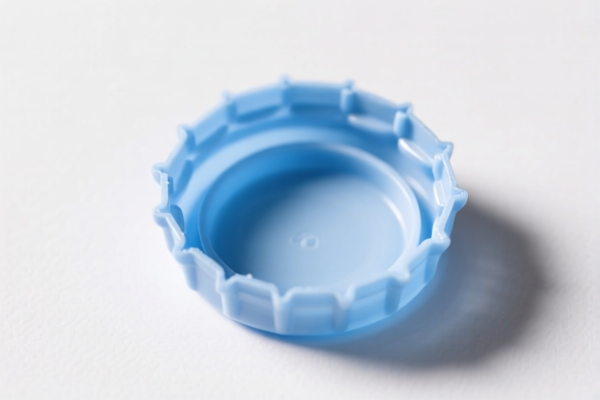
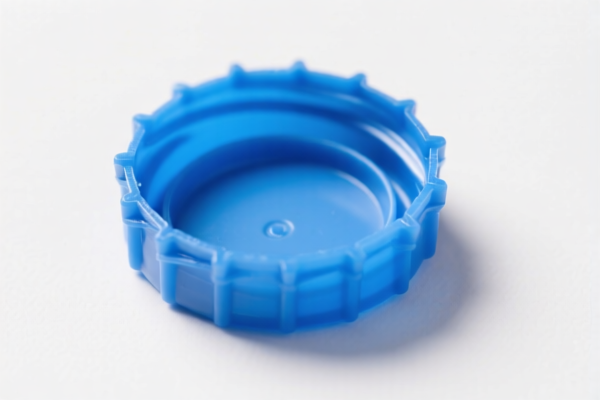
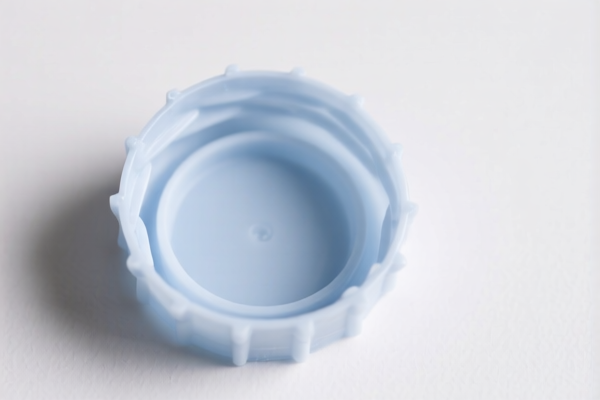
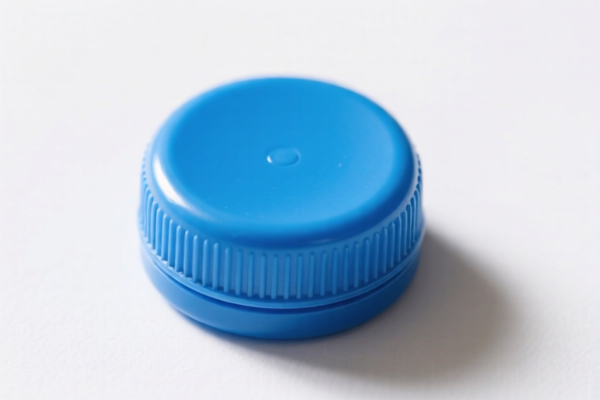
AI Analysis
🛢️ Plastic Oil Cap (Vehicle Parts & Components)
🌐 HS Code Reference & Customs Clearance Guide | 2026 Latest Tariff Analysis | Professional Strategy for U.S. Imports
📌 I. Product Definition & Classification: What is a "Plastic Oil Cap"?
The Plastic Oil Cap is a critical component in automotive systems, serving as the seal for the oil filler neck. In international trade, its classification depends heavily on Material vs. Function:
- Function-First Approach (Auto Parts): If classified as a spare part for motor vehicles, it falls under Chapter 87.
- Material-First Approach (Plastics): If classified by its composition as a "stopper or lid," it falls under Chapter 39.
- Material-First Approach (Steel/Metal): Note: Although the product is named "Plastic Oil Cap," some customs interpretations may infer material based on common industrial variants (e.g., steel caps). However, for this specific product, we analyze the provided data points which include both Plastic (Ch 39) and Metal (Ch 73/87) inferences.
⚠️ Key Distinction:
- If declared strictly as a vehicle part (function), it typically falls under 8708.
- If declared as a plastic closure (material), it falls under 3923.
- Caution: Some HS codes in the data suggest "Steel/Aluminum" tariffs even for plastic caps due to broad "122 Section" penalties on automotive components. Always verify the exact physical composition and customs broker advice.
📦 II. HS Code Classification Details (2026 Latest Tariff Reference)
Based on the provided dataset, here are the specific HS Codes, summaries, and tax implications for the Plastic Oil Cap:
| HS Code | Product Description & Inference | Total Tax Rate | Key Tax Details |
|---|---|---|---|
| 8708.29.51.10 | Auto Part (Engine/Body): Inferred by use as a vehicle body/engine component. Falls under "Other" spare parts. | 37.5% | Base: 2.5% + 25% (Section 301) + 10% (Section 122) |
| 8708.29.51.60 | Auto Part (Body): Classified as vehicle body parts/accessories. No material conflict with body parts. | 87.5% | Base: 2.5% + 25% (Section 301) + 50% (Section 232/122 Steel/Al) |
| 3923.50.00.00 | Plastic Closure: Inferred by material (Plastic). Classified as "Stopper, Lid, and Other Packings" of plastics. | 30.3% | Base: 5.3% + 25% (Section 301) + 10% (Section 122) |
| 7326.90.86.88 | Steel/Manufactured Article: Data Inference: Assumes metal (iron/steel) material despite "Plastic" name, or applies broad "Other manufactured articles of iron/steel." | 77.9% | Base: 2.9% + 25% (Section 301) + 50% (Section 232/122 Steel/Al) |
| 7326.19.00.80 | Steel Functional Part: Inferred by material (Steel) and form (Cap/Lid). Classified as "Other articles of iron/steel." | 77.9% | Base: 2.9% + 25% (Section 301) + 50% (Section 232/122 Steel/Al) |
🔍 Critical Insight:
- The "Plastic" Advantage: HS Code 3923.50.00.00 offers the lowest total tax burden (30.3%) among the options, provided the product is strictly plastic and declared as a "plastic closure."
- The "Auto Part" Risk: HS Code 8708.29.51.10 incurs a 37.5% tax. However, HS Code 8708.29.51.60 jumps to 87.5% due to potential "Steel/Aluminum" penalty clauses applying to auto parts broadly.
- The "Metal" Penalty: Codes under 7326 (Chapter 73) attract massive 50% additional tariffs under Section 232/122 for steel/aluminum products. Avoid these if the product is plastic.
💰 III. 2026 Latest Tariff Rate Breakdown (US Imports from China)
✅ Applicable Country: United States (US)
✅ Origin: China (CN)
✅ Effective Date: Current tariffs apply (Section 301 & Section 122/232)
🎯 1. 3923.50.00.00 – Plastic Stopper, Lid, and Other Packings (Lowest Risk)
| Item | Detail |
|---|---|
| Base Duty | 5.3% |
| Section 301 Tariff | +25% |
| Section 122 Tariff | +10% |
| Total Effective Rate | 30.3% |
| Calculation | CIF Value × 30.3% |
| De Minimis | ❌ Not Eligible (Deny De Minimis) |
| Legal Basis | USITC:3923.50.00.00 → IEEPA:9903.01.24 (25%) + IEEPA:9903.01.25 (10%) |
📌 Why this is the best option:
- It relies on the material (plastic) rather than the function (auto part).
- It avoids the heavy "Section 232" steel tariffs.
- Total Tax is ~57% lower than the worst-case metal/auto part classifications.
🎯 2. 8708.29.51.10 – Other Parts and Accessories of Motor Vehicles (Medium Risk)
| Item | Detail |
|---|---|
| Base Duty | 2.5% |
| Section 301 Tariff | +25% |
| Section 122 Tariff | +10% |
| Total Effective Rate | 37.5% |
| Calculation | CIF Value × 37.5% |
| De Minimis | ❌ Not Eligible |
| Legal Basis | USITC:8708.29.51.10 → IEEPA:9903.01.24 (25%) + IEEPA:9903.01.25 (10%) |
📌 Note: This is a common fallback for auto parts. It is cheaper than the metal codes but more expensive than the plastic closure code.
🎯 3. 7326.90.86.88 & 7326.19.00.80 – Other Articles of Iron or Steel (HIGHEST RISK)
| Item | Detail |
|---|---|
| Base Duty | 2.9% |
| Section 301 Tariff | +25% |
| Section 232/122 Tariff | +50% (Steel/Aluminum Penalty) |
| Total Effective Rate | 77.9% |
| Calculation | CIF Value × 77.9% |
| De Minimis | ❌ Not Eligible |
| Legal Basis | USITC:7326.90.86.88 → IEEPA:9903.01.24 (25%) + IEEPA:9903.01.25 + 232 Tariff (50%) |
🚫 WARNING:
- If customs determines the cap is metal (e.g., steel), or if they apply a broad "auto part" interpretation that triggers steel penalties, the tax skyrockets to 77.9%.
- Even if the product is plastic, misclassification as a steel article can lead to severe penalties.
🛠️ IV. Customs Clearance Practical Advice
✅ 1. Documentation Checklist (Mandatory)
| Document | Required? | Purpose |
|---|---|---|
| ✅ Product Specifications | ✔️ | Must explicitly state "Material: Plastic" (e.g., PP, PE, ABS). |
| ✅ Commercial Invoice | ✔️ | Description must say "Plastic Oil Cap" or "Plastic Closure". Avoid vague terms like "Auto Part" if claiming Ch 39. |
| ✅ Material Composition Statement | ✔️ | Signed statement confirming 100% plastic construction, no metal cores. |
| ✅ Product Photos | ✔️ | Clear images showing plastic texture, no metallic parts. |
| ✅ Bill of Lading | ✔️ | Ensure weight and dimensions match invoice. |
✅ 2. Declaration Strategy (Key Mantra)
🔥 "Plastic Material, Ch 39 Code, 30% Tax, Save 50%!"
| Scenario | Recommended HS Code | Tax Rate | Why? |
|---|---|---|---|
| Product is Plastic | 3923.50.00.00 |
30.3% | Lowest tax. Correct material classification. |
| Product is Metal/Steel | 7326.90.86.88 |
77.9% | High tax due to steel penalties. Avoid if possible. |
| Mixed Material (Plastic Cap + Metal Thread Insert) | 8708.29.51.10 |
37.5% | GUC (General Rules of Interpretation) may classify by essential character. Safer than Ch 73. |
✅ 3. Special Handling Tips
- Avoid "Auto Part" Language in Description if Using Ch 39: Do not write "For Toyota Camry Oil Cap" if you are declaring under
3923.50.00.00. Use generic terms like "Plastic Closure for Fluid Tanks." - Pre-Ruling (Advance Ruling): Given the large disparity between 30.3% and 77.9%, applying for an HS Code Advance Ruling with U.S. Customs is highly recommended.
- Section 122/232 Traps: Be aware that some auto parts are subject to additional "Section 122" or "Section 232" tariffs even if they are plastic, if they are deemed "steel or aluminum" components. Ensure your plastic claim is robust.
🌍 V. Global Market Comparison (2026)
| Region | Recommended HS Code | Est. Tax Rate | Notes |
|---|---|---|---|
| 🇺🇸 USA | 3923.50.00.00 |
30.3% | Best option. Includes 301 + 122 tariffs. |
| 🇪🇺 EU | 3923.50.00 |
~3-5% | No 301 tariffs. Standard MFN rate applies. |
| 🇨🇦 Canada | 3923.50.00 |
~0-5% | USMCA may apply if manufactured in US/Mexico. |
| 🇲🇽 Mexico | 3923.50.00 |
~0-5% | USMCA benefits possible. |
| 🇯🇵 Japan | 3923.50.00 |
~5% | Stable rate. |
📌 Conclusion:
- The USA is the most aggressive market with high additional tariffs.
- Classifying as Plastic (Ch 39) is significantly cheaper than Metal/Auto Parts (Ch 73/87) for US imports.
📌 VI. Common Mistakes & Pitfalls (Blood Lessons)
❌ Mistake 1: Declaring "Plastic Oil Cap" as 7326 (Steel)
👉 Consequence: Tax jumps from 30.3% to 77.9%. Loss of $47.6 per $100 value.
❌ Mistake 2: Declaring "Plastic Oil Cap" as 8708 (Auto Part) without proof
👉 Consequence: Risk of reclassification to steel penalties if deemed a "structural auto component." Tax becomes 37.5% - 87.5%.
❌ Mistake 3: Using generic "Auto Part" in description
👉 Consequence: Customs may apply the highest duty rate (8708.29.51.60 at 87.5%) due to uncertainty.
✅ Correct Approach:
"Plastic Oil Cap, 100% Polypropylene, Non-Metallic, Used for Fluid Reservoirs, Model XYZ"
HS Code:3923.50.00.00
Tax: 30.3%
🎯 VII. Conclusion: Smart Classification, Lower Costs!
🎯 Remember the Golden Rule:
🔹 "Plastic Cap, Ch 39 Code, 30% Tax, Save Half!"
🔹 "Misclassify as Steel, Tax Skyrockets to 78%!"
🔹 "HS Code is King, Tax Savings are Queen!"
📌 Pro Tip:
If your oil cap has metal threads or metal inserts, do NOT claim 100% plastic. Use 8708.29.51.10 (37.5%) to stay safe. Avoid 7326 codes unless the product is actually steel.
📣 Immediate Action:
📞 Consult a Licensed Customs Broker
📝 Submit Product Photos & Material Specs
📋 Apply for HS Code Advance Ruling
🚀 Ensure Smooth Clearance, Minimize Tariffs, Maximize Profit!
✨ Professional Customs Clearance Starts with Precise Classification!
💼 Every Dollar Saved in Tariffs is a Dollar Earned!
Customer Reviews
About HS Code Classification
The Harmonized System (HS) is an internationally standardized nomenclature developed by the World Customs Organization (WCO) to classify traded products. Over 200 countries use the HS system as the basis for customs tariffs, trade statistics, and import/export regulations.
Each HS code follows a hierarchical structure:
- Chapter (2 digits) — Broad category of goods (e.g., Chapter 84: Machinery and Mechanical Appliances)
- Heading (4 digits) — More specific grouping within the chapter
- Subheading (6 digits) — Internationally standardized breakdown, used by all WCO member countries
- National subdivisions (8-10 digits) — Country-specific extensions for further classification, such as US HTSUS 10-digit codes
Correct HS code classification is essential for smooth customs clearance, accurate duty payment, and compliance with trade regulations. Misclassification can lead to customs delays, overpayment of duties, or penalties.
When importing from CN to US, the applicable tariff rates may include:
- Most-Favored-Nation (MFN) rate — The standard duty rate applied to WTO members
- General rate — Applied to countries without trade agreements
- Trade remedy duties — Additional tariffs such as Section 301 (anti-dumping), Section 232 (national security), or countervailing duties
The information provided on this page is for reference purposes only. For official classification, please consult with your local customs authority or a licensed customs broker.