Plastic Oil Transfer Hose
CN → US| HS Code | Tariff Rate | Origin | Destination | Doc |
|---|---|---|---|---|
| 3917290090 | 38.1% | CN | US | Official Doc |
| 3926909987 | 22.8% | CN | US | Official Doc |
| 3917210000 | 38.1% | CN | US | Official Doc |
| 3926909989 | 22.8% | CN | US | Official Doc |
| 3917320050 | 38.1% | CN | US | Official Doc |
Product Images
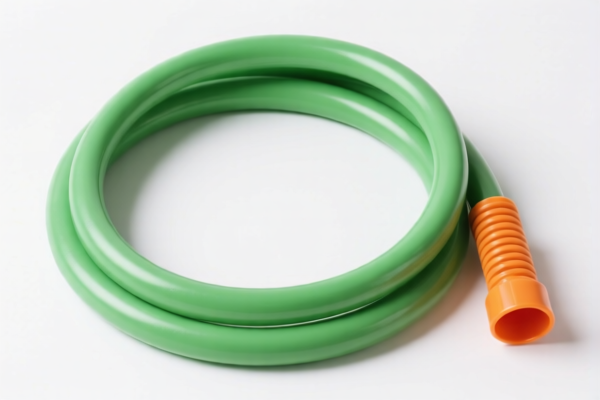
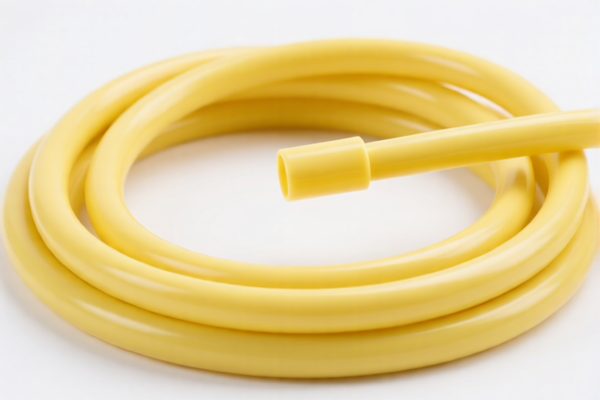
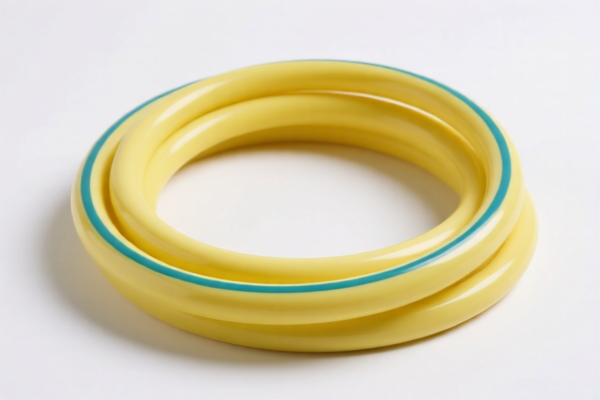
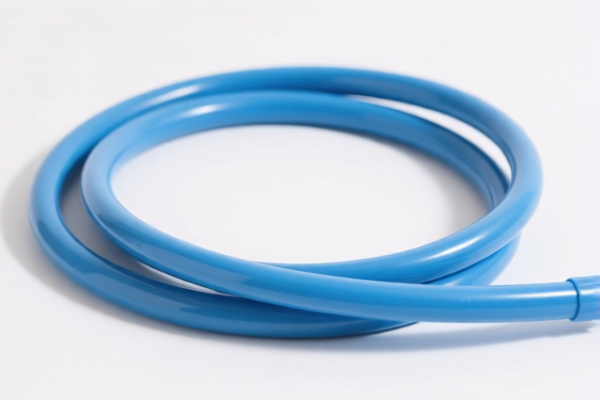
AI Analysis
🛠️ Plastic Oil Transfer Hose (Plastic Tubing for Oil Transfer)
🌐 HS Code Classification & Customs Clearance Guide | 2026 Latest Tariff Rules | Expert-Level Import Strategy
📌 One-Stop Solution for Accurate Tariff Determination & Risk-Free Clearance
📦 1. Product Definition & Classification: What Is a "Plastic Oil Transfer Hose"?
A Plastic Oil Transfer Hose is a flexible, non-metallic tube made from plastic materials (e.g., PVC, PE, HDPE) designed for conveying oil, fuel, or other liquids in industrial, agricultural, or automotive applications. It is typically not rigid, not reinforced with metal, and not intended for high-pressure hydraulic systems.
⚠️ Critical Distinction: - If it's flexible, unlined, and made of plastic → Likely falls under tubing or soft hose. - If it has metal reinforcement, braiding, or is designed for high pressure → May be classified differently (e.g., rubber hoses with metal layers). - No specific mention of oil type or pressure rating? → Use general plastic tubing rules.
🔍 2. HS Code Classification Breakdown (2026 Official Tariff Matrix)
| HS Code | Product Description | Applicable Scenario | Tax Rate | Key Reasoning |
|---|---|---|---|---|
3917.29.00.90 |
Other plastic tubing and soft hose, not specified, for oil transfer | General-purpose plastic hose, no specific material (PVC/PE), not fully defined | 38.1% | Matches plastic + soft hose; "other" category applies when no specific subheading fits |
3926.90.99.87 |
Other plastic articles, not specified, used as tubing | Undescribed plastic tube, used for oil transfer, no clear purpose | 22.8% | "Other" category under plastic articles; no dedicated subheading for unspecified tubing |
3917.21.00.00 |
Plastic tubing, rigid or semi-rigid, for general use | Rigid or semi-rigid plastic tubing used in oil transfer systems | 38.1% | Direct match: plastic + tubing; applies even if used for oil |
3926.90.99.89 |
Other plastic articles, not specified | Plastic tube with no clear shape or use, but clearly plastic | 22.8% | No form or function specified; falls under "other plastic goods" |
3917.32.00.50 |
Plastic soft hose, not specified, for oil or fluid transfer | Flexible plastic hose, unspecified material (PVC/PE), used for oil | 38.1% | Matches plastic + soft hose; ideal for oil transfer applications |
✅ Summary:
- Flexible plastic hose →3917.29.00.90or3917.32.00.50
- General plastic tube (no specific form) →3926.90.99.87or3926.90.99.89
- Rigid plastic tubing →3917.21.00.00
💰 3. 2026 Tariff Breakdown (US Market – China Origin)
✅ Applicable Country: United States (US)
✅ Origin: China (CN)
✅ Effective Date: November 10, 2025 (and onward)
✅ Legal Basis: U.S. Trade Act Section 301, IEEPA, and Section 122 of the Trade Act
🎯 1. 3917.29.00.90 — Plastic Tubing / Soft Hose (General)
| Component | Rate | Legal Basis |
|---|---|---|
| Base Duty | 3.1% | Harmonized Tariff Schedule (HTSUS) |
| Section 301 (USITC) Additional Duty | +25.0% | From USITC Footnote 9903.88.01 |
| Section 122 (IEEPA) Additional Duty | +10.0% | IEEPA: 9903.01.25 → 9903.01.24 |
| Total Effective Duty | 38.1% | Sum of all components |
📌 Explanation: - Section 301 (25%): Imposed under U.S. Trade Act 301 for Chinese goods deemed to have unfair trade practices. - IEEPA (10%): Enacted under the International Emergency Economic Powers Act for national security concerns related to Chinese imports. - No de minimis exemption → Even small shipments are fully taxed.
🎯 2. 3926.90.99.87 — Other Plastic Articles (Tubing, Undescribed)
| Component | Rate | Legal Basis |
|---|---|---|
| Base Duty | 5.3% | HTSUS 3926.90.99 |
| Section 301 (USITC) Additional Duty | +7.5% | USITC Footnote 9903.88.01 |
| IEEPA (Section 122) Additional Duty | +10.0% | IEEPA: 9903.01.25 → 9903.01.24 |
| Total Effective Duty | 22.8% | Sum of all components |
📌 Explanation: - Lower base duty (5.3%) but still subject to 25% USITC + 10% IEEPA. - No de minimis → Full 22.8% applies regardless of value.
🎯 3. 3917.21.00.00 — Plastic Tubing (Rigid/Semi-Rigid)
| Component | Rate | Legal Basis |
|---|---|---|
| Base Duty | 3.1% | HTSUS 3917.21.00 |
| Section 301 (USITC) | +25.0% | USITC: 9903.88.01 |
| IEEPA (Section 122) | +10.0% | IEEPA: 9903.01.25 → 9903.01.24 |
| Total Effective Duty | 38.1% | Same as 3917.29.00.90 |
📌 Note:
- Even rigid plastic tubing used for oil transfer is subject to 38.1% due to the same附加税 rules.
🎯 4. 3926.90.99.89 — Other Plastic Articles (General)
| Component | Rate | Legal Basis |
|---|---|---|
| Base Duty | 5.3% | HTSUS 3926.90.99 |
| Section 301 (USITC) | +7.5% | USITC: 9903.88.01 |
| IEEPA (Section 122) | +10.0% | IEEPA: 9903.01.25 → 9903.01.24 |
| Total Effective Duty | 22.8% | Same as 3926.90.99.87 |
📌 Clarification:
- This code applies when the product is not clearly a hose or tubing, but is plastic and used in fluid transfer. - Often used for undescribed or generic plastic tubes.
🎯 5. 3917.32.00.50 — Plastic Soft Hose (Flexible, Unspecified Material)
| Component | Rate | Legal Basis |
|---|---|---|
| Base Duty | 3.1% | HTSUS 3917.32.00 |
| Section 301 (USITC) | +25.0% | USITC: 9903.88.01 |
| IEEPA (Section 122) | +10.0% | IEEPA: 9903.01.25 → 9903.01.24 |
| Total Effective Duty | 38.1% | Same as 3917.29.00.90 |
📌 Why This Applies:
- Flexible plastic hose → Clearly falls under soft hose category. - No mention of material (PVC/PE) → "Unspecified" →3917.32.00.50is ideal.
🛠️ 4. Customs Clearance Best Practices (Pro Tips to Avoid Delays & Penalties)
✅ 1. Required Documentation (Must-Have Checklist)
| Document | Required? | Purpose |
|---|---|---|
| ✅ Commercial Invoice | ✔️ | Must clearly state: "Plastic Oil Transfer Hose, Flexible, PVC/PE, for Fluid Transfer" |
| ✅ Packing List | ✔️ | Show quantity, weight, dimensions, packaging |
| ✅ Product Specifications | ✔️ | Material type (PVC, PE, HDPE), flexibility, diameter, length |
| ✅ Photos (Front, Side, Label) | ✔️ | Show product form, markings, and flexibility |
| ✅ Certificate of Origin (CO) | ✔️ | Prove China origin → triggers 301/IEEPA duties |
| ✅ Third-Party Test Report | ✔️ | FDA, RoHS, or chemical compliance (if applicable) |
| ✅ HS Code Pre-Ruling Request (Optional but Recommended) | ✔️ | Avoid disputes with CBP |
✅ 2.申报技巧(申报口诀)
🔥 "Flexible? → 3917.32.00.50"
🔥 "Rigid? → 3917.21.00.00"
🔥 "Undescribed? → 3926.90.99.87/89"
🔥 "No material? → 38.1% or 22.8% — Know the difference!"
| Scenario | Correct HS Code | Wrong Code | Risk |
|---|---|---|---|
| Flexible plastic hose, no material specified | 3917.32.00.50 |
3926.90.99.87 |
Lower duty → underpayment risk |
| Rigid plastic tube, used for oil | 3917.21.00.00 |
3917.29.00.90 |
Wrong classification → penalties |
| Generic plastic tube, no form | 3926.90.99.89 |
3917.32.00.50 |
Overpayment → cost inefficiency |
✅ 3. Special Cases & Mitigation Strategies
| Situation | Recommended Action |
|---|---|
| Hose has no label or specs | Use 3917.32.00.50 if flexible; 3926.90.99.89 if unclear |
| Exporting from Vietnam/Mexico | Can apply for IEEPA exemption → 0% duty |
| Low-value shipment (<$800) | No de minimis → Still taxed at 22.8% or 38.1% |
| Custom-designed hose | Submit pre-ruling request to CBP for certainty |
| Reused/Recycled plastic hose | Still subject to same tariffs unless proven recycled material |
🌍 5. Global Market Tariff Comparison (2026)
| Country | Recommended HS Code | Base Duty | Additional Taxes | Total Effective Duty | Notes |
|---|---|---|---|---|---|
| 🇺🇸 USA (China origin) | 3917.32.00.50 |
3.1% | +25% +10% | 38.1% | High risk; no de minimis |
| 🇨🇳 China | 3917.32.00.50 |
5% | None | 5% | No 301/IEEPA |
| 🇪🇺 EU | 3917.32.00.50 |
0% (if CE) | None | 0% | No additional tariffs |
| 🇦🇺 Australia | 3917.32.00.50 |
5% | None | 5% | No extra charges |
| 🇯🇵 Japan | 3917.32.00.50 |
0% | None | 0% | No additional duties |
📌 Insight:
- Only the U.S. imposes 38.1% on Chinese-origin plastic oil transfer hoses. - Vietnam/Mexico origin can avoid 301/IEEPA duties → 0%.
🚨 6. Common Mistakes & Real-World Pitfalls (Avoid These!)
❌ Mistake 1: Using 3926.90.99.87 for a flexible hose
👉 Result: Lower base duty (5.3%) but incorrect classification → CBP audit, penalties, reclassification
❌ Mistake 2: Declaring as “oil pipe” or “fuel line” without specifying material
👉 Result: CBP may reclassify → higher duty or delayed release
❌ Mistake 3: Not providing photos or specs
👉 Result: CBP cannot verify form → hold cargo, request more info
❌ Mistake 4: Assuming "plastic tube" = "no duty"
👉 Result: Ignores 301/IEEPA → underpaid duties → fines up to 100%
✅ Correct Declaration Example:
"Plastic Soft Hose, Flexible, PVC/PE, for Oil Transfer, Diameter: 1 inch, Length: 10 ft, Not Reinforced, No Metal Layer, Model XYZ, FCC & RoHS Certified"
🎯 7. Final Verdict: How to Win the Clearance Game
🔹 For flexible plastic oil transfer hoses → Use
3917.32.00.50→ 38.1% total duty
🔹 For rigid plastic tubing → Use3917.21.00.00→ 38.1% total duty
🔹 For undescribed/ambiguous plastic tubes → Use3926.90.99.87or89→ 22.8% total duty📌 Pro Tip:
- Request a pre-ruling from U.S. CBP before shipping → eliminate risk. - Shift origin to Vietnam/Mexico → avoid 301/IEEPA → 0% duty.
📌 8. Action Plan: Your Next Steps
- ✅ Identify product form: Flexible? Rigid? Unspecified?
- ✅ Choose correct HS Code from above table.
- ✅ Gather all documents (photos, specs, invoice, CO).
- ✅ Submit pre-ruling request (if high-value or uncertain).
- ✅ Work with a U.S.-licensed customs broker experienced in 301/IEEPA cases.
📣 Call to Action:
📞 Contact a certified customs broker today
🚀 Get your HS Code confirmed before shipment
💼 Save thousands in penalties, delays, and overpayment
✨ Professional Customs Clearance Starts with Accurate Classification!
💼 Your Profit Margin Depends on the Right HS Code — Don’t Gamble!
Customer Reviews
About HS Code Classification
The Harmonized System (HS) is an internationally standardized nomenclature developed by the World Customs Organization (WCO) to classify traded products. Over 200 countries use the HS system as the basis for customs tariffs, trade statistics, and import/export regulations.
Each HS code follows a hierarchical structure:
- Chapter (2 digits) — Broad category of goods (e.g., Chapter 84: Machinery and Mechanical Appliances)
- Heading (4 digits) — More specific grouping within the chapter
- Subheading (6 digits) — Internationally standardized breakdown, used by all WCO member countries
- National subdivisions (8-10 digits) — Country-specific extensions for further classification, such as US HTSUS 10-digit codes
Correct HS code classification is essential for smooth customs clearance, accurate duty payment, and compliance with trade regulations. Misclassification can lead to customs delays, overpayment of duties, or penalties.
When importing from CN to US, the applicable tariff rates may include:
- Most-Favored-Nation (MFN) rate — The standard duty rate applied to WTO members
- General rate — Applied to countries without trade agreements
- Trade remedy duties — Additional tariffs such as Section 301 (anti-dumping), Section 232 (national security), or countervailing duties
The information provided on this page is for reference purposes only. For official classification, please consult with your local customs authority or a licensed customs broker.