Plastic Outdoor Protective Shoes
CN → US| HS Code | Tariff Rate | Origin | Destination | Doc |
|---|---|---|---|---|
| 6402990800 | 55.0% | CN | US | Official Doc |
| 6402911000 | 47.5% | CN | US | Official Doc |
| 3926909989 | 22.8% | CN | US | Official Doc |
| 6405209030 | 22.5% | CN | US | Official Doc |
| 6405209060 | 22.5% | CN | US | Official Doc |
Product Images
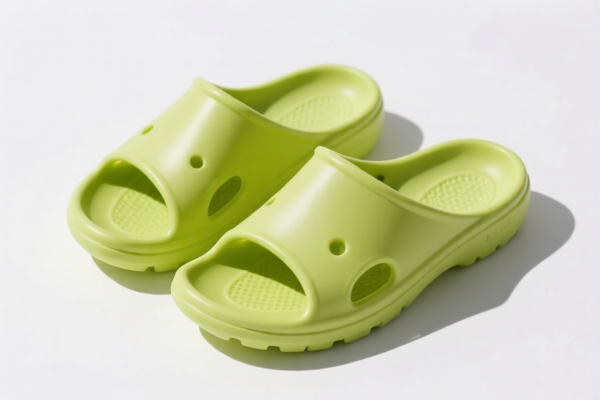
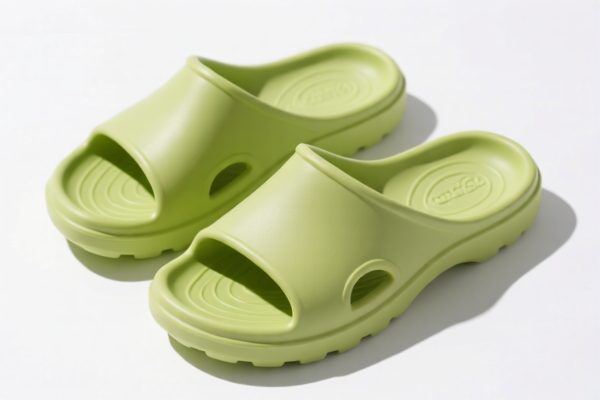
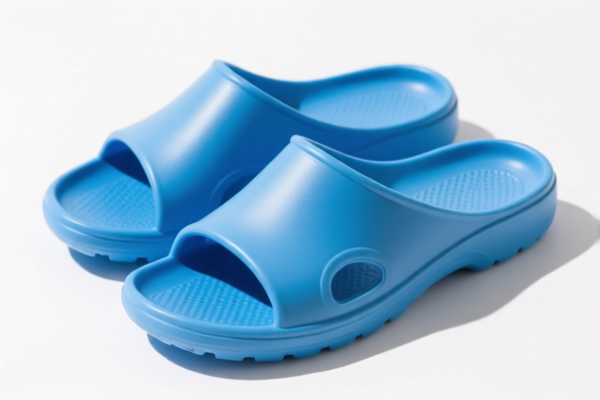
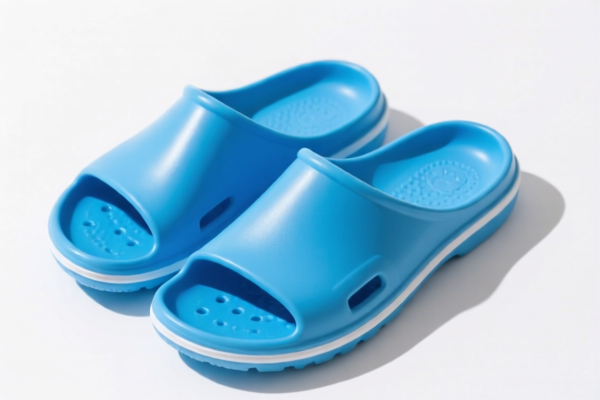
AI Analysis
👢 Plastic Outdoor Protective Shoes (Polymer-Based Footwear)
🌐 HS Code Reference & Customs Clearance Guide | 2026 Latest Tariff Analysis | Professional Entry Strategy
📌 Part I: Product Definition & Classification: What Exactly Are "Plastic Protective Shoes"?
Plastic outdoor protective shoes are specialized footwear designed for safety, hygiene, and weather resistance in industrial, medical, agricultural, or outdoor environments. In international trade, the classification depends heavily on the primary material (Rubber vs. Plastic) and the specific form/function (General Protective vs. Ankle-Sport Hybrid).
Key Distinction Criteria: * "Plastic" (Polymer/Resin): Usually refers to materials like PVC, EVA, or polyurethane that are rigid or semi-rigid, often molded. If the upper is explicitly "Plastic" and it serves a sports/ankle-protection hybrid function, it may fall under a different subheading than traditional rubber boots. * "Rubber": Traditional vulcanized or natural rubber boots. * "Protective": Implies safety features (toe cap, non-slip, chemical resistance). If it lacks specific safety certifications but is durable, it might be classified differently.
⚠️ Critical Classification Point:
- If the shoe is made of Plastic and functions as a protective/sports hybrid (e.g., plastic ankle support + sport sole) → Look at 6405.20 subheadings.
- If the shoe is made of Rubber/Plastic but is a standard protective boot (e.g., rain boot, industrial boot) → Look at 6402.99 or 6402.91.
- If the item is not footwear but a plastic accessory/cover (rare for shoes, but possible for plastic overshoes) → Look at 3926.90.
📦 Part II: HS Code Classification Matrix (2026 Authorized List)
Based on the provided dataset, here is the precise mapping for Plastic Outdoor Protective Shoes. Note that the dataset contains a mix of Rubber/Plastic protective shoes and Plastic Sports/Protective hybrids.
| HS Code | Product Description (Summary) | Material | Function/Form | Key Identifier |
|---|---|---|---|---|
6402.99.08.00 |
Rubber or Plastic Protective Shoes | Rubber / Plastic | Protective Footwear | General Protective Boot (High Tax) |
6402.91.10.00 |
Rubber or Plastic Protective Shoes | Rubber / Plastic | Protective Footwear | Protective Boot (Medium Tax) |
6405.20.90.30 |
Plastic Ankle-Protective Sports Shoes | Plastic | Sports Shoes | Hybrid: Plastic + Ankle Support + Sport Style |
6405.20.90.60 |
Plastic Ankle-Protective Sports Shoes | Plastic / Synthetic | Sports Shoes | Hybrid: Plastic/Synthetic + Ankle Support + Sport Style |
3926.90.99.89 |
Plastic Articles | Plastic | General Plastic Product | NON-FOOTWEAR: Plastic accessories, covers, or parts (If misclassified as shoes) |
🔍 Important Note on
3926.90.99.89:
This HS Code is for Plastic Articles generally. It is NOT for footwear. If you declare "Shoes" but use this code, Customs will likely reject it or impose penalties for incorrect classification. Only use this if you are shipping plastic shoe covers, parts, or non-wearable plastic items made of plastic. For actual worn shoes, stick to Chapter 64 (6402or6405).
💰 Part III: 2026 Latest Tariff Rate Breakdown (USA Import)
✅ Origin: China (CN)
✅ Destination: United States (US)
✅ Effective Date: Rates include 122 Clause Tariffs and Section 301/IEEPA additions as per the data.
🎯 1. 6402.99.08.00 — Rubber or Plastic Protective Shoes (General)
| Item | Detail |
|---|---|
| Base Tariff | 37.5% |
| Retaliatory/Add-on Tariff | 7.5% |
| 122 Clause Tariff | 10.0% |
| Total Tax Rate | 55.0% |
| Calculation | CIF Value × 55% |
| De Minimis Exemption | ❌ Not Eligible (High rate disqualifies it from standard low-value exemptions in many contexts) |
| Legal Basis | HTSUS 6402.99.08 + 122 Clause + Additional Duties |
📌 Explanation:
This is the highest tax bracket for protective shoes in this list. It applies to general-purpose protective footwear made of rubber or plastic that does not fit the specific "Plastic Ankle-Protective Sports" category. The 55% rate significantly impacts profit margins.
🎯 2. 6402.91.10.00 — Rubber or Plastic Protective Shoes (Standard)
| Item | Detail |
|---|---|
| Base Tariff | 37.5% |
| Retaliatory/Add-on Tariff | 0.0% |
| 122 Clause Tariff | 10.0% |
| Total Tax Rate | 47.5% |
| Calculation | CIF Value × 47.5% |
| De Minimis Exemption | ❌ Not Eligible |
| Legal Basis | HTSUS 6402.91.10 + 122 Clause |
📌 Explanation:
This code is for protective shoes that may have different construction criteria than6402.99.08.00. Notably, it avoids the 7.5% add-on tariff, resulting in a 7.5% lower total tax than the previous code. This is a crucial distinction for cost-saving.
🎯 3. 6405.20.90.30 & 6405.20.90.60 — Plastic Ankle-Protective Sports Shoes
| Item | Detail |
|---|---|
| Base Tariff | 12.5% |
| Retaliatory/Add-on Tariff | 0.0% |
| 122 Clause Tariff | 10.0% |
| Total Tax Rate | 22.5% |
| Calculation | CIF Value × 22.5% |
| De Minimis Exemption | ❌ Not Eligible |
| Legal Basis | HTSUS 6405.20.90 + 122 Clause |
📌 Explanation:
These codes are for Hybrid Shoes: Plastic material + Ankle Protection + Sports Style.
-6405.20.90.30: Pure Plastic material.
-6405.20.90.60: Plastic/Synthetic blend.
- Significant Savings: The total tax is 22.5%, which is 25% to 32.5% lower than the standard protective shoe codes.
- Condition: The product must genuinely be a "Sports Shoe" with "Ankle Protection" and be made of "Plastic." If Customs determines it is a standard industrial boot, they will reclassify it to6402, increasing your tax by ~30%.
🎯 4. 3926.90.99.89 — Plastic Articles (Non-Footwear)
| Item | Detail |
|---|---|
| Base Tariff | 5.3% |
| Retaliatory/Add-on Tariff | 7.5% |
| 122 Clause Tariff | 10.0% |
| Total Tax Rate | 22.8% |
| Calculation | CIF Value × 22.8% |
| De Minimis Exemption | ❌ Not Eligible |
| Legal Basis | HTSUS 3926.90.99 + 122 Clause |
📌 Explanation:
This code has a similar total tax (22.8%) to the sports shoes (22.5%), but it is for non-footwear plastic items.
⚠️ WARNING: Do NOT use this for actual shoes. Using this code for protective shoes is customs fraud or serious misclassification. It may be used only if you are shipping plastic shoe horns, plastic shoe trees, or plastic cover-ups that are not intended to be worn as primary footwear.
🛠️ Part IV: Customs Clearance Practical Advice (Pitfall Avoidance Guide)
✅ 1. Documentation Checklist (Must-Haves)
| Document | Required? | Purpose |
|---|---|---|
| ✅ Product Specifications Sheet | ✔️ | Detail material composition (e.g., "100% PVC Upper," "EVA Midsole"). Prove it's "Plastic" vs. "Rubber." |
| ✅ Product Photos | ✔️ | Show sole tread, ankle structure, and branding. Differentiate between "Sports Style" and "Industrial Boot." |
| ✅ Composition Declaration | ✔️ | Explicitly state: "Upper: Plastic," "Sole: Plastic/Rubber." Crucial for distinguishing 6402 vs 6405. |
| ✅ Commercial Invoice | ✔️ | Description must match HS Code exactly. E.g., "Plastic Ankle-Protective Sports Shoes" for 6405.20. |
| ✅ Customs Ruling Letter | ✔️ | If possible, obtain an advance ruling to confirm 6405.20 classification to avoid post-entry audits. |
✅ 2. Classification Strategy & Tips
🔥 "Match Material to Function: Sports vs. Safety"
| Product Type | Recommended HS Code | Why? | Risk if Misclassified |
|---|---|---|---|
| Standard Industrial Rubber/Plastic Boots | 6402.99.08.00 or 6402.91.10.00 |
Traditional protective footwear. | If declared as 6405, Customs will reclassify → Tax jumps from 22.5% to 47.5-55%. |
| Plastic Shoes with Sports Design + Ankle Support | 6405.20.90.30 / .60 |
Hybrid: Sports style + Plastic material. | If declared as 6402, you overpay by ~30%. Ensure "Sports" features are visible. |
| Plastic Shoe Covers/Covers (Not Shoes) | 3926.90.99.89 |
Not wearable footwear. | Do not use for shoes. Used for disposable/semi-permanent plastic covers. |
📌 Key Tip:
- Material Declaration is King: If you claim6405.20(Plastic), your product must be primarily plastic. If it's 90% rubber, Customs will reject it and assign6402.
- "Sports" Labeling: To qualify for6405.20, the shoe should resemble athletic footwear (sneakers, trainers) rather than traditional work boots. Add "Sports" or "Athletic" to your product title.
✅ 3. Special Situations
| Situation | Handling Advice |
|---|---|
| Mixed Materials (Plastic Upper, Rubber Sole) | Check which material is dominant. If Plastic upper > Rubber sole, argue for 6405. If mixed, consult a broker. Often, 6402 is safer for mixed materials. |
| OEM/Custom Colors | Ensure the product description includes color and style to match the "Sports" aesthetic for 6405.20. |
| High-Volume Shipments | Consider applying for a Section 301 Exclusion if available, though 122 Clause tariffs are currently applied. |
| De Minimis (Section 321) | Most of these codes have high tariffs (>25%), so they do not qualify for the $800 de minimis exemption in the same way low-tax goods do. Verify current US CBP rulings on high-tariff de minimis. |
🌍 Part V: Global Market Comparison (2026)
| Market | Recommended HS Code | Approx. Tax Rate (China Origin) | Notes |
|---|---|---|---|
| 🇺🇸 USA | 6402.99.08.00 / 6405.20.90 |
22.5% – 55.0% | High 122 Clause and Add-on tariffs. |
| 🇨🇳 China | 6402 / 6405 |
~10-15% | Lower base rates, no 122 Clause. |
| 🇪🇺 EU | 6402 / 6405 |
~10-17% | No Section 301 equivalent, but VAT applies. |
| 🇬🇧 UK | 6402 / 6405 |
~10-17% | Similar to EU post-Brexit. |
📌 Conclusion:
The USA is the most challenging market due to 122 Clause Tariffs (10%) and Add-on Tariffs (0-7.5%).
- Cost-Saving Strategy: If your product allows, design it as a "Plastic Ankle-Protective Sports Shoe" (6405.20) to achieve 22.5% instead of 47.5-55%. This requires a clear "Sports" aesthetic and plastic material composition.
📌 Part VI: Common Errors & Pitfalls (Lessons Learned)
❌ Error 1: Classifying a standard rubber work boot as 6405.20.90.30 (Plastic Sports Shoe).
👉 Consequence: Customs reclassification → Back taxes + Penalties + Delay.
👉 Fix: Ensure the shoe looks like a sneaker/athletic shoe and is made of plastic.
❌ Error 2: Using 3926.90.99.89 for actual wearable shoes.
👉 Consequence: Customs rejection for misdeclaration of goods.
👉 Fix: Only use 3926 for non-footwear plastic items.
❌ Error 3: Ignoring the "122 Clause" tariff.
👉 Consequence: Unexpected 10% surcharge at customs.
👉 Fix: Include 10% in all cost calculations regardless of HS Code (all codes in this list have 122 Clause).
❌ Error 4: Ambiguous Material Description.
👉 Consequence: Customs assumes worst-case (Rubber/General Protective) → Higher tax.
👉 Fix: Clearly state "100% Plastic Upper" or "Plastic/Synthetic" on the invoice.
✅ Correct Practice:
"Plastic Ankle-Protective Sports Shoes, Model XYZ, 100% PVC Upper, EVA Midsole, Non-Slip Outsole, For Outdoor Athletic Use"
🎯 Part VII: Conclusion: Professional Classification Saves Money!
🎯 Remember the Golden Rule:
🔹 "Sports Style + Plastic = 22.5% Tax" (
6405.20)
🔹 "Industrial Boot + Rubber/Plastic = 47.5-55% Tax" (6402.99)
🔹 "Plastic Articles (Not Shoes) = 22.8% Tax" (3926)🔹 "Material Matters: Plastic Sports Shoes are your best friend for cost reduction!"
📌 Pro Tip:
If your product is a hybrid, photograph it clearly showing the athletic design. Use this evidence in your customs declaration to support the 6405.20 classification. Consider requesting a Binding Ruling from CBP if you are importing large volumes, to lock in the lower 22.5% rate.
📣 Immediate Action:
📞 Contact a Licensed Customs Broker + Provide Product Photos + Confirm Material Composition
🚀 Optimize Your HS Code for 22.5% Tax, Not 55%!
✨ Precision in Classification, Profit in Your Pocket!
💼 Every Percent Saved is Pure Profit!
Customer Reviews
About HS Code Classification
The Harmonized System (HS) is an internationally standardized nomenclature developed by the World Customs Organization (WCO) to classify traded products. Over 200 countries use the HS system as the basis for customs tariffs, trade statistics, and import/export regulations.
Each HS code follows a hierarchical structure:
- Chapter (2 digits) — Broad category of goods (e.g., Chapter 84: Machinery and Mechanical Appliances)
- Heading (4 digits) — More specific grouping within the chapter
- Subheading (6 digits) — Internationally standardized breakdown, used by all WCO member countries
- National subdivisions (8-10 digits) — Country-specific extensions for further classification, such as US HTSUS 10-digit codes
Correct HS code classification is essential for smooth customs clearance, accurate duty payment, and compliance with trade regulations. Misclassification can lead to customs delays, overpayment of duties, or penalties.
When importing from CN to US, the applicable tariff rates may include:
- Most-Favored-Nation (MFN) rate — The standard duty rate applied to WTO members
- General rate — Applied to countries without trade agreements
- Trade remedy duties — Additional tariffs such as Section 301 (anti-dumping), Section 232 (national security), or countervailing duties
The information provided on this page is for reference purposes only. For official classification, please consult with your local customs authority or a licensed customs broker.