Plastic Outer Door
CN → US| HS Code | Tariff Rate | Origin | Destination | Doc |
|---|---|---|---|---|
| 3925200010 | 22.8% | CN | US | Official Doc |
| 3925200091 | 22.8% | CN | US | Official Doc |
| 3926305000 | 22.8% | CN | US | Official Doc |
| 3926909989 | 22.8% | CN | US | Official Doc |
| 8517790000 | 67.5% | CN | US | Official Doc |
Product Images
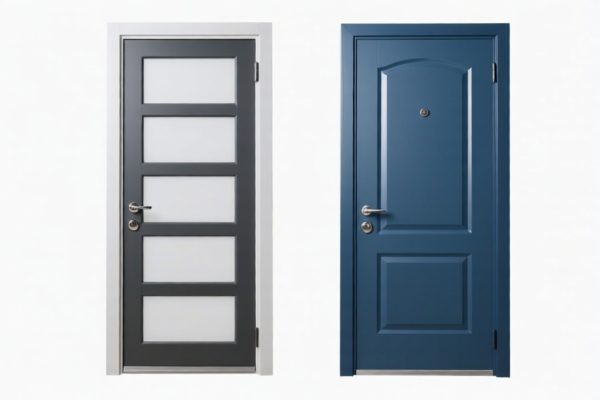
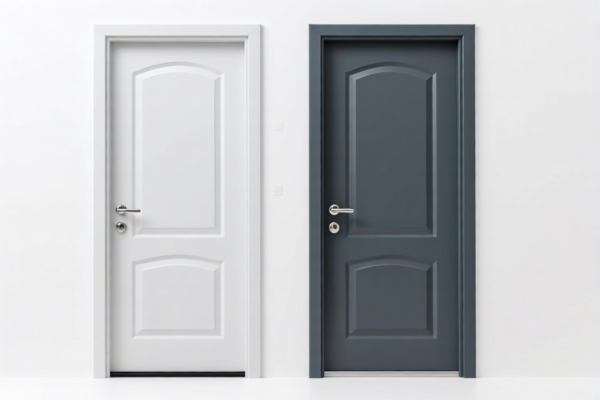

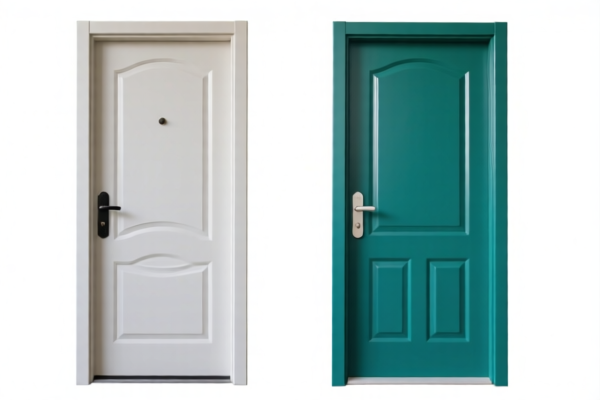
AI Analysis
🚪 Plastic Outer Door (Hinged & Sliding Types)
🌐 HS Code Reference & Customs Clearance Guide | 2026 Latest Tariff Analysis | Professional Clearance Strategy
📌 Part 1: Product Definition & Classification: Do You Really Know What a "Plastic Outer Door" Is?
The "Plastic Outer Door" typically refers to exterior doors made primarily of plastic materials (such as UPVC, PVC, or composite plastics), used for residential, commercial, or industrial building entrances. In international trade, these goods are often confused with general plastic products or specific construction components.
Classification Key Points: - Strictly "Doors & Frames": If the item is a finished door or part of a door frame system designed for building entry, it falls under Chapter 39 (Plastics and Articles Thereof), specifically HTS 3925. - General Plastic Articles: If it is a non-functional decorative piece, a simple cover, or not strictly a "door" in the architectural sense, it might fall under "Other Articles of Plastics" (HTS 3926). - Electronic Components?: If the "outer door" refers to a casing for an electronic device (like a modem or router), it is treated as a part of an electrical appliance, NOT a building door.
⚠️ Critical Distinction:
- If it is a building entrance door (UPVC/PVC) → Goes to 3925.20 (Doors, windows, and frames).
- If it is a protective housing/casing for electronics → Goes to 8517 or 3926.90 depending on specificity.
- Misclassification leads to severe penalties or shipment delays due to incorrect duty calculations.
📦 Part 2: HS Code Classification Details (2026 Authoritative Mapping)
Based on the provided data, here are the valid classifications for "Plastic Outer Door" variants:
| HS Code | Product Description | Application Scenario | Classification Logic |
|---|---|---|---|
3925.20.00.10 |
Plastic Door Thresholds/Doors | Main entrance doors, thresholds made of plastic | Fits definition of "Doors, windows and frames" |
3925.20.00.91 |
Plastic Door Thresholds | Architectural plastic components, thresholds | Fits definition of "Plastic building components & door thresholds" |
3926.30.50.00 |
Plastic Connecting Components | Architectural/furniture connectors made of plastic | Classified as "Other plastic articles" if not strictly a door |
3926.90.99.89 |
Plastic Outer Shell (General) | Generic plastic housings, non-electronic covers | Catch-all category for other plastic articles |
8517.79.00.00 |
Plastic Outer Shell (Electronic) | Housings for communication devices (modems, routers) | Classified as "Parts of telephonic/telegraphic apparatus" |
🔍 Key Reminder:
- For building doors (UPVC, PVC),3925.20.xx.xxis the most accurate and common classification.
- If the "outer door" is actually a plastic casing for a telecom device, it MUST be classified under8517.79.00.00or3926.90.99.89, NOT under building materials.
- The term "Outer Door" in e-commerce often refers to device casings, not architectural doors. You must verify the physical product.
💰 Part 3: 2026 Latest Tariff Rate Analysis (Including Surtaxes)
✅ Applicable Country: United States (US)
✅ Origin: China (CN)
✅ Effective Date: Current rates apply (including Section 301 and Section 232 implications where noted)
🎯 1. 3925.20.00.10 & 3925.20.00.91 —— Plastic Doors / Thresholds
| Item | Content |
|---|---|
| Base Tariff | 5.3% (ad valorem) |
| Section 301 Surtax | +7.5% (Trade War Tariff) |
| Section 122 Tariff | +10% (Specific US Trade Action) |
| Total Effective Tax Rate | 22.8% |
| Calculation Basis | CIF Value × 22.8% |
| De Minimis Exemption | ❌ Not Eligible (Standard commercial shipment rules apply) |
| Legal Basis Path | HTS:3925.20 → Sec301:List3 → Sec122:Action |
📌 Explanation:
- These codes are classified as plastic building components.
- They are subject to the standard 301 tariff list (7.5%) and an additional 122 clause tariff (10%).
- Total tax burden is 22.8%, which is moderate but significant. Plan pricing accordingly.
🎯 2. 3926.30.50.00 —— Other Plastic Articles (Connecting Components)
| Item | Content |
|---|---|
| Base Tariff | 5.3% |
| Section 301 Surtax | +7.5% |
| Section 122 Tariff | +10% |
| Total Effective Tax Rate | 22.8% |
| Calculation Basis | CIF Value × 22.8% |
| De Minimis Exemption | ❌ Not Eligible |
📌 Explanation:
- If the product is deemed a "plastic connector" rather than a door, the tax rate remains 22.8%.
- Classification depends on functional description. Ensure documentation supports "plastic article" if using this code.
🎯 3. 3926.90.99.89 —— Plastic Outer Shell (General/Other)
| Item | Content |
|---|---|
| Base Tariff | 5.3% |
| Section 301 Surtax | +7.5% |
| Section 122 Tariff | +10% |
| Total Effective Tax Rate | 22.8% |
| Calculation Basis | CIF Value × 22.8% |
| De Minimis Exemption | ❌ Not Eligible |
📌 Explanation:
- This is a "catch-all" for plastic goods not specified elsewhere.
- Same tax burden as above (22.8%). Use only if no more specific code applies.
🎯 4. 8517.79.00.00 —— Plastic Outer Shell (Electronic/Communication Parts)
| Item | Content |
|---|---|
| Base Tariff | 0.0% |
| Section 301 Surtax | +7.5% |
| Section 122 Tariff | +10% |
| Section 232 Surtax (Steel/Alum/Cu) | +50% (Only if material contains significant steel/aluminum/copper components, e.g., hinges, frames) |
| Total Effective Tax Rate | 67.5% (Standard Plastic) 117.5% (If Metal Components Included) |
| Calculation Basis | CIF Value × 67.5% (or 117.5%) |
| De Minimis Exemption | ❌ Not Eligible |
📌 Explanation:
- CRITICAL WARNING: If the "Plastic Outer Door" is actually a case for a router, modem, or telecom device, it falls under HTS 8517.
- Base duty is 0%, but Surtaxes push the total to 67.5%.
- If the shell has metal parts (steel/aluminum/copper), an additional 50% Section 232 tariff applies, bringing the total to 117.5%!
- Many sellers mistakenly classify electronic casings as plastic goods (22.8%) to avoid this, which is risky and potentially fraudulent.
🛠️ Part 4: Customs Clearance Practical Advice (Actionable Strategies)
✅ 1. Documentation Checklist (Must-Have)
| Document | Required? | Notes |
|---|---|---|
| ✅ Product Specification Sheet | ✔️ | Must clearly state: Material (100% Plastic vs. Composite), Use (Building Door vs. Electronic Case) |
| ✅ Photos (Internal & External) | ✔️ | Show no metal hinges, no circuit boards, no labels if claiming plastic building part |
| ✅ Commercial Invoice | ✔️ | Description must match HS code: "Plastic PVC Door" vs. "Plastic Housing for Model XYZ" |
| ✅ Bill of Lading | ✔️ | Ensure packing list details match invoice |
| ✅ Customs Ruling (Optional) | ✔️ | Highly recommended for 8517 vs 3925 distinction |
✅ 2. Classification Decision Tree
🔥 “Define Use, Define Material, Avoid the 67.5% Trap!”
| Scenario | Correct HS Code | Risk Level |
|---|---|---|
| Building Entrance Door (UPVC/PVC) | 3925.20.00.10 |
🟢 Low (22.8%) |
| Architectural Threshold (Plastic) | 3925.20.00.91 |
🟢 Low (22.8%) |
| Plastic Cover for Electronics (No Metal) | 8517.79.00.00 |
🔴 High (67.5%) |
| Plastic Cover with Metal Hinges/Frame | 8517.79.00.00 |
🔴🔴 Critical (117.5%) |
| Generic Plastic Shell (Unclear) | 3926.90.99.89 |
🟡 Medium (22.8%) |
✅ 3. Special Handling Tips
| Situation | Strategy |
|---|---|
| Misclassification Risk | If the product has any electronic labels, screws, or is sold with a device, DO NOT use 3925. Use 8517 to avoid fraud penalties. |
| Metal Components | Inspect carefully. If hinges, locks, or frames contain steel/aluminum/copper, the 50% Section 232 tariff triggers. Consider alternative materials or restructuring supply chain. |
| De Minimis Abuse | Do not split shipments to bypass $800 de minimis. CBP is actively monitoring plastic imports from China. |
| Labeling | Ensure products are labeled "Made in China" clearly. Mislabeling origin can lead to confiscation. |
🌍 Part 5: Market Comparison & Cost Impact
| Market | Typical HS Code | Estimated Tax Rate | Notes |
|---|---|---|---|
| 🇺🇸 USA | 3925.20 or 8517 |
22.8% – 67.5% | High scrutiny on electronic vs. building parts. |
| 🇨🇳 China | 3925.20 |
5-10% | Import duties lower, but VAT applies. |
| 🇪🇺 EU | 3925.20 |
0-6.5% | No Section 301 equivalent, but CE marking required. |
| 🇨🇦 Canada | 3925.20 |
0-5% | Lower tariffs, but strict labeling laws. |
📌 Conclusion:
- The US market is the most expensive for plastic imports due to Section 301 and 122 tariffs.
- For electronic casings, the tax burden is 3x higher (67.5%) than building doors (22.8%).
- Accurate classification is not just compliance—it’s profit protection.
📌 Part 6: Common Errors & Pitfalls (Learn from Mistakes)
❌ Error 1: Classifying a modem plastic case as a building door (3925)
👉 Consequence: Customs audit, penalties, and potential seizure. Duty difference: 44.7% underpayment.
❌ Error 2: Ignoring metal components in plastic shells
👉 Consequence: Triggering Section 232 tariffs (+50%) unexpectedly. Total tax jumps to 117.5%.
❌ Error 3: Using vague descriptions like "Plastic Part"
👉 Consequence: Customs may assign a default high-rate code or request additional duties.
✅ Correct Practice:
"UPVC PVC Exterior Door, 80x200cm, No Hardware, for Building Use" →
3925.20.00.10
"Plastic Housing for Wi-Fi Router Model XYZ, No Metal Parts" →8517.79.00.00(with 67.5% duty)
🎯 Part 7: Conclusion: Smart Classification, Smarter Profits
🎯 Remember:
🔹 "Building Door = 3925 = 22.8%"
🔹 "Electronic Case = 8517 = 67.5% (or 117.5% with metal)"
🔹 "Vague Description = Audit Risk"
📌 Pro Tip:
If you are importing electronic plastic housings, consider:
1. Removing all metal parts (use plastic screws/hinges) to avoid Section 232.
2. Pre-clearing with a customs broker to confirm HTS code.
3. Factoring 67.5% tax into your pricing model.
📣 Immediate Action:
📞 Consult a licensed customs broker.
📦 Provide exact product photos and bill of materials (BOM).
🚀 Avoid costly misclassification errors.
✨ Precision in Classification, Profit in Clearance!
💼 Every percentage point matters. Don’t guess—verify.
Customer Reviews
About HS Code Classification
The Harmonized System (HS) is an internationally standardized nomenclature developed by the World Customs Organization (WCO) to classify traded products. Over 200 countries use the HS system as the basis for customs tariffs, trade statistics, and import/export regulations.
Each HS code follows a hierarchical structure:
- Chapter (2 digits) — Broad category of goods (e.g., Chapter 84: Machinery and Mechanical Appliances)
- Heading (4 digits) — More specific grouping within the chapter
- Subheading (6 digits) — Internationally standardized breakdown, used by all WCO member countries
- National subdivisions (8-10 digits) — Country-specific extensions for further classification, such as US HTSUS 10-digit codes
Correct HS code classification is essential for smooth customs clearance, accurate duty payment, and compliance with trade regulations. Misclassification can lead to customs delays, overpayment of duties, or penalties.
When importing from CN to US, the applicable tariff rates may include:
- Most-Favored-Nation (MFN) rate — The standard duty rate applied to WTO members
- General rate — Applied to countries without trade agreements
- Trade remedy duties — Additional tariffs such as Section 301 (anti-dumping), Section 232 (national security), or countervailing duties
The information provided on this page is for reference purposes only. For official classification, please consult with your local customs authority or a licensed customs broker.