Plastic Outer Sole Ankle Boots (with Protective Metal Toe Cap, Single Shoe)
CN → US| HS Code | Tariff Rate | Origin | Destination | Doc |
|---|---|---|---|---|
| 6405909030 | 22.5% | CN | US | Official Doc |
| 6401100000 | 55.0% | CN | US | Official Doc |
| 6402913000 | 30.0% | CN | US | Official Doc |
| 6405909060 | 22.5% | CN | US | Official Doc |
| 6401929030 | 55.0% | CN | US | Official Doc |
Product Images

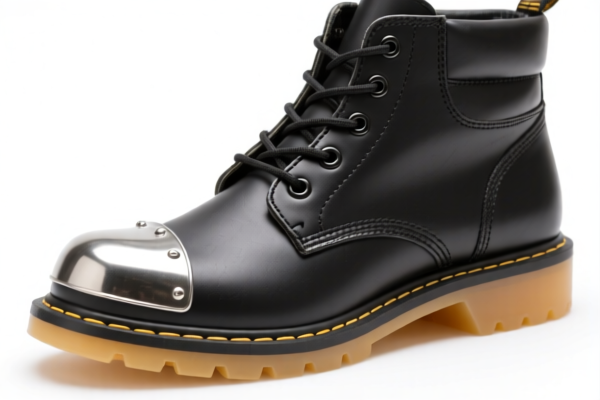
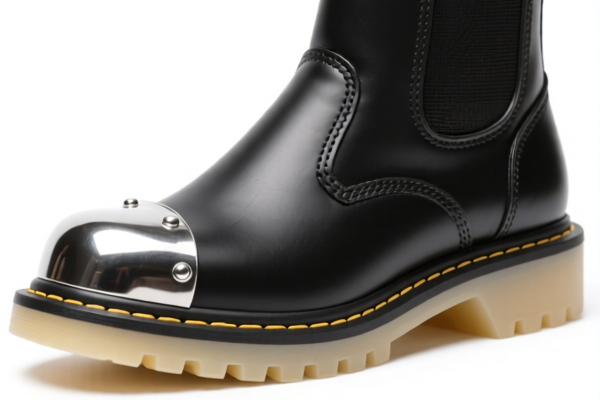
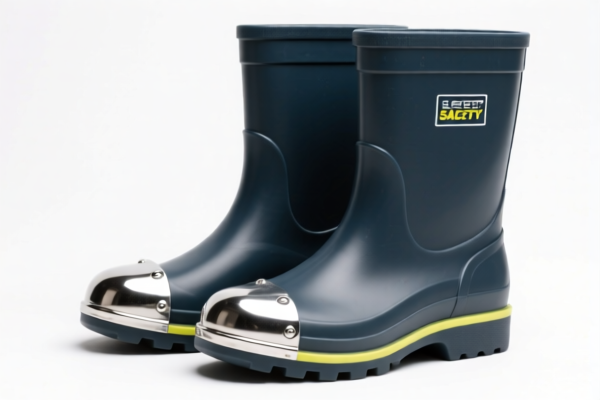
AI Analysis
👢 Plastic Outer Sole Ankle Boots (with Protective Metal Toe Cap, Single Shoe)
🌐 HS Code Classification & Customs Clearance Guide | 2026 Updated Duty Rates | Professional Clearance Strategy
📌 I. Product Definition & Classification: Are You Categorizing Correctly?
These are safety ankle boots featuring a plastic outer sole, enclosing the ankle, and equipped with a protective metal toe cap. They are primarily designed for industrial, construction, or protective work environments.
⚠️ Critical Classification Logic:
- Metal Toe Cap = High risk of misclassification into "Safety Footwear" (higher duty) vs. "General Boots".
- Plastic Sole + Ankle Coverage = Fits into specific rubber/plastic boot subheadings.
- Single Shoe = Must be declared as "pair" or "single" correctly; customs usually treats "single" as half a pair for value but the HS Code remains the same.
Key Distinction:
- If the boot is waterproof + metal toe + plastic/rubber sole → Often falls under 6401 (Waterproof).
- If the boot is non-waterproof + plastic sole + metal toe → Often falls under 6402 (Rubber/Plastic) or 6405 (Other).
📦 II. HS Code Classification Details (Based on Provided Data)
Based on your product specs (Plastic Sole, Ankle Boots, Metal Toe Cap), here are the 5 relevant HS Codes from your data with precise explanations and duty breakdowns.
| HS Code | Product Description | Application Scenario | Total Duty | Tax Composition |
|---|---|---|---|---|
6405.90.90.30 |
Plastic Sole Ankle Boots (Non-Specific) Material: Plastic. Shape: Boots. General "Other Footwear". |
General fashion boots, non-specialized protective wear. | 22.5% | Base: 12.5% Add-on: 0.0% 122-Cl: 10% |
6401.10.00.00 |
Waterproof Boots with Metal Toe Cap Material: Plastic. Logic: Waterproof construction + Metal Toe. |
High-Risk Safety Boots. Waterproof work boots for wet sites. | 55.0% | Base: 37.5% Add-on: 7.5% 122-Cl: 10% |
6402.91.30.00 |
Plastic Sole Ankle Boots with Metal Toe Cap Material: Plastic Sole. Shape: Ankle Boots. Metal Toe. |
Standard Safety Boots. Non-waterproof but protective. | 30.0% | Base: 20.0% Add-on: 0.0% 122-Cl: 10% |
6405.90.90.60 |
Plastic Sole Ankle Boots (Catch-all) Material: Plastic Sole. Shape: Boots. "Other Footwear" bucket. |
General plastic boots, no specific waterproof claim. | 22.5% | Base: 12.5% Add-on: 0.0% 122-Cl: 10% |
6401.92.90.30 |
Waterproof Ankle Boots with Metal Toe Material: Plastic Sole. Logic: Waterproof + Ankle + Metal Toe. |
Industrial Safety Work Boots. High protection for wet/dirty environments. | 55.0% | Base: 37.5% Add-on: 7.5% 122-Cl: 10% |
🔍 Critical Note:
- The presence of a Metal Toe Cap often triggers stricter scrutiny. If the boot is marketed as "Waterproof" (implied by 6401 codes), duties jump to 55%.
- If the boot is not waterproof but has a plastic sole and metal toe, the optimal code is6402.91.30.00(30.0%).
-6405.90.xxcodes are for "Other" shoes; they avoid the 37.5% base duty but require proving they are not "Waterproof" or "Safety Boots".
💰 III. 2026 Duty Rate Breakdown (Detailed Tax Clauses)
✅ Country of Origin: China (CN)
✅ Target Market: United States (US) (Based on "122-Cl" clause logic)
✅ Effective Date: 2025/2026 Period
🎯 Scenario A: The "Waterproof" Trap (Codes 6401.10.00.00 & 6401.92.90.30)
Total Duty: 55.0%
This is the highest risk category. If your boots are labeled "Waterproof" or have seams sealed to prevent water entry, they fall here.
| Component | Rate | Legal Basis / Clause |
|---|---|---|
| Base Duty | 37.5% | HTSUS General Rate (Section 64) |
| Section 301 Add-on | 7.5% | USITC "Add-on" Tariff (China-specific) |
| "122 Clause" Tariff | 10.0% | Section 122 of the Trade Act (Often relates to specific China surcharges) |
| Total | 55.0% | Critical Warning: Do not declare "Waterproof" unless certified. |
📌 Explanation:
- 37.5% is the standard base for waterproof leather/rubber/plastic footwear.
- 7.5% is the "Section 301" penalty for Chinese manufacturing.
- 10% is the specific "122 Clause" surcharge.
- Result: 55% total. A $100 boot costs $55 in duties alone!
🎯 Scenario B: The "Safety Boot" Sweet Spot (Code 6402.91.30.00)
Total Duty: 30.0%
This is the best option if the boot has a Metal Toe Cap but is NOT waterproof. It fits the "Rubber/Plastic" category with safety features but avoids the "Waterproof" surcharge.
| Component | Rate | Legal Basis / Clause |
|---|---|---|
| Base Duty | 20.0% | HTSUS General Rate for Rubber/Plastic footwear (not waterproof) |
| Section 301 Add-on | 0.0% | No additional 301 surcharge for this specific subheading |
| "122 Clause" Tariff | 10.0% | Mandatory 122 Clause surcharge |
| Total | 30.0% | Recommended Path for Metal Toe Plastic Boots |
📌 Explanation:
- The 0.0% Section 301 add-on is a massive saving compared to the 7.5% in 6401.
- The 10% 122 Clause is still applied.
- Result: 30% total. A $100 boot costs $30 in duties.
🎯 Scenario C: The "General Boot" Bucket (Codes 6405.90.90.30 & 6405.90.90.60)
Total Duty: 22.5%
If you can prove the boots are fashion/industrial casual and NOT classified as "Safety" (e.g., no specific safety standard certification like ASTM/CSA for the toe cap), they might fall here.
| Component | Rate | Legal Basis / Clause |
|---|---|---|
| Base Duty | 12.5% | HTSUS "Other Footwear" Rate |
| Section 301 Add-on | 0.0% | None |
| "122 Clause" Tariff | 10.0% | Mandatory 122 Clause surcharge |
| Total | 22.5% | Lowest possible, but Risk of Misclassification |
📌 Explanation:
- Base duty is low (12.5%).
- No Section 301 penalty.
- BUT: Customs may reject this if a Metal Toe Cap is visible and clearly intended for safety. If they deem it a "Safety Boot", they will reclassify to6402or6401, leading to back taxes + penalties.
🛠️ IV. Customs Clearance Operational Advice (Action Plan)
✅ 1. Preparation Checklist (Must-Have)
| Document | Status | Purpose |
|---|---|---|
| ✅ Product Photos (Side View) | Critical | Must clearly show Metal Toe Cap inside or protruding. |
| ✅ Material Specs Sheet | Critical | Confirm "Plastic Sole" and "No Waterproof Sealing". |
| ✅ Safety Certification (if any) | Review | If you have ASTM F2413, you MUST use 6402 or 6401. Do not try to hide it! |
| ✅ Commercial Invoice | Required | Description: "Plastic Ankle Boots with Reinforced Toe". Avoid "Waterproof" unless true. |
| ✅ Packing List | Required | Clearly state "Single Shoe" or "Pair". |
✅ 2. Declaration Strategy (The "Golden Rule")
🔥 Strategy: "Declare Safety, Avoid Water"
| Situation | Recommended HS Code | Declaration Description |
|---|---|---|
| Boots are Waterproof | 6401.10.00.00 or 6401.92.90.30 |
"Waterproof Safety Boots, Plastic Sole, Metal Toe" (Accept 55% duty) |
| Boots are NOT Waterproof | 6402.91.30.00 |
"Industrial Ankle Boots, Plastic Sole, Metal Toe Cap, Non-Waterproof" (Target 30% duty) |
| Fashion Boots with Metal Toe | 6405.90.90.30/.60 |
"Fashion Ankle Boots, Plastic Sole, Decorative Toe" (Target 22.5% duty, High Risk) |
⚠️ Warning: If you declare as
6405(22.5%) but the boot clearly has a metal toe and is used for work, Customs may audit and reclassify to6402(30%) or6401(55%), charging you the difference + penalties.
✅ 3. Special Handling for "Metal Toe Cap"
- Documentation: Include a photo of the toe cap in the spec sheet.
- Certification: If the toe cap meets ASTM F2413 (impact resistance), you cannot use
6405. You must use6402or6401. - Value: The metal cap adds value. Ensure the invoice reflects the total value including the cap, not just the plastic part.
🌍 V. Global Market Comparison (2026 Update)
| Market | Recommended Code | Duty Rate | Key Risk |
|---|---|---|---|
| 🇺🇸 USA | 6402.91.30.00 |
30.0% | Avoid "Waterproof" mislabeling to prevent 55% rate. |
| 🇨🇳 China | 6402.91.30.00 |
~10-15% | No Section 301/122 Clause. |
| 🇪🇺 EU | 6402.91.30.00 |
~17% | CE Safety Mark required for Metal Toe. |
| 🇬🇧 UK | 6402.91.30.00 |
~6% | Post-Brexit rules; Safety Certs mandatory. |
📌 Conclusion: The USA is the most critical market. The 55% rate for waterproof boots is a deal-breaker for many businesses. The 30% rate for non-waterproof safety boots is the optimal balance.
📌 VI. Common Errors & Pitfalls (Learn from Mistakes)
❌ Mistake 1: Declaring "Plastic Boots" as 6405.90.90.60 (22.5%) when they have a Safety Metal Toe.
👉 Consequence: Customs reclassifies to 6402.91.30.00 (30%) or 6401 (55%). You pay back taxes + 10% penalty.
❌ Mistake 2: Claiming "Waterproof" on the invoice to simplify, but the product is not waterproof.
👉 Consequence: 55% Duty. Wasted cost.
❌ Mistake 3: Shipping "Single Shoes" without declaring "Pair".
👉 Consequence: Customs may calculate duty based on "pair" value but charge for "single", leading to underpayment or delays.
✅ Correct Approach:
"Industrial Ankle Boots, Plastic Sole, Metal Toe Cap (Safety Standard ASTM F2413), Non-Waterproof, Model XYZ."
🎯 VII. Final Conclusion & Action Steps
🎯 Key Takeaway:
"Plastic Sole + Metal Toe = 30% Duty (if non-waterproof)"
"Plastic Sole + Metal Toe + Waterproof = 55% Duty"🔹 If you can prove non-waterproof: Use
6402.91.30.00(30.0%).
🔹 If you are unsure: Assume6402to avoid penalties.
🔹 Avoid6405unless the metal toe is purely decorative (rare).
📌 Pro Tip:
Apply for a Binding Ruling (Advance Ruling) from US Customs (CBP) before shipping large volumes. This legally locks in your HS Code and duty rate (30% vs 55%) for 5 years.
📣 Immediate Action:
- Verify Waterproof Status of your boots.
- Select HS Code
6402.91.30.00(30% duty) if non-waterproof.- Prepare Safety Certificates for the Metal Toe Cap.
- Contact your Broker to file the "Non-Waterproof" declaration.
✨ Smart Classification = Lower Duties = Higher Profits!
💼 Don't let a 25% duty difference eat your margins!
Customer Reviews
About HS Code Classification
The Harmonized System (HS) is an internationally standardized nomenclature developed by the World Customs Organization (WCO) to classify traded products. Over 200 countries use the HS system as the basis for customs tariffs, trade statistics, and import/export regulations.
Each HS code follows a hierarchical structure:
- Chapter (2 digits) — Broad category of goods (e.g., Chapter 84: Machinery and Mechanical Appliances)
- Heading (4 digits) — More specific grouping within the chapter
- Subheading (6 digits) — Internationally standardized breakdown, used by all WCO member countries
- National subdivisions (8-10 digits) — Country-specific extensions for further classification, such as US HTSUS 10-digit codes
Correct HS code classification is essential for smooth customs clearance, accurate duty payment, and compliance with trade regulations. Misclassification can lead to customs delays, overpayment of duties, or penalties.
When importing from CN to US, the applicable tariff rates may include:
- Most-Favored-Nation (MFN) rate — The standard duty rate applied to WTO members
- General rate — Applied to countries without trade agreements
- Trade remedy duties — Additional tariffs such as Section 301 (anti-dumping), Section 232 (national security), or countervailing duties
The information provided on this page is for reference purposes only. For official classification, please consult with your local customs authority or a licensed customs broker.