Plastic Outer Sole Metal Toe Cap Anti smash Shoes
CN → US| HS Code | Tariff Rate | Origin | Destination | Doc |
|---|---|---|---|---|
| 6403406000 | 18.5% | CN | US | Official Doc |
| 6401929030 | 55.0% | CN | US | Official Doc |
| 6403403090 | 15.0% | CN | US | Official Doc |
| 6402910500 | 16.0% | CN | US | Official Doc |
| 6402990400 | 16.0% | CN | US | Official Doc |
Product Images
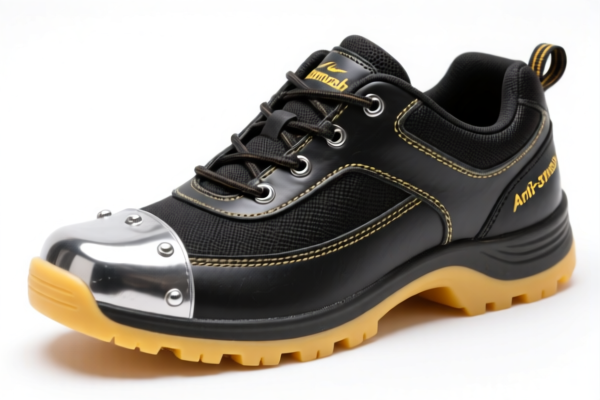
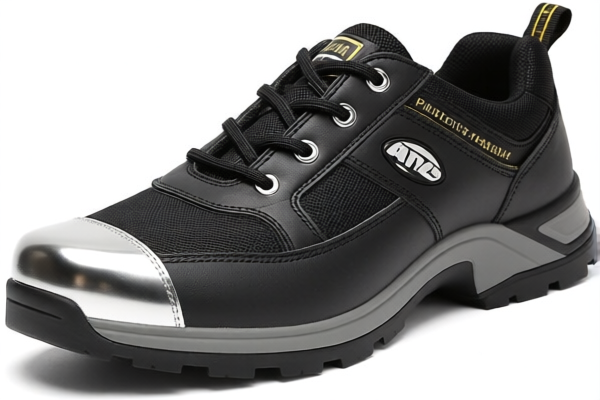
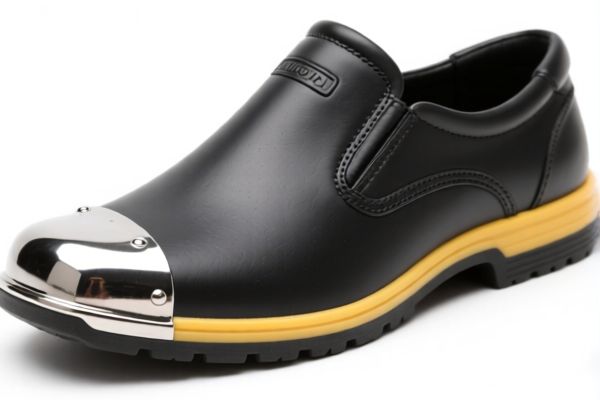

AI Analysis
👟🛡️ Plastic Outer Sole Metal Toe Cap Anti-Smash Safety Shoes
🌐 HS Code Reference & Customs Clearance Guide | 2026 Latest Tariff Breakdown | Professional Export Strategy
📌 Section 1: Product Definition & Classification: Do You Know "Anti-Smash Shoes"?
These are industrial safety footwear designed to protect workers' feet from heavy falling objects and puncture hazards. They are defined by two critical features: 1. Metal Toe Cap (Protection): Reinforced to meet impact/crush standards (e.g., ANSI, EN ISO 20345). 2. Plastic/Rubber Outer Sole: Providing slip resistance, oil resistance, and electrical insulation.
⚠️ Critical Distinction:
- If the outer sole is primarily plastic or rubber but has a leather upper, it often falls under 6403.
- If the upper material is also rubber/plastic, it falls under 6402.
- Puncture resistance (often a steel or plastic midsole) is a functional feature, not a primary classification criterion, but it confirms the "Safety Shoe" nature.
- Metal Toe Cap is a mandatory feature for safety classification but doesn't change the HS code group (it's usually a sub-feature description).
📦 Section 2: HS Code Classification Details (2026 Official Tariff对照)
Based on your product description ("Plastic Outer Sole Metal Toe Cap Anti-Smash Shoes"), here are the 5 matched classifications from the provided data. Each has a distinct tax implication due to material composition nuances.
| HS Code | Product Description (Summary Match) | Key Classification Criteria | Total Tax Rate (China -> US) |
|---|---|---|---|
| 6403.40.60.00 | Plastic Outer Sole, Metal Toe Cap, Anti-Puncture | Leather Upper + Plastic/Rubber Sole + Metal Toe | 18.5% |
| 6401.92.90.30 | Plastic/Rubber Sole, Metal Toe, Work Shoe | Waterproof/High-Duty Work Shoe features | 55.0% |
| 6403.40.30.90 | Plastic/Rubber/Leather Sole, Metal Toe Cap | Mixed Material Sole or specific Leather Upper | 15.0% |
| 6402.91.05.00 | Plastic Outer Sole, Metal Toe Cap | All-Rubber/Plastic Upper (Waterproof Boots) | 16.0% |
| 6402.99.04.00 | Plastic/Rubber Sole, Metal Toe Tip | Rubber/Plastic Upper (General Safety Boot) | 16.0% |
🔍 Analysis & Explanation:
- 6403 Series: Usually implies the upper is leather. If your shoe has a leather top and a plastic sole, this is the most likely low-tariff route (15-18.5%).
- 6402 Series: Usually implies the upper is rubber/plastic (like a rubber rain boot or PVC safety boot). These are slightly different but often carry similar tariffs (16%).
- 6401.92.90.30: This is the High-Tax Trap. It applies if the shoe is classified as a specific type of "waterproof" or "industrial work" boot with specific construction features that trigger the Section 301/122 tariff. The rate jumps to 55%.
💰 Section 3: 2026 Latest Tariff Breakdown (Detailed Tax Structure)
✅ Applicable Market: United States (US)
✅ Origin: China (CN)
✅ Effective: 2025/2026 (Post-Section 122 & 301 adjustments)
🎯 1. 6403.40.30.90 (Lowest Rate: 15.0%)
Best for Leather-Upper Safety Boots with Plastic Soles.
| Item | Detail |
|---|---|
| Base Tariff | 5.0% |
| Section 301 / "Add-on" | 0.0% (No Section 301 surcharge applied in this specific sub-code) |
| Section 122 (New) | +10.0% |
| Total Rate | 15.0% |
| Calculation | CIF Value × 15% |
| Legal Path | General Tariff: 5% + Section 122: 10% |
📌 Why this matters: This is the most cost-effective option if the shoe has a leather upper. The "Section 301" surcharge is waived for this specific sub-category, saving you 12% compared to other routes.
🎯 2. 6403.40.60.00 (Low-Mid Rate: 18.5%)
Plastic Sole + Metal Toe + Anti-Puncture (Leather Upper).
| Item | Detail |
|---|---|
| Base Tariff | 8.5% |
| Section 301 / "Add-on" | 0.0% |
| Section 122 (New) | +10.0% |
| Total Rate | 18.5% |
| Calculation | CIF Value × 18.5% |
| Legal Path | General Tariff: 8.5% + Section 122: 10% |
📌 Why this matters: Slightly higher base tariff than 6403.40.30.90, but still very competitive. The Section 122 (10%) is the consistent "new" tariff on all footwear from China in this category.
🎯 3. 6402.91.05.00 & 6402.99.04.00 (Mid Rate: 16.0%)
For Rubber/Plastic Upper Safety Boots.
| Item | Detail |
|---|---|
| Base Tariff | 6.0% |
| Section 301 / "Add-on" | 0.0% |
| Section 122 (New) | +10.0% |
| Total Rate | 16.0% |
| Calculation | CIF Value × 16.0% |
| Legal Path | General Tariff: 6% + Section 122: 10% |
📌 Why this matters: If your shoe is made of all rubber/plastic (e.g., PVC safety boots with metal toe), this is the correct code. The tax structure is identical to the 18.5% group, just with a different base rate.
⚠️ 4. 6401.92.90.30 (HIGH Rate: 55.0%)
WARNING: The "High-Tax Trap" for Specific Work Boots.
| Item | Detail |
|---|---|
| Base Tariff | 37.5% |
| Section 301 / "Add-on" | +7.5% |
| Section 122 (New) | +10.0% |
| Total Rate | 55.0% |
| Calculation | CIF Value × 55.0% |
| Legal Path | Base (37.5%) + Sec 301 (7.5%) + Sec 122 (10%) |
📌 CRITICAL RISK: This code applies if the shoe is classified as a specific waterproof industrial work boot with a complex construction. The 37.5% base tariff is unusually high for footwear. - Do not use this code unless your product strictly matches the "waterproof work boot" definition in Chapter 64, Note 1. - Risk: Overpaying 39% more tax than the standard classification.
🛠️ Section 4: Customs Clearance Practical Advice (Avoid Pitfalls)
✅ 1. Material Verification (The "Upper" is King)
| Shoe Feature | Correct HS Code Group | Risk of Wrong Code |
|---|---|---|
| Leather Upper + Plastic Sole | 6403.40.x0 (Low Tax: 15-18.5%) | If misdeclared as rubber (6402), tax is similar. If misdeclared as "Work Boot" (6401), tax jumps to 55%. |
| Rubber/Plastic Upper | 6402.9x.x0 (Mid Tax: 16%) | If misdeclared as Leather, you might face duty adjustment. |
| Any Safety Feature | Add description: "With Metal Toe Cap" | Never hide the metal toe; it confirms safety status but doesn't change the base code. |
💡 Pro Tip: If your shoe has a Leather Upper, fight for 6403.40.30.90 (15%). If it has a Rubber Upper, use 6402.99.04.00 (16%). Avoid 6401.92.90.30 at all costs unless absolutely necessary.
✅ 2. Declaration Strategy (Key Keywords)
🔥 "Material First, Feature Second"
Scenario Correct Declaration Mistake to Avoid Leather Upper Safety Footwear, Leather Upper, Plastic Sole, Metal Toe Cap, Puncture ResistantCalling it "Work Boot" (triggers 6401) Rubber Upper Safety Boots, Rubber/Plastic Upper, Metal Toe Cap, Anti-SmashCalling it "Leather" Metal Toe Must State: "Steel/Metal Toe Cap" Omitting this may lead to "General Footwear" (0% tariff) vs "Safety Footwear" (Higher tariff) Sole Must State: "Plastic/Rubber Outer Sole" Vague terms like "Non-Slip Sole"
✅ 3. Documentation Checklist (Must Have)
| Document | Requirement | Reason |
|---|---|---|
| Technical Drawing | Show material layers (Upper, Sole, Liner) | To prove "Leather" vs "Rubber" for 6403 vs 6402. |
| Material Certificates | Leather Certificate / Rubber Composition | Required for Base Tariff verification (5% vs 6%). |
| Safety Standards | ASTM F2413 / EN ISO 20345 Report | Proves "Anti-Smash" and "Metal Toe" validity. |
| Photos (Clear) | Side view (Sole), Top view (Toe Cap) | Customs officers need to see the construction. |
🌍 Section 5: Global Market Comparison (2026 Forecast)
| Country | Recommended HS Code | Estimated Tax (China Origin) | Key Note |
|---|---|---|---|
| 🇺🇸 USA | 6403.40.30.90 or 6402.99.04.00 | 15% - 18.5% | Avoid 6401 (55%). Section 122 (10%) applies universally. |
| 🇪🇺 EU | 6403.40 / 6402.99 | ~4% - 10% | No Section 122. Lower base rates. CE Marking required. |
| 🇨🇦 Canada | 6403.40 / 6402.99 | ~6% - 8% | No Section 301. C-TPAT certification helps. |
| 🇬🇧 UK | 6403.40 / 6402.99 | ~10% | Post-Brexit rules. No Section 122. |
📌 Conclusion:
The USA is the only major market where the Section 122 (10%) and Section 301 (7.5%) add-ons significantly impact the total duty for safety shoes. - Target 6403 for the lowest total tax (15%). - Avoid 6401 to prevent the 55% "penalty" tariff.
📌 Section 6: Common Errors & "Blood" Lessons (Lessons Learned)
❌ Error 1: Calling all safety shoes "Work Boots" (6401).
👉 Result: 55% Tax!
💡 Fix: Use 6403 (Leather) or 6402 (Rubber) unless it's a specific waterproof rubber boot.
❌ Error 2: Ignoring the "Metal Toe" description.
👉 Result: Might be classified as "General Footwear" (0-6%), but if inspected, you get back-taxed + fines for misdeclaration.
💡 Fix: Explicitly state "Metal Toe Cap" in the commercial invoice.
❌ Error 3: Mixing materials in description.
👉 Result: Customs officer cannot determine if it's 6402 or 6403.
💡 Fix: "Upper: Leather / Sole: Plastic" or "Upper: Rubber / Sole: Plastic". Be precise.
🎯 Section 7: Final Verdict & Action Plan
🚀 Action Plan for Exporters: 1. Identify Upper Material: Leather? → Go 6403.40.30.90 (15%). Rubber? → Go 6402.99.04.00 (16%). 2. Verify Construction: Ensure it's NOT a "Waterproof Industrial Boot" (6401) unless you are prepared for 55% tax. 3. Pre-File Ruling: Apply for an Advance Ruling from US CBP with your product specs to lock in the 15-18% rate. 4. Invoice Clarity: "Plastic Outer Sole Safety Shoe, Metal Toe Cap, [Material] Upper."
📣 Remember:
"Leather Upper = 15%, Rubber Upper = 16%, Wrong Code = 55%!"
One character difference in your HS Code can save you thousands of dollars per container.
✨ Professional Clearance Starts with Precision!
💼 Your margin depends on your HS Code choice.
🔗 Contact your broker today to validate the "Upper" material!
Customer Reviews
About HS Code Classification
The Harmonized System (HS) is an internationally standardized nomenclature developed by the World Customs Organization (WCO) to classify traded products. Over 200 countries use the HS system as the basis for customs tariffs, trade statistics, and import/export regulations.
Each HS code follows a hierarchical structure:
- Chapter (2 digits) — Broad category of goods (e.g., Chapter 84: Machinery and Mechanical Appliances)
- Heading (4 digits) — More specific grouping within the chapter
- Subheading (6 digits) — Internationally standardized breakdown, used by all WCO member countries
- National subdivisions (8-10 digits) — Country-specific extensions for further classification, such as US HTSUS 10-digit codes
Correct HS code classification is essential for smooth customs clearance, accurate duty payment, and compliance with trade regulations. Misclassification can lead to customs delays, overpayment of duties, or penalties.
When importing from CN to US, the applicable tariff rates may include:
- Most-Favored-Nation (MFN) rate — The standard duty rate applied to WTO members
- General rate — Applied to countries without trade agreements
- Trade remedy duties — Additional tariffs such as Section 301 (anti-dumping), Section 232 (national security), or countervailing duties
The information provided on this page is for reference purposes only. For official classification, please consult with your local customs authority or a licensed customs broker.