Plastic Outsole and Upper
CN → US| HS Code | Tariff Rate | Origin | Destination | Doc |
|---|---|---|---|---|
| 6405909030 | 22.5% | CN | US | Official Doc |
| 6402993115 | 16.0% | CN | US | Official Doc |
| 6402993145 | 16.0% | CN | US | Official Doc |
| 6405909060 | 22.5% | CN | US | Official Doc |
| 6402996915 | 58.0% | CN | US | Official Doc |
Product Images
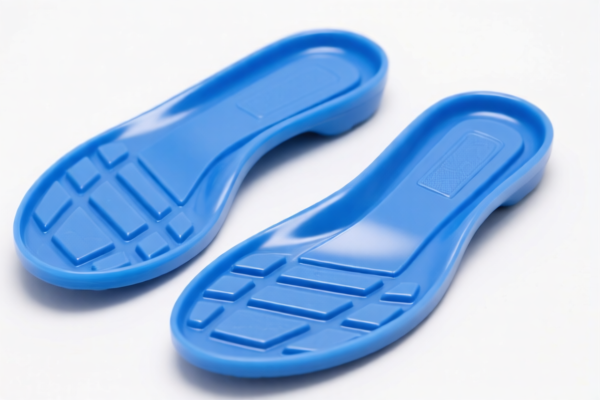
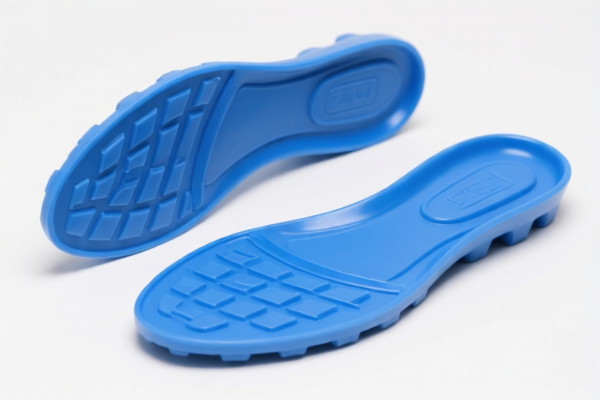
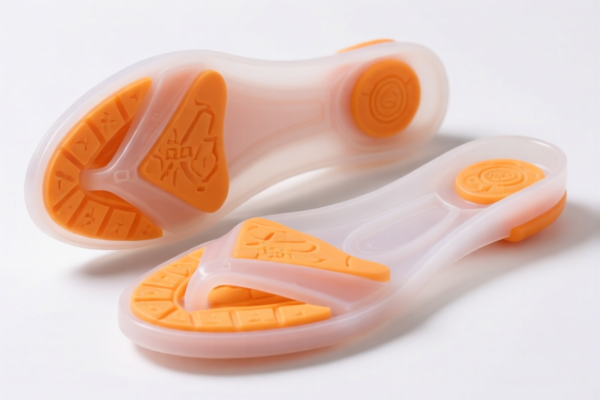
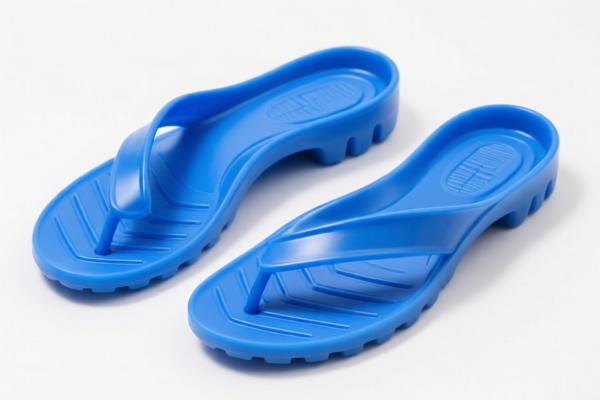
AI Analysis
👟 Shoes with Plastic Outsole and Upper: HS Code & Tax Deep Dive (US Market)
🌐 HS Code Reference & Customs Clearance Guide | 2024-2026 Tax Analysis | Professional Clearance Strategy
📌 1. Product Definition & Classification: What Exactly Are We Talking About?
Plastic Outsole and Upper Shoes refer to footwear where both the sole (outsole) and the upper part (the part covering the foot) are made primarily of plastic or rubber materials. In international trade, these are distinct from leather, textile, or mixed-material shoes.
Key Distinction: * Plastic/Rubber Upper & Sole: Falls under Chapter 64 (Footwear, headgear, umbrellas, etc.). * Textile Upper + Plastic Sole: Still generally falls under Chapter 64, but the HS code differs based on the upper material's composition. * Leather Upper + Plastic Sole: Also Chapter 64, but different codes.
⚠️ Critical Differentiator:
- If the upper is >90% plastic by surface area → Specific subheadings apply (e.g., 6402.99.31.45).
- If the upper is general plastic/rubber (not meeting the >90% rule or specific type) → Broader subheadings apply (e.g., 6402.99.31.15 or 6405.90.90).
- "Other" Category: If it doesn’t fit specific descriptions → Falls under "Other" (e.g., 6405.90.90.30 or 6402.99.69.15).
📦 2. HS Code Classification Details (Latest Tariff Schedule)
Based on the provided data, here are the specific HS Codes and their descriptions:
| HS Code | Product Description | Key Characteristic |
|---|---|---|
6405.90.90.30 |
Other footwear with outer soles and uppers of materials meeting other attribute requirements | General "Other" category; broad plastic/rubber material fit |
6402.99.31.15 |
Footwear with plastic/rubber outer soles & uppers, meeting material requirements | General plastic/rubber upper/outsole classification |
6402.99.31.45 |
Footwear with plastic outer soles & uppers, ≥90% plastic surface area on upper | High plastic content specific classification |
6405.90.90.60 |
Other footwear, "Other" bottom category; plastic outer sole & upper | Broader "Other" classification for plastic shoes |
6402.99.69.15 |
Footwear with plastic outer soles & uppers, matching material & use logic | High base tariff category; specific material-use match |
🔍 Important Note:
- All these codes apply to US imports from China.
- The 122 Clause Tariff applies to all these items.
- The Base Tariff varies significantly (from 6% to 48%).
- Misclassification risk is HIGH because small differences in material composition (e.g., 89% vs 90% plastic) change the HS code and tax rate.
💰 3. 2024-2026 Tariff Rate Breakdown (Including Surcharges)
✅ Applicable Country: United States (US)
✅ Origin: China (CN)
✅ Effective Time: Current trade war tariffs (Section 301 + 122 Clause)
🎯 1. 6402.99.31.15 & 6402.99.31.45 – Plastic/Rubber Shoes
| Item | Detail |
|---|---|
| Base Tariff | 6.0% |
| Section 301 Surcharge | 0.0% (Note: Data shows 0.0%, but verify with latest USITC updates) |
| 122 Clause Tariff | 10% |
| Total Tax Rate | 16.0% |
| Calculation | CIF Value × 16.0% |
| De Minimis Exemption | ❌ NOT APPLICABLE (High tariff items usually excluded from $800 de minimis) |
| Legal Basis | USITC:6402.99.31.15 / 6402.99.31.45 + 122 Clause |
📌 Explanation:
- The 122 Clause is a specific US trade provision targeting certain Chinese goods.
- Even though Section 301 shows 0.0% in the data, the 122 Clause adds 10%, making the total 16%.
- High plastic content (>90%) (6402.99.31.45) has the same tax rate as general plastic shoes (6402.99.31.15) in this dataset.
🎯 2. 6405.90.90.30 & 6405.90.90.60 – "Other" Plastic Shoes
| Item | Detail |
|---|---|
| Base Tariff | 12.5% |
| Section 301 Surcharge | 0.0% |
| 122 Clause Tariff | 10% |
| Total Tax Rate | 22.5% |
| Calculation | CIF Value × 22.5% |
| De Minimis Exemption | ❌ NOT APPLICABLE |
| Legal Basis | USITC:6405.90.90.30 / 6405.90.90.60 + 122 Clause |
📌 Explanation:
- These codes are for "Other" footwear that doesn’t fit the stricter definitions of 6402.99.31.
- Higher base tariff (12.5%) leads to a higher total tax (22.5%).
- Use these when the product doesn’t meet the >90% plastic rule or specific material definitions.
🎯 3. 6402.99.69.15 – Special Material/Use Match
| Item | Detail |
|---|---|
| Base Tariff | 48.0% |
| Section 301 Surcharge | 0.0% |
| 122 Clause Tariff | 10% |
| Total Tax Rate | 58.0% |
| Calculation | CIF Value × 58.0% |
| De Minimis Exemption | ❌ NOT APPLICABLE |
| Legal Basis | USITC:6402.99.69.15 + 122 Clause |
📌 CRITICAL WARNING:
- This code has a very high base tariff (48%)!
- It applies to footwear with a specific "material and use logic match" that is treated differently (possibly older or specific industrial types).
- Total Tax: 58%. This is extremely expensive. Avoid misclassification into this code!
🛠️ 4. Customs Clearance Practical Advice
✅ 1. Documentation Checklist (Must-Haves)
| Document | Required | Notes |
|---|---|---|
| ✅ Product Specification Sheet | ✔️ | Must state: Material composition of Upper and Outsole (e.g., "100% PVC", "70% Rubber/30% Plastic"). |
| ✅ Photos of Shoes | ✔️ | Clear shots of inner label, sole pattern, and upper material texture. |
| ✅ Commercial Invoice | ✔️ | Describe accurately: "Plastic Outsole & Upper Shoes, Model XYZ". |
| ✅ Packing List | ✔️ | Standard format. |
| ✅ Certificate of Origin | ✔️ | To confirm Chinese origin (triggers tariffs). |
| ✅ Material Test Report | ✔️ | If unsure about >90% plastic rule, provide lab test to confirm plastic percentage. |
✅ 2. Classification Strategy (Key Tips)
🔥 “Know Your Material! 90% Plastic is the Line!”
| Scenario | Recommended HS Code | Tax Rate | Why? |
|---|---|---|---|
| Upper is ≥90% Plastic | 6402.99.31.45 |
16.0% | Specific subheading for high plastic content. |
| Upper is Plastic/Rubber (General) | 6402.99.31.15 |
16.0% | Standard plastic/rubber footwear. |
| Other Plastic Shoes (No specific fit) | 6405.90.90.30 or 6405.90.90.60 |
22.5% | Broader "Other" category. |
| High Base Tariff Category | 6402.99.69.15 |
58.0% | AVOID unless product specifically matches this "use logic". |
📌 Tip:
- If your shoes are fashion sneakers with plastic uppers, they likely fall under 16%.
- If they are industrial safety shoes with specific material uses, verify if they fall under the 58% category.
- Never assume "plastic shoes" are all the same code. The 90% rule is critical.
✅ 3. Special Cases
| Case | Handling Advice |
|---|---|
| Mixed Materials (e.g., Canvas + Plastic Sole) | Check if upper is primarily textile. If yes, HS code changes (not in this data set). |
| Sandals vs. Closed Shoes | Different HS codes may apply. Ensure description matches "footwear" broadly. |
| De Minimis ($800) | ❌ Not Eligible. High tariffs mean packages under $800 are still taxed and may be scrutinized. |
| Anti-Dumping/Countervailing Duties (AD/CVD) | Check if specific Chinese footwear is subject to AD/CVD. This data does not show AD/CVD, but always verify. |
🌍 5. Global Market Comparison (2024-2026)
| Country/Region | Typical HS Code (Example) | Tariff (China Origin) | Notes |
|---|---|---|---|
| 🇺🇸 United States | 6402.99.31.15 |
16.0% (incl. 122 Clause) | High due to trade war policies. |
| 🇨🇳 China | 6402.99.31.15 |
~10-15% | Import tax into China. |
| 🇪🇺 EU | 6402.99.98 |
~12-17% | No Section 301 or 122 Clause. |
| 🇬🇧 UK | 6402.99.98 |
~12-17% | Post-Brexit tariffs apply. |
| 🇦🇺 Australia | 6402.99.99 |
~5-10% | Lower base tariffs. |
📌 Conclusion:
- The US is the most expensive market for Chinese plastic footwear due to the 122 Clause.
- EU, UK, Australia have lower or no additional trade war tariffs.
- Consider supply chain diversification (e.g., sourcing from Vietnam or India) if targeting the US to avoid the 122 Clause.
📌 6. Common Mistakes & Pitfalls (Learn from Others!)
❌ Mistake 1: Assuming all plastic shoes are 16% tax.
👉 Result: If misclassified into 6402.99.69.15, you pay 58%. Huge loss!
❌ Mistake 2: Ignoring the 90% plastic rule.
👉 Result: If your shoe is 89% plastic but classified as >90%, you might be flagged for inspection and potential penalties.
❌ Mistake 3: Not declaring 122 Clause.
👉 Result: Customs will assess the 10% surcharge + penalties + interest.
❌ Mistake 4: Using "De Minimis" for large shipments.
👉 Result: High-value plastic footwear shipments are often audited. De Minimis does not apply to high-tariff goods in many cases.
✅ Correct Approach:
"Specify Material Composition Clearly! Provide Lab Tests if Needed! Use Professional Customs Broker!"
🎯 7. Conclusion: Precision in Classification Saves Money!
🎯 Remember This Rule:
🔹 >90% Plastic Upper? →
6402.99.31.45(16%)
🔹 General Plastic Upper? →6402.99.31.15(16%)
🔹 Other Plastic? →6405.90.90.30(22.5%)
🔹 High Base Tariff? →6402.99.69.15(58%) - AVOID IF POSSIBLE!
📌 Pro Tip:
If you are importing large volumes, apply for a Binding Ruling from US Customs and Border Protection (CBP) to confirm the correct HS Code and tax rate. This provides legal certainty and avoids surprises.
📣 Act Now!
📞 Consult a Customs Broker + Verify Material Composition + Check 122 Clause Applicability
🚀 Clear Your Shoes Smoothly, Maximize Your Profit Margin!
✨ Professional Clearance Starts with Accurate Classification!
💼 Every Percent of Tax Matters!
Customer Reviews
About HS Code Classification
The Harmonized System (HS) is an internationally standardized nomenclature developed by the World Customs Organization (WCO) to classify traded products. Over 200 countries use the HS system as the basis for customs tariffs, trade statistics, and import/export regulations.
Each HS code follows a hierarchical structure:
- Chapter (2 digits) — Broad category of goods (e.g., Chapter 84: Machinery and Mechanical Appliances)
- Heading (4 digits) — More specific grouping within the chapter
- Subheading (6 digits) — Internationally standardized breakdown, used by all WCO member countries
- National subdivisions (8-10 digits) — Country-specific extensions for further classification, such as US HTSUS 10-digit codes
Correct HS code classification is essential for smooth customs clearance, accurate duty payment, and compliance with trade regulations. Misclassification can lead to customs delays, overpayment of duties, or penalties.
When importing from CN to US, the applicable tariff rates may include:
- Most-Favored-Nation (MFN) rate — The standard duty rate applied to WTO members
- General rate — Applied to countries without trade agreements
- Trade remedy duties — Additional tariffs such as Section 301 (anti-dumping), Section 232 (national security), or countervailing duties
The information provided on this page is for reference purposes only. For official classification, please consult with your local customs authority or a licensed customs broker.