Plastic Packaging Band
CN → US| HS Code | Tariff Rate | Origin | Destination | Doc |
|---|---|---|---|---|
| 3916905000 | 40.8% | CN | US | Official Doc |
| 5607491000 | 37.7% | CN | US | Official Doc |
| 3920591000 | 41.0% | CN | US | Official Doc |
| 3916903000 | 41.5% | CN | US | Official Doc |
| 5607411000 | 37.7% | CN | US | Official Doc |
Product Images
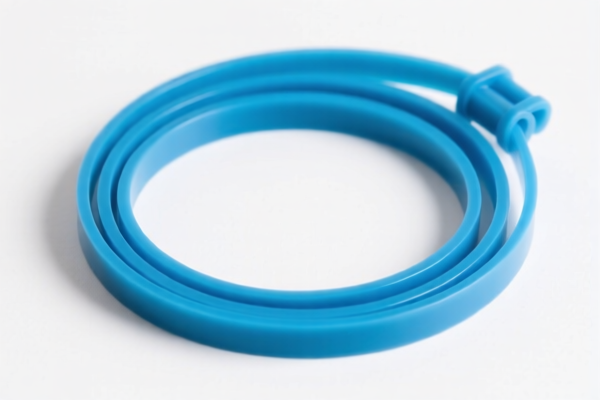
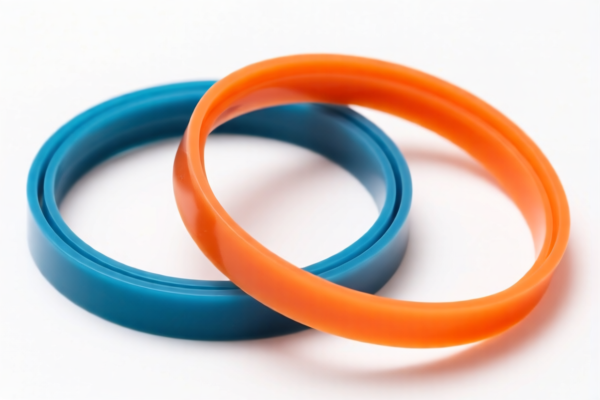
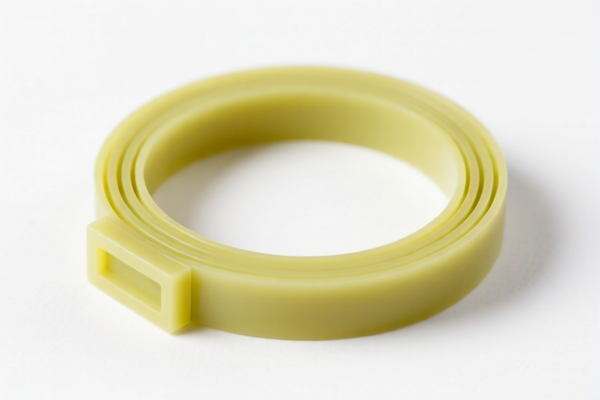
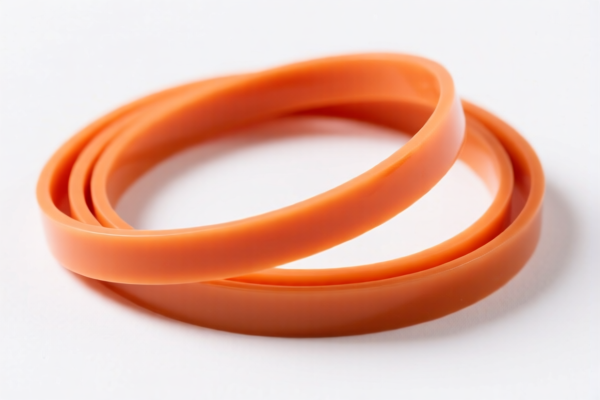
AI Analysis
📦 Plastic Packaging Band (Packaging Tape/Strapping)
🌐 HS Code Reference & Customs Clearance Guide | 2026 Latest Tariff Analysis | Professional Clearance Strategy
📌 I. Product Definition & Classification: Do You Really Know "Plastic Packaging Band"?
Plastic packaging bands are essential logistics consumables, used for bundling, securing, and stabilizing cargo on pallets or in boxes. In international trade, their classification depends heavily on their material composition (Polypropylene/PP vs. Polyethylene/PE) and physical form (strip vs. filament).
⚠️ Key Distinction Points:
- Form Factor: Is it a flat strip (tape/strapping) or a round filament (monofilament)?
- Flat strips → Generally classified under Chapter 39 (Plastics in primary forms) or Chapter 56 (Textiles/Felt).
- Round filaments → Classified under Chapter 39 (Monofilaments).
- Material:
- Polypropylene (PP): Most common for heavy-duty strapping. Often falls under 3920 (Non-cellular plates/sheets/film/foil/band) or 5607 (Twine/Cordage/Rope/Tape).
- Polyethylene (PE): Common for stretch wrap or lighter strapping. Often falls under 5607.
📦 II. HS Code Classification Details (2026 Latest Tariff Authority Comparison)
| HS Code | Product Description | Key Characteristics | Total Tax Rate* |
|---|---|---|---|
3916.90.50.00 |
Plastic Monofilaments, Rods, or Shapes (Other) | Based on material inference (PP/PE), classified as plastic monofilament/rod/profile morphology. | 40.8% |
5607.49.10.00 |
Plastic Strands, Rope, Cordage, etc. (Other) | Fits PE/PP material and band/strip morphology. Classified as "Plastic Strapping." | 37.7% |
3920.59.10.00 |
Plates, Sheets, Film, Foil, Band, Strip (Plastics) | Based on PP or acrylic polymers. Morphology is a "band." Fits plastic band classification. | 41.0% |
3916.90.30.00 |
Plastic Monofilaments (Other) | Based on strip morphology, fits "monofilament" or "other plastic" morphology features. | 41.5% |
5607.41.10.00 |
Plastic Twine, Cordage, Rope, Netting | Application fits lashing or packing rope category. Material inferred as PE/PP. Morphology fits strip features. | 37.7% |
🔍 Key Reminder:
- The distinction between 39xx (Plastics) and 5607 (Strapping/Tape) is critical.
- 3916 applies if the product is considered a "monofilament" (single continuous thread-like structure).
- 3920 applies if it is a "band" or "strip" derived from plastic plates/sheets.
- 5607 applies if it is explicitly considered "plastic twine/strapping" (often treated similarly to textile strapping in some jurisdictions).
💰 III. 2026 Latest Tariff Rate Breakdown (Including Surtaxes & Policy Add-ons)
✅ Applicable Country: United States (US)
✅ Origin: China (CN)
✅ Effective Date: November 10, 2025 onwards (including subsequent imports)
🎯 1. 3916.90.50.00 — Plastic Monofilaments/Rods/Shapes
| Item | Details |
|---|---|
| Base Tariff | 5.8% |
| Surtax (Section 301) | +25.0% |
| 122 Clause Tariff | +10.0% |
| Total Tax Rate | 40.8% |
| Tax Calculation | CIF Value × 40.8% |
| De Minimis Exemption? | ❌ Not Eligible (High probability of scrutiny due to surtaxes) |
| Legal Basis Path | Base: 3916 → Section 301: 25% → 122 Clause: 10% |
📌 Explanation:
- This code treats the packaging band as a plastic profile or monofilament.
- The 40.8% total rate is a combination of the standard MFN rate (5.8%) and significant political surcharges (35% total).
- Risk: High. Custom may verify if the product is truly a "monofilament" vs. a "band."
🎯 2. 5607.49.10.00 — Other Plastic Strands/Rope/Tape
| Item | Details |
|---|---|
| Base Tariff | 2.7% |
| Surtax (Section 301) | +25.0% |
| 122 Clause Tariff | +10.0% |
| Total Tax Rate | 37.7% |
| Tax Calculation | CIF Value × 37.7% |
| De Minimis Exemption? | ❌ Not Eligible |
| Legal Basis Path | Base: 5607.49 → Section 301: 25% → 122 Clause: 10% |
📌 Explanation:
- This is often the most favorable code for plastic strapping if it can be argued as "twine/strapping" rather than a plastic plate/band.
- The base rate is lower (2.7%), resulting in a lower total burden (37.7%).
🎯 3. 3920.59.10.00 — Plastic Plates/Sheets/Band/Strip
| Item | Details |
|---|---|
| Base Tariff | 6.0% |
| Surtax (Section 301) | +25.0% |
| 122 Clause Tariff | +10.0% |
| Total Tax Rate | 41.0% |
| Tax Calculation | CIF Value × 41.0% |
| De Minimis Exemption? | ❌ Not Eligible |
| Legal Basis Path | Base: 3920.59 → Section 301: 25% → 122 Clause: 10% |
📌 Explanation:
- Classified as a plastic band/strip.
- Highest base rate among the options (6.0%), leading to the highest total rate (41.0%).
- Risk: Ensure the product is not considered a "film" or "sheet" which might have different codes.
🎯 4. 3916.90.30.00 — Other Plastic Monofilaments
| Item | Details |
|---|---|
| Base Tariff | 6.5% |
| Surtax (Section 301) | +25.0% |
| 122 Clause Tariff | +10.0% |
| Total Tax Rate | 41.5% |
| Tax Calculation | CIF Value × 41.5% |
| De Minimis Exemption? | ❌ Not Eligible |
| Legal Basis Path | Base: 3916.90 → Section 301: 25% → 122 Clause: 10% |
📌 Explanation:
- Similar to3916.90.50.00but a different sub-heading for "other" monofilaments.
- Highest total tax rate (41.5%). Avoid this code unless absolutely necessary.
🎯 5. 5607.41.10.00 — Plastic Twine/Cordage/Rope
| Item | Details |
|---|---|
| Base Tariff | 2.7% |
| Surtax (Section 301) | +25.0% |
| 122 Clause Tariff | +10.0% |
| Total Tax Rate | 37.7% |
| Tax Calculation | CIF Value × 37.7% |
| De Minimis Exemption? | ❌ Not Eligible |
| Legal Basis Path | Base: 5607.41 → Section 301: 25% → 122 Clause: 10% |
📌 Explanation:
- Fits the description of lashing or packing rope.
- Same favorable rate as5607.49.10.00(37.7%).
- Recommendation: If your product is round or braided, this code is ideal.
🛠️ IV. Customs Clearance Practical Advice (Real-World Pitfall Guide)
✅ 1. Document Checklist (All Required)
| Document | Required | Notes |
|---|---|---|
| ✅ Product Specification Sheet | ✔️ | Must specify material (PP/PE), dimensions (width/thickness), tensile strength. |
| ✅ Product Photos | ✔️ | Clear images showing cross-section (round vs. flat) and usage context. |
| ✅ Commercial Invoice | ✔️ | Accurate description: "Polypropylene Packaging Strapping" or "Polyethylene Band." |
| ✅ Certificate of Origin (CO) | ✔️ | If originating from China, confirm origin for tariff calculations. |
| ✅ Material Safety Data Sheet (MSDS) | ✔️ | Sometimes required for plastic products. |
✅ 2. Declaration Strategy (Key Tips)
🔥 “Form Dictates Code, Material Matters, Avoid Ambiguity!”
| Scenario | Recommended HS Code | Reason |
|---|---|---|
| Flat PP Strapping (Bale ties) | 3920.59.10.00 or 5607.49.10.00 |
Depends on whether it's seen as a "plastic strip" (3920) or "plastic strapping" (5607). 5607 is cheaper. |
| Round PE/PP Filament | 3916.90.50.00 or 3916.90.30.00 |
Classified as monofilament. 3916.90.50.00 is slightly better (40.8% vs 41.5%). |
| Braided Plastic Rope | 5607.41.10.00 |
Classified as plastic twine/rope. 37.7% rate. |
| Stretch Wrap (Roll) | Check 3920 or 5607 |
If it's a roll, ensure it's not classified as "film" (3920.1x) which may have different rates. |
📌 Critical Note:
- Misclassification Risk: Declaring a flat strip as "monofilament" to get a different rate, or vice versa, can lead to audits.
- Material Evidence: Provide lab reports confirming the polymer type (PP vs. PE) to support the HS code choice.
✅ 3. Special Circumstances
| Situation | Handling Advice |
|---|---|
| OEM/White Label | Ensure the supplier’s invoice matches the declared HS code description. |
| Mixed Containers | If plastic bands are mixed with other goods, ensure separate billing to avoid ambiguity. |
| High Value | For large volumes, consider applying for an Advance Ruling from US Customs to lock in the HS code. |
| Section 301 Exclusion | Check if this specific HS code is still eligible for any exclusions (unlikely for general plastic strapping). |
🌍 V. Global Market Comparison (2026 Latest)
| Country/Region | Recommended HS Code | Base Tariff | Surtaxes/Notes |
|---|---|---|---|
| 🇺🇸 USA | 5607.49.10.00 |
2.7% | +35% Surtax (Total 37.7%). High scrutiny on plastic goods from China. |
| 🇨🇳 China | 3920.59.10.00 |
~6% | No surtaxes. Standard import duty. |
| 🇪🇺 EU | 3920.59.00 |
~6% | No surtaxes. VAT applies (varies by country). |
| 🇦🇺 Australia | 3920.59.00 |
~5% | No surtaxes. GST applies. |
| 🇯🇵 Japan | 3920.59.00 |
~5% | No surtaxes. |
📌 Conclusion:
- The USA is the most expensive market for plastic packaging bands from China due to Section 301 (25%) and 122 Clause (10%) tariffs.
- EU, Australia, and Japan have significantly lower duties, making them more attractive for export if supply chains allow.
📌 VI. Common Errors & Pitfall Guide (Lessons Learned)
❌ Error 1: Classifying flat PP strapping as "Plastic Film" (3920.1x)
👉 Consequence: Incorrect code. Film codes may have different surtax exemptions or higher scrutiny.
❌ Error 2: Declaring "Plastic Band" without specifying material (PP/PE)
👉 Consequence: Customs will estimate based on worst-case scenario or delay clearance for more info.
❌ Error 3: Assuming all plastic strapping falls under one code
👉 Consequence: Missing out on lower rates (e.g., 5607 vs 3920).
❌ Error 4: Ignoring the "122 Clause"
👉 Consequence: Underpaying taxes by 10%. This clause applies to many plastic goods from China.
✅ Correct Practice:
“Polypropylene (PP) Baled Strapping, Flat, 15mm x 0.8mm, Non-Reflective, for Palletizing”
🎯 VII. Conclusion: Professional Declaration, Cost Optimization!
🎯 Remember the Motto:
🔹 “Shape Defines Code, Material Defines Duty, Check Surtaxes!”
🔹 “5607 is King for Strapping (37.7%), 3916 is for Filaments (40.8%), 3920 is for Bands (41.0%).”
📌 Pro Tip:
- If your plastic packaging band is round or braided, always aim for 5607.41.10.00 or 5607.49.10.00 (37.7% total).
- If it is a flat strip, 3920.59.10.00 is the standard, but 5607.49.10.00 may be argued for lower rates (37.7%).
- Consult a customs broker for an Advance Ruling if the volume is high.
📣 Immediate Action:
📞 Contact a licensed customs broker + Provide product samples/photos + Request HS Code Pre-classification.
🚀 Ensure your plastic packaging bands clear US customs smoothly, legally, and cost-effectively!
✨ Professional Customs Clearance Starts with Accurate Classification!
💼 Every Percentage Point in Tariff is Money Saved!
Customer Reviews
About HS Code Classification
The Harmonized System (HS) is an internationally standardized nomenclature developed by the World Customs Organization (WCO) to classify traded products. Over 200 countries use the HS system as the basis for customs tariffs, trade statistics, and import/export regulations.
Each HS code follows a hierarchical structure:
- Chapter (2 digits) — Broad category of goods (e.g., Chapter 84: Machinery and Mechanical Appliances)
- Heading (4 digits) — More specific grouping within the chapter
- Subheading (6 digits) — Internationally standardized breakdown, used by all WCO member countries
- National subdivisions (8-10 digits) — Country-specific extensions for further classification, such as US HTSUS 10-digit codes
Correct HS code classification is essential for smooth customs clearance, accurate duty payment, and compliance with trade regulations. Misclassification can lead to customs delays, overpayment of duties, or penalties.
When importing from CN to US, the applicable tariff rates may include:
- Most-Favored-Nation (MFN) rate — The standard duty rate applied to WTO members
- General rate — Applied to countries without trade agreements
- Trade remedy duties — Additional tariffs such as Section 301 (anti-dumping), Section 232 (national security), or countervailing duties
The information provided on this page is for reference purposes only. For official classification, please consult with your local customs authority or a licensed customs broker.