Plastic Packaging Board
CN → US| HS Code | Tariff Rate | Origin | Destination | Doc |
|---|---|---|---|---|
| 3921190010 | 41.5% | CN | US | Official Doc |
| 3921190090 | 41.5% | CN | US | Official Doc |
| 3920995000 | 40.8% | CN | US | Official Doc |
| 3920100000 | 39.2% | CN | US | Official Doc |
| 3923109000 | 38.0% | CN | US | Official Doc |
Product Images
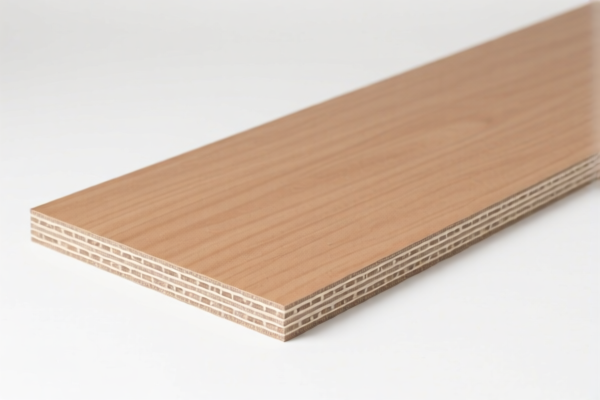
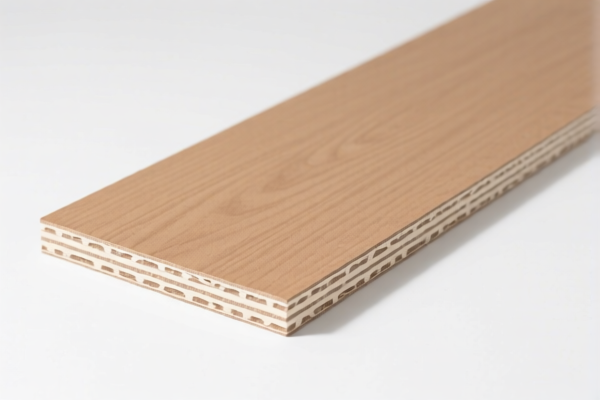
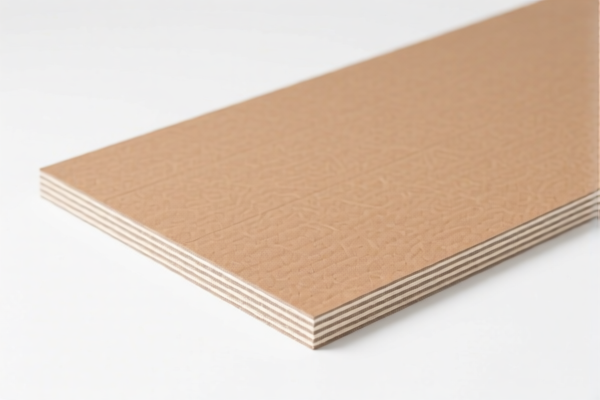
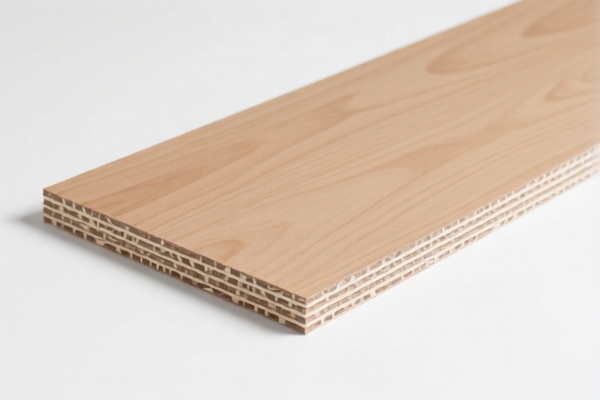
AI Analysis
📦 Plastic Packaging Board (Polyethylene Plastic Boards)
🌐 HS Code Reference & Customs Clearance Guide | 2026 Latest Tariff Analysis | Professional Clearance Strategy
📌 I. Product Definition & Classification: What is "Plastic Packaging Board"?
"Plastic Packaging Board" typically refers to rigid, flat sheets or plates made primarily from Polyethylene (PE) or its polymers, used for industrial packaging, lining, protection, or structural support in packaging applications.
In international trade, the classification hinges on two critical factors: 1. Material Composition: Is it pure Polyethylene (PE)? Is it mixed with other plastics? 2. Intended Use/Form: Is it a generic plastic plate/sheet (Ch. 39.01-39.14)? Or is it specifically shaped/packaged as a "packaging article" (Ch. 39.23)?
⚠️ Key Classification Distinction:
- If the board is a raw material form (sheet/plate) used for further processing or general industrial use → It falls under Chapter 39 Articles of Plastics and Articles Thereof (Specifically Headings 39.20 or 39.21).
- If the board is specifically manufactured as a packaging component (e.g., pre-formed protective inserts, specific packaging boards) → It may fall under Heading 39.23 (Packaging Articles).
- Misclassification Risk: Declaring a general PE sheet as "Packaging Board" under 3923 to avoid higher tariffs, or vice versa, can lead to customs delays, audits, or penalties.
📦 II. HS Code Classification Matrix (Based on Provided Data)
The following HS Codes are derived strictly from the provided context. All codes pertain to Polyethylene-based Plastic Boards with significant tariff implications due to US-China trade policies.
| HS Code | Product Description Summary | Material | Form | Total Tax Rate | Key Tariff Components |
|---|---|---|---|---|---|
3921.19.00.10 |
Polyethylene plastic packaging board, material: PE, Form: Plate. Matches description. | Polyethylene (PE) | Plate/Board | 41.5% | Base: 6.5% + Sec 301: 25% + Section 122: 10% |
3921.19.00.90 |
Polyethylene plastic packaging board, material: PE, Form: Plate. Covers this category. | Polyethylene (PE) | Plate/Board | 41.5% | Base: 6.5% + Sec 301: 25% + Section 122: 10% |
3920.99.50.00 |
Polyethylene plastic packaging board, material: PE, Form: Plate. Fits "Plastic Plates, Sheets" classification. | Polyethylene (PE) | Plate/Sheet | 40.8% | Base: 5.8% + Sec 301: 25% + Section 122: 10% |
3920.10.00.00 |
Polyethylene plastic packaging board, material: Ethylene Polymer, Form: Plate. Use: Packaging. No material conflict. | Ethylene Polymer | Plate | 39.2% | Base: 4.2% + Sec 301: 25% + Section 122: 10% |
3923.10.90.00 |
Polyethylene plastic packaging board, material: PE Plastic, Form: Packaging Board. Falls under Packaging Articles. | PE Plastic | Packaging Board | 38.0% | Base: 3.0% + Sec 301: 25% + Section 122: 10% |
3923.29.00.00 |
Polyethylene plastic packaging board, material: PE, Form: Packaging Board. Plastic packaging use. | Polyethylene (PE) | Packaging Board | 38.0% | Base: 3.0% + Sec 301: 25% + Section 122: 10% |
🔍 Critical Observation:
- Highest Tax (41.5%):3921.19.00.10&3921.19.00.90. These are classified as "Other plates, sheets, film, foil and strip" of plastics. The higher base tariff (6.5%) drives the total cost up.
- Lowest Tax (38.0%):3923.10.90.00&3923.29.00.00. These are classified as "Packaging Articles." The lower base tariff (3.0%) results in the lowest total tax burden, provided the product is definitively a "packaging article" and not just a raw sheet.
- Common Factor: All codes incur a 25% Section 301 Tariff and a 10% Section 122 Tariff (based on the provided data), totaling 35% in additional duties on top of the base rate.
💰 III. 2026 Tariff Rate Breakdown (Detailed Analysis)
✅ Context: United States (US) Imports
✅ Origin: China (CN) (Inferred from Sec 301/122 mentions)
✅ Tax Components:
1. Base Tariff (MFN): Varies by HS Code (3.0% - 6.5%)
2. Section 301 Tariff: +25.0% (Universal for these PE plastics from China)
3. Section 122 Tariff: +10.0% (Specific additional duty per data)
4. Total Effective Rate: Sum of above (38.0% - 41.5%)
🎯 1. High-Tax Category: 3921.19.00.10 / 3921.19.00.90
- Product: PE Plastic Plate/Sheet (General Industrial)
- Base Rate: 6.5%
- Sec 301: 25.0%
- Sec 122: 10.0%
- Total: 41.5%
- Legal Path:
USITC:3921.19.00.10→Footnote:301(25%)→Footnote:122(10%)
🎯 2. Medium-Tax Category: 3920.99.50.00
- Product: Other Plastic Plates/Sheets (Non-PE specific or mixed)
- Base Rate: 5.8%
- Sec 301: 25.0%
- Sec 122: 10.0%
- Total: 40.8%
🎯 3. Low-Tax Category: 3920.10.00.00
- Product: Plates/Sheets of Ethylene Polymers (Strict PE definition)
- Base Rate: 4.2%
- Sec 301: 25.0%
- Sec 122: 10.0%
- Total: 39.2%
- Note: Requires strict material proof that it is 100% Ethylene Polymer.
🎯 4. Lowest-Tax Category: 3923.10.90.00 / 3923.29.00.00
- Product: Packaging Articles (Plastic)
- Base Rate: 3.0%
- Sec 301: 25.0%
- Sec 122: 10.0%
- Total: 38.0%
- Strategy: This is the most cost-effective classification if the goods can be legally defined as "Packaging Articles" rather than raw "Plastic Plates."
🛠️ IV. Customs Clearance Practical Advice (Risk Mitigation)
✅ 1. Documentation Checklist (Mandatory)
To justify the classification (especially for the lower 38.0% rates), you must prove the product is a "Packaging Article."
| Document | Requirement | Reason |
|---|---|---|
| Product Specification Sheet | Detail dimensions, thickness, density, and intended use. | To prove it is designed for packaging (e.g., protective lining, box insert) vs. industrial manufacturing. |
| Material Certificate | Confirm Polyethylene (PE) or Ethylene Polymer content. | Required for 3920.10.00.00 (4.2% base) or to support PE claims for other codes. |
| Photos of Finished Goods | Show the board in its final packaging configuration. | Visual proof of "Packaging Article" status supports 3923 classification. |
| Commercial Invoice | Clearly state: "Polyethylene Plastic Packaging Board" AND specify HS Code. | Avoid vague terms like "Plastic Sheet" which may default to higher tax categories. |
| Packing List | Itemize net/gross weight carefully. | Crucial for calculating ad valorem duties accurately. |
✅ 2. Classification Strategy & Tips
🔥 Rule of Thumb: "Form Defines Function, Material Defines Code."
| Scenario | Recommended HS Code | Tax Rate | Why? |
|---|---|---|---|
| Raw PE Sheets/Plates for factory use | 3921.19.00.10 or 3920.10.00.00 |
41.5% / 39.2% | It is a generic plastic article, not yet a finished packaging item. |
| Pre-cut PE Boards for direct packaging use | 3923.10.90.00 or 3923.29.00.00 |
38.0% | If it is specifically made to be a packaging component (e.g., a pallet board, protective liner), it qualifies as a "Packaging Article." |
| Mixed Plastic Sheets | 3920.99.50.00 |
40.8% | If material is not 100% PE or is a blend. |
⚠️ Warning:
Do NOT declare a raw PE sheet as3923(Packaging Article) to save taxes if it is not specifically manufactured for packaging. Customs may audit and reassess to3921or3920, leading to back taxes + penalties.
Conversely, do NOT declare a finished packaging insert as3921if it clearly fits3923, as you may be overpaying.
✅ 3. Special Considerations
- Section 122 Tariff: The 10% additional duty is significant. Ensure your supply chain and origin are correctly documented to avoid disputes over this specific levy.
- Pre-Ruling Recommendation: Given the 3.5% difference between the highest (41.5%) and lowest (38.0%) rates, consider filing a Binding Ruling Request with US Customs if you are importing large volumes of "Packaging Boards." This provides legal certainty on whether your product qualifies for
3923.
🌍 V. Global Market Comparison (Contextual)
| Region | Typical HS Code (PE Board) | Est. Base Duty | Additional Duties (US/CN) | Notes |
|---|---|---|---|---|
| 🇺🇸 USA | 3923.29.00.00 (Packaging) |
3.0% | +35% (301 + 122) | Total: 38%. Best rate for packaging articles. |
| 🇺🇸 USA | 3921.19.00.10 (Plastic Plate) |
6.5% | +35% (301 + 122) | Total: 41.5%. Higher rate for generic plates. |
| 🇪🇺 EU | 3921.90 / 3923.90 |
Varies | GSP/GAFTA Benefits | Usually lower base duties, but strict rules of origin apply. |
| 🇨🇳 China | 3920.99 / 3923.29 |
Varies | None | Import duties may be lower depending on trade agreements. |
📌 Key Takeaway:
The US market imposes a heavy tax burden (38-41.5%) on Chinese-sourced PE plastic boards.
- Cost Saving Strategy: If your product can be legitimately classified as a "Packaging Article" (3923), you save 3.0% - 3.5% compared to classifying it as a generic "Plastic Plate/Sheet" (3921).
- Material Strategy: Ensuring the product is clearly Ethylene Polymer (PE) allows for potential use of3920.10.00.00(39.2%), but3923remains the lowest if packaging function is proven.
📌 VI. Common Mistakes & Pitfalls (Blood Lessons)
❌ Mistake 1: Calling it "Plastic Sheet" when it is a finished "Packaging Insert"
👉 Result: Customs reclassifies to 3921 (41.5%). Overpayment of 3.5%.
❌ Mistake 2: Calling it "Packaging Board" when it is just a raw PE slab for cutting
👉 Result: Customs reclassifies to 3921 or 3920 due to lack of "packaging article" proof. Rejection of lower rate.
❌ Mistake 3: Ignoring Section 122 Tariff
👉 Result: Underestimating landed cost. The 10% is mandatory and often overlooked by novices.
✅ Correct Approach:
Use precise terminology: "Polyethylene Plastic Packaging Board, Pre-formed for Protective Packaging, Model XYZ."
Submit Product Photos showing the board in a packaging context.
Apply for Advance Ruling if volume is high.
🎯 VII. Conclusion: Precision Saves Money
🎯 Final Advice:
🔹 "Is it a sheet or a package? The distinction costs you 3.5%."
🔹 "Polyethylene is key, but Packaging Function saves the tax."
🔹 "Section 122 is the silent killer; include it in all calculations."
📌 Pro Tip:
If you are exporting to the US, ensure your Invoice Description matches the HS Code logic.
- For 3923: "Packaging Board"
- For 3921: "Plastic Plate/Sheet"
📞 Contact a licensed customs broker to file a Type 01 Entry with proper documentation to ensure correct classification and avoid post-audit liabilities.
✨ Smart Clearance, Smart Savings!
💼 Don't let misclassification eat your margins!
Customer Reviews
About HS Code Classification
The Harmonized System (HS) is an internationally standardized nomenclature developed by the World Customs Organization (WCO) to classify traded products. Over 200 countries use the HS system as the basis for customs tariffs, trade statistics, and import/export regulations.
Each HS code follows a hierarchical structure:
- Chapter (2 digits) — Broad category of goods (e.g., Chapter 84: Machinery and Mechanical Appliances)
- Heading (4 digits) — More specific grouping within the chapter
- Subheading (6 digits) — Internationally standardized breakdown, used by all WCO member countries
- National subdivisions (8-10 digits) — Country-specific extensions for further classification, such as US HTSUS 10-digit codes
Correct HS code classification is essential for smooth customs clearance, accurate duty payment, and compliance with trade regulations. Misclassification can lead to customs delays, overpayment of duties, or penalties.
When importing from CN to US, the applicable tariff rates may include:
- Most-Favored-Nation (MFN) rate — The standard duty rate applied to WTO members
- General rate — Applied to countries without trade agreements
- Trade remedy duties — Additional tariffs such as Section 301 (anti-dumping), Section 232 (national security), or countervailing duties
The information provided on this page is for reference purposes only. For official classification, please consult with your local customs authority or a licensed customs broker.