Plastic Packaging Material
CN → US| HS Code | Tariff Rate | Origin | Destination | Doc |
|---|---|---|---|---|
| 3923109000 | 38.0% | CN | US | Official Doc |
| 3923900080 | 38.0% | CN | US | Official Doc |
| 4819100040 | 35.0% | CN | US | Official Doc |
| 3901105010 | 41.5% | CN | US | Official Doc |
| 3901101000 | 41.5% | CN | US | Official Doc |
Product Images

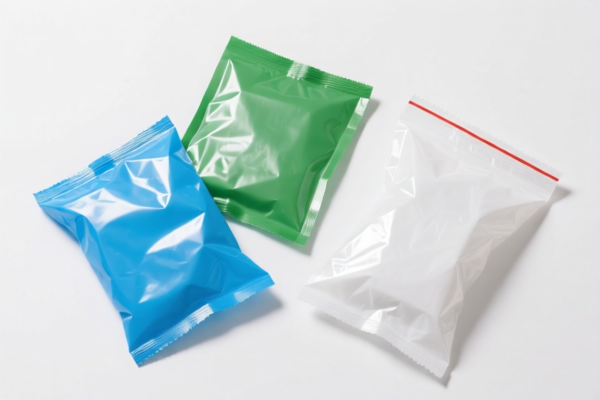
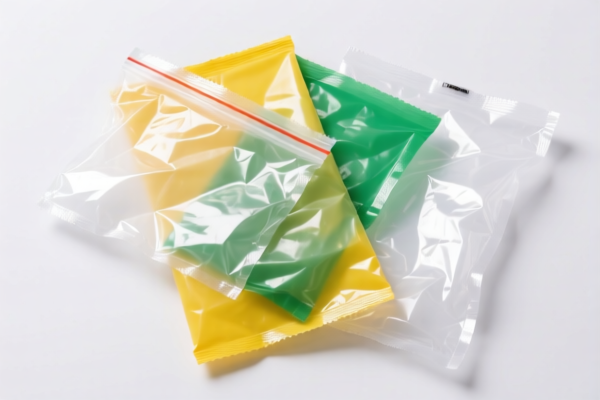
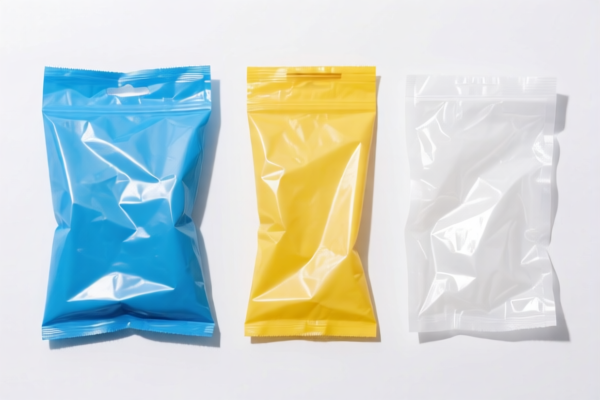
AI Analysis
📦 Plastic Packaging Material (塑料包装材料)
🌐 HS Code Reference & Customs Clearance Guide | 2026 Latest Tariff Analysis | Professional Clearance Strategy
📌 I. Product Definition & Classification: What Exactly Is "Plastic Packaging"?
Plastic packaging materials are essential components in global supply chains, used to protect, preserve, and transport goods. However, customs classification is highly sensitive to material form (finished container vs. raw material) and specific function.
In international trade, these materials are typically divided into three main categories based on their processing stage:
- Finished Packaging Articles (Containers/Boxes): Items like bags, sacks, boxes, and bottles ready for use.
- Semi-finished Plastic Goods: Plastic articles not specified elsewhere, often used for general packaging purposes.
- Raw Plastic Materials: Polymers in primary forms (pellets, powders, liquids) that will be processed into packaging later.
⚠️ Critical Distinction:
- If it is a finished container (e.g., a plastic bag or box) → Likely Chapter 39 (Articles of Plastic) or Chapter 48 (Paper) if composite.
- If it is raw plastic resin/pellets → Chapter 39 (Plastics and Articles Thereof, Headings 3901-3914).
- Do not confuse "plastic packaging material" (finished) with "plastic raw materials" (unprocessed). Misclassification here leads to massive duty differences and compliance risks.
📦 II. HS Code Classification Details (2026 Latest Tariff Authority Comparison)
Based on the provided data, the following HS Codes are relevant. Note that while the user input is "Plastic Packaging Material," the data includes both finished packaging and raw plastic materials.
| HS Code | Product Description | Applicable Scenario | Status |
|--------|--------------------------|----------|
| 3923.10.90.00 | Plastic Articles for the Physical Conveyance or Packing of Goods
Summary: Plastic packaging materials, used for packaging supplies, fits the "catch-all" rule for packaging. | Finished plastic bags, sacks, pouches, or flexible packaging units. | ✅ Finished Packaging |
| 3923.90.00.80 | Other Articles of Plastics for the Conveyance or Packing of Goods
Summary: Plastic articles for transport or packing, description matches consistently. | Other plastic packaging items not specified in 3923.10 (e.g., plastic crates, non-film packaging). | ✅ Finished Packaging |
| 4819.10.00.40 | Cartons, Boxes, Cases, of Paper or Paperboard
Summary: Packaging material, form matches packaging container definition, may be paper or cardboard material. | Note: If the packaging is composite (e.g., plastic-coated paper) or primarily paper-based, it may fall here. Warning: Do not misclassify pure plastic here. | ⚠️ Material Mismatch Risk |
| 3901.10.50.10 | Polyethylene in Primary Forms
Summary: Plastic raw material, in primary form, material is ethylene polymer. | Raw Material: Plastic pellets, granules, or powders (HDPE/LDPE) used to manufacture packaging. | 🛑 Raw Material |
| 3901.10.10.00 | Other Polyethylene in Primary Forms
Summary: Plastic raw material, material and form match, no classification conflict. | Raw Material: Other forms of polyethylene resin (e.g., specific grades for blow-molding). | 🛑 Raw Material |
🔍 Key Reminder:
- Finished Goods: If you are importing bags or boxes, use 3923.10.90.00 or 3923.90.00.80.
- Raw Materials: If you are importing pellets to make those bags, use 3901.10.50.10 or 3901.10.10.00.
- Composite/Paper: If the packaging is paper-based with a plastic liner, it might fall under 4819.10.00.40. Verify the chief value or essential character.
💰 III. 2026 Latest Tariff Rate Breakdown (Including Additional Taxes & Policy Add-ons)
✅ Applicable Country: United States (US)
✅ Origin: China (CN)
✅ Effective Date: From November 10, 2025 (including subsequent imports)
🎯 1. 3923.10.90.00 & 3923.90.00.80 —— Finished Plastic Packaging Articles
| Item | Content |
|---|---|
| Base Tariff | 3.0% (Ad Valorem) |
| Section 301 Additional Tariff | +25.0% (USITC Footnote 9903.88.01) |
| Section 122 Tariff | +10.0% (Specific provision for certain plastics/packaging) |
| Total Tariff Rate | 38.0% |
| Tax Calculation | CIF Value × 38% |
| De Minimis Exemption Eligible? | ❌ No (deny_de_minimis) |
| Legal Basis Path | USITC:3923.10.90.00 → FOOTNOTE:9903.88.01 (25%) + IEEPA:9903.01.24 (10%) |
📌 Explanation:
- 3% Base: Standard Most Favored Nation (MFN) rate for plastic articles.
- 25% Section 301: Standard punitive tariff on Chinese plastic goods.
- 10% Section 122: An additional tariff layer specifically targeting certain plastic materials and articles under specific trade provisions.
- Total 38%: This is a high tariff burden. Importers must ensure the HS code is correct, as misclassification to raw materials (see below) might change the rate but could trigger audits.
🎯 2. 4819.10.00.40 —— Paper/Cardboard Packaging (Potential Composite)
| Item | Content |
|---|---|
| Base Tariff | 0.0% |
| Section 301 Additional Tariff | +25.0% |
| Section 122 Tariff | +10.0% |
| Total Tariff Rate | 35.0% |
| Tax Calculation | CIF Value × 35% |
| De Minimis Exemption Eligible? | ❌ No |
| Legal Basis Path | USITC:4819.10.00.40 → FOOTNOTE:9903.88.01 (25%) + IEEPA:9903.01.24 (10%) |
📌 Note:
- Slightly lower total tariff (35%) than pure plastic (38%) due to 0% base rate for paper-based packaging.
- Risk: Only use this if the packaging is primarily paper/cardboard with plastic coating. Pure plastic packaging cannot use this code.
🎯 3. 3901.10.50.10 & 3901.10.10.00 —— Raw Plastic Materials (Polyethylene)
| Item | Content |
|---|---|
| Base Tariff | 6.5% |
| Section 301 Additional Tariff | +25.0% |
| Section 122 Tariff | +10.0% |
| Total Tariff Rate | 41.5% |
| Tax Calculation | CIF Value × 41.5% |
| De Minimis Exemption Eligible? | ❌ No |
| Legal Basis Path | USITC:3901.10.x0.x0 → FOOTNOTE:9903.88.01 (25%) + IEEPA:9903.01.24 (10%) |
📌 Note:
- Higher Base Rate: Raw plastics have a 6.5% base rate, leading to a 41.5% total tariff.
- Why Import Raw? Only if you are a manufacturer who will process these pellets into packaging. Do not use this for finished goods.
🛠️ IV. Customs Clearance Practical Advice (Real-World Pitfall Avoidance)
✅ 1. Required Documentation Checklist (No Exceptions)
| Document | Mandatory | Explanation |
|---|---|---|
| ✅ Product Specification Sheet | ✔️ | Must detail: Material (PE, PP, etc.), Form (Film, Bag, Pellet), Thickness, Capacity. |
| ✅ Photos (Clear) | ✔️ | Show the item in context. Are they bags? Boxes? Pellets? |
| ✅ Commercial Invoice | ✔️ | Must explicitly state "Plastic Packaging Material" or "Polyethylene Resin" – do not use vague terms like "Goods". |
| ✅ Packing List | ✔️ | Detail net/gross weight. Volume is critical for freight but weight is critical for duty. |
| ✅ Certificate of Origin (CO) | ✔️ | Essential for verifying Chinese origin for Section 301/122 assessment. |
| ✅ Manufacturing Process Flow | ✔️ (If Raw) | If claiming raw material status, prove it is unprocessed resin. |
✅ 2. Declaration Tips (Key Mantra)
🔥 “Form Matters: Pellets are Raw, Bags are Finished. Don’t Mix!”
| Scenario | Correct HS Code | Wrong Practice |
|---|---|---|
| Plastic Bags/Sacks | 3923.10.90.00 |
Declaring as "Raw Plastic" → Underpayment Penalty |
| Plastic Pellets/Resin | 3901.10.50.10 |
Declaring as "Finished Packaging" → Overpayment & Audit |
| Paper Boxes with Plastic Liner | 4819.10.00.40 |
Declaring as 3923... → Overpayment by 3% |
| Mixed Container (Bags + Pellets) | Split Declaration | Declaring all as one code → High Risk of Seizure |
✅ 3. Special Circumstances Handling
| Scenario | Handling Advice |
|---|---|
| Composite Packaging | If paper and plastic are laminated, classify based on essential character. If plastic lining >50% value, use Chapter 39. If paper >50%, use Chapter 48. |
| Reclaimed/Recycled Plastic | If using recycled pellets, ensure it still meets "primary form" definition for 3901. Some recycled grades may have different codes. |
| Sample Shipments | Even samples are subject to duty. No de minimis exemption for China-origin plastics. Declare accurately. |
| Private Label/OEM | Provide the manufacturer’s declaration confirming the material composition. Customs may request lab tests. |
🌍 V. Global Market Clearance Comparison (2026 Latest)
| Country/Region | Recommended HS Code | Tariff (China Origin) | Certification | Notes |
|---|---|---|---|---|
| 🇺🇸 USA | 3923.10.90.00 (Finished) |
38.0% | FDA (if food contact), Prop 65 | High tariffs. No de minimis. |
| 🇺🇸 USA | 3901.10.50.10 (Raw) |
41.5% | FDA (if food contact) | Highest rate for raw materials. |
| 🇨🇳 China | 3923.10.90.00 |
5.0% | N/A | Low base rate. |
| 🇪🇺 EU | 3923.10.00 |
6.5% | REACH, PFAS restrictions | Strict chemical regulations. |
| 🇬🇧 UK | 3923.10.00 |
6.5% | UKCA | Post-Brexit rules apply. |
📌 Conclusion:
- USA imposes the highest combined tariffs (38-41.5%) on Chinese plastic packaging.
- EU/UK have lower base tariffs but stricter environmental/chemical regulations (PFAS, microplastics).
- China has the lowest import duty but strict export controls on certain plastics.
📌 VI. Common Errors & Pitfall Avoidance (Blood Lessons)
❌ Error 1: Declaring Plastic Bags as Raw Plastic Pellets (3901)
👉 Consequence: Underpayment of duty by ~3.5%. Penalty + Interest + Possible Fraud Investigation.
❌ Error 2: Declaring Polyethylene Pellets as Finished Packaging (3923)
👉 Consequence: Overpayment by ~3.5%. Customs may still reject if the physical goods don’t match the description.
❌ Error 3: Using Generic Terms like "Plastic Stuff" on Invoice
👉 Consequence: Customs detention. Clear description: "HDPE Plastic Bags, 10x12 inches, 0.5 mil thickness, for retail packaging."
❌ Error 4: Ignoring Section 122
👉 Consequence: Missing the 10% add-on tax. This is a mandatory surcharge on many plastic imports from China.
✅ Correct Practice:
"HDPE Plastic Woven Bags, 50kg capacity, white, for agricultural use, Model ABC, Manufactured in China."
🎯 VII. Conclusion: Precise Classification Saves Money
🎯 Remember the Mantra:
🔹 "Finished is 38%, Raw is 41.5%. Paper is 35%. Don’t Guess!"
🔹 "Section 122 is Real. Don’t Forget the 10%."
📌 Pro Tip:
If your plastic packaging is food-contact compliant, ensure you have FDA Compliance Documentation. While this doesn’t change the HS code, it prevents FDA detention at US ports.
For high-volume imports, consider applying for a Binding Ruling from US Customs (CBP) to lock in the HS code and avoid future disputes.
📣 Immediate Action:
📞 Contact a Customs Broker + Provide Product Photos + Verify Material Form (Finished vs. Raw)
🚀 Ensure your Invoice matches the HS Code description exactly.
📦 Avoid Misclassification to prevent delays and penalties.
✨ Professional Clearance Starts with Accurate Classification!
💼 Every Percentage Point Matters in Tariffs!
Customer Reviews
About HS Code Classification
The Harmonized System (HS) is an internationally standardized nomenclature developed by the World Customs Organization (WCO) to classify traded products. Over 200 countries use the HS system as the basis for customs tariffs, trade statistics, and import/export regulations.
Each HS code follows a hierarchical structure:
- Chapter (2 digits) — Broad category of goods (e.g., Chapter 84: Machinery and Mechanical Appliances)
- Heading (4 digits) — More specific grouping within the chapter
- Subheading (6 digits) — Internationally standardized breakdown, used by all WCO member countries
- National subdivisions (8-10 digits) — Country-specific extensions for further classification, such as US HTSUS 10-digit codes
Correct HS code classification is essential for smooth customs clearance, accurate duty payment, and compliance with trade regulations. Misclassification can lead to customs delays, overpayment of duties, or penalties.
When importing from CN to US, the applicable tariff rates may include:
- Most-Favored-Nation (MFN) rate — The standard duty rate applied to WTO members
- General rate — Applied to countries without trade agreements
- Trade remedy duties — Additional tariffs such as Section 301 (anti-dumping), Section 232 (national security), or countervailing duties
The information provided on this page is for reference purposes only. For official classification, please consult with your local customs authority or a licensed customs broker.