Plastic Paper Covered Fashion Handbags
CN → US| HS Code | Tariff Rate | Origin | Destination | Doc |
|---|---|---|---|---|
| 4202999000 | 55.0% | CN | US | Official Doc |
| 4819400040 | 35.0% | CN | US | Official Doc |
| 4819400020 | 35.0% | CN | US | Official Doc |
| 3923210085 | 38.0% | CN | US | Official Doc |
| 3923210095 | 38.0% | CN | US | Official Doc |
Product Images
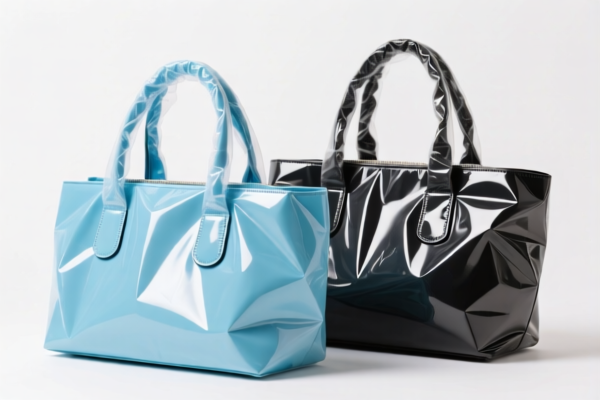
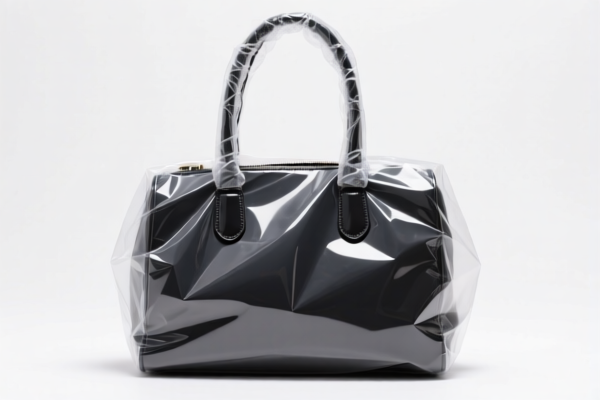
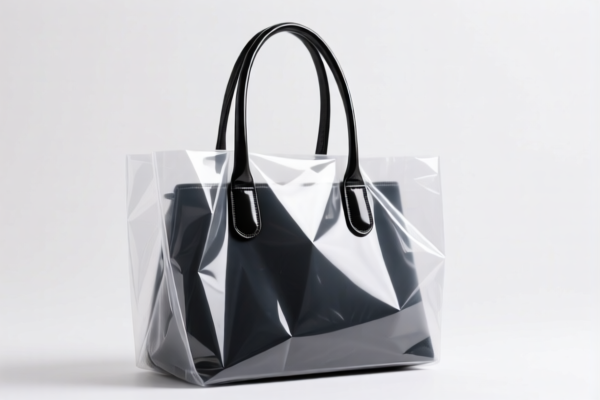
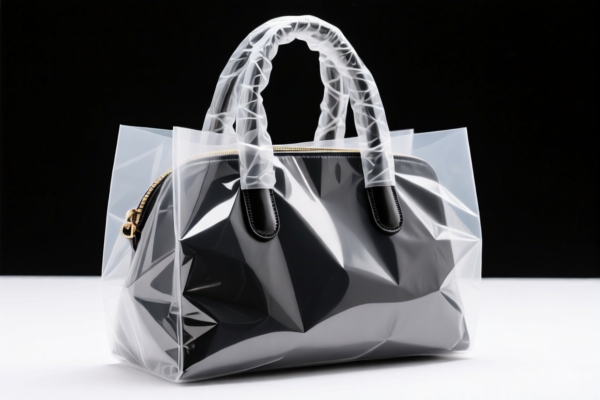
AI Analysis
👜 Plastic Paper Covered Fashion Handbags (Plastic-Coated Paper/Composite Bags)
🌐 HS Code Reference & Customs Clearance Guide | 2026 Latest Tariff Analysis | Professional Strategy
📌 I. Product Definition & Classification: What Exactly Are "Plastic Paper Covered Handbags"?
These are not traditional leather or pure fabric handbags. They are composite material bags where paper serves as the structural base and plastic (or polymer film) serves as the coating, laminating layer, or primary material to provide water resistance, durability, and aesthetic finish.
In international trade, the classification hinges on the principal material and the structural composition:
1. Pure Plastic/Polymer Bags (3923.21 / 4202.99)
- If the bag is made entirely of plastic films or sheets (even if printed with paper-like designs), it falls under Chapter 39 or Chapter 42 depending on specific construction.
2. Paper-Plastic Composite Bags (4819.40)
- If the bag is primarily paper with a plastic coating/lamination (common for eco-friendly shopping bags, retail packaging, or promotional gifts), it falls under Chapter 48 (Paper and Paperboard).
⚠️ Key Distinction Point:
- If the plastic layer is merely a coating and the paper gives the essential character → Chapter 48.
- If the plastic gives the essential character (e.g., a plastic bag with a thin paper label or minimal plastic lining) → Chapter 39 or Chapter 42.
- Fashion/Advertising Bags specifically designed for carrying goods (not just disposable) often lean towards Chapter 42 if durable, or Chapter 48 if disposable/semi-disposable.
📦 II. HS Code Classification Details (2026 Latest Tariff Authority Comparison)
Based on the provided data, here is the precise breakdown for "Plastic Paper Covered Fashion Handbags":
| HS Code | Product Description | Application Scenario | Material Composition |
|---|---|---|---|
4202.99.90.00 |
Plastic/Film Handbags – Used for advertising/carrying | Durable fashion tote bags, non-woven plastic bags with plastic coating, reusable shopping bags | ✅ Plastic-dominated (or classified as "other articles of plastics, paper, or other materials of heading 4801–4805 or of textile fabrics, other than heading 6209, when the plastic/paper is the principal material) |
4819.40.00.40 |
Paper-Plastic Composite Handbags – Fitting the category of bags & pouches | Retail packaging bags, high-end cosmetic gift bags, paper bags with plastic lamination | ✅ Paper-dominated (with plastic coating/lamination) |
4819.40.00.20 |
Paper/Composite Handbags – Used for advertising/carrying | Promotional tote bags, lightweight shopping bags made of paper-plastic composite | ✅ Paper-dominated (with plastic coating/lamination) |
3923.21.00.85 |
Plastic Handbags – Used for retail packaging | Thin plastic shopping bags, grocery bags, clear plastic gift bags | ✅ Pure Plastic (Films/Sheets) |
3923.21.00.95 |
Other Plastic Bags – Non-specific retail shopping bags | Miscellaneous plastic sacks, bulk plastic packaging | ✅ Pure Plastic (Other types) |
🔍 Critical Reminder:
-4819.40.xxxxxis for Paper-based bags with plastic coating. These are cheapest in terms of base tariff (0%) but still hit by high additional tariffs.
-4202.99.90.00is for Plastic-dominated fashion bags (e.g., durable non-woven plastic totes). This has the highest base tariff (20%).
-3923.21.00.xxis for Discrete Plastic Films used as bags. Moderate base tariff (3%).
💰 III. 2026 Latest Tariff Rate Breakdown (Including Surtaxes & Policy Add-ons)
✅ Applicable Country: United States (US)
✅ Origin: China (CN)
✅ Effective Date: 2025-11-10 onwards (for subsequent imports)
🎯 1. 4202.99.90.00 —— Plastic/Film Handbags (Advertising/Carrying)
This is the most expensive classification due to the high base tariff.
| Item | Details |
|---|---|
| Base Tariff | 20.0% (Ad Valorem) |
| Section 301 Surcharge | +25.0% (From USITC Footnote) |
| IEEPA Surcharge | +10.0% (China-specific, effective Nov 2025) |
| Total Tariff Rate | 55.0% |
| Calculation | CIF Value × 55% |
| De Minimis Exemption | ❌ Not Eligible (deny_de_minimis) |
| Legal Path | IEEPA:9903.01.25 → IEEPA:9903.01.24 → USITC:4202.99.90.00 → FOOTNOTE:301 |
📌 Explanation:
- The 20% base tariff reflects the duty on "other articles of plastics, paper, or other materials."
- The 25% Section 301 and 10% IEEPA are stacked on top.
- Total 55% is extremely high. This classification is common for reusable, durable fashion totes made of plastic-coated fabric or non-woven materials.
🎯 2. 4819.40.00.40 & 4819.40.00.20 —— Paper-Plastic Composite Handbags
These are for bags where paper is the main material, coated or laminated with plastic.
| Item | Details |
|---|---|
| Base Tariff | 0.0% (Ad Valorem) |
| Section 301 Surcharge | +25.0% |
| IEEPA Surcharge | +10.0% |
| Total Tariff Rate | 35.0% |
| Calculation | CIF Value × 35% |
| De Minimis Exemption | ❌ Not Eligible (deny_de_minimis) |
| Legal Path | IEEPA:9903.01.25 → IEEPA:9903.01.24 → USITC:4819.40.xxxx → FOOTNOTE:301 |
📌 Explanation:
- 0% base tariff makes this the most cost-effective option for importers, BUT the 35% total rate is still significant.
-4819.40.00.40is for bags/pouches fitting specific categories.
-4819.40.00.20is for paper/composite bags for advertising.
- Use this if the bag is primarily paper (e.g., kraft paper with plastic window/coating).
🎯 3. 3923.21.00.85 & 3923.21.00.95 —— Plastic Handbags (Retail Packaging)
For bags made purely of plastic films/sheets.
| Item | Details |
|---|---|
| Base Tariff | 3.0% (Ad Valorem) |
| Section 301 Surcharge | +25.0% |
| IEEPA Surcharge | +10.0% |
| Total Tariff Rate | 38.0% |
| Calculation | CIF Value × 38% |
| De Minimis Exemption | ❌ Not Eligible (deny_de_minimis) |
| Legal Path | IEEPA:9903.01.25 → IEEPA:9903.01.24 → USITC:3923.21.xxxx → FOOTNOTE:301 |
📌 Explanation:
- 3% base tariff is lower than4202but higher than4819.
- Total 38% is cheaper than4202(55%) but more expensive than4819(35%).
- Use this if the bag is a simple plastic retail bag (e.g., PP/PE shopping bags).
🛠️ IV. Customs Clearance Practical Advice (Battle-Tested Pitfall Avoidance)
✅ 1. Documentation Checklist (Non-Negotiable)
| Document | Mandatory? | Notes |
|---|---|---|
| ✅ Product Specification | ✔️ | Must clearly state material composition (e.g., "60% Paper, 40% Plastic Coating"). |
| ✅ Material Breakdown | ✔️ | Critical for determining HS Code. Is it Paper-dominant (4819) or Plastic-dominant (4202)? |
| ✅ Photos (Clear & Detailed) | ✔️ | Show the bag structure, handle, and coating. If it looks like paper with a shiny layer, argue for 4819. |
| ✅ Commercial Invoice | ✔️ | Describe accurately: "Paper Handbag with Plastic Lamination" vs. "Plastic Fashion Bag". |
| ✅ Packing List | ✔️ | Ensure weight/volume matches declaration. |
| ✅ FCC/RoHS (If applicable) | ✔️ | Not always required for paper/plastic bags, but good practice if electronics are embedded. |
✅ 2. Declaration Strategy (Key Mantra)
🔥 “Paper Dominant? Claim 4819! Plastic Dominant? Watch Out for 4202!”
| Scenario | Correct Declaration | Wrong Declaration | Consequence |
|---|---|---|---|
| Kraft Paper Bag with Plastic Window/Coating | 4819.40.00.20/40 (35% Total) |
4202.99.90.00 (55% Total) |
Overpay 20% tariff! |
| Durable Non-Woven Plastic Tote (Fashion Bag) | 4202.99.90.00 (55% Total) |
3923.21.00.85 (38% Total) |
Under-declaration Risk (Customs may reclassify and penalize) |
| Thin Plastic Grocery Bag | 3923.21.00.85/95 (38% Total) |
4819.40.00.20 (35% Total) |
Slight overpayment, but less risk than under-declaring durable goods. |
| Paper Bag with Plastic Handle | 4819.40.00.20 (35% Total) |
4202.99.90.00 (55% Total) |
Overpay 20% tariff! |
✅ 3. Special Circumstances
| Situation | Handling Advice |
|---|---|
| OEM Custom Printed Bags | Provide print files. If the paper quality is low and plastic coating is thick, customs may argue for 4202. |
| Biodegradable Bags | If marketed as "biodegradable," provide certification. However, tariff classification remains based on material, not end-of-life. |
| Bag with Electronics (e.g., LED Light) | If the bag contains a functional electronic component (like an LED tag), it may be classified as an electronic accessory (higher tariff), not a handbag. |
| Disposable vs. Durable | "Fashion Handbags" implies durability → leans toward 4202. "Shopping Bags" implies disposable → leans toward 4819 or 3923. |
🌍 V. Global Market Customs Comparison (2026 Latest)
| Country/Region | Recommended HS Code | Tariff (China Origin) | Notes |
|---|---|---|---|
| 🇺🇸 USA | 4819.40.00.20 |
35% (Total) | Lowest among options, but strict documentation on material % needed. |
| 🇺🇸 USA | 4202.99.90.00 |
55% (Total) | Highest burden. Only for high-end durable fashion bags. |
| 🇪🇺 EU | 4819.40.90 |
4% - 6.5% | No Section 301/IEEPA equivalent. Much cheaper. |
| 🇨🇳 China | 4819.40.90 |
0% - 5% | Low import duty for domestic production/re-export. |
| 🇬🇧 UK | 4819.40.90 |
4% - 6.5% | Post-Brexit tariffs similar to EU. |
📌 Conclusion:
- USA is the most expensive market for these goods due to the 25% Section 301 + 10% IEEPA stacking.
- Strategic Tip: If possible, structure the bag to be Paper-Dominant (4819.40.00.20/40) to save 20% compared to Plastic-Dominant (4202.99.90.00).
- Ensure the paper layer is visible and substantial to justify4819.
📌 VI. Common Errors & Pitfall Guide (Blood Lessons)
❌ Error 1: Calling a Plastic-Dominant Fashion Tote a "Paper Bag"
👉 Consequence: Customs will inspect, find the plastic is the principal material, reclassify to 4202.99.90.00, and charge 55% + penalties.
❌ Error 2: Using 3923.21 for Durable Fashion Bags
👉 Consequence: 3923.21 is for films/sheets. If the bag has a distinct shape, handles, and durability, it should be 4202 or 4819. Misdeclaration leads to delays.
❌ Error 3: Ignoring the IEEPA 10% Surcharge
👉 Consequence: Calculating tax as only Base + 301 (e.g., 20%+25%=45%) instead of 55%. 10% is pure profit loss.
✅ Correct Action:
Describe precisely:
"Handmade Paper Shopping Bag with Transparent Plastic Window and Cotton Handles, 100% Paper Structure with Plastic Coating" → Justifies4819.40.00.20(35%).
🎯 VII. Conclusion: Professional Declaration, Cost Optimization!
🎯 Remember the Mantra:
🔹 “Paper Structure? Go
4819(35%). Plastic Structure? Pay4202(55%). Plastic Film?3923(38%).”
🔹 “Material Dominance is King. Documentation is Queen.”
📌 Pro Tip:
If you are exporting to the US, audit your material bill of materials (BOM). If you can replace a plastic lining with a thicker paper layer without affecting durability, you can save 20% in duties. Always request an Advance Ruling from US Customs and Border Protection (CBP) for new product lines to mitigate risk.
📣 Immediate Action:
📞 Contact your freight forwarder with detailed material composition (Paper % vs Plastic %).
🚀 Optimize your HS Code to the lowest eligible rate within the provided data.
✨ Professional Clearance Starts with Accurate Classification!
💼 Your Margin Depends on the First Two Digits of HS Code!
Customer Reviews
About HS Code Classification
The Harmonized System (HS) is an internationally standardized nomenclature developed by the World Customs Organization (WCO) to classify traded products. Over 200 countries use the HS system as the basis for customs tariffs, trade statistics, and import/export regulations.
Each HS code follows a hierarchical structure:
- Chapter (2 digits) — Broad category of goods (e.g., Chapter 84: Machinery and Mechanical Appliances)
- Heading (4 digits) — More specific grouping within the chapter
- Subheading (6 digits) — Internationally standardized breakdown, used by all WCO member countries
- National subdivisions (8-10 digits) — Country-specific extensions for further classification, such as US HTSUS 10-digit codes
Correct HS code classification is essential for smooth customs clearance, accurate duty payment, and compliance with trade regulations. Misclassification can lead to customs delays, overpayment of duties, or penalties.
When importing from CN to US, the applicable tariff rates may include:
- Most-Favored-Nation (MFN) rate — The standard duty rate applied to WTO members
- General rate — Applied to countries without trade agreements
- Trade remedy duties — Additional tariffs such as Section 301 (anti-dumping), Section 232 (national security), or countervailing duties
The information provided on this page is for reference purposes only. For official classification, please consult with your local customs authority or a licensed customs broker.