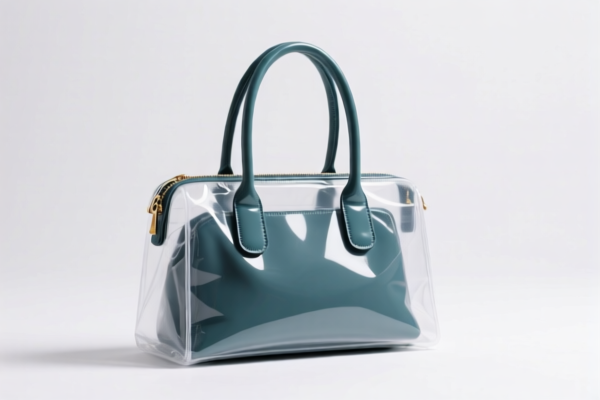
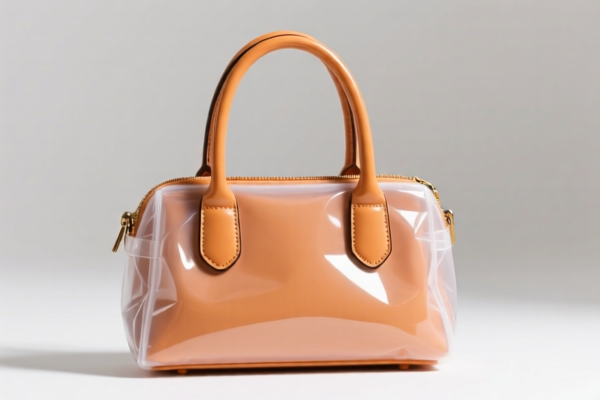
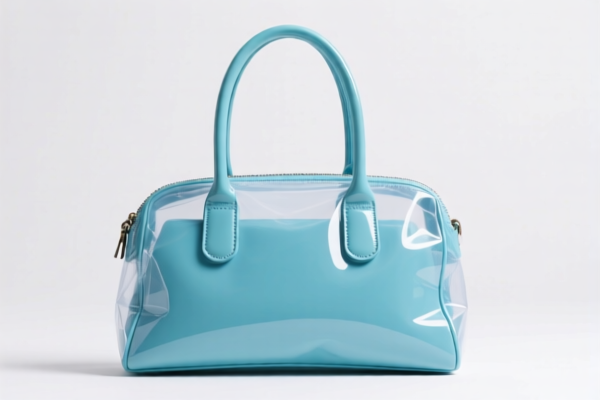
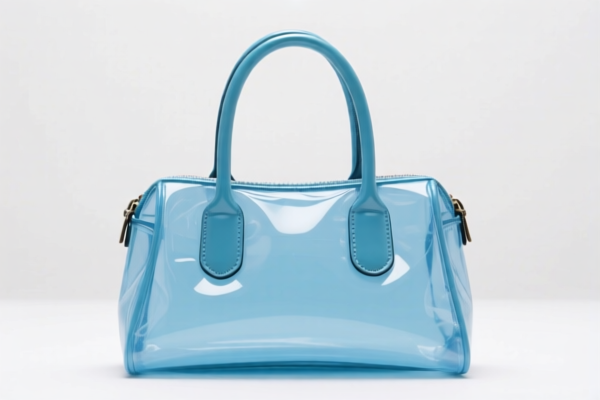
Plastic Paper Laminated Fashion Handbag
CN → USProduct Images
AI Analysis
👜 Plastic Paper Laminated Fashion Handbag
🌐 HS Code Reference & Customs Clearance Guide | 2026 Latest Tariff Analysis | Professional-Level Strategy
📌 I. Product Definition & Classification: Do You Really Understand "Plastic Paper Laminated Handbags"?
A "Plastic Paper Laminated Fashion Handbag" is a composite material article where paper serves as the base layer, coated or laminated with plastic (typically PVC, PE, or PP) to provide water resistance, durability, and a glossy aesthetic finish. In international trade, these are not classified as simple paper goods, nor are they always standard leather handbags. They fall under specific chapters depending on the primary characteristic and composition.
⚠️ Key Distinction Point:
- If the bag is made primarily of paper with plastic coating, it may fall under Chapter 48 or Chapter 46 (depending on interpretation), but usually, if the plastic coating defines the surface character, it moves to Chapter 39 or Chapter 42.
- However, for fashion handbags, the most common and accepted classification globally is Chapter 42 (Articles of Leather; ...), specifically if the plastic layer is considered a "coating" on a base material, OR Chapter 39 if it’s strictly plastic articles.
- Crucial Note: Many customs authorities classify laminated paper-plastic bags for carrying goods (handbags) under 4202 if the plastic layer is substantial, or 4819/4823 if it’s purely disposable. But for fashion/durable handbags, 4202.12 or 4202.32 are the most likely candidates, depending on whether the base is treated as "plastic sheeting" or "paper."
- Best Practice Classification: 4202.12.00 (Handbags with outer surface of plastic sheeting or of textile materials) or 4202.92.00 (Other). Note: Some jurisdictions may classify strictly plastic-laminated paper under 3923.29 or 4819.20 if deemed disposable, but for "Fashion Handbags," Chapter 42 is standard.
📦 II. HS Code Classification Details (2026 Latest Tariff Authority Cross-Reference)
| HS Code | Product Description | Application Scenario | Material Composition |
|---|---|---|---|
4202.12.00 |
Handbags with outer surface of plastic sheeting or of textile materials | Fashion handbags with plastic-laminated paper, PVC-coated canvas, synthetic leather | ✅ Plastic/Textile Outer |
4202.32.00 |
Articles of apparel and clothing accessories, n.e.s. (e.g., purses, clutch bags) | Small fashion pouches, clutches with laminated paper/plastic surface | ✅ Plastic/Textile Outer |
4202.92.00 |
Other articles of plastics | Non-standard handbag shapes, decorative items made of laminated materials | ✅ Plastic Outer |
3923.29.00 |
Sacks and bags (including cone bags), of plastics, other than those of heading 3921 | If classified as disposable packaging rather than fashion wear (rare for "fashion" handbags) | ❌ Plastic Only |
4819.20.00 |
Sacks and bags (including cone bags), of paper, multi-wall | If deemed non-durable, disposable paper bags with plastic lining (not for fashion) | ❌ Paper Base |
4602.12.00 |
Handbags, shopping bags etc., of plaiting materials | If the laminated paper is considered a "plaited" material (unlikely) | ✅ Plaited |
🔍 Key Reminder:
- Most fashion handbags made of plastic-laminated paper are classified under HS 4202.12.00 because the plastic sheeting defines the outer surface appearance and function.
- Do NOT classify as "Paper Bags" (4819) if the item is intended for repeated use as a fashion accessory.
- Do NOT classify as "Leather" (4202.11) unless the base is genuine leather; laminated paper is not leather.
💰 III. 2026 Latest Tariff Rate Details (Including Surcharges & Policy Add-ons)
✅ Applicable Country: United States (US)
✅ Country of Origin: China (CN)
✅ Effective Date: 2025 November 10 onwards (including subsequent imports)
🎯 1. 4202.12.00 —— Handbags with Outer Surface of Plastic Sheeting or Textile Materials
| Item | Content |
|---|---|
| Base Tariff Rate | 12% (ad valorem) |
| USITC Surcharge (301) | +7.5% (Footnote 9903.88.01 for certain handbags) |
| IEEPA Surcharge | +10% (On China/HK products, from Nov 10, 2025) |
| Total Tariff Rate | 29.5% |
| Tax Calculation | CIF Value × 29.5% |
| De Minimis Eligibility | ❌ No (deny_de_minimis for bags >$800, but even below, subject to duties) |
| Legal Basis Path | IEEPA:9903.01.25 → IEEPA:9903.01.24 → USITC:4202.12.00 → FOOTNOTE:9903.88.01 |
📌 Explanation:
- The 12% base rate is standard for plastic/textile handbags.
- The 7.5% USITC surcharge applies to many handbag subheadings under Section 301.
- The 10% IEEPA surcharge is a new/additional layer for Chinese-origin goods post-Nov 2025.
- Total 29.5% is a significant cost. Misclassification as "Paper Bags" (4819, 0% duty) is risky and may lead to penalties.
🎯 2. 4202.32.00 —— Other Articles of Apparel/Clothing Accessories (Plastic/Textile)
| Item | Content |
|---|---|
| Base Tariff Rate | 12% |
| USITC Surcharge | +7.5% |
| IEEPA Surcharge | +10% |
| Total Tariff Rate | 29.5% |
| Tax Calculation | CIF × 29.5% |
| De Minimis Eligibility | ❌ No |
| Legal Basis Path | Same as above |
📌 Note:
- Applies to smaller fashion accessories like clutches, coin purses with laminated paper/plastic surfaces.
- Same tariff burden as handbags.
🛠️ IV. Customs Clearance Practical Advice (Battle-Proven Pitfall Avoidance)
✅ 1. Documentation Checklist (All Required)
| Document | Required | Description |
|---|---|---|
| ✅ Product Specification Sheet | ✔️ | Must state: "Plastic-laminated paper," "PVC-coated," "Waterproof," "Non-leather" |
| ✅ Material Composition Breakdown | ✔️ | % Paper vs. % Plastic. If plastic >50% by weight or defines surface, lean to 4202. |
| ✅ High-Resolution Photos | ✔️ | Front, back, interior, and close-up of the laminated surface. Show no leather grain. |
| ✅ Third-Party Test Report | ✔️ | REACH, CPSIA, Prop 65 (for chemicals in plastic coating). |
| ✅ Commercial Invoice | ✔️ | Clearly describe as: "Fashion Handbag, Plastic-Laminated Paper, Not Leather, Model XYZ" |
| ✅ Packing List | ✔️ | Include all accessories (straps, zippers, dust bags). |
| ✅ Certificate of Origin (CO) | ✔️ | For China origin; check for any FTZ exemptions. |
✅ 2. Declaration Tips (Key Mantra)
🔥 "Surface defines the code, plastic or textile, paper base is hidden!"
| Scenario | Correct Declaration | Wrong Approach |
|---|---|---|
| Fashion handbag with plastic-laminated paper | 4202.12.00 |
Claim "Paper Bag" (4819) → Audit Risk + Penalties |
| Clutch with PVC coating | 4202.32.00 |
Claim "Plastic Articles" (3923) → Higher Duty Risk |
| Disposable lunch bag with plastic lining | 4819.20.00 |
Claim "Fashion Handbag" → Misclassification |
| Genuine leather bag with plastic coating | 4202.11.00 |
Claim "Plastic" → Wrong Chapter |
✅ 3. Special Situations
| Situation | Handling Advice |
|---|---|
| "Paper" Base but Plastic Surface | Declare as 4202.12.00. The plastic layer determines the outer surface character for fashion items. |
| Reinforced Paper with Plastic Lining | If the plastic is only a liner (inside), it may still be 4202.12.00 if the outside is textile/plastic. If outside is pure paper, it might be 4819, but rare for fashion. |
| OEM Custom Design | Provide design sketches showing the laminated texture. Avoid vague terms like "synthetic." |
| Sample Shipments | Even samples are subject to duties if valued over $800 (de minimis threshold). Below $800, still pay duty. |
🌍 V. Global Market Customs Comparison (2026 Latest)
| Country/Region | Recommended HS Code | Tariff (China Origin) | Certification Required | Notes |
|---|---|---|---|---|
| 🇺🇸 USA | 4202.12.00 |
29.5% | CPSIA, Prop 65 | High duty due to 301 + IEEPA |
| 🇨🇳 China | 4202.12.00 |
5% - 12% | CCC (if applicable) | Lower duty, no surcharges |
| 🇪🇺 EU | 4202.12.00 |
4% (if no GSP) | REACH, RoHS | No additional surcharges, but strict chemical rules |
| 🇬🇧 UK | 4202.12.00 |
4% | UKCA, REACH | Post-Brexit rules apply |
| 🇦🇺 Australia | 4202.12.00 |
5% | ACCC | No surcharges |
📌 Conclusion:
- The US is the most expensive market for this product due to layered tariffs (12% + 7.5% + 10%).
- EU/UK have lower base rates but strict environmental/chemical compliance (REACH).
- China offers the lowest duty, but export restrictions or VAT may apply.
📌 VI. Common Mistakes & Pitfalls (Blood & Tears Lessons)
❌ Mistake 1: Declaring as "Paper Bag" (4819.20) to get 0% duty
👉 Consequence: Customs audits the material. If plastic is present, reclassification + penalty + back taxes occurs.
Reality: Fashion handbags are not "disposable paper bags."
❌ Mistake 2: Calling it "Leather" (4202.11) because it looks like leather
👉 Consequence: Severe fraud penalties. Laminated paper is not leather.
Reality: Provide material test reports proving it’s paper/plastic.
❌ Mistake 3: Ignoring IEEPA surcharge for China-origin goods
👉 Consequence: Underpaying by 10% → Seizure or debt collection.
Reality: IEEPA 10% is mandatory for Chinese goods since Nov 2025.
✅ Correct Approach:
"Handbag, Plastic-Laminated Paper, Fashion Style, With Zipper Closure, Model ABC, REACH Compliant"
🎯 VII. Conclusion: Precise Classification Saves Money!
🎯 Remember the Mantra:
🔹 "Plastic Surface = 4202, Not 4819!"
🔹 "China Origin = 29.5% Duty, Plan Ahead!"
🔹 "Laminated Paper is NOT Leather, Avoid Fraud!"
📌 Pro Tip:
If your handbag is originally manufactured in Vietnam, Thailand, or Indonesia, you may qualify for lower or zero IEEPA surcharges. Consider supply chain diversification to reduce the 10% IEEPA tax.
Apply for an Advance Ruling with US Customs to lock in the HS Code classification and avoid post-clearance audits.
📣 Immediate Action:
📞 Contact a licensed customs broker + Provide material breakdown + Apply for Advance Ruling
🚀 Ensure your plastic-laminated handbags clear customs smoothly, avoid penalties, and maximize profit margins!
✨ Professional Customs Clearance Starts with Accurate Classification!
💼 Every cent of duty is worth calculating precisely!
Customer Reviews
About HS Code Classification
The Harmonized System (HS) is an internationally standardized nomenclature developed by the World Customs Organization (WCO) to classify traded products. Over 200 countries use the HS system as the basis for customs tariffs, trade statistics, and import/export regulations.
Each HS code follows a hierarchical structure:
- Chapter (2 digits) — Broad category of goods (e.g., Chapter 84: Machinery and Mechanical Appliances)
- Heading (4 digits) — More specific grouping within the chapter
- Subheading (6 digits) — Internationally standardized breakdown, used by all WCO member countries
- National subdivisions (8-10 digits) — Country-specific extensions for further classification, such as US HTSUS 10-digit codes
Correct HS code classification is essential for smooth customs clearance, accurate duty payment, and compliance with trade regulations. Misclassification can lead to customs delays, overpayment of duties, or penalties.
When importing from CN to US, the applicable tariff rates may include:
- Most-Favored-Nation (MFN) rate — The standard duty rate applied to WTO members
- General rate — Applied to countries without trade agreements
- Trade remedy duties — Additional tariffs such as Section 301 (anti-dumping), Section 232 (national security), or countervailing duties
The information provided on this page is for reference purposes only. For official classification, please consult with your local customs authority or a licensed customs broker.