Plastic Paper Laminated Large Capacity Handbag
CN → US| HS Code | Tariff Rate | Origin | Destination | Doc |
|---|---|---|---|---|
| 3923210095 | 38.0% | CN | US | Official Doc |
| 3923210085 | 38.0% | CN | US | Official Doc |
| 3923210011 | 38.0% | CN | US | Official Doc |
| 3923210030 | 38.0% | CN | US | Official Doc |
| 4202929700 | 52.6% | CN | US | Official Doc |
Product Images
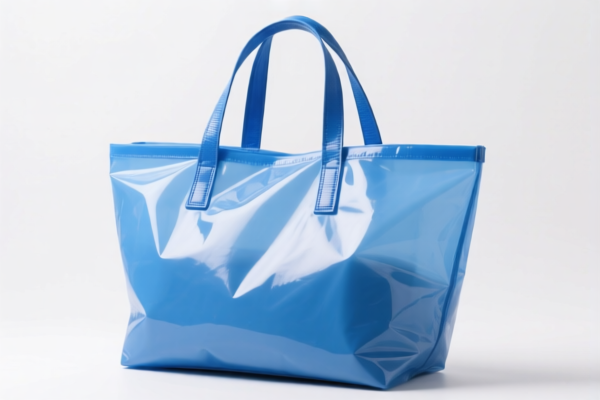
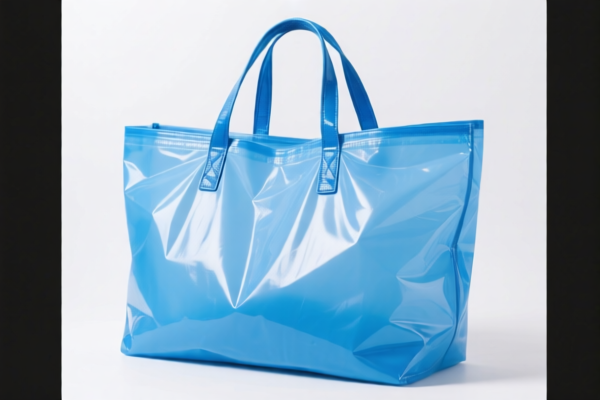
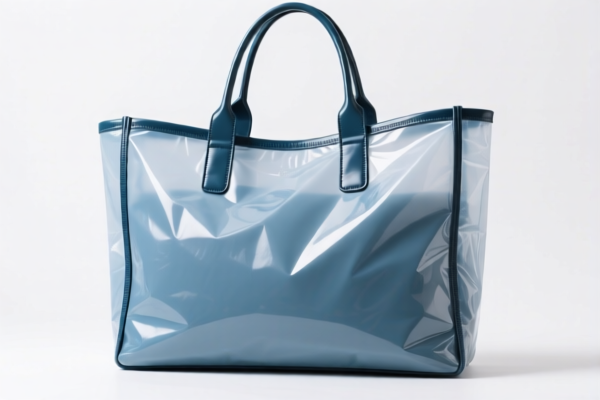
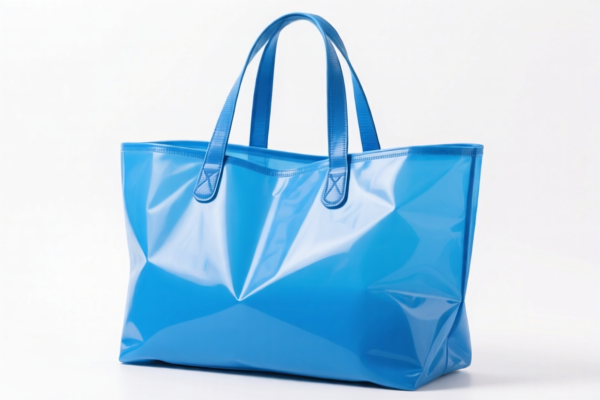
AI Analysis
👜 Plastic Paper Laminated Large Capacity Handbag (Promotional & Retail Packaging)
🌐 HS Code Reference & Customs Clearance Guide | 2026 Latest Tariff Analysis | Professional Strategy
📌 1. Product Definition & Classification: What Exactly Are You Shipping?
The "Plastic Paper Laminated Large Capacity Handbag" is a composite packaging item, typically used for promotional giveaways, retail shopping, or multi-functional storage. In international trade, its classification depends heavily on the material composition and specific shape/design.
Because it combines paper and plastic layers, it often falls under Chapter 39 (Plastics) or Chapter 42 (Articles of Leather/Plastic Sheets). The key differentiator is whether the bag is considered a "plastic bag" (Chapter 39) or a "container of plastic sheeting" (Chapter 42).
⚠️ Key Distinction Point:
- If the bag is primarily identified as a plastic bag (even with paper lamination) and fits standard plastic bag definitions → Chapter 39
- If it is specifically designed as a container from plastic sheeting (often stiffer, structured, or treated as a plastic article rather than a flexible bag) → Chapter 42
📦 2. HS Code Classification Details (2026 Latest Tariff Authority Comparison)
Based on the provided data, here are the specific classifications for "Plastic Paper Laminated" bags:
| HS Code | Product Description | Scenario/Application | Material/Shape Details |
|---|---|---|---|
3923.21.00.95 |
Plastic paper-laminated promotional handbag, material: plastic, form: bag type | General promotional bags, retail shopping bags | Flexible plastic bag with paper lamination |
3923.21.00.85 |
Plastic paper-laminated promotional handbag, material: polyethylene, with handles, for retail packaging | Retail packaging, PE-based shopping bags | Polyethylene (PE) specific, includes handles |
3923.21.00.11 |
Plastic paper-laminated multi-functional bag, material: ethylene polymer, form: bag-like object | Multi-purpose storage, promotional giveaways | Ethylene polymer, generic bag shape |
3923.21.00.30 |
Plastic paper-laminated multi-functional bag, material: ethylene polymer, form: pouch, for multi-functional packaging | Pouch-style packaging, versatile use | Ethylene polymer, pouch/case format |
4202.92.97.00 |
Plastic paper-laminated multi-functional bag, material: plastic sheet, form: bag-type container | Structured plastic sheet containers, higher-value packaging | Treated as "articles of plastic sheeting" rather than simple bags |
🔍 Critical Reminder:
- Chapter 39 (Codes ending in .95, .85, .11, .30): Applies to bags primarily classified as plastic bags or flexible packaging. These are generally more common for standard shopping/promotional bags. - Chapter 42 (Code 4202.92.97.00): Applies when the bag is specifically constructed from plastic sheeting and classified as a "container" rather than a simple bag. This may apply to stiffer, more structured, or premium promotional bags. - Do NOT mix classifications: A flexible shopping bag should NOT be declared as a structured plastic sheet container unless it meets specific structural criteria.
💰 3. 2026 Latest Tariff Rate Breakdown (Including Surcharges & Policy Add-ons)
✅ Applicable Country: United States (US)
✅ Country of Origin: China (CN)
✅ Effective Date: 2025-11-10 onwards (for subsequent imports)
🎯 1. 3923.21.00.95 / .85 / .11 / .30 —— Plastic Bags & Multi-Functional Bags (Chapter 39)
| Item | Details |
|---|---|
| Base Tariff | 3.0% (ad valorem) |
| Section 301 Surcharge | +25.0% (USITC Footnote related to Chinese origin) |
| IEEPA Surcharge | +10.0% (Targeting China/HK products, effective 2025-11-10) |
| Total Tax Rate | 38.0% |
| Tax Calculation | CIF Value × 38% |
| De Minimis Eligibility | ❌ Not Eligible (deny_de_minimis) |
| Legal Basis Path | Base: 3.0% → Section 301: 25.0% → IEEPA: 10.0% |
📌 Explanation:
- Base Tariff (3%): Standard MFN rate for plastic bags (Heading 3923). - Section 301 (25%): Additional tariff imposed on Chinese-made plastic articles under Trade Act Section 301. - IEEPA (10%): Additional tariff under International Emergency Economic Powers Act targeting Chinese goods. - Total (38%): This is a high tariff. Importers must factor this into their landed cost.
🎯 2. 4202.92.97.00 —— Plastic Sheet Container (Chapter 42)
| Item | Details |
|---|---|
| Base Tariff | 17.6% (ad valorem) |
| Section 301 Surcharge | +25.0% |
| IEEPA Surcharge | +10.0% |
| Total Tax Rate | 52.6% |
| Tax Calculation | CIF Value × 52.6% |
| De Minimis Eligibility | ❌ Not Eligible |
| Legal Basis Path | Base: 17.6% → Section 301: 25.0% → IEEPA: 10.0% |
📌 Explanation:
- Base Tariff (17.6%): Higher base rate for "articles of plastics, other" under Chapter 42. - Surcharges (35%): Same 301 and IEEPA surcharges apply. - Total (52.6%): This is an extremely high tariff. Misclassifying a simple plastic bag as a Chapter 42 article could drastically increase costs.
🛠️ 4. Customs Clearance Practical Advice (Battle-Tested Pitfall Guide)
✅ 1. Required Documentation Checklist (All Are Mandatory)
| Document | Required? | Notes |
|---|---|---|
| ✅ Product Spec Sheet | ✔️ | Must specify material (PE, PP, etc.), dimensions, lamination details |
| ✅ Material Composition Proof | ✔️ | Confirm % of plastic vs. paper to determine Chapter 39 vs. 42 |
| ✅ Product Photos (With Handles) | ✔️ | Show handles, seams, and lamination quality |
| ✅ Commercial Invoice | ✔️ | Clearly state "Plastic Paper Laminated Handbag" |
| ✅ Packing List | ✔️ | Detail quantity per carton, gross/net weight |
| ✅ Origin Certificate (if applicable) | ✔️ | For non-China origins, but here origin is China |
✅ 2. Declaration Tips (Key Rules of Thumb)
🔥 "Flexible Bag = Chapter 39; Structured Container = Chapter 42; Never Split!"
| Scenario | Correct Declaration | Incorrect Action |
|---|---|---|
| Standard plastic shopping bag with paper print | 3923.21.00.95 / .85 |
Declare as 4202.92.97.00 → Higher Tax! |
| Bag with distinct handles, polyethylene material | 3923.21.00.85 |
Generic description → Risk of Rejection |
| Multi-functional pouch, ethylene polymer | 3923.21.00.11 / .30 |
Misclassify as textile → Compliance Violation |
| Structured plastic sheet container | 4202.92.97.00 |
Declare as simple bag → Undervaluation Risk |
⚠️ Critical Note:
- If the bag is flexible and used for general shopping/promotion, Chapter 39 is the safer and more common classification. - Chapter 42 is only for specific "containers" made of plastic sheeting, which are less common for standard promotional handbags.
✅ 3. Special Cases & Exceptions
| Scenario | Handling Advice |
|---|---|
| OEM Custom Bags | Provide design files to prove material and structure. Avoid vague descriptions like "promotional bag." |
| Recycled Plastic Content | If >50% recycled, still subject to same tariffs, but may qualify for green incentives in other markets (not US). |
| Sample Shipments | No De Minimis Exemption. Even small quantities are subject to 38% or 52.6% tariffs. |
| Mixed Materials | If the bag is >50% plastic by weight/volume, it stays in Chapter 39. If it's primarily paper with plastic coating, consult a customs broker, but usually still Chapter 39 if plastic is integral. |
🌍 5. Global Market Comparison (2026 Latest)
| Country/Region | Recommended HS Code | Tariff Rate | Certification Required | Notes |
|---|---|---|---|---|
| 🇺🇸 USA | 3923.21.00.95 / 4202.92.97.00 |
38% / 52.6% | None (General) | Highest Cost Market. Factor in 38-52% duty. |
| 🇨🇳 China | 3923.21.00.95 |
~5-10% | None | Lower base tariffs, no 301/IEEPA. |
| 🇪🇺 EU | 3923.21.00.95 |
~2-4% | REACH, RoHS | No Section 301. Lower overall cost. |
| 🇬🇧 UK | 3923.21.00.95 |
~3.5% | UKCA (if applicable) | Post-Brexit rates similar to EU. |
| 🇨🇦 Canada | 3923.21.00.95 |
~5% | None | NAFTA/USMCA benefits may apply if non-Chinese origin. |
📌 Conclusion:
- USA is the most expensive market for these goods due to 301 + IEEPA surcharges. - EU and Canada offer significantly lower tariff barriers. - Cost Optimization: Consider sourcing from non-Chinese origins (e.g., Vietnam, Thailand) if shipping to the US to potentially avoid surcharges, subject to rules of origin.
📌 6. Common Errors & Pitfall Guide (Lessons Learned the Hard Way)
❌ Error 1: Declaring a plastic bag as "Textile Bag" to avoid tariffs
👉 Consequence: Customs inspection will reveal plastic material → Confiscation + Heavy Penalties.
❌ Error 2: Using "Promotional Item" as the sole description
👉 Consequence: Ambiguous description → Customs Delay + Request for Additional Documentation.
❌ Error 3: Misclassifying flexible plastic bags as Chapter 42 containers
👉 Consequence: Overpaying tax (52.6% vs 38%) → Unnecessary Cost Increase.
❌ Error 4: Ignoring IEEPA surcharge for small shipments
👉 Consequence: Assuming de minimis applies → Seizure of Small Samples (since de minimis is denied for Chinese plastic bags).
✅ Correct Approach:
"Plastic Paper Laminated Shopping Bag, Polyethylene Material, With Handles, For Retail Use, Model XYZ, Made in China"
🎯 7. Conclusion: Precise Classification Saves Money!
🎯 Remember This Mantra:
🔹 "Flexible Bag = Ch 39 (38%); Structured Container = Ch 42 (52.6%); No De Minimis; Plan Ahead!"
🔹 "HS Code Determines Cost, Misclassification Kills Margin!"
📌 Pro Tip:
If your bags are plastic paper laminated and you are shipping to the US, ensure your commercial invoice clearly states the material composition (e.g., Polyethylene). This supports the 3923.21.00.85 classification if applicable, which is often the most accurate for PE-handled bags.
📣 Immediate Action:
📞 Contact a Licensed Customs Broker
📄 Provide Product Photos + Material Spec
📋 Apply for Advance Ruling (if high volume)
🚀 Ensure Compliance to Avoid Delays and Penalties!
✨ Professional Clearance Starts with Accurate Classification!
💼 Every Dollar Saved on Tariffs is Pure Profit!
Customer Reviews
About HS Code Classification
The Harmonized System (HS) is an internationally standardized nomenclature developed by the World Customs Organization (WCO) to classify traded products. Over 200 countries use the HS system as the basis for customs tariffs, trade statistics, and import/export regulations.
Each HS code follows a hierarchical structure:
- Chapter (2 digits) — Broad category of goods (e.g., Chapter 84: Machinery and Mechanical Appliances)
- Heading (4 digits) — More specific grouping within the chapter
- Subheading (6 digits) — Internationally standardized breakdown, used by all WCO member countries
- National subdivisions (8-10 digits) — Country-specific extensions for further classification, such as US HTSUS 10-digit codes
Correct HS code classification is essential for smooth customs clearance, accurate duty payment, and compliance with trade regulations. Misclassification can lead to customs delays, overpayment of duties, or penalties.
When importing from CN to US, the applicable tariff rates may include:
- Most-Favored-Nation (MFN) rate — The standard duty rate applied to WTO members
- General rate — Applied to countries without trade agreements
- Trade remedy duties — Additional tariffs such as Section 301 (anti-dumping), Section 232 (national security), or countervailing duties
The information provided on this page is for reference purposes only. For official classification, please consult with your local customs authority or a licensed customs broker.