Plastic Paper Laminated Portable Bag
CN → US| HS Code | Tariff Rate | Origin | Destination | Doc |
|---|---|---|---|---|
| 3923210095 | 38.0% | CN | US | Official Doc |
| 3923210085 | 38.0% | CN | US | Official Doc |
| 3923210011 | 38.0% | CN | US | Official Doc |
| 3923210030 | 38.0% | CN | US | Official Doc |
| 4202929700 | 52.6% | CN | US | Official Doc |
Product Images
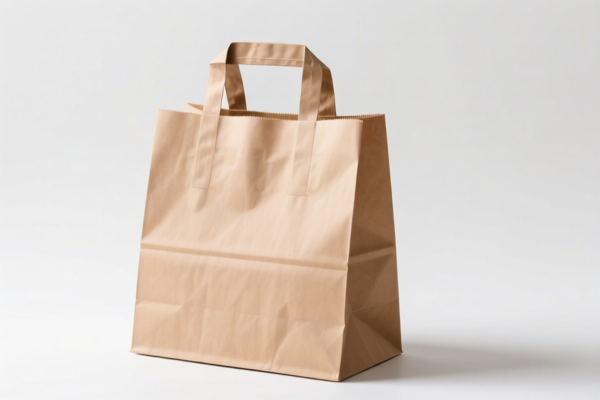
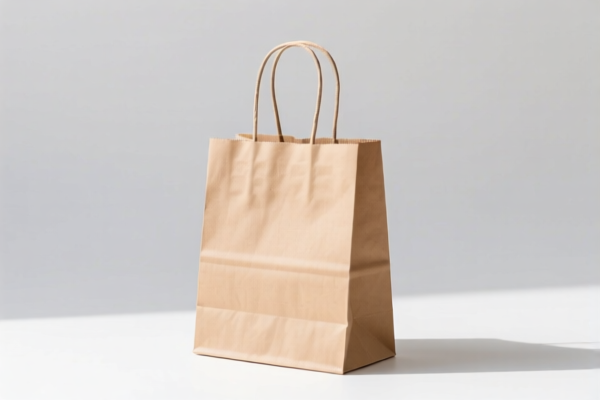
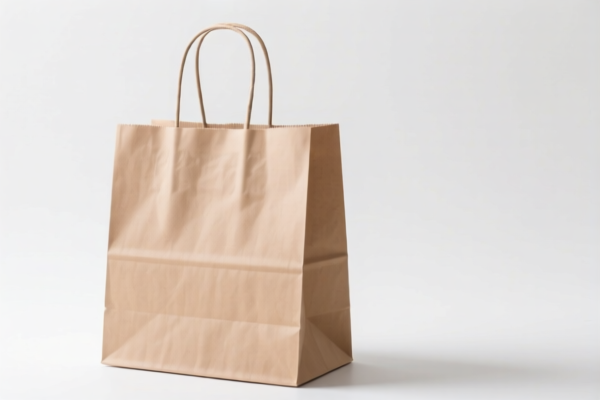
AI Analysis
🛍️ Plastic Paper Laminated Portable Bag (Promotional/Retail Handbags)
🌐 HS Code Reference & Clearance Guide | 2026 Latest Tariff Analysis | Professional Customs Strategy
📌 I. Product Definition & Classification: Is It Just a "Bag"?
The "Plastic Paper Laminated Portable Bag" is a hybrid packaging item combining the aesthetic appeal of paper with the durability of plastic. In international trade, its classification hinges on the primary material and structural form.
- Plastic-Primary Bags: If the bag is made of sheets/film of plastics (e.g., Polyethylene, Polypropylene) and is laminated with paper for printing/presentation, it generally falls under Chapter 39 (Plastics).
- Article-Other Bags: If the structure is more complex, involving specific handles, closures, or being classified as "other" articles of plastic, it may fall under Chapter 42 (Articles of Leather/Plastics).
⚠️ Key Distinction Point:
- If it is a simple polymer film/sheet bag (even with paper lamination) → Classify under 3923.21 (Sacks and Bags).
- If it is considered an article/container made of plastic sheeting with specific fittings → Classify under 4202.92 (Other articles of plastics).
📦 II. HS Code Classification Details (2026 Latest Tariff Matrix)
| HS Code | Product Description | Application Scenario | Material Structure |
|---|---|---|---|
3923.21.00.95 |
Plastic paper laminated promotional tote bags; Plastic material; Form: Bag type; Matches ethylene polymer bag classification. | Promotional events, general retail carry-outs | ✅ Plastic/Ethylene Polymer |
3923.21.00.85 |
Plastic paper laminated promotional tote bags; Material: Plastic/Polyethylene; Form: Handbag; Use: Retail packaging. | Supermarket bags, branded retail shopping bags | ✅ Polyethylene |
3923.21.00.11 |
Plastic paper laminated multi-functional bags; Material: Ethylene polymer; Form: Bag-like object; Use matches form. | Versatile storage, general-purpose polymer bags | ✅ Ethylene Polymer |
3923.21.00.30 |
Plastic paper laminated multi-functional bags; Material: Ethylene polymer; Form: Bag; Use: Multi-functional packaging. | Industrial packaging, bulk light goods | ✅ Ethylene Polymer |
4202.92.97.00 |
Plastic paper laminated multi-functional bags; Material: Plastic sheet; Form: Multi-functional bag; Fits bag container use. | Premium fashion-style plastic totes, complex structures | ✅ Plastic Sheet (Article) |
🔍 Critical Reminder:
- The vast majority of "Plastic Paper Laminated Bags" are classified under 3923.21 because they are essentially plastic sacks/bags with decorative lamination.
-4202.92.97.00is reserved for bags that are structurally more akin to "articles" (e.g., rigid handles, complex closures) rather than simple sacks. Misclassifying a simple bag as a "4202 article" can lead to higher duties and customs scrutiny.
💰 III. 2026 Latest Tariff Rate Breakdown (Including Surcharges & Policy Add-ons)
✅ Applicable Country: United States (US)
✅ Origin: China (CN)
✅ Effective Time: 2025 onwards (Current Enforcement)
🎯 1. HS Code 3923.21.xxxx (Most Common: Promotional/Retail Bags)
| Item | Content |
|---|---|
| Base Tariff (MFN) | 3.0% (Ad Valorem) |
| Section 301 Surcharge | +25.0% (Trump-era tariffs retained under Biden admin for many plastic goods) |
| Section 122 Tariff | +10.0% (Specific surcharge for certain plastic/packaging items from China) |
| Total Effective Rate | 38.0% |
| Tax Calculation | CIF Value × 38% |
| De Minimis Exemption | ❌ NOT Eligible (High tariffs exclude small parcel relief) |
| Legal Basis Path | Section 301: 9903.88.01 → Section 122 → USITC: 3923.21.xxxx |
📌 Explanation:
- "Base 3%": Standard Most Favored Nation (MFN) duty for plastic sacks and bags.
- "Section 301 25%": Applies to "Plastics and Articles Thereof" from China. This is a massive cost driver.
- "Section 122 10%": Additional tariff targeting specific packaging materials to protect domestic plastic manufacturing.
- Total 38%: This is a high-duty item. Profit margins for low-cost plastic bags can be easily wiped out by this 38% charge.
🎯 2. HS Code 4202.92.97.00 (Premium/Article-Type Bags)
| Item | Content |
|---|---|
| Base Tariff (MFN) | 17.6% (Higher base for "Other articles of plastics") |
| Section 301 Surcharge | +25.0% |
| Section 122 Tariff | +10.0% |
| Total Effective Rate | 52.6% |
| Tax Calculation | CIF Value × 52.6% |
| De Minimis Exemption | ❌ NOT Eligible |
| Legal Basis Path | Section 301: 9903.88.01 → Section 122 → USITC: 4202.92.97.00 |
📌 Warning:
- If your bag is deemed a "4202 article," the total tax jumps to 52.6%.
- Never voluntarily classify a simple laminated bag as4202unless it has complex hardware, rigid structures, or specific fashion-grade fittings that clearly distinguish it from a standard "sack or bag" in 3923.
🛠️ IV. Customs Clearance Practical Advice (Real-World Pitfall Guide)
✅ 1. Documentation Checklist (Non-Negotiable)
| Document | Required | Notes |
|---|---|---|
| ✅ Commercial Invoice | ✔️ | Must clearly state "Plastic Paper Laminated Bag" and HS Code. |
| ✅ Product Photo | ✔️ | Show lamination, handles, and material texture. |
| ✅ Material Composition Statement | ✔️ | Confirm % of Plastic vs. Paper. If Plastic > 50% by weight/volume, 3923 is likely correct. |
| ✅ Certificate of Origin | ✔️ | Proves Chinese origin (triggering the 35% surcharges). |
| ✅ Packaging List | ✔️ | Ensure weight and dimensions match the invoice. |
✅ 2. Declaration Strategy (Key Mantras)
🔥 "Clarify Material, Specify Form, Avoid 'Article' Trap!"
| Scenario | Correct Declaration | Wrong Approach |
|---|---|---|
| Standard Retail Bag (Laminated) | 3923.21.00.85 or .95 |
Use generic term "Bag" only → Risk of reclassification |
| Premium Fashion Tote (Complex Handle) | 4202.92.97.00 |
Call it "Shopping Bag" → May be rejected if too complex |
| Bulk Industrial Sacks | 3923.21.00.11 |
Use "Packaging Material" → Vague, leads to audits |
📌 Tip:
- Emphasize "Sacks and Bags" in the description to anchor classification in Chapter 39.
- Avoid words like "Case," "Container," or "Article" unless legally justified.
✅ 3. Cost Optimization & Risk Mitigation
| Situation | Recommendation |
|---|---|
| High Volume, Low Value | Consider Section 301 Exclusion (if applicable). Check current USITC exclusion lists for plastic packaging. Some specific plastic bag types may have been excluded or have lower rates. |
| Complex Structure | If the bag has metal hinges, leather straps, or rigid frames, 4202.92.97.00 might be the only legal option, despite the 52.6% tax. Do not misclassify to save 14.6%. |
| Third-Country Transshipment | DO NOT simply route through Vietnam/Malaysia without substantial transformation. US Customs enforces strict Rules of Origin. Substantial transformation (e.g., converting raw resin into bags) is required. |
🌍 V. Global Market Clearance Comparison (2026)
| Country/Region | Recommended HS Code | Estimated Duty (China Origin) | Certification Required | Notes |
|---|---|---|---|---|
| 🇺🇸 USA | 3923.21.00.85/95 |
38.0% (High Risk) | None specific for bag | Section 301 + 122 make it expensive. |
| 🇺🇸 USA | 4202.92.97.00 |
52.6% (Very High) | None | Avoid unless structurally complex. |
| 🇪🇺 EU | 3923.21 |
~6-10% (Varies by country) | CE (if applicable) | No Section 301 tariffs. Much cheaper entry. |
| 🇨🇳 China | 3923.21 |
5-10% | CCC (if plastic toys) | Low import duty. |
| 🇬🇧 UK | 3923.21 |
~4-6% | UKCA | Post-Brexit standard rates. |
📌 Conclusion:
- USA is the most expensive market for plastic bags due to the 35%+ in surcharges.
- EU/UK offer better margin opportunities if you can diversify your sales channels.
📌 VI. Common Mistakes & Pitfalls (Lessons Learned)
❌ Mistake 1: Classifying a plastic-laminated bag as 3923.21 when it has rigid plastic handles and a zipper.
👉 Consequence: Customs may reclassify to 4202.92.97.00 → Back taxes of 14.6% + Penalties!
✅ Fix: If it has complex fittings, declare as 4202 and accept the higher tax, or simplify the design.
❌ Mistake 2: Declaring "Paper Bag" when it is Plastic-Laminated.
👉 Consequence: Incorrect classification (4819 vs 3923). Plastic content usually dictates Chapter 39.
✅ Fix: Be transparent. "Plastic Paper Laminated" is the correct descriptor.
❌ Mistake 3: Ignoring Section 122 Tariffs.
👉 Consequence: Missing the 10% surcharge leads to underpayment and port holds.
✅ Fix: Always include 3% + 25% + 10% in cost calculations for US-bound plastic goods.
🎯 VII. Conclusion: Precision is Profit
🎯 Remember the Mantra:
🔹 "Laminated Bag? Check Plastic First!"
🔹 "3923 is the King for Bags (38% Tax)."
🔹 "4202 is the Trap for Complex Bags (52.6% Tax)."
🔹 "Section 301 + 122 = 35% Surcharge. Plan Your Pricing!"
📌 Pro Tip:
If you are a large importer, apply for an Advance Ruling from US CBP for your specific bag design. This provides legal certainty and protects you from post-audit penalties. For US-bound plastic bags, cost modeling must include the full 38-52% duty burden.
📣 Immediate Action:
📞 Consult your customs broker with photos of the bag.
📉 Recalculate your FOB price to absorb the 38% US duty.
🚀 Ensure your Invoice Description is precise: "Plastic Paper Laminated Polyethylene Shopping Bag, HS 3923.21.00.85".
✨ Professional clearance starts with accurate classification!
💼 Your profit margin depends on the last digit of the HS Code!
Customer Reviews
About HS Code Classification
The Harmonized System (HS) is an internationally standardized nomenclature developed by the World Customs Organization (WCO) to classify traded products. Over 200 countries use the HS system as the basis for customs tariffs, trade statistics, and import/export regulations.
Each HS code follows a hierarchical structure:
- Chapter (2 digits) — Broad category of goods (e.g., Chapter 84: Machinery and Mechanical Appliances)
- Heading (4 digits) — More specific grouping within the chapter
- Subheading (6 digits) — Internationally standardized breakdown, used by all WCO member countries
- National subdivisions (8-10 digits) — Country-specific extensions for further classification, such as US HTSUS 10-digit codes
Correct HS code classification is essential for smooth customs clearance, accurate duty payment, and compliance with trade regulations. Misclassification can lead to customs delays, overpayment of duties, or penalties.
When importing from CN to US, the applicable tariff rates may include:
- Most-Favored-Nation (MFN) rate — The standard duty rate applied to WTO members
- General rate — Applied to countries without trade agreements
- Trade remedy duties — Additional tariffs such as Section 301 (anti-dumping), Section 232 (national security), or countervailing duties
The information provided on this page is for reference purposes only. For official classification, please consult with your local customs authority or a licensed customs broker.