Plastic Pessaries
CN → US| HS Code | Tariff Rate | Origin | Destination | Doc |
|---|---|---|---|---|
| 3926902100 | 21.7% | CN | US | Official Doc |
| 3926909989 | 22.8% | CN | US | Official Doc |
| 9021100090 | 10.0% | CN | US | Official Doc |
| 9021908100 | 10.0% | CN | US | Official Doc |
Product Images
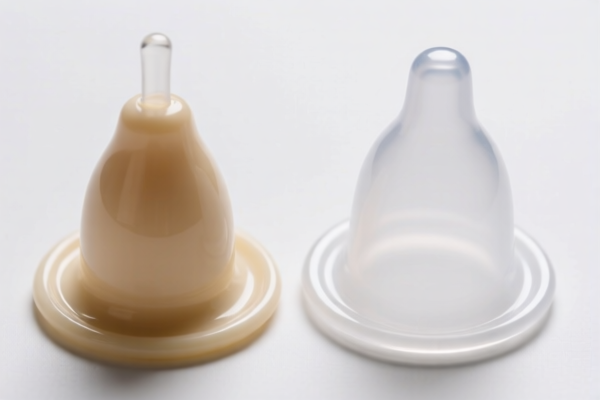
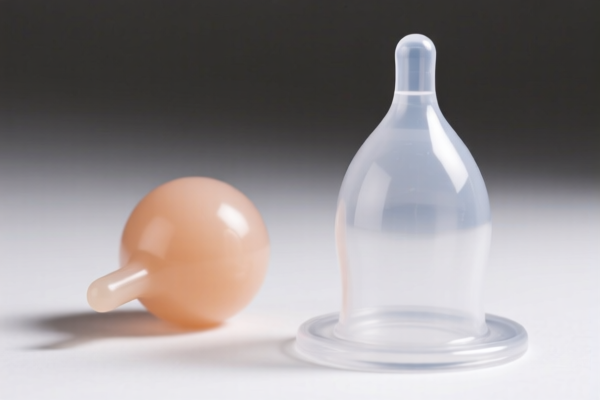
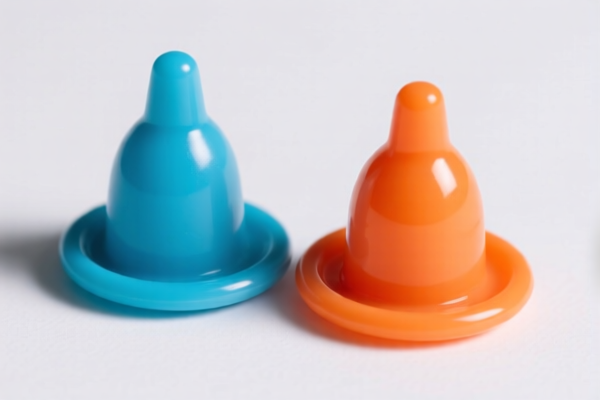
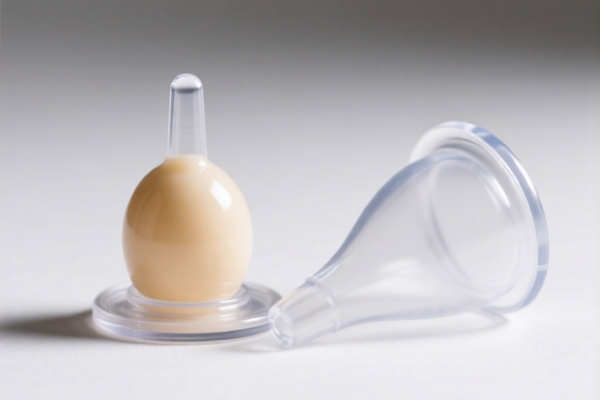
AI Analysis
💊 Plastic Pessaries (Medical/Orthopedic Appliances)
🌐 HS Code Reference & Clearance Guide | 2026 Latest Tariff Analysis | Professional Clearance Strategy
📌 I. Product Definition & Classification: Are You Sure It’s "Just Plastic"?
Plastic Pessaries are medical devices designed to support pelvic organs or treat conditions related to pelvic floor dysfunction. Although they are made of plastic, they are not treated as general plastic articles (Chapter 39) due to their specific medical function. Instead, they fall under Chapter 90 as "Orthopedic Appliances" or "Appliances to Compensate for Defects."
⚠️ Critical Distinction:
- If the item is a generic plastic bag, cushion, or non-medical insert → It belongs to 3926.90 (General Plastic Articles).
- If the item is a medical pessary (used for medical/orthopedic purposes) → It belongs to 9021.10 (Orthopedic/Fracture Appliances).
- Key Rule: Function dictates classification. Medical purpose overrides material composition here.
📦 II. HS Code Classification Details (2026 Latest Tariff Authority Comparison)
Based on the provided data, there are four relevant HS Codes. The correct choice depends on whether the item is specifically an "appliance" or a "generic plastic part."
| HS Code | Product Description | Applicable Scenario | Medical/Orthopedic Purpose? |
|---|---|---|---|
3926.90.21.00 |
Ice bags; douche bags, enema bags... pessaries; bulbs for syringes... | Generic/Non-Medical or General Plastic Fittings | ❌ No (Treated as general plastic article) |
9021.10.00.90 |
Orthopedic or fracture appliances, and parts and accessories thereof | Specifically Classified Orthopedic Appliances | ✅ Yes (Primary Medical Classification) |
9021.90.81.00 |
Other orthopedic appliances; hearing aids... Other | Other Medical/Orthopedic Appliances | ✅ Yes (Secondary Medical Classification) |
3926.90.99.89 |
Other articles of plastics... Other | General Plastic Articles (Not specified elsewhere) | ❌ No (Catch-all for plastic goods) |
🔍 Key Warning:
- While3926.90.21.00explicitly lists "pessaries," it is grouped under Chapter 39 (Plastics) with a 11.7% total tax.
-9021.10.00.90and9021.90.81.00are under Chapter 90 (Medical/Orthopedic Appliances) with 0.0% total tax.
- Strategy: If your pessary is a medical device certified for health use, DO NOT classify under 3926. You should aim for 9021 to save significant tariffs. If it is a cosmetic or non-medical plastic insert, it may fall under 3926.90.21.00.
💰 III. 2026 Latest Tariff Rate Breakdown (Detailed Tax Clauses)
✅ Applicable Country: United States (US)
✅ Origin: China (CN)
✅ Effective Date: 2025/2026 Tariff Regime
🎯 1. 3926.90.21.00 —— Pessaries (Classified as Plastic Articles)
| Item | Content |
|---|---|
| Base Tariff | 4.2% (Ad Valorem) |
| Additional Tariff (Section 301) | +7.5% |
| Total Tax Rate | 11.7% |
| Tax Calculation | CIF Value × 11.7% |
| Legal Basis | HTSUS 3926.90.21.00 + Section 301 Footnote |
📌 Explanation:
- This code is for pessaries considered as plastic articles rather than medical devices.
- The 11.7% rate includes the base duty (4.2%) plus the additional trade war tariff (7.5%).
- Risk: If you classify a medical device here, you are overpaying taxes by missing the medical exemption.
🎯 2. 9021.10.00.90 —— Orthopedic/Fracture Appliances (Medical Grade)
| Item | Content |
|---|---|
| Base Tariff | 0.0% |
| Additional Tariff (Section 301) | 0.0% |
| Total Tax Rate | 0.0% |
| Tax Calculation | No Tax |
| Legal Basis | HTSUS 9021.10.00.90 |
📌 Explanation:
- 0% Tax! This is the most cost-effective classification if the pessary is a legitimate orthopedic/medical appliance.
- Condition: The product must be demonstrably used for medical/orthopedic purposes (e.g., pelvic support, post-surgical recovery).
- Advantage: Avoids both base duty and additional tariffs.
🎯 3. 9021.90.81.00 —— Other Orthopedic/Compensating Appliances (Medical Grade)
| Item | Content |
|---|---|
| Base Tariff | 0.0% |
| Additional Tariff (Section 301) | 0.0% |
| Total Tax Rate | 0.0% |
| Tax Calculation | No Tax |
| Legal Basis | HTSUS 9021.90.81.00 |
📌 Explanation:
- Similar to 9021.10, this code applies to other medical appliances not specified elsewhere in Chapter 90.
- Also 0% Tax. Use this if the pessary doesn't fit neatly into "fracture appliances" but is still a medical compensating device.
🎯 4. 3926.90.99.89 —— Other Plastic Articles (Non-Specific)
| Item | Content |
|---|---|
| Base Tariff | 5.3% |
| Additional Tariff (Section 301) | +7.5% |
| Total Tax Rate | 12.8% |
| Tax Calculation | CIF Value × 12.8% |
| Legal Basis | HTSUS 3926.90.99.89 |
📌 Explanation:
- This is the least favorable code for pessaries.
- It applies only if the item is a general plastic article with no specific medical classification.
- Avoid unless you have no evidence of medical use.
🛠️ IV. Practical Clearance Advice (Evading Pitfalls)
✅ 1. Preparation Checklist (Non-Negotiable)
| Document | Required? | Notes |
|---|---|---|
| ✅ Product Spec Sheet | ✔️ | Must state "Medical Use: Pelvic Support" or "Orthopedic Appliance." |
| ✅ Intended Use Statement | ✔️ | Explicitly declare: "Used for medical/orthopedic purposes to compensate for defect." |
| ✅ Product Photos | ✔️ | Show the item in medical packaging or with medical branding. |
| ✅ FDA Registration | ✔️ (If applicable) | If claiming medical status, FDA 510(k) or clearance strengthens the 9021 classification. |
| ✅ Commercial Invoice | ✔️ | Do NOT describe as "Plastic Pessary" alone. Use "Medical Orthopedic Pessary." |
✅ 2. Declaration Strategy (Key Mnemonics)
🔥 “Medical Use = Chapter 90 = 0% Tax! Generic Plastic = Chapter 39 = 12%+ Tax!”
| Scenario | Correct HS Code | Tax Rate | Risk if Wrong |
|---|---|---|---|
| Medical Pessary (Pelvic support, post-surgical) | 9021.10.00.90 or 9021.90.81.00 |
0.0% | If misclassified as 3926 → Overpay 11.7%-12.8% |
| Generic Plastic Insert (Cosmetic, non-medical) | 3926.90.21.00 |
11.7% | If misclassified as 9021 → Smuggling/Fraud Risk |
| Unknown/General Plastic | 3926.90.99.89 |
12.8% | Highest cost; avoid if possible |
📌 Critical Note:
- Do NOT declare "Plastic Pessary" without clarifying its medical function.
- If the product is medical, provide evidence (e.g., instructions for use, FDA clearance).
- If the product is non-medical, it will be taxed at 11.7%.
✅ 3. Special Circumstances
| Situation | Recommendation |
|---|---|
| OEM Medical Device | Provide FDA registration + medical purpose statement → Classify under 9021. |
| Cosmetic Pessary | Must declare as Plastic Article → Classify under 3926.90.21.00 (11.7%). |
| Mixed Shipment (Medical + Non-Medical) | Split the declaration! Medical items under 9021 (0%), Non-Medical under 3926 (11.7%). |
| No Medical Evidence | Customs may default to 3926 → Prepare for 11.7% tax. |
🌍 V. Global Market Comparison (2026 Latest)
| Country/Region | Recommended HS Code | Tariff | Notes |
|---|---|---|---|
| 🇺🇸 USA | 9021.10.00.90 |
0.0% | If medical; else 11.7% under 3926 |
| 🇨🇳 China | 9021.10.00.00 |
0.0% | Medical devices often duty-free |
| 🇪🇺 EU | 9021.90.00 |
0.0% | Medical devices generally duty-free |
| 🇬🇧 UK | 9021.90.00 |
0.0% | Medical devices generally duty-free |
📌 Conclusion:
- USA: The key to saving tax is proving medical use.
- Medical Classification (9021) = 0% Tax vs. Plastic Classification (3926) = 11.7% Tax.
- Difference: 11.7% saving per unit. For large shipments, this is significant.
📌 VI. Common Errors & Pitfalls (Lessons Learned)
❌ Error 1: Declaring "Plastic Pessary" as 3926.90.21.00 when it is a medical device.
👉 Result: Overpaying 11.7% tax. You can claim a refund, but it’s a hassle.
❌ Error 2: Declaring "Plastic Pessary" as 9021.10.00.90 when it has NO medical evidence.
👉 Result: Customs Audits, Fines, or Seizure for misdeclaration.
❌ Error 3: Mixing medical and non-medical items in one HS Code.
👉 Result: Customs Rejects the Entire Shipment for unclear classification.
✅ Correct Approach:
“Medical Pessary, Orthopedic Support, FDA Cleared, Model XYZ” →
9021.10.00.90(0% Tax)
“Plastic Insert, Non-Medical, Cosmetic Use” →3926.90.21.00(11.7% Tax)
🎯 VII. Conclusion: Precise Classification Saves Money!
🎯 Remember the Motto:
🔹 “Medical Function = Chapter 90 = 0% Tax!”
🔹 “Generic Plastic = Chapter 39 = 11.7% Tax!”
🔹 “Prove Your Use Case, Avoid the Tax Trap!”
📌 Pro Tip:
If your pessary is FDA-registered or has a CE Medical Device Mark, always declare under 9021. This not only saves 11.7% in tariffs but also signals legitimacy to Customs, speeding up clearance.
📣 Immediate Action:
📞 Consult a Customs Broker: Provide product photos + intended use.
📄 Prepare Documentation: Medical device certificate + usage instructions.
🚀 Declare Accurately: Use "Medical Orthopedic Appliance" instead of "Plastic Pessary."
✨ Professional Clearance Starts with Accurate Classification!
💼 Every 0% Tax Saved is Pure Profit!
Customer Reviews
About HS Code Classification
The Harmonized System (HS) is an internationally standardized nomenclature developed by the World Customs Organization (WCO) to classify traded products. Over 200 countries use the HS system as the basis for customs tariffs, trade statistics, and import/export regulations.
Each HS code follows a hierarchical structure:
- Chapter (2 digits) — Broad category of goods (e.g., Chapter 84: Machinery and Mechanical Appliances)
- Heading (4 digits) — More specific grouping within the chapter
- Subheading (6 digits) — Internationally standardized breakdown, used by all WCO member countries
- National subdivisions (8-10 digits) — Country-specific extensions for further classification, such as US HTSUS 10-digit codes
Correct HS code classification is essential for smooth customs clearance, accurate duty payment, and compliance with trade regulations. Misclassification can lead to customs delays, overpayment of duties, or penalties.
When importing from CN to US, the applicable tariff rates may include:
- Most-Favored-Nation (MFN) rate — The standard duty rate applied to WTO members
- General rate — Applied to countries without trade agreements
- Trade remedy duties — Additional tariffs such as Section 301 (anti-dumping), Section 232 (national security), or countervailing duties
The information provided on this page is for reference purposes only. For official classification, please consult with your local customs authority or a licensed customs broker.