Plastic Pesticide Bucket
CN → US| HS Code | Tariff Rate | Origin | Destination | Doc |
|---|---|---|---|---|
| 3923900012 | 38.0% | CN | US | Official Doc |
| 3923900014 | 38.0% | CN | US | Official Doc |
| 3926901000 | 20.9% | CN | US | Official Doc |
| 3926909989 | 22.8% | CN | US | Official Doc |
| 3917290050 | 38.1% | CN | US | Official Doc |
| 3917290090 | 38.1% | CN | US | Official Doc |
Product Images
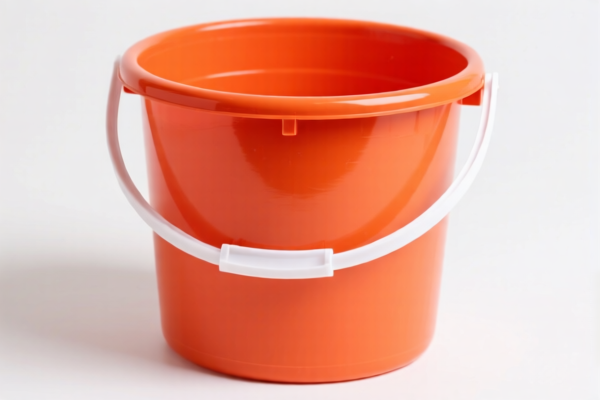
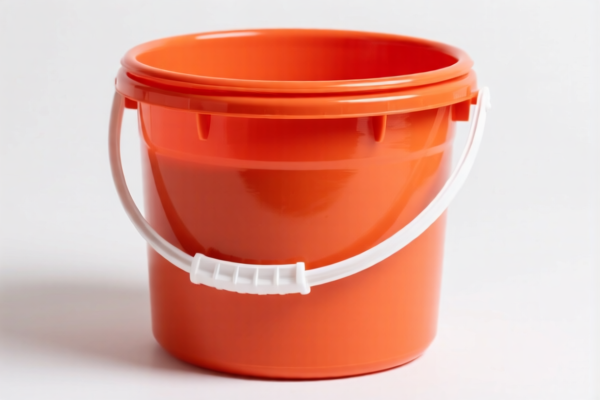
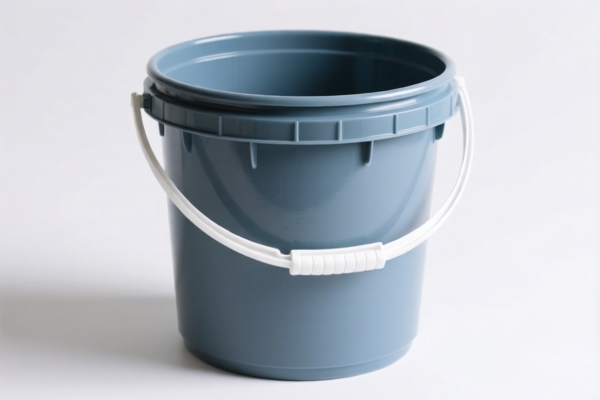
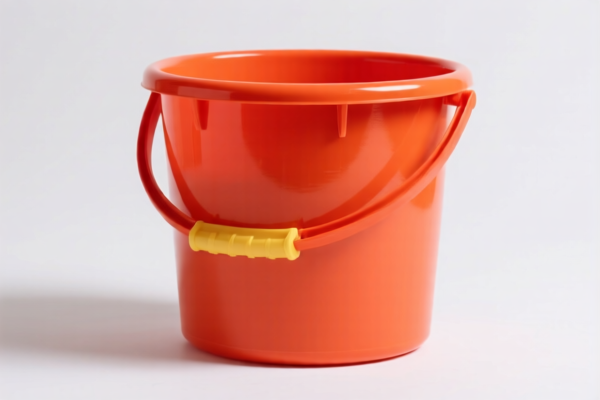
AI Analysis
🏺 Plastic Pesticide Bucket (Plastic Container for Chemical Packaging)
🌐 HS Code Reference & Customs Clearance Guide | 2026 Latest Tariff Analysis | Professional Clearance Strategy
📌 I. Product Definition & Classification: What Exactly is a "Plastic Pesticide Bucket"?
A "Plastic Pesticide Bucket" is a rigid or semi-rigid container made primarily of plastic (such as HDPE, PP, or PET), designed specifically to hold, transport, or store pesticides, liquid fertilizers, or other chemical substances. In international trade, its classification depends heavily on its specific design, intended use, and structural features.
Key Distinction: * Industrial/Chemical Containers: If designed specifically for hazardous chemicals (like pesticides) with specific sealing mechanisms, it often falls under Chapter 39.23 (Articles for the conveyance or packing of goods). * General Plastic Containers: If it resembles a standard bucket or drum without specialized chemical-resistant features, it may fall under Chapter 39.26 (Other articles of plastics) or Chapter 39.17 (Tubes, pipes, and hoses).
⚠️ Critical Classification Point:
- If the bucket is specifically designed for chemical packaging with reinforced walls or special seals → Likely 3923.90.00
- If it is a general-purpose plastic bucket/drum → Likely 3926.90.10.00 or 3926.90.99.89
- If it is a flexible container or part of a piping system → Likely 3917.29.00.50
📦 II. HS Code Classification Details (2026 Latest Tariff Authoritative Comparison)
| HS Code | Product Description | Application Scenario | Key Features |
|---|---|---|---|
3923.90.00.12 |
Plastic containers, bucket shape, for chemical packaging | Pesticide drums, chemical storage tanks | ✅ Specifically for chemicals |
3923.90.00.14 |
Plastic containers, bucket shape, for goods conveyance or packaging | General industrial packing, logistics | ✅ For packaging/conveyance |
3926.90.10.00 |
Plastic containers, bucket/drum shape, fits water or oil drum category | General-purpose buckets, simple drums | ✅ Standard plastic bucket |
3926.90.99.89 |
Plastic articles, other containers | Miscellaneous plastic containers | ✅ General plastic article |
3917.29.00.50 |
Plastic pipes, tubes, hoses, fittings, or container parts | Tubular containers, pipe fittings | ✅ Tubular/fitting nature |
🔍 Important Reminder:
- Pesticide-specific buckets should ideally be classified under 3923.90.00.12 due to their specific use for chemical packaging.
- General plastic buckets not specifically designed for chemicals should be classified under 3926.90.10.00.
- Misclassification can lead to significant tariff differences (e.g., 38% vs. 20.9%).
💰 III. 2026 Latest Tariff Rate Detailed Explanation (Including Surcharges & Policy Add-ons)
✅ Applicable Country: United States (US)
✅ Origin: China (CN)
✅ Effective Date: From November 10, 2025 (including subsequent imports)
🎯 1. 3923.90.00.12 – Plastic Containers, Bucket Shape, for Chemical Packaging
| Item | Content |
|---|---|
| Base Tariff | 3.0% (ad valorem) |
| Retaliatory Tariff | +25.0% (Section 301) |
| Section 122 Tariff | +10.0% (Targeted Chemical/Pesticide-related items) |
| Total Rate | 38.0% |
| Tax Calculation | CIF Value × 38% |
| De Minimis Exemption | ❌ Not Available (deny_de_minimis) |
| Legal Basis Path | Base: 3923.90.00.12 → Sec301: +25% → Sec122: +10% |
📌 Explanation:
- The 3.0% base tariff applies to plastic articles for the conveyance or packing of goods.
- The 25.0% Section 301 tariff is the standard retaliatory tariff on Chinese goods.
- The 10.0% Section 122 tariff is a specific additional levy on certain chemical-related plastic containers, reflecting the "122 Provisions."
- Total 38% is a high tariff, requiring careful cost planning.
🎯 2. 3923.90.00.14 – Plastic Containers, Bucket Shape, for Goods Conveyance or Packaging
| Item | Content |
|---|---|
| Base Tariff | 3.0% |
| Retaliatory Tariff | +25.0% |
| Section 122 Tariff | +10.0% |
| Total Rate | 38.0% |
| Tax Calculation | CIF Value × 38% |
| De Minimis Exemption | ❌ Not Available |
| Legal Basis Path | Base: 3923.90.00.14 → Sec301: +25% → Sec122: +10% |
📌 Note:
- This code is very similar to3923.90.00.12but may be used if the bucket is not explicitly for chemicals but for general goods packaging.
- The tariff rate is identical (38%), so misclassification here does not save costs.
🎯 3. 3926.90.10.00 – Plastic Containers, Bucket/Drum Shape, Fits Water or Oil Drum Category
| Item | Content |
|---|---|
| Base Tariff | 3.4% |
| Retaliatory Tariff | +7.5% |
| Section 122 Tariff | +10.0% |
| Total Rate | 20.9% |
| Tax Calculation | CIF Value × 20.9% |
| De Minimis Exemption | ❌ Not Available |
| Legal Basis Path | Base: 3926.90.10.00 → Sec301: +7.5% → Sec122: +10% |
📌 Key Difference:
- The Section 301 tariff is only 7.5% (instead of 25%) for this category.
- The base tariff is slightly higher (3.4%), but the total is significantly lower (20.9% vs. 38%).
- Crucial: This classification is only valid if the bucket is a general-purpose plastic bucket/drum and NOT specifically designed for hazardous chemical packaging. If it is for pesticides, Customs may reclassify it to 3923.90.00.12.
🎯 4. 3926.90.99.89 – Plastic Articles, Other Containers
| Item | Content |
|---|---|
| Base Tariff | 5.3% |
| Retaliatory Tariff | +7.5% |
| Section 122 Tariff | +10.0% |
| Total Rate | 22.8% |
| Tax Calculation | CIF Value × 22.8% |
| De Minimis Exemption | ❌ Not Available |
| Legal Basis Path | Base: 3926.90.99.89 → Sec301: +7.5% → Sec122: +10% |
📌 Note:
- This is a "catch-all" category for plastic containers not specified elsewhere.
- The Section 301 tariff is 7.5%, leading to a lower total rate (22.8%).
- However, pesticide buckets are unlikely to qualify unless they are simple, non-specialized containers.
🎯 5. 3917.29.00.50 – Plastic Pipes, Tubes, Hoses, Fittings, or Container Parts
| Item | Content |
|---|---|
| Base Tariff | 3.1% |
| Retaliatory Tariff | +25.0% |
| Section 122 Tariff | +10.0% |
| Total Rate | 38.1% |
| Tax Calculation | CIF Value × 38.1% |
| De Minimis Exemption | ❌ Not Available |
| Legal Basis Path | Base: 3917.29.00.50 → Sec301: +25% → Sec122: +10% |
📌 Note:
- This classification is for tubular or fitting structures, not standard buckets.
- Only applicable if the "bucket" is actually a flexible container or part of a piping system.
- High tariff (38.1%), similar to 3923.90.00.12.
🛠️ IV. Customs Clearance Practical Advice (Real-World Pitfall Avoidance Guide)
✅ 1. Preparation Checklist (All Required)
| Document | Required | Description |
|---|---|---|
| ✅ Product Specification Sheet | ✔️ | Include material (HDPE/PP), capacity, wall thickness, chemical resistance |
| ✅ Technical Drawing | ✔️ | Show if it’s a standard bucket or specialized chemical container |
| ✅ Product Photos (with Label) | ✔️ | Clear view of shape, closure, and any chemical hazard labels |
| ✅ SDS (Safety Data Sheet) | ✔️ | For the substance it will contain (pesticide) |
| ✅ Commercial Invoice | ✔️ | Must clearly state "Plastic Bucket for Pesticide Packaging" or "General Plastic Container" |
| ✅ Packing List | ✔️ | Detail quantity and packaging type |
✅ 2. Declaration Strategy (Key Mnemonics)
🔥 "Special Chemicals Go to 3923, General Buckets to 3926, 122 Adds 10%, 301 Makes it High!"
| Scenario | Correct HS Code | Risk if Misclassified |
|---|---|---|
| Pesticide-specific bucket | 3923.90.00.12 |
If declared as general bucket (3926.90.10.00) → Underpayment of Tax + Penalty |
| General plastic bucket | 3926.90.10.00 |
If declared as chemical container → Overpayment of Tax |
| Tubular plastic container | 3917.29.00.50 |
Rare for buckets, but if applicable, avoid 3923 misclassification |
✅ 3. Special Situations
| Situation | Handling Advice |
|---|---|
| Bucket with Chemical Hazard Label | Must declare under 3923.90.00.12 (Chemical Packaging). Do NOT use 3926. |
| Plain Plastic Bucket (No Specific Chemical Use) | Can declare under 3926.90.10.00 to benefit from lower Section 301 tariff (7.5%). |
| Mixed Shipment (Buckets + Chemicals) | Declare separately. Buckets as goods, chemicals as hazardous materials. |
| OEM Custom Buckets | Provide design drawings to prove if they are "specialized" or "general." |
🌍 V. Global Market Clearance Comparison (2026 Latest)
| Country/Region | Recommended HS Code | Tariff (China Origin) | Certification Required | Notes |
|---|---|---|---|---|
| 🇺🇸 USA | 3923.90.00.12 (Pesticide) |
38.0% | None (but may require EPA info) | High tariff due to Sec301 + Sec122 |
| 🇺🇸 USA | 3926.90.10.00 (General) |
20.9% | None | Lower tariff if not chemical-specific |
| 🇨🇳 China | 3923.90.00.12 |
3.0% | None | No additional surcharges |
| 🇪🇺 EU | 3923.90.00 |
4.5% | REACH Compliance | No US-style surcharges |
| 🇯🇵 Japan | 3923.90.00 |
3.8% | None | Standard rates |
📌 Conclusion:
- USA has the highest effective tariff (38%) for chemical packaging buckets.
- If the bucket is not exclusively for pesticides, consider declaring as 3926.90.10.00 to reduce tariffs to 20.9%.
- China, EU, and Japan have significantly lower rates, making the US market the most challenging for this product.
📌 VI. Common Errors & Pitfall Avoidance (Lessons Learned)
❌ Error 1: Declaring a pesticide-specific bucket as a general plastic bucket (3926.90.10.00)
👉 Consequence: Customs may reclassify to 3923.90.00.12, leading to back taxes + penalties.
❌ Error 2: Not distinguishing between 3923 and 3926
👉 Consequence: Overpaying taxes if a general bucket is declared as chemical packaging.
❌ Error 3: Ignoring Section 122 (10% surcharge)
👉 Consequence: Underestimating total landed cost by 10%.
❌ Error 4: Using vague descriptions like "Plastic Bucket"
👉 Consequence: Customs delay for further classification inquiry.
✅ Correct Approach:
"HDPE Plastic Bucket, 20L, For Pesticide Packaging, Chemical Resistant, Model ABC, Certified for Hazardous Goods Transport"
🎯 VII. Conclusion: Professional Declaration Saves Money!
🎯 Remember Mnemonics:
🔹 "Pesticide Bucket = 3923.90.00.12 = 38% Tax"
🔹 "General Bucket = 3926.90.10.00 = 20.9% Tax"
🔹 "Section 122 Adds 10%, Section 301 Adds 25% (or 7.5% for 3926)"
🔹 "Be Specific: If it’s for chemicals, don’t hide it!"
📌 Pro Tip:
- If your buckets are not exclusively for pesticides, declare them as General Plastic Containers to benefit from the lower Section 301 rate (7.5%).
- Always provide product specifications to support your classification.
- Consider Advance Ruling if the product is borderline between 3923 and 3926.
📣 Immediate Action:
📞 Consult a Professional Customs Broker + Provide Product Specs + Apply for HS Code Advance Ruling
🚀 Ensure Smooth Clearance, Cost Efficiency, and Compliance!
✨ Professional Clearance Starts with Accurate Classification!
💼 Every Percentage Point Counts in Your Landed Cost!
Customer Reviews
About HS Code Classification
The Harmonized System (HS) is an internationally standardized nomenclature developed by the World Customs Organization (WCO) to classify traded products. Over 200 countries use the HS system as the basis for customs tariffs, trade statistics, and import/export regulations.
Each HS code follows a hierarchical structure:
- Chapter (2 digits) — Broad category of goods (e.g., Chapter 84: Machinery and Mechanical Appliances)
- Heading (4 digits) — More specific grouping within the chapter
- Subheading (6 digits) — Internationally standardized breakdown, used by all WCO member countries
- National subdivisions (8-10 digits) — Country-specific extensions for further classification, such as US HTSUS 10-digit codes
Correct HS code classification is essential for smooth customs clearance, accurate duty payment, and compliance with trade regulations. Misclassification can lead to customs delays, overpayment of duties, or penalties.
When importing from CN to US, the applicable tariff rates may include:
- Most-Favored-Nation (MFN) rate — The standard duty rate applied to WTO members
- General rate — Applied to countries without trade agreements
- Trade remedy duties — Additional tariffs such as Section 301 (anti-dumping), Section 232 (national security), or countervailing duties
The information provided on this page is for reference purposes only. For official classification, please consult with your local customs authority or a licensed customs broker.