Plastic Pet Feeder
CN → US| HS Code | Tariff Rate | Origin | Destination | Doc |
|---|---|---|---|---|
| 3924905650 | 20.9% | CN | US | Official Doc |
| 3924905610 | 20.9% | CN | US | Official Doc |
| 3924104000 | 13.4% | CN | US | Official Doc |
| 3924104000 | 13.4% | CN | US | Official Doc |
| 3924905650 | 20.9% | CN | US | Official Doc |
Product Images
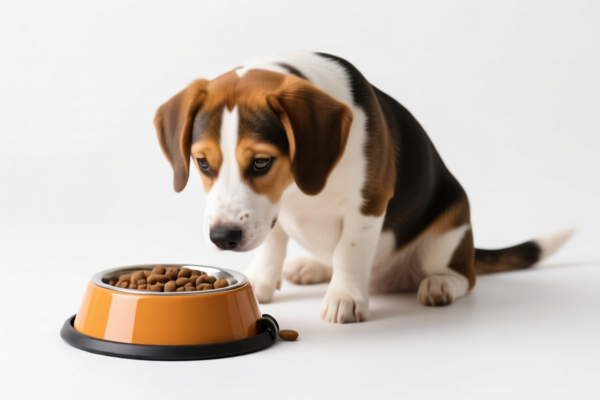
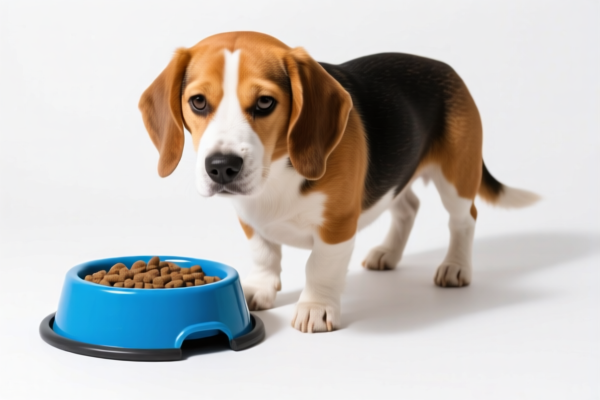


AI Analysis
🐾 Plastic Pet Feeder (Feeder & Bowls)
🌐 HS Code Reference & Customs Clearance Guide | 2024/2025 Latest Tariff Analysis | Professional Entry Strategy
📌 I. Product Definition & Classification: Are You Classifying Your "Pet Feeder" Correctly?
Plastic Pet Feeders are essential household items for pet owners. However, in international trade, they are not all classified under a single code. Their classification depends heavily on their specific function and design structure.
In the provided dataset, we see two distinct categories: 1. General Pet Feeder Systems: Complex feeders (often automatic or multi-compartment) classified under 3924.90.56. 2. Simple Pet Bowls/Waterers: Basic single-bowl or water-dispensing items classified under 3924.10.40.
⚠️ Key Distinction Point:
- If the item is a complex feeder system or a basic bowl but categorized under "Other Household Articles" → Look at 3924.90.56.50 / .10.
- If the item is explicitly a Pet Waterer or a Plastic Dining Bowl (cutlery category) → Look at 3924.10.40.00.
- Note: Even if it's for a pet, if it looks like a "bowl" or "waterer," customs may treat it as household kitchenware (lower tax). If it's a specialized "feeder" device, it faces higher tariffs.
📦 II. HS Code Classification Details (Based on Provided Data)
| HS Code | Product Description | Application Scope | Key Characteristics |
|---|---|---|---|
3924.90.56.50 |
Plastic Pet Feeder | Home/Household Articles / "Other" Category | General complex feeders; classified under "Other" household items. |
3924.90.56.10 |
Plastic Pet Feeder | Pet Supplies / "Other" Category | Specifically for pet use, but falls under "Other" in this subheading. |
3924.10.40.00 |
Plastic Waterer | Drinking Vessels / Kitchenware | Pet water dispensers; classified alongside human dining wares. |
3924.10.40.00 |
Plastic Pet Bowl | Dining Ware / Cutlery | Simple plastic bowls for pets; classified as plastic tableware. |
🔍 Critical Insight:
- The same physical object (a plastic bowl) might be declared as a "Pet Waterer" (HS 3924.10.40.00) to access lower taxes, OR as a "Pet Feeder" (HS 3924.90.56.50) if it has specific feeding mechanisms or is marketed as a specialized feeder.
- Warning: Misdeclaring a specialized feeder as a simple "bowl" can lead to customs audits if the product structure is complex.
💰 III. 2024/2025 Latest Tariff Rate Breakdown (Detailed Tax Clauses)
✅ Applicable Region: United States (US)
✅ Origin: China (CN)
✅ Context: Includes Base Tariff, Section 301 Additional Tariff, and Section 301/321 "122" Clause Tariff.
🎯 1. Category A: Standard Pet Feeders (Higher Tax Bracket)
HS Codes: 3924.90.56.50 / 3924.90.56.10
| Item | Detail |
|---|---|
| Base Tariff | 3.4% |
| Section 301 Additional Tariff | 7.5% |
| Section 122 Clause Tariff | 10% |
| Total Effective Tax Rate | 20.9% |
| Tax Calculation | CIF Value × 20.9% |
| De Minimis Exemption | ❌ Not Applicable for these specific HS codes under current 122/301 rules for this category. |
| Legal Basis | Combined USITC Schedule + Section 301 List 4C (or similar) + Section 122 Provisions. |
📌 Explanation:
- The 3.4% is the standard MFN (Most Favored Nation) rate for plastic household articles.
- The 7.5% is an additional tariff (likely Section 301 related to specific plastic goods or pet supplies).
- The 10% is the Section 122 Tariff, which significantly impacts certain consumer goods from China.
- Total 20.9% is a significant cost burden. Precision in declaring why it is a "Feeder" vs. a "Bowl" is critical.
🎯 2. Category B: Pet Waterers & Bowls (Lower Tax Bracket)
HS Codes: 3924.10.40.00
| Item | Detail |
|---|---|
| Base Tariff | 3.4% |
| Section 301 Additional Tariff | 0.0% (Exempted/Not Applicable in this specific sub-sub-category) |
| Section 122 Clause Tariff | 10% |
| Total Effective Tax Rate | 13.4% |
| Tax Calculation | CIF Value × 13.4% |
| De Minimis Exemption | ❌ Not Applicable (Section 122 still applies). |
| Legal Basis | USITC Schedule + Section 122 Provisions only. |
📌 Explanation:
- The 3.4% base rate applies to plastic tableware.
- The 0.0% additional tariff suggests this specific subheading (3924.10.40) might be exempt from the Section 301 "7.5%" surcharge that applies to the3924.90.56group.
- However, the 10% Section 122 Tariff still applies, bringing the total to 13.4%.
- Savings: Choosing this classification (if legally justified by the product design) saves 7.5% in tariffs compared to Category A.
🛠️ IV. Customs Clearance Practical Advice (Avoiding Pitfalls)
✅ 1. Documentation Checklist (Must-Haves)
| Document | Required? | Description |
|---|---|---|
| ✅ Product Photos | ✔️ | Clear images showing the item. Is it a simple bowl or a complex feeder? |
| ✅ Product Description | ✔️ | Must clearly state: "Plastic Pet [Feeder/Waterer/Bowl]". Avoid vague terms like "Plastic Toy." |
| ✅ Material Composition | ✔️ | Confirm 100% Plastic (HDPE, PP, etc.). |
| ✅ Usage Statement | ✔️ | Explicitly state: "For feeding/drinking pets." |
| ✅ Commercial Invoice | ✔️ | Must match the declared HS Code description exactly. |
| ✅ Origin Certificate | ✔️ | Proof of China origin to determine tariff applicability. |
✅ 2. Classification Strategy (Key Tips)
🔥 Rule of Thumb:
"If it drinks, it’s cheaper. If it eats, it’s more expensive. If it’s complex, it’s 'Other'."
| Scenario | Recommended HS Code | Why? |
|---|---|---|
| Simple Round Bowl | 3924.10.40.00 |
Classified as "Plastic Tableware." Lower Section 301 tax. |
| Spill-Proof Water Dish | 3924.10.40.00 |
Classified as "Waterer." Treated like kitchenware. |
| Automatic/Gravity Feeder | 3924.90.56.50 |
Considered a specialized "Feeder" or "Other Household Article." Higher tax. |
| Multi-Compartment Feeder | 3924.90.56.10 |
Specifically for pet use, but still under "Other." Higher tax. |
⚠️ Risk Warning:
Do not declare a complex automatic feeder as a "simple bowl" to save tax. If customs inspects the goods and sees gears, hoppers, or complex mechanisms, they will reclassify it to3924.90.56, charge the difference (20.9% - 13.4% = 7.5% gap) + penalties.
✅ 3. Special Notes on "Section 122" Tariff
- What is it? A tariff provision (often related to specific trade agreements or emergency powers) that adds a 10% duty to many consumer goods from China.
- Does it apply? YES, for ALL HS codes listed in your data.
- Impact: Even the "cheaper" waterers (
3924.10.40.00) are hit with this 10%. You cannot avoid it by changing the HS code within this plastic tableware family.
🌍 V. Global Market Comparison (Quick View)
| Market | HS Code Focus | Key Tax Component | Strategy |
|---|---|---|---|
| 🇺🇸 USA | 3924.10.40 vs 3924.90.56 |
10% (122) + 0-7.5% (301) | Optimize for 3924.10.40 if design allows (bowl/waterer). |
| 🇨🇳 China | 3924.10 / 3924.90 |
Varies by origin | N/A for export from China. |
| 🇪🇺 EU | 3924.10 / 3924.90 |
Standard ~3-6.5% | No Section 122/301 equivalents. Focus on CE/RoHS. |
📌 Conclusion:
The US market is the most tax-sensitive for these goods due to the layered tariffs (Base + 301 + 122).
- Max Tax: 20.9% (Feeders)
- Min Tax: 13.4% (Waterers/Bowls)
- Savings Potential: 7.5% per unit by correctly classifying simple bowls/waterers under3924.10.40.00.
📌 VI. Common Mistakes & Pitfalls
❌ Mistake 1: Calling everything a "Pet Feeder"
👉 Result: All items taxed at 20.9%. Missed savings on bowls/waterers.
❌ Mistake 2: Ignoring the "122" clause
👉 Result: Underestimating landed cost. The 10% is unavoidable for these plastic goods from China.
❌ Mistake 3: Vague Descriptions ("Plastic Item")
👉 Result: Customs may assign a default higher tariff code or hold the shipment for inspection.
✅ Correct Action:
Be Specific.
- "Plastic Dog Bowl, Round, 10 inch, Food Grade PP" →3924.10.40.00
- "Plastic Cat Water Fountain, Electric, 2L" →3924.90.56.50(Check specific subheading for electric/plumbing parts)
🎯 VII. Conclusion: Maximize Profit Through Precise Classification
🎯 Final Checklist:
1. Audit Product Design: Is it a simple bowl/waterer? → Aim for 3924.10.40.00 (13.4%).
2. Complexity Check: Is it a feeder with mechanisms? → Accept 3924.90.56.50 (20.9%).
3. Document Everything: Photos and descriptions must match the HS Code.
4. Account for 122: Budget for the 10% Section 122 Tariff regardless of the sub-category.
📌 Pro Tip:
If you sell both bowls and feeders, consider separating SKUs in your customs declaration to ensure the simpler items get the lower tax rate. Do not bundle them in a way that forces the entire shipment into the higher "Feeder" category.
✨ Precise Classification = Higher Margins.
💼 Don't let the 7.5% gap eat your profit!
Customer Reviews
About HS Code Classification
The Harmonized System (HS) is an internationally standardized nomenclature developed by the World Customs Organization (WCO) to classify traded products. Over 200 countries use the HS system as the basis for customs tariffs, trade statistics, and import/export regulations.
Each HS code follows a hierarchical structure:
- Chapter (2 digits) — Broad category of goods (e.g., Chapter 84: Machinery and Mechanical Appliances)
- Heading (4 digits) — More specific grouping within the chapter
- Subheading (6 digits) — Internationally standardized breakdown, used by all WCO member countries
- National subdivisions (8-10 digits) — Country-specific extensions for further classification, such as US HTSUS 10-digit codes
Correct HS code classification is essential for smooth customs clearance, accurate duty payment, and compliance with trade regulations. Misclassification can lead to customs delays, overpayment of duties, or penalties.
When importing from CN to US, the applicable tariff rates may include:
- Most-Favored-Nation (MFN) rate — The standard duty rate applied to WTO members
- General rate — Applied to countries without trade agreements
- Trade remedy duties — Additional tariffs such as Section 301 (anti-dumping), Section 232 (national security), or countervailing duties
The information provided on this page is for reference purposes only. For official classification, please consult with your local customs authority or a licensed customs broker.