Plastic Picnic Mat
CN → US| HS Code | Tariff Rate | Origin | Destination | Doc |
|---|---|---|---|---|
| 6304996040 | 20.7% | CN | US | Official Doc |
| 3924901050 | 13.3% | CN | US | Official Doc |
| 6304920000 | 23.8% | CN | US | Official Doc |
| 3924905650 | 20.9% | CN | US | Official Doc |
| 4202923900 | 52.6% | CN | US | Official Doc |
Product Images
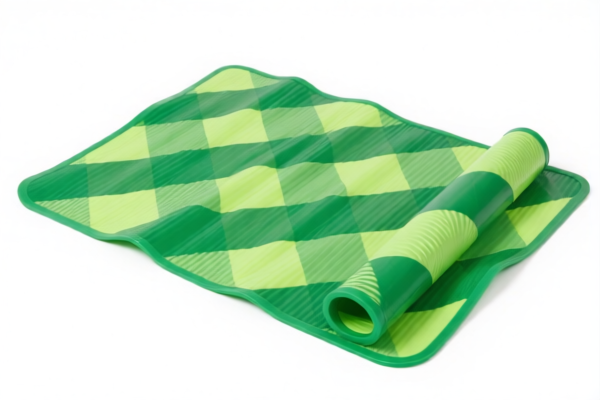
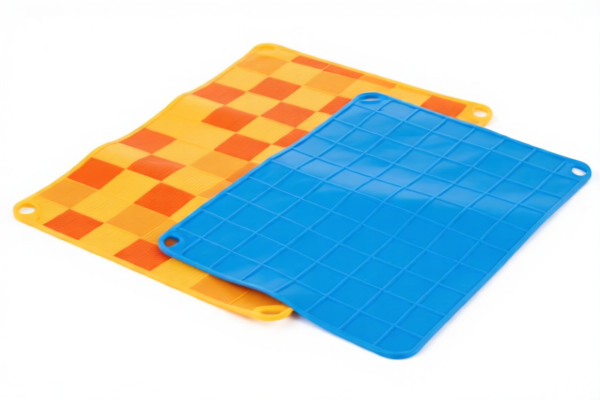
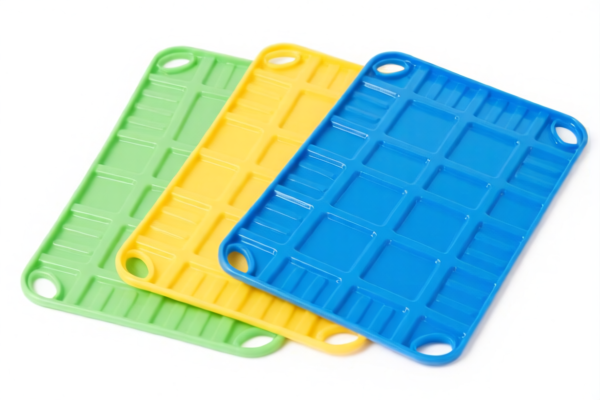
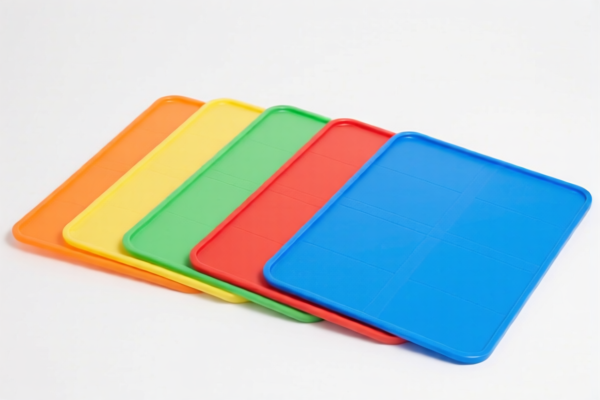
AI Analysis
🧺 Plastic Picnic Mat: The Ultimate HS Code & Duty Breakdown for 2026
🌐 HS Code Reference & Customs Clearance Guide | 2026 Latest Tariff Analysis | Professional Logistics Strategy
📌 I. Product Definition & Classification: What Exactly is a "Plastic Picnic Mat"?
In international trade, a "Plastic Picnic Mat" is not a single, uniform commodity. Its classification depends entirely on its material composition and manufacturing process. Misclassification here is the #1 cause of customs delays and unexpected duties in the US market.
We distinguish between two main categories: 1. Textile-Based Mats (Non-Silk/Non-Wool): Fabric-like mats (polyester, nylon, cotton blends) that look and feel like textiles. 2. Plastic/Synthetic Mats: Solid sheets of PE, EVA, PVC, or synthetic fibers molded into mats.
⚠️ Key Distinction Point:
- If the surface is woven, knitted, or non-woven fabric (even if coated with plastic) → It falls under Chapter 63 (Other Made-Up Textile Articles).
- If the material is a solid sheet, film, or molded plastic/rubber (like a yoga mat or foam pad) → It falls under Chapter 39 (Plastics) or Chapter 42 (Articles of Leather/Plastic Sheets).
📦 II. HS Code Classification Details (2026 Latest Tariff Authoritative Mapping)
Based on the provided data, here are the precise HS Codes for Plastic Picnic Mats, categorized by material and usage:
| HS Code | Product Description | Material Type | Applicable Scenario |
|--------|--------------------------|-------------------|
| 6304.99.60.40 | Non-silk/Non-wool textile home textile picnic mats | Non-silk/Non-wool Textiles (e.g., Polyester/Nylon blends) | Outdoor camping, beach use, where the base is woven/non-woven fabric. |
| 3924.90.10.50 | Plastic/synthetic fiber picnic mats, classified as household goods | Plastic or Synthetic Fibers | Home use, garden parties, easy-clean plastic surfaces. |
| 6304.92.00.00 | Home decoration/flooring items of non-knitted cotton or other fabrics | Non-knitted Cotton or Other Fabrics | Cotton-heavy mats, decorative indoor/outdoor rugs. |
| 3924.90.56.50 | Outdoor household items made of plastic (e.g., PE/EVA) | Plastic (PE, EVA, PVC) | Foam mats, inflatable mats, solid plastic sheets. |
| 4202.92.39.00 | Portable equipment for sports/travel with textile or plastic sheet surface | Textile or Plastic Sheets (Outer Surface) | Premium travel gear, branded backpacks, foldable outdoor kits. |
🔍 Critical Reminder:
- Don't confuse "Textile" with "Plastic": A mat with a plastic coating on a cotton base is still often classified as textile (Chapter 63), whereas a pure PE foam mat is Chapter 39.
- "Home Use" vs. "Travel Gear": If the mat is part of a larger portable kit (with a bag, straps, etc.), it may fall under 4202.92.39.00 (Travel Goods), which has significantly different duty rates.
💰 III. 2026 Latest Tariff Rate Breakdown (Including Additional Duties & Policy Surcharges)
✅ Applicable Country: United States (US)
✅ Origin: China (CN)
✅ Effective Time: Ongoing (Including 2025-2026 imports)
🎯 1. 6304.99.60.40 —— Non-Silk/Non-Wool Textile Picnic Mats
| Item | Content |
|---|---|
| Base Tariff | 3.2% (ad valorem) |
| Section 301 Surcharge | +7.5% |
| Section 122 Surcharge | +10% |
| Total Tariff | 20.7% |
| Tax Calculation | CIF Value × 20.7% |
| De Minimis Eligibility | ❌ No (High tariff rate triggers scrutiny) |
| Legal Basis Path | Base: 6304.99.60.40 → Section 301: 7.5% → Section 122: 10% |
📌 Explanation:
- This code applies to fabric-based mats.
- The 20.7% rate is moderate but significantly higher than the base 3.2%.
- Section 122 (often related to specific trade remedy or anti-dumping actions) adds a flat 10%, making cost prediction critical.
🎯 2. 3924.90.10.50 —— Plastic/Synthetic Fiber Household Picnic Mats
| Item | Content |
|---|---|
| Base Tariff | 3.3% (ad valorem) |
| Section 301 Surcharge | +0.0% (Exempt from this specific 301 bracket) |
| Section 122 Surcharge | +10% |
| Total Tariff | 13.3% |
| Tax Calculation | CIF Value × 13.3% |
| De Minimis Eligibility | ❌ No (Section 122 applies) |
| Legal Basis Path | Base: 3924.90.10.50 → Section 301: 0% → Section 122: 10% |
📌 Explanation:
- This is a cost-effective option if your product is strictly plastic/synthetic household goods.
- The absence of the 7.5% Section 301 surcharge makes this 7.4% cheaper than the textile alternative.
- Key Advantage: Lower total duty burden compared to textile mats.
🎯 3. 6304.92.00.00 —— Non-Knitted Cotton/Other Fabric Mats
| Item | Content |
|---|---|
| Base Tariff | 6.3% (ad valorem) |
| Section 301 Surcharge | +7.5% |
| Section 122 Surcharge | +10% |
| Total Tariff | 23.8% |
| Tax Calculation | CIF Value × 23.8% |
| De Minimis Eligibility | ❌ No |
| Legal Basis Path | Base: 6304.92.00.00 → Section 301: 7.5% → Section 122: 10% |
📌 Explanation:
- Higher base tariff due to cotton content.
- Highest duty among textile options.
- Avoid this code unless the product is distinctly cotton-based; otherwise, use6304.99.60.40for cost savings.
🎯 4. 3924.90.56.50 —— Plastic Outdoor Household Items (PE/EVA)
| Item | Content |
|---|---|
| Base Tariff | 3.4% (ad valorem) |
| Section 301 Surcharge | +7.5% |
| Section 122 Surcharge | +10% |
| Total Tariff | 20.9% |
| Tax Calculation | CIF Value × 20.9% |
| De Minimis Eligibility | ❌ No |
| Legal Basis Path | Base: 3924.90.56.50 → Section 301: 7.5% → Section 122: 10% |
📌 Explanation:
- This code is for solid plastic materials like PE (Polyethylene) or EVA (Ethylene-Vinyl Acetate) foam.
- Total duty is 20.9%, slightly higher than3924.90.10.50due to the higher base rate (3.4% vs 3.3%).
- Ideal for yoga-style picnic mats or thick foam pads.
🎯 5. 4202.92.39.00 —— Portable Travel/Sports Equipment (Textile/Plastic Surface)
| Item | Content |
|---|---|
| Base Tariff | 17.6% (ad valorem) |
| Section 301 Surcharge | +25.0% |
| Section 122 Surcharge | +10% |
| Total Tariff | 52.6% |
| Tax Calculation | CIF Value × 52.6% |
| De Minimis Eligibility | ❌ No |
| Legal Basis Path | Base: 4202.92.39.00 → Section 301: 25.0% → Section 122: 10% |
📌 Explanation:
- ⚠️ HIGH RISK CODE: This code carries a 52.6% total duty rate.
- It applies only if the mat is part of a complete portable kit (e.g., a branded travel mat with a carrying case, straps, and specific "travel gear" designation).
- Do NOT use this code for a simple standalone mat. Misclassifying a basic mat as "travel equipment" will result in massive overpayment or customs penalties.
🛠️ IV. Customs Clearance Practical Advice (Battle-Tested Pitfall Guide)
✅ 1. Documentation Checklist (Non-Negotiable)
| Document | Required | Description |
|---|---|---|
| ✅ Product Specification Sheet | ✔️ | Must clearly state material composition (e.g., "100% Polyester Woven," "EVA Foam," "PVC Sheet"). |
| ✅ Material Breakdown | ✔️ | Specify % of textile vs. plastic. Critical for choosing between Ch. 63 and Ch. 39. |
| ✅ Product Photos (Clear) | ✔️ | Show texture, backing, and any labels. Differentiate between "woven fabric" and "solid plastic." |
| ✅ Commercial Invoice | ✔️ | Description must match HS Code exactly. Use terms like "Picnic Mat, PVC Material" not just "Mat." |
| ✅ Packing List | ✔️ | Ensure weight and dimensions are accurate. |
| ✅ Origin Certificate (CO) | ✔️ | If applicable, to verify origin for Section 301/122 calculations. |
✅ 2. Classification Strategy (Key Formulas)
🔥 “Material First, Then Use. Textile = 63, Plastic = 39, Kit = 42 (Expensive)”
| Scenario | Correct HS Code | Why? |
|---|---|---|
| Polyester woven mat, foldable | 6304.99.60.40 |
Textile material, home textile use. |
| Soft PVC sheet mat, easy to clean | 3924.90.10.50 |
Plastic household good. Lowest duty (13.3%). |
| Thick EVA Foam mat (like yoga mat) | 3924.90.56.50 |
Plastic/foam material, outdoor household. |
| Cotton-heavy decorative rug | 6304.92.00.00 |
Non-knitted cotton, higher base duty. |
| Branded Kit with Bag & Straps | 4202.92.39.00 |
Classified as "Travel/Sports Gear," but 52.6% duty. |
⚠️ Warning:
- If your mat is just a standalone sheet, DO NOT use4202.92.39.00. It will trigger a 52.6% duty.
- Always prioritize Chapter 39 (Plastic) if the product is plastic-based, as it often has lower base tariffs and avoids the 7.5% Section 301 surcharge in the3924.90.10.50case.
✅ 3. Special Case Handling
| Situation | Recommendation |
|---|---|
| Mixed Materials (e.g., Cotton + Plastic Coating) | Consult a customs broker. May still fall under Textile (Ch. 63) if the textile character is predominant. |
| Inflatable Mat | Check if it’s classified as "Rubber/Plastic Articles" (Ch. 39/40) rather than textile. |
| OEM/Custom Designs | Provide design specs to prove it’s not a "travel kit" (which triggers 4202). |
| Samples vs. Bulk | Even samples are subject to the same HS Code rules; declare correctly to avoid delays. |
🌍 V. Global Market Comparison (2026 Update)
| Country/Region | Recommended HS Code | Estimated Duty (China Origin) | Notes |
|---|---|---|---|
| 🇺🇸 USA | 3924.90.10.50 |
13.3% | Best for plastic mats. Avoid 4202 unless necessary. |
| 🇺🇸 USA | 6304.99.60.40 |
20.7% | Standard for textile mats. |
| 🇪🇺 EU | 3924.00 range |
~0-3% | Lower tariffs, but strict CE/RoHS compliance needed. |
| 🇨🇳 China | 6304.99 or 3924.90 |
5-10% | Import duties apply, but no Section 301/122. |
| 🇬🇧 UK | 6304.91 or 3924.00 |
4-12% | Post-Brexit rules apply. Check UK TARIC code. |
📌 Conclusion:
- USA is the most challenging market due to Section 301 (7.5-25%) and Section 122 (10%) surcharges.
- Plastic-based mats (3924.90.10.50) offer the lowest duty rate (13.3%) among the options.
- Textile mats are taxed higher, and Travel Kits are extremely expensive (52.6%).
📌 VI. Common Mistakes & Pitfalls (Blood-Tested Lessons)
❌ Mistake 1: Calling a simple plastic mat "Travel Gear" to look premium.
👉 Consequence: Customs may classify it as 4202.92.39.00 → 52.6% duty instead of 13.3%. Loss: ~39.3% of product value!
❌ Mistake 2: Using "Textile Mat" for a PVC sheet.
👉 Consequence: Misclassification → Delayed release, potential fines, and retroactive duty adjustments.
❌ Mistake 3: Ignoring Section 122 (10%) in cost calculations.
👉 Consequence: Profit margin erosion. Many traders forget this surcharge, assuming only Base + 301.
❌ Mistake 4: Vague descriptions ("Picnic Mat") on invoices.
👉 Consequence: Customs request additional info → Clearance delay (7-14 days).
✅ Correct Approach:
"Picnic Mat, Made of PVC, Waterproof, Foldable, for Home/Garden Use" →
3924.90.10.50
"Picnic Mat, Made of 100% Polyester Woven Fabric, Coated" →6304.99.60.40
🎯 VII. Conclusion: Precision Classification Saves Money!
🎯 Remember the Formula:
🔹 Plastic = Chapter 39 (Lower Duty)
🔹 Textile = Chapter 63 (Moderate Duty)
🔹 Travel Kit = Chapter 42 (HIGHEST Duty - Avoid if possible!)
🔹 Section 122 (10%) is ALWAYS applied → Factor it into your pricing!
📌 Pro Tip:
If your product can be classified as 3924.90.10.50 (13.3%) instead of 6304.99.60.40 (20.7%) or 4202.92.39.00 (52.6%), always choose the plastic-based code if the material allows. The 7.4% savings (Plastic vs. Textile) or 39.3% savings (Plastic vs. Travel Kit) are huge for bulk shipments.
📣 Immediate Action:
📞 Confirm Material Composition with your supplier today.
📝 Update Invoice Descriptions to reflect the exact material (PVC, PE, Polyester, etc.).
🚀 Calculate Landed Cost using the correct HS Code to ensure profitability.
✨ Professional Customs Clearance Starts with Accurate Classification!
💼 Your Bottom Line Depends on Your HS Code!
Customer Reviews
About HS Code Classification
The Harmonized System (HS) is an internationally standardized nomenclature developed by the World Customs Organization (WCO) to classify traded products. Over 200 countries use the HS system as the basis for customs tariffs, trade statistics, and import/export regulations.
Each HS code follows a hierarchical structure:
- Chapter (2 digits) — Broad category of goods (e.g., Chapter 84: Machinery and Mechanical Appliances)
- Heading (4 digits) — More specific grouping within the chapter
- Subheading (6 digits) — Internationally standardized breakdown, used by all WCO member countries
- National subdivisions (8-10 digits) — Country-specific extensions for further classification, such as US HTSUS 10-digit codes
Correct HS code classification is essential for smooth customs clearance, accurate duty payment, and compliance with trade regulations. Misclassification can lead to customs delays, overpayment of duties, or penalties.
When importing from CN to US, the applicable tariff rates may include:
- Most-Favored-Nation (MFN) rate — The standard duty rate applied to WTO members
- General rate — Applied to countries without trade agreements
- Trade remedy duties — Additional tariffs such as Section 301 (anti-dumping), Section 232 (national security), or countervailing duties
The information provided on this page is for reference purposes only. For official classification, please consult with your local customs authority or a licensed customs broker.