Plastic Pipe Cap
CN → US| HS Code | Tariff Rate | Origin | Destination | Doc |
|---|---|---|---|---|
| 3917400050 | 40.3% | CN | US | Official Doc |
| 3917400095 | 40.3% | CN | US | Official Doc |
| 7412200090 | 88.0% | CN | US | Official Doc |
| 7307995045 | 89.3% | CN | US | Official Doc |
| 7307995060 | 89.3% | CN | US | Official Doc |
Product Images
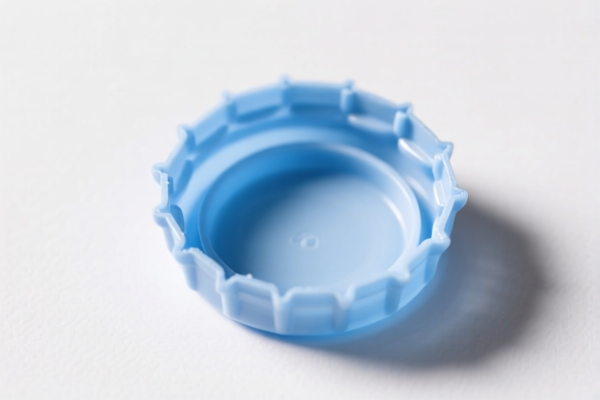
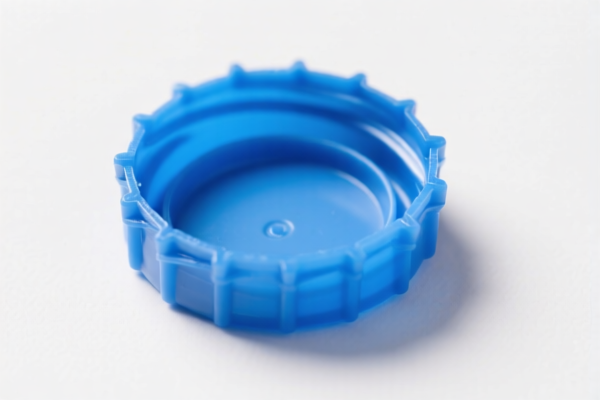
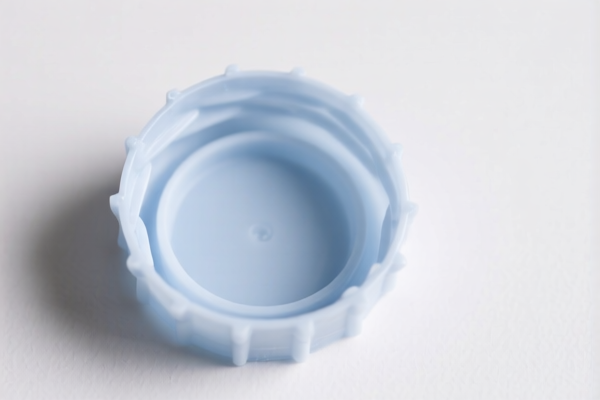
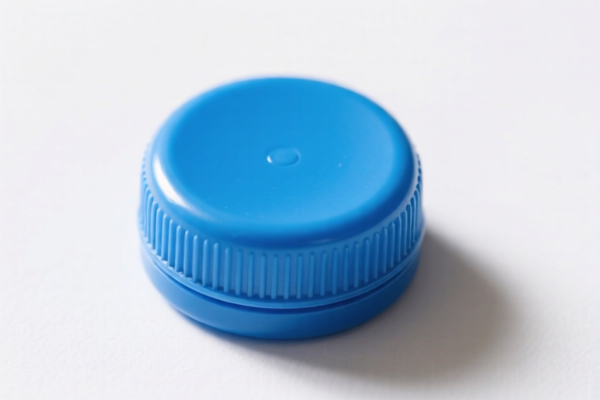
AI Analysis
🧢 Plastic Pipe Cap (Plastic Pipe End Cap)
🌐 HS Code Reference & Customs Clearance Guide | 2026 Latest Tariff Analysis | Professional Compliance Strategy
📌 I. Product Definition & Classification: What Exactly Is a "Plastic Pipe Cap"?
A Plastic Pipe Cap is a critical piping component used to seal the open end of a pipe, preventing the entry of debris, water, or air, and containing internal pressure. In international trade, these are classified based on their material composition and functional role within the piping system.
1. Plastic Pipe Fittings (General):
Standard caps made from polyethylene (PE), polypropylene (PP), PVC, or ABS that serve as generic pipe accessories.
2. Other Plastic Accessories:
Caps that do not fit standard fitting definitions but still function as plastic pipe components.
⚠️ Key Distinction:
- If it is a standard plastic fitting designed to connect or seal pipes →归入 3917.40.00.50
- If it is categorized broadly as a plastic accessory without specific fitting classification →归入 3917.40.00.95
📦 II. HS Code Classification Details (2026 Latest Tariff Authority Comparison)
| HS Code | Product Description | Applicable Scenario | Material/Function |
|---|---|---|---|
3917.40.00.50 |
Plastic Pipe Caps, classified as Plastic Pipe Fittings | Standard PE/PP/PVC caps for water/gas pipes; matches shape and usage of fittings | ✅ Plastic Pipe Fitting |
3917.40.00.95 |
Plastic Pipe Caps, classified as Other Plastic Accessories | Generic plastic caps, non-standard shapes, or specialized plastic pipe components | ✅ Other Plastic Accessory |
🔍 Key Reminder:
- Both codes fall under Chapter 39 (Plastics) and Heading 3917 (Pipes and Tubes).
- The difference lies in the specificity:50is for standard fittings;95is the "basket" code for other plastic pipe accessories.
- Do NOT mix with metal caps (see below).
💰 III. 2026 Latest Tariff Rate Breakdown (Including Surcharges & Policy Add-ons)
✅ Applicable Country: United States (US)
✅ Country of Origin: China (CN)
✅ Effective Time: From November 10, 2025 (and subsequent imports)
🎯 1. 3917.40.00.50 —— Plastic Pipe Caps (Plastic Pipe Fittings)
| Item | Content |
|---|---|
| Base Tariff | 5.3% (ad valorem) |
| Section 301 Surcharge | +25.0% |
| Section 122 Tariff | +10.0% |
| Total Tariff Rate | 40.3% |
| Tax Calculation | CIF Value × 40.3% |
| De Minimis Eligibility | ❌ Not Eligible (deny_de_minimis) |
| Legal Basis Path | USITC:3917.40.00.50 → Section 301: +25% → Section 122: +10% |
📌 Explanation:
- Base Tariff (5.3%): Standard MFN rate for plastic pipes/fittings.
- Section 301 (25%): U.S. trade remedy tariff on Chinese plastic products.
- Section 122 (10%): Additional tariff under Section 122 of the Trade Expansion Act (often applied to steel/aluminum, but in this dataset, it is explicitly listed for this HS code).
- Total 40.3%: A high tariff burden. Must be factored into cost models.
🎯 2. 3917.40.00.95 —— Plastic Pipe Caps (Other Plastic Accessories)
| Item | Content |
|---|---|
| Base Tariff | 5.3% (ad valorem) |
| Section 301 Surcharge | +25.0% |
| Section 122 Tariff | +10.0% |
| Total Tariff Rate | 40.3% |
| Tax Calculation | CIF Value × 40.3% |
| De Minimis Eligibility | ❌ Not Eligible (deny_de_minimis) |
| Legal Basis Path | USITC:3917.40.00.95 → Section 301: +25% → Section 122: +10% |
📌 Note:
- Identical tariff structure to3917.40.00.50.
- Regardless of whether it is classified as a "fitting" or "other accessory," the total tax burden remains 40.3% for Chinese-origin goods.
🛠️ IV. Customs Clearance Practical Advice (Real-World Pitfall Avoidance Guide)
✅ 1. Document Checklist (Indispensable)
| Document | Required | Explanation |
|---|---|---|
| ✅ Product Specification Sheet | ✔️ | Material (PP/PE/PVC), Diameter, Pressure Rating, Standard (ASTM/ISO) |
| ✅ Product Photos (Labeled) | ✔️ | Clear view of shape, thread (if any), and branding |
| ✅ Commercial Invoice | ✔️ | Explicitly state "Plastic Pipe Cap" and Country of Origin: China |
| ✅ Packing List | ✔️ | Weight, dimensions, and quantity |
| ✅ Certificate of Origin (CO) | ✔️ | To prove origin; if non-Chinese, may reduce tariffs |
✅ 2. Declaration Tips (Key Mantras)
🔥 “Be Specific on Material, Clear on Function, Avoid Ambiguity!”
| Situation | Correct Declaration | Incorrect Action |
|---|---|---|
| Standard Plastic Cap | 3917.40.00.50 (Plastic Pipe Fitting) |
Vague term "Plastic Plug" → Risk of reclassification |
| Non-Standard Plastic Accessory | 3917.40.00.95 (Other Plastic Accessory) |
Mislabeling as metal or rubber |
| Mixed Shipment (Plastic + Metal) | Separate Declaration | Combined HS Code → 89.3% or higher |
✅ 3. Special Handling Scenarios
| Situation | Handling Advice |
|---|---|
| OEM Custom Caps | Provide design drawings to confirm shape/function; avoid generic terms |
| Large Diameter Caps (>12") | Ensure documentation specifies industrial use; may require engineering data |
| Material Change (Plastic to Metal) | CRITICAL: Do not declare metal caps as plastic. Metal caps have 88-89%+ tariffs (see below) |
🌍 V. Global Market Clearance Comparison (2026 Latest)
| Country/Region | Recommended HS Code | Tariff (China Origin) | Certification Requirements | Notes |
|---|---|---|---|---|
| 🇺🇸 USA | 3917.40.00.50 / .95 |
40.3% | FDA (if for drinking water) | High tariff due to Section 301 & 122 |
| 🇨🇳 China | 3917.40.00.50 |
~5-10% | CCC (if applicable) | Lower domestic tariff |
| 🇪🇺 EU | 3917.21.00 |
~4-6% | REACH | No Section 122 equivalent |
| 🇦🇺 Australia | 3917.21.00 |
~5% | GEMS | No high surcharges |
📌 Conclusion:
- The US market imposes a massive 40.3% tariff on plastic pipe caps from China.
- Competitors from Vietnam, Mexico, or EU face significantly lower costs.
- Cost-saving Strategy: Consider sourcing from non-Chinese origins or applying for Exclusions if eligible.
📌 VI. Common Errors & Pitfalls (Blood & Tears Lessons)
❌ Error 1: Declaring Metal Pipe Caps (Steel/Copper) as Plastic
👉 Consequence: Tariff jumps to 88-89.3% (see below) → Massive Penalty!
❌ Error 2: Using Vague Terms like "Plastic Plug"
👉 Consequence: Customs may reclassify to higher-tariff or restricted categories → Delay or Seizure
❌ Error 3: Ignoring Section 122 Surcharge
👉 Consequence: Underpayment by 10% → Back Taxes + Interest
✅ Correct Declaration Example:
"Plastic Pipe Cap, Material: Polyethylene (PE), Diameter: 2", Standard: ASTM D2513, Country of Origin: China, HTS: 3917.40.00.50"
🎯 VII. Conclusion: Precision in Classification Saves Money!
🎯 Remember the Mantra:
🔹 "Plastic Caps: 40.3% Total Tax"
🔹 "Metal Caps: 88-89% Total Tax"
🔹 "Don't Mix Materials! Separate Declarations are Key!"📌 Tip:
If your plastic pipe caps are originating from Vietnam, Thailand, or Mexico, you may qualify for lower tariffs under free trade agreements.
Apply for Advance Rulings to confirm HS Code and avoid surprise duties.
📣 Immediate Action:
📞 Consult a Licensed Customs Broker + Provide Product Photos + Request HS Code Advance Ruling
🚀 Ensure Smooth Clearance, Maximize Profit Margins, Avoid Surprises!
✨ Professional Clearance Starts with Accurate Classification!
💼 Every Percent Matters in International Trade!
Customer Reviews
About HS Code Classification
The Harmonized System (HS) is an internationally standardized nomenclature developed by the World Customs Organization (WCO) to classify traded products. Over 200 countries use the HS system as the basis for customs tariffs, trade statistics, and import/export regulations.
Each HS code follows a hierarchical structure:
- Chapter (2 digits) — Broad category of goods (e.g., Chapter 84: Machinery and Mechanical Appliances)
- Heading (4 digits) — More specific grouping within the chapter
- Subheading (6 digits) — Internationally standardized breakdown, used by all WCO member countries
- National subdivisions (8-10 digits) — Country-specific extensions for further classification, such as US HTSUS 10-digit codes
Correct HS code classification is essential for smooth customs clearance, accurate duty payment, and compliance with trade regulations. Misclassification can lead to customs delays, overpayment of duties, or penalties.
When importing from CN to US, the applicable tariff rates may include:
- Most-Favored-Nation (MFN) rate — The standard duty rate applied to WTO members
- General rate — Applied to countries without trade agreements
- Trade remedy duties — Additional tariffs such as Section 301 (anti-dumping), Section 232 (national security), or countervailing duties
The information provided on this page is for reference purposes only. For official classification, please consult with your local customs authority or a licensed customs broker.