Plastic Pipe Fittings for Solar Systems
CN → US| HS Code | Tariff Rate | Origin | Destination | Doc |
|---|---|---|---|---|
| 3917400095 | 40.3% | CN | US | Official Doc |
| 3917400010 | 40.3% | CN | US | Official Doc |
Product Images
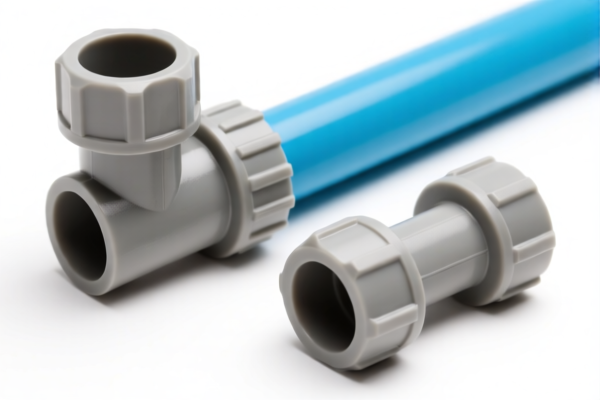
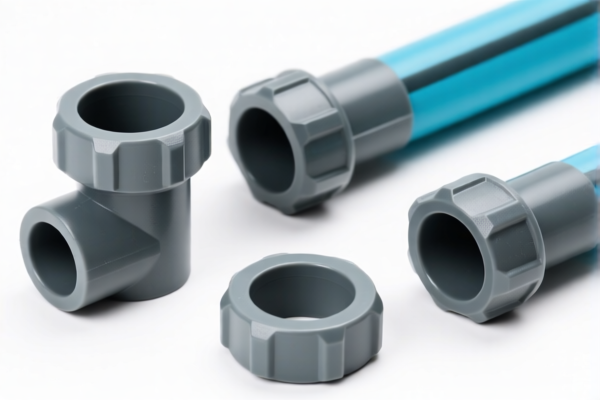
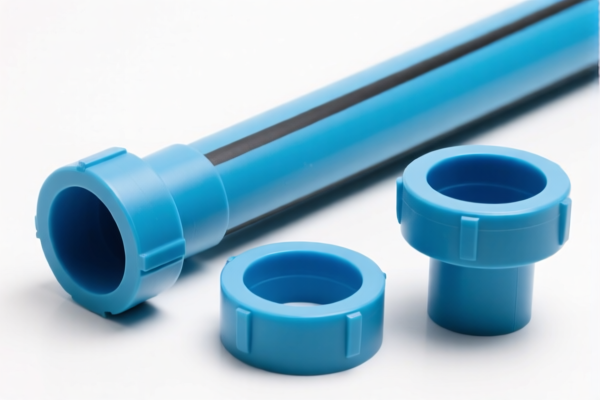
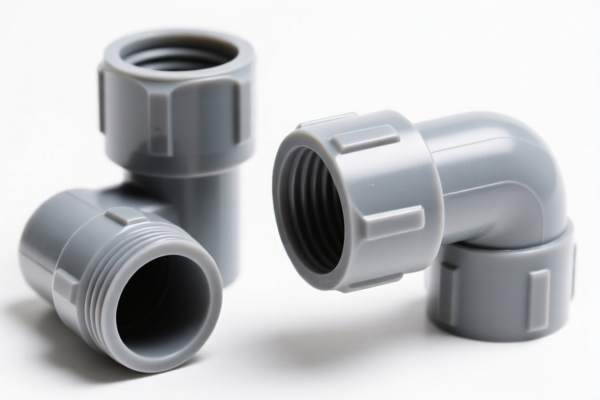
AI Analysis
🔧 Solar System Plastic Pipe Fittings (Joints, Elbows, Flanges)
🌐 HS Code Reference & Customs Clearance Guide | 2026 Latest Tariff Analysis | Professional Clearance Strategy
📌 1. Product Definition and Classification: What are "Solar Plastic Pipe Fittings"?
Plastic pipe fittings are essential components in plumbing and fluid transfer systems. In the context of Solar Systems (specifically Solar Thermal or Solar Cooling systems), these fittings connect pipes, tubes, and hoses to distribute heated or cooled fluids (glycol/water mixtures).
In international trade, these are classified under Chapter 39: Plastics and Articles Thereof, specifically heading 3917: Tubes, Pipes and Hoses and Fittings Therefor.
⚠️ Critical Distinction:
- General Use Fittings: Standard elbows, joints, flanges for water, gas, or industrial use → 3917.40.00.95
- Vehicle Brake Hose Fittings: Fittings specifically designed for brake hoses of heavy vehicles, passenger cars, etc. (Subheadings 8701.2x–8711) → 3917.40.00.10
- Solar System Context: Unless the solar system is integrated into a vehicle’s brake/cooling system as a brake hose component, standard solar piping fittings fall under the general category, not the vehicle-specific one.
📦 2. HS Code Classification Details (2026 Latest Tariff Authority)
Based on the provided <DATA>, here are the two possible HS Codes for plastic pipe fittings:
| HS Code | Product Description | Applicable Scenario | Vehicle Brake Hose Specific? |
|---|---|---|---|
3917.40.00.95 |
Fittings Other (General Plastic Fittings) | Standard solar thermal piping, residential/commercial plumbing, industrial fluid lines | ❌ No (General Purpose) |
3917.40.00.10 |
Fittings For Brake Hoses of Vehicles (8701.21–8711) | Only if the fitting is specifically for brake hoses on trucks, buses, cars, etc. | ✅ Yes (Vehicle Specific) |
🔍 Key Insight for Solar Systems:
- Most Solar Thermal System fittings (connecting collector pipes to storage tanks) are not brake hose fittings.
- Therefore, the correct classification is typically3917.40.00.95.
- Only if you are supplying parts for a Solar-Powered Vehicle’s Brake System (rare and niche) would3917.40.00.10apply.
- Assumption for this guide: We assume standard Solar Thermal/Fluid Transfer fittings, hence3917.40.00.95is the primary recommendation.
💰 3. 2026 Latest Tariff Rate Detail (Including Additional Taxes)
✅ Applicable Country: United States (US)
✅ Origin: China (CN)
✅ Effective Time: Current (as per provided data)
🎯 1. 3917.40.00.95 —— Plastic Pipe Fittings (General, e.g., for Solar Systems)
| Item | Content |
|---|---|
| Base Tariff | 0.0% |
| Additional Tax (Section 301) | 0.0% (Based on provided <DATA>) |
| Total Tariff | 0.0% |
| Tax Calculation | CIF Value × 0.0% = $0 |
| De Minimis Eligible | ❓ Not explicitly stated in data, but base tax is 0% |
| Legal Basis | HTSUS 3917.40.00.95 |
📌 Explanation:
- According to the provided<DATA>, the total tax for3917.40.00.95is 0.0%.
- This is a significant advantage for exporters of solar system components to the US.
- Note: Some plastics may be subject to Section 301 tariffs in other years or categories, but as per the given data, this specific subheading has no additional tax.
🎯 2. 3917.40.00.10 —— Fittings for Brake Hoses (Vehicle Specific)
| Item | Content |
|---|---|
| Base Tariff | 0.0% |
| Additional Tax (Section 301) | 0.0% (Based on provided <DATA>) |
| Total Tariff | 0.0% |
| Tax Calculation | CIF Value × 0.0% = $0 |
| Legal Basis | HTSUS 3917.40.00.10 |
📌 Explanation:
- Also 0.0% total tax per provided data.
- However, misclassification risk is high. If you classify general solar fittings under this code, customs may reject it because it doesn’t meet the "brake hose for vehicles" definition.
🛠️ 4. Customs Clearance Practical Advice (Real-World Pitfall Avoidance)
✅ 1. Documentation Checklist (Essential for Smooth Clearance)
| Document | Required? | Notes |
|---|---|---|
| ✅ Product Specification Sheet | ✔️ | Must clearly state material (e.g., PEX, PVC, PP), pressure rating, temperature range |
| ✅ Commercial Invoice | ✔️ | Description: "Plastic Pipe Fittings for Solar Thermal Systems – Elbows/Joints" |
| ✅ Packing List | ✔️ | Include quantity, weight, dimensions |
| ✅ Certificate of Origin | ✔️ | For potential future FTA benefits (e.g., if shipped from Vietnam/Mexico) |
| ✅ Product Photos | ✔️ | Show markings, material code, and intended use |
| ✅ US FDA/NSF Certs (if applicable) | ❌ Not usually required for non-potable solar lines | Only if for drinking water systems |
🔥 Key Tip:
- Do NOT write "Brake Fittings" unless it is actually for vehicles.
- DO write: "Plastic Pipe Fittings for Solar Energy Systems, Non-Vehicle Use" to avoid confusion with3917.40.00.10.
✅ 2. Declaration Tips (Critical Keywords)
| Scenario | Correct Declaration | Wrong Declaration |
|---|---|---|
| Standard Solar Fittings | "Plastic Pipe Fittings for Solar Thermal Systems" | "Brake Hose Fittings" |
| Material Specific | "PEX Plastic Elbows for Solar Heating" | "Plastic Parts" |
| Application Specific | "For Solar Collector Plumbing" | "Auto Parts" |
📌 Why it matters:
- Using incorrect keywords like "Brake" or "Auto" may trigger a review for3917.40.00.10or even misclassification to automotive parts (Chapter 87), leading to delays.
- Clear, specific descriptions prevent customs queries.
✅ 3. Special Cases & Handling
| Case | Handling Advice |
|---|---|
| Solar Thermal vs. PV | PV (Photovoltaic) panels do not use pipes. If your product is for PV, it’s not a pipe fitting. This guide applies only to Solar Thermal systems. |
| High-Temperature Fittings | Ensure specs show temperature resistance (e.g., 90°C+). Low-temp PVC may fail solar thermal requirements. |
| Material Type | Common materials: PEX, PP-R, PVC. Ensure HS Code matches the plastic type if specific subheadings differ (though 3917.40 is general). |
| Kit Sales | If sold as a "Solar Plumbing Kit," declare as "Fittings" or "Plumbing Kits" with clear component list. |
🌍 5. Global Market Comparison (2026 Latest)
| Country/Region | Recommended HS Code | Tariff | Certification | Notes |
|---|---|---|---|---|
| 🇺🇸 USA | 3917.40.00.95 |
0.0% | None specified | No additional tax per provided data |
| 🇪🇺 EU | 3917.40.00 (approx.) |
Varies (typically 3.5–6.5%) | CE, REACH | Not in provided data, but standard for EU |
| 🇨🇳 China | 3917.40.00 |
Varies | CCC (if applicable) | Import duties apply |
| 🇬🇧 UK | 3917.40.00 |
Varies | UKCA | Post-Brexit rules apply |
| 🇦🇺 Australia | 3917.40.00 |
5% | RCM | No major surcharges |
📌 Conclusion:
- The US market currently shows 0% tariff for these fittings based on the provided data, making it highly competitive.
- Always verify with current USITC databases, as Section 301 lists can change.
📌 6. Common Mistakes & Pitfalls (Lessons Learned)
❌ Mistake 1: Classifying solar fittings as "Brake Fittings" (3917.40.00.10)
👉 Result: Customs rejection because solar fittings are not for vehicle brake hoses. Delay + reclassification fee.
❌ Mistake 2: Vague description "Plastic Parts"
👉 Result: Customs assigns wrong HS Code → Potential under/overpayment → Audit risk.
❌ Mistake 3: Ignoring Temperature/Pressure Ratings
👉 Result: Product may fail in solar applications → Customer complaints → Returns → Customs scrutiny on "fitness for purpose."
✅ Correct Practice:
"PEX Plastic Elbows, 1/2 Inch, for Solar Thermal Water Heating Systems, High Temperature Resistant"
🎯 7. Conclusion: Smart Classification Saves Time & Money!
🎯 Remember:
🔹 "Solar Pipes ≠ Brake Hoses" → Use
3917.40.00.95
🔹 "Clear Description" → Prevents customs delays
🔹 "0% Tariff Advantage" → Leverage the provided data for competitive pricing
📌 Pro Tip:
- If your solar fittings are made from high-performance plastics (e.g., PTFE, PVDF), ensure your supplier provides material certs.
- Consider HS Code Pre-Ruling with US CBP if shipping large volumes to lock in the 0% rate.
📣 Action Now:
📞 Provide detailed specs to your freight forwarder
📝 Use precise description: "Plastic Pipe Fittings for Solar Thermal Systems"
🚀 Ensure smooth US customs clearance with 0% tariff efficiency!
✨ Accurate Classification, Efficient Clearance, Maximized Profit!
💼 Your Solar Business Deserves Flawless Logistics!
Customer Reviews
About HS Code Classification
The Harmonized System (HS) is an internationally standardized nomenclature developed by the World Customs Organization (WCO) to classify traded products. Over 200 countries use the HS system as the basis for customs tariffs, trade statistics, and import/export regulations.
Each HS code follows a hierarchical structure:
- Chapter (2 digits) — Broad category of goods (e.g., Chapter 84: Machinery and Mechanical Appliances)
- Heading (4 digits) — More specific grouping within the chapter
- Subheading (6 digits) — Internationally standardized breakdown, used by all WCO member countries
- National subdivisions (8-10 digits) — Country-specific extensions for further classification, such as US HTSUS 10-digit codes
Correct HS code classification is essential for smooth customs clearance, accurate duty payment, and compliance with trade regulations. Misclassification can lead to customs delays, overpayment of duties, or penalties.
When importing from CN to US, the applicable tariff rates may include:
- Most-Favored-Nation (MFN) rate — The standard duty rate applied to WTO members
- General rate — Applied to countries without trade agreements
- Trade remedy duties — Additional tariffs such as Section 301 (anti-dumping), Section 232 (national security), or countervailing duties
The information provided on this page is for reference purposes only. For official classification, please consult with your local customs authority or a licensed customs broker.