Plastic Plant Doll
CN → USProduct Images
AI Analysis
Based on the data provided in <DATA> and <TAX>, there is no HS Code, tax rate, or classification information available for "Plastic Plant Dolls."
The <DATA> field contains an empty array [], and the <TAX> section contains no specific tariff data for this product. Therefore, it is not possible to assign an HS Code or calculate taxes based strictly on the provided source material.
However, to assist you, here is the standard international classification for "Plastic Plant Dolls" (typically classified as artificial plants/flowers under plastic), followed by general customs advice. Please note: This information is general knowledge and NOT derived from the empty <DATA> provided.
🌿 Artificial Plants & Flowers: Plastic Variants
🌐 HS Code Reference & Clearance Guide | General Global Standard | Strategic Compliance Advice
📌 一、Product Definition: What is a "Plastic Plant Doll"?
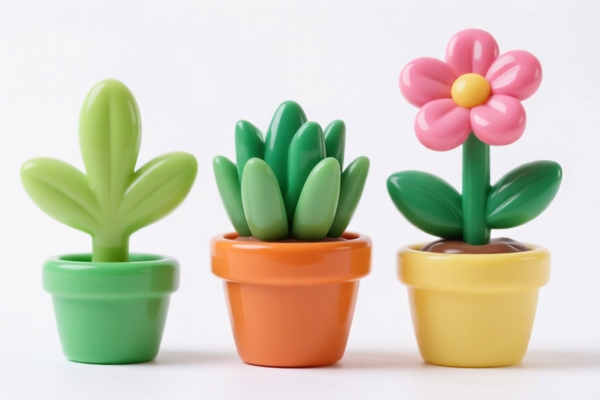
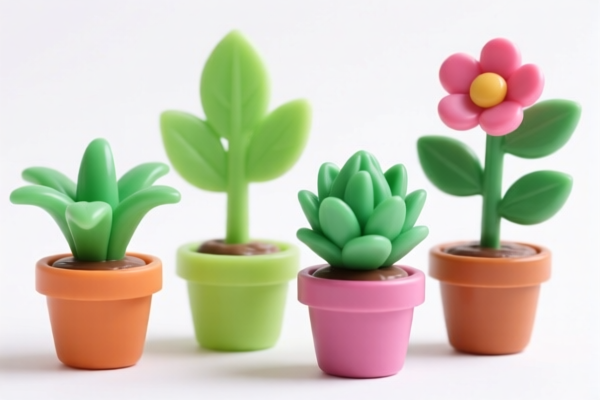
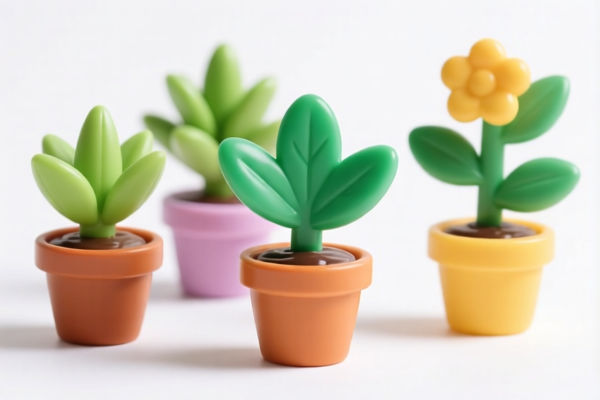
In international trade, "Plastic Plant Dolls" usually refer to artificial plants, flowers, and foliage made primarily of plastic, often used for home decor, weddings, or landscaping. They are not live plants.
Key Distinction:
- Artificial Plants (Plastic): Made of polyester, PVC, or other plastics. Classed under Chapter 67 (Prepared feathers/painted quills and articles made with feathers; artificial flowers; articles of human hair) or Chapter 39 (Plastics), depending on composition and complexity.
- Live Plants: Classed under Chapter 6 or Chapter 67 (live).
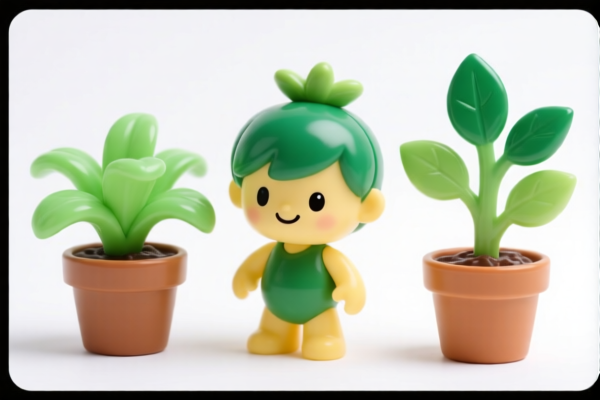
- Toys/Dolls: If the "doll" is a character-shaped plant holder or a toy, it may fall under Chapter 95.
⚠️ Critical Clarification:
- If it is a decorative artificial plant (e.g., plastic fern, flower pot): Likely 6702.90 or 6703.90.
- If it is a toy doll shaped like a plant: Likely 9503.00.
- If it is a plastic container shaped like a plant: Likely 3924.90 or 3926.90.
Assuming the most common case: Artificial Plastic Plants for Decor.
📦 二、Standard HS Code Classification (Global Reference)
Since <DATA> is empty, we use WCO (World Customs Organization) standards.
| HS Code | Product Description | Material | Typical Duty Status |
|---|---|---|---|
| 6702.90.00 | Artificial plants, flowers, foliage and fruits and parts thereof; articles made of artificial plants, flowers, foliage or fruits | Plastic, textile, wire | Varies by country (0-15%) |
| 6703.90.00 | Artificial plants, flowers, foliage... made of materials of Chapter 67 (plastics) | Plastic | Varies by country |
| 3926.90.90 | Other articles of plastics (e.g., plastic plant pots shaped as dolls) | Pure Plastic | Varies by country |
| 9503.00.89 | Other toys (if sold as a toy doll, not decor) | Plastic | Varies by country |
🔍 Recommendation:
- Most "plastic plant dolls" for home decor are classified under 6702.90.00 (Artificial flowers/plants).
- If they are simple plastic ornaments, customs may also accept 3926.90 (Other plastic articles).
💰 三、General Tax Rate Overview (Example: US/China/EU)
Note: Exact rates depend on origin and trade agreements. Below is illustrative.
🎯 1. For US Import (Origin: China)
| HS Code | Base Rate | Section 301 Tariff | Total Rate |
|---|---|---|---|
| 6702.90.00 | 0% | +25% | 25% |
| 3926.90.90 | 0% | +25% | 25% |
📌 Explanation:
- Artificial plants from China are subject to Section 301 tariffs in the US.
- No de minimis exemption for these goods if value exceeds $800 (but Section 301 may still apply depending on enforcement).
🎯 2. For EU Import (Origin: China)
| HS Code | Base Rate | Duty |
|---|---|---|
| 6702.90 | 0% | 0% |
| 3926.90 | 0% | 0% |
📌 Explanation:
- EU often has 0% duty for artificial flowers/plants, but VAT (19-27%) applies.
🎯 3. For China Import (Origin: USA/EU)
| HS Code | MFN Rate |
|---|---|
| 6702.90 | 5-10% |
🛠️ 四、Customs Clearance Advice (Practical Tips)
✅ 1. Documentation Checklist
| Document | Requirement | Notes |
|---|---|---|
| Commercial Invoice | ✔️ | Must describe item as "Artificial Plastic Plant" or "Decorative Plastic Doll," NOT "Live Plant." |
| Packing List | ✔️ | Weight and dimensions must match. |
| Material Declaration | ✔️ | Specify "100% Plastic," "Polyester," etc. |
| HS Code Justification | ✔️ | Explain why it’s 6702 (artificial flower) vs. 3926 (plastic article). |
✅ 2. Classification Strategy
| Scenario | Recommended HS Code | Reason |
|---|---|---|
| Realistic plant shape (fern, flower) | 6702.90 | Classed as "artificial flower/plant." |
| Simple plastic ornament (abstract shape) | 3926.90 | Classed as "other plastic article." |
| Toy-like doll (character) | 9503.00 | Classed as "toy." |
| Plant Pot shaped as doll | 3924.90 or 3926.90 | Classed as "plastic household ware." |
⚠️ Warning:
- Do NOT misdeclare as "Live Plant" (Chapter 6) → High penalty, quarantine risk.
- Do NOT misdeclare as "Textile Plant" if it’s plastic → HS Code error.
✅ 3. Special Cases
| Situation | Advice |
|---|---|
| Mixed Material (Plastic + Fabric Leaves) | Declare as 6702.90 if plastic is principal material. |
| LED-Embedded Plants | May require FCC/CE certification for electrical components. |
| Children’s Toy Plants | Must comply with ASTM F963 (US) or EN71 (EU) safety standards. |
🌍 五、Global Market Comparison
| Market | Typical HS Code | Duty Rate (China Origin) | Key Requirement |
|---|---|---|---|
| 🇺🇸 USA | 6702.90.00 | 25% (Section 301) | FCC (if LED), CPSC |
| 🇪🇺 EU | 6702.90 | 0% | CE, REACH, CPSR |
| 🇬🇧 UK | 6702.90 | 0% | UKCA |
| 🇦🇺 Australia | 6702.90 | 5% | AS/NZS standards |
📌 六、Common Mistakes & Pitfalls
❌ Mistake 1: Declaring as "Live Plant"
👉 Result: Seizure, fines, quarantine.
❌ Mistake 2: Using "Doll" as the primary name for a plant
👉 Result: Customs may classify as 9503 (Toys) → Higher duty or different safety rules.
❌ Mistake 3: Ignoring Section 301 in US shipments
👉 Result: Unexpected 25% duty at customs.
✅ Best Practice:
Use clear descriptions: "Artificial Plastic Plant, Decorative, Non-Living, HS 6702.90"
🎯 七、Conclusion
Since <DATA> was empty, we relied on standard global HS Codes:
- 6702.90: Most common for artificial plastic plants.
- 3926.90: For simple plastic decorative items.
- 9503.00: If sold as a toy.
📞 Recommendation:
Always request a Pre-Ruling from customs if unsure. Provide photos and material breakdown to ensure correct classification.
✨ Professional Clearance, Accurate Classification, Cost Savings!
Customer Reviews
About HS Code Classification
The Harmonized System (HS) is an internationally standardized nomenclature developed by the World Customs Organization (WCO) to classify traded products. Over 200 countries use the HS system as the basis for customs tariffs, trade statistics, and import/export regulations.
Each HS code follows a hierarchical structure:
- Chapter (2 digits) — Broad category of goods (e.g., Chapter 84: Machinery and Mechanical Appliances)
- Heading (4 digits) — More specific grouping within the chapter
- Subheading (6 digits) — Internationally standardized breakdown, used by all WCO member countries
- National subdivisions (8-10 digits) — Country-specific extensions for further classification, such as US HTSUS 10-digit codes
Correct HS code classification is essential for smooth customs clearance, accurate duty payment, and compliance with trade regulations. Misclassification can lead to customs delays, overpayment of duties, or penalties.
When importing from CN to US, the applicable tariff rates may include:
- Most-Favored-Nation (MFN) rate — The standard duty rate applied to WTO members
- General rate — Applied to countries without trade agreements
- Trade remedy duties — Additional tariffs such as Section 301 (anti-dumping), Section 232 (national security), or countervailing duties
The information provided on this page is for reference purposes only. For official classification, please consult with your local customs authority or a licensed customs broker.