Plastic Profiles for Furniture Accessories
CN → US| HS Code | Tariff Rate | Origin | Destination | Doc |
|---|---|---|---|---|
| 9403994080 | 35.0% | CN | US | Official Doc |
| 3926305000 | 22.8% | CN | US | Official Doc |
| 3926301000 | 24.0% | CN | US | Official Doc |
| 9403993080 | 35.0% | CN | US | Official Doc |
Product Images
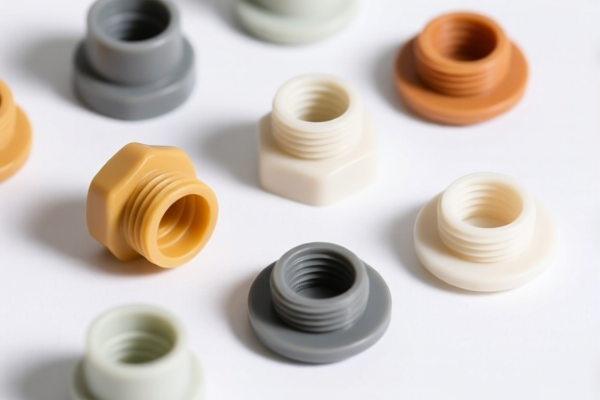
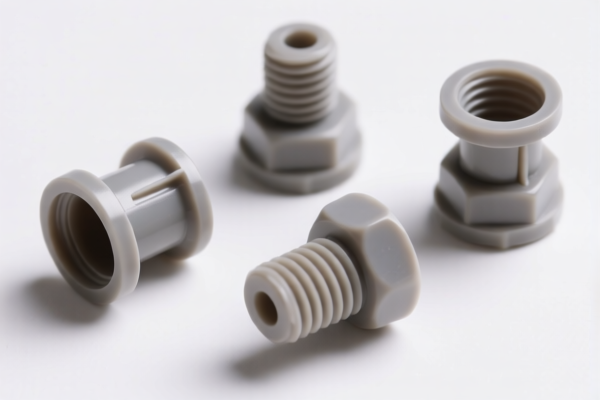
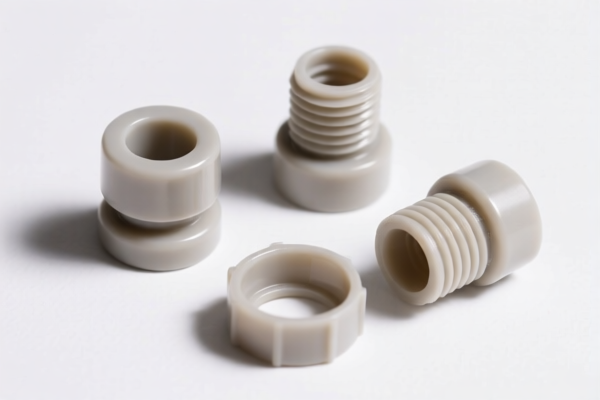
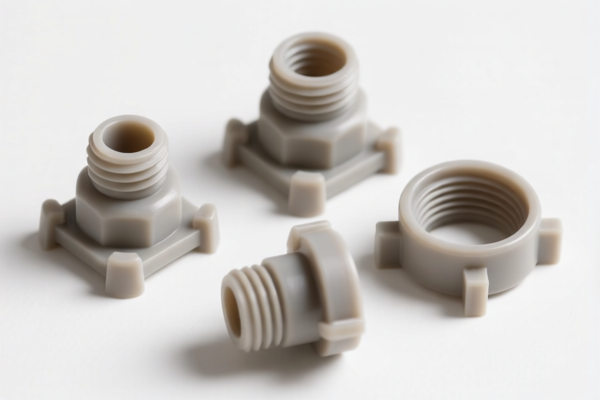
AI Analysis
🪑 Plastic Profiles for Furniture Accessories
🌐 HS Code Reference & Customs Clearance Guide | 2026 Latest Tariff Full Analysis | Professional Level Clearance Strategy
📌 I. Product Definition & Classification: What Exactly Are "Plastic Profiles"?
Plastic profiles for furniture accessories are non-structural components made primarily of plastic materials (such as PVC, ABS, PP, or PE). They serve as connectors, edge bands, trim, supports, or decorative elements for furniture assembly. In international trade, the classification depends heavily on whether they are viewed as parts of furniture or general plastic articles.
⚠️ Key Distinction Point:
- If classified under Chapter 94 (Furniture): Treated as "Parts of Furniture" → Higher Tariff Burden due to specific 301/IEEPA listings for furniture parts.
- If classified under Chapter 39 (Plastics): Treated as "Other Articles of Plastic" → Moderate Tariff Burden, but still subject to additional duties.
📦 II. HS Code Classification Details (2026 Latest Tariff Authoritative Comparison)
Based on the provided data, here are the four potential HS Code classifications and their corresponding tax details.
| HS Code | Product Description | Classification Logic | Total Tax Rate | Tax Breakdown |
|---|---|---|---|---|
| 9403.99.40.80 | Plastic furniture parts, material: plastic, form: accessories, use: other furniture | Classified as "Other Parts of Furniture". This category typically falls under "Furniture Parts" which often attracts higher base duties for certain origins. | 35.0% | Base Duty: 0.0% + Add'l Duty: 25.0% + Section 122 Duty: 10% |
| 3926.30.50.00 | Plastic furniture parts, material: plastic, use: furniture parts, matches plastic articles & connectors category | Classified as "Other Articles of Plastic". This view emphasizes the material (plastic) over the end-use (furniture). | 22.8% | Base Duty: 5.3% + Add'l Duty: 7.5% + Section 122 Duty: 10% |
| 3926.30.10.00 | Plastic furniture parts, material: plastic, use: furniture parts, fits definition of plastic articles & household utensils/accessories | Classified as "Household Articles of Plastic". Similar to above, but under a different sub-heading for plastic household items. | 24.0% | Base Duty: 6.5% + Add'l Duty: 7.5% + Section 122 Duty: 10% |
| 9403.99.30.80 | Plastic furniture parts, material: plastic, use: furniture parts, fits default tendency for parts category | Classified as "Other Parts of Furniture". Default fallback for furniture parts not specifically listed elsewhere. | 35.0% | Base Duty: 0.0% + Add'l Duty: 25.0% + Section 122 Duty: 10% |
🔍 Key Insight:
- The HS Code choice directly impacts your cost by 10-12.2% (22.8% vs. 35.0%).
- Chapter 94 codes (9403.99.x) carry a 25% Add'l Duty (likely Section 301 or similar trade remedy).
- Chapter 39 codes (3926.30.x) carry a much lower 7.5% Add'l Duty.
- Section 122 Duty (10%) applies to ALL four options listed in the data.
💰 III. 2026 Latest Tariff Rate Detail (Including Additional Taxes & Policy Add-ons)
✅ Applicable Country: USA (US)
✅ Origin: China (CN) (Assumed based on "Section 122" and high additional duties typical of US-China trade)
✅ Effective Time: 2025-2026 Period
🎯 1. 9403.99.40.80 / 9403.99.30.80 —— Parts of Furniture (High Tariff Path)
| Item | Content |
|---|---|
| Base Duty | 0.0% (ad valorem) |
| Add'l Duty (Trade Remedy) | +25.0% (Likely Section 301 or similar furniture-specific tariff) |
| Section 122 Duty | +10.0% (Specific statutory provision) |
| Total Rate | 35.0% |
| Tax Calculation | CIF Value × 35% |
| De Minimis Exemption | ❌ Not Applicable (Most likely denied for high-value or targeted categories) |
| Legal Basis | HTSUS 9403.99 → Footnotes for Add'l Duties → Section 122 Statute |
📌 Explanation:
- The 0% base duty is misleading; the 25% add'l duty is the major cost driver.
- This classification treats the plastic profile as a furniture component, triggering higher trade barriers.
- Total 35% is significantly higher than the plastic alternative.
🎯 2. 3926.30.50.00 —— Other Plastic Articles (Optimal Cost Path)
| Item | Content |
|---|---|
| Base Duty | 5.3% (ad valorem) |
| Add'l Duty (Trade Remedy) | +7.5% (Lower rate for general plastic articles) |
| Section 122 Duty | +10.0% (Statutory provision) |
| Total Rate | 22.8% |
| Tax Calculation | CIF Value × 22.8% |
| De Minimis Exemption | ❌ Likely Denied |
| Legal Basis | HTSUS 3926.30 → Footnotes for Add'l Duties → Section 122 Statute |
📌 Explanation:
- This is the lowest tariff option among the four.
- By classifying as a plastic article rather than a furniture part, the Add'l Duty drops from 25% to 7.5%.
- Savings: 12.2% on the CIF value.
🎯 3. 3926.30.10.00 —— Household Articles of Plastic
| Item | Content |
|---|---|
| Base Duty | 6.5% (ad valorem) |
| Add'l Duty (Trade Remedy) | +7.5% (Same as above) |
| Section 122 Duty | +10.0% (Statutory provision) |
| Total Rate | 24.0% |
| Tax Calculation | CIF Value × 24.0% |
| De Minimis Exemption | ❌ Likely Denied |
| Legal Basis | HTSUS 3926.30 → Footnotes for Add'l Duties → Section 122 Statute |
📌 Explanation:
- Slightly higher than 3926.30.50 due to a higher base duty (6.5% vs 5.3%).
- Still significantly cheaper than Chapter 94 options.
🛠️ IV. Customs Clearance Practical Advice (Avoid Pitfalls Guide)
✅ 1. Documentation Checklist (Missing Any = Delay/Rejection)
| Document | Required? | Notes |
|---|---|---|
| ✅ Product Specification Sheet | ✔️ | Must specify: Material (PVC/ABS/etc.), Dimensions, Color, Usage (Furniture Accessory). |
| ✅ Product Photos | ✔️ | Clear images showing the profile shape, connectors, and any labeling. |
| ✅ Commercial Invoice | ✔️ | Must describe goods as "Plastic Profiles" or "Plastic Furniture Accessories", NOT just "Furniture Parts". |
| ✅ Packing List | ✔️ | Show net/gross weight. |
| ✅ Certificate of Origin | ✔️ | Required to verify origin (China) for add'l duty calculation. |
| ✅ Declaration of Non-Furniture Structural Use | ✔️ | Critical! State that these are non-structural accessories (e.g., edge bands, trim, small connectors) to support Chapter 39 classification. |
✅ 2. Declaration Strategy (Key Mantra)
🔥 "Plastic First, Furniture Second; Chapter 39, Not 94!"
| Scenario | Correct Declaration | Incorrect Declaration |
|---|---|---|
| Plastic Edge Bands/Trim | 3926.30.50.00 (Plastic Articles) |
9403.99.40.80 (Furniture Parts) → High Tax |
| Small Plastic Connectors | 3926.30.50.00 |
9403.99.30.80 → High Tax |
| Large Plastic Furniture Legs | 9403.99.40.80 (If considered furniture parts) |
3926.30.50.00 → Risk of Rejection |
📌 Key Advice:
- Emphasize the material (plastic) and generic form (profile/rod/bar) in the description.
- Avoid using the word "Furniture" as the primary descriptor in the HS Code justification. Use "Plastic Articles" or "Plastic Profiles".
- If the item is a structural part (e.g., a plastic leg that holds the whole table up), Chapter 94 may be required. If it's non-structural (trim, edge, small connector), Chapter 39 is defensible and cheaper.
✅ 3. Special Considerations
| Situation | Recommendation |
|---|---|
| Mixed Shipment | Separate plastic profiles from actual furniture items in the declaration. |
| Customs Audit | Provide evidence that the item is a generic plastic profile that can be used for various purposes, not exclusively for furniture. |
| Section 122 Duty | Note that 10% Section 122 duty applies regardless of HS code choice. No way to avoid it. |
📌 V. Cost Comparison & Recommendation
| HS Code | Description | Total Tax | Cost Impact |
|---|---|---|---|
| 3926.30.50.00 | Plastic Articles (Best Option) | 22.8% | ✅ Lowest Cost |
| 3926.30.10.00 | Household Plastic Articles | 24.0% | ✅ Low Cost |
| 9403.99.40.80 | Furniture Parts (Worst Option) | 35.0% | ❌ Highest Cost (+12.2%) |
| 9403.99.30.80 | Furniture Parts (Default) | 35.0% | ❌ Highest Cost (+12.2%) |
🎯 Recommendation:
- Declare under3926.30.50.00if the plastic profiles are non-structural accessories (edge bands, trim, small connectors).
- This saves 12.2% in total duties compared to Chapter 94 classifications.
- Justification: The primary characteristic is the plastic material, not the furniture end-use.
🎯 VI. Conclusion: Smart Classification Saves Money!
🎯 Remember the Mantra:
🔹 "Plastic Profiles: Chapter 39, Not 94!"
🔹 "Base + Add'l + 122 = Total Tax. Know Your Footnotes!"
🔹 "22.8% vs 35.0%: A 12.2% Difference is Real Money!"
📌 Pro Tip:
- Always pre-classify with a licensed customs broker.
- Provide detailed product photos and material specifications to support Chapter 39 classification.
- Section 122 duty (10%) is unavoidable in this data set, so focus on optimizing the Base + Add'l Duty components.
📣 Immediate Action:
📞 Contact your customs broker with the product specs and request classification under
3926.30.50.00.
🚀 Reduce your landed cost by 12.2% today!
✨ Professional Clearance Starts with Precise Classification!
💼 Every Percentage Point Counts in Global Trade!
Customer Reviews
About HS Code Classification
The Harmonized System (HS) is an internationally standardized nomenclature developed by the World Customs Organization (WCO) to classify traded products. Over 200 countries use the HS system as the basis for customs tariffs, trade statistics, and import/export regulations.
Each HS code follows a hierarchical structure:
- Chapter (2 digits) — Broad category of goods (e.g., Chapter 84: Machinery and Mechanical Appliances)
- Heading (4 digits) — More specific grouping within the chapter
- Subheading (6 digits) — Internationally standardized breakdown, used by all WCO member countries
- National subdivisions (8-10 digits) — Country-specific extensions for further classification, such as US HTSUS 10-digit codes
Correct HS code classification is essential for smooth customs clearance, accurate duty payment, and compliance with trade regulations. Misclassification can lead to customs delays, overpayment of duties, or penalties.
When importing from CN to US, the applicable tariff rates may include:
- Most-Favored-Nation (MFN) rate — The standard duty rate applied to WTO members
- General rate — Applied to countries without trade agreements
- Trade remedy duties — Additional tariffs such as Section 301 (anti-dumping), Section 232 (national security), or countervailing duties
The information provided on this page is for reference purposes only. For official classification, please consult with your local customs authority or a licensed customs broker.