Plastic Religious Art Decoration
CN → US| HS Code | Tariff Rate | Origin | Destination | Doc |
|---|---|---|---|---|
| 3926400010 | 15.3% | CN | US | Official Doc |
| 3926400090 | 15.3% | CN | US | Official Doc |
| 7018105000 | 35.0% | CN | US | Official Doc |
| 9503000073 | 10.0% | CN | US | Official Doc |
| 3926400010 | 15.3% | CN | US | Official Doc |
Product Images
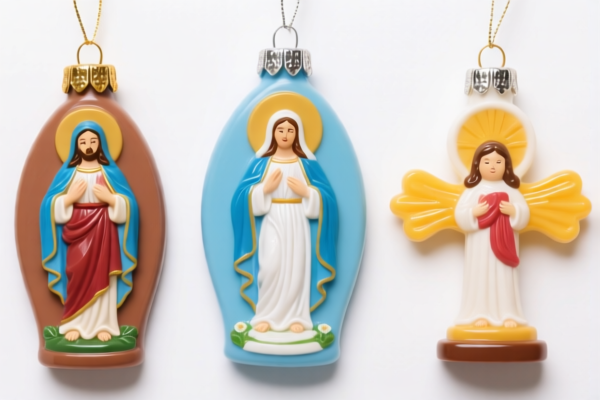
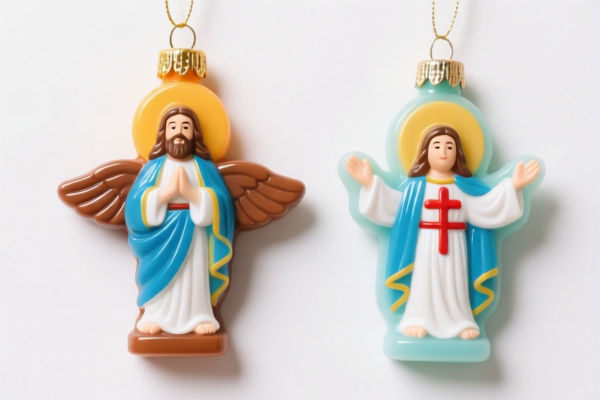
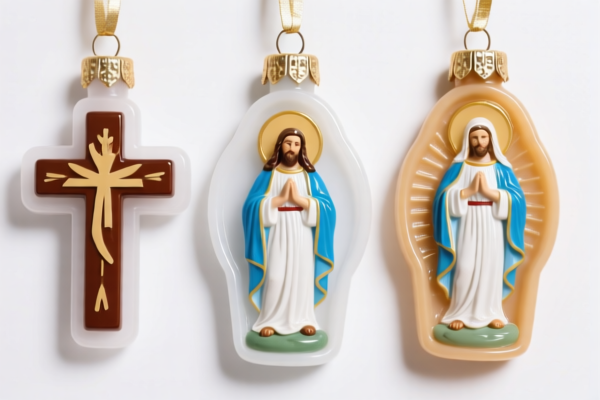
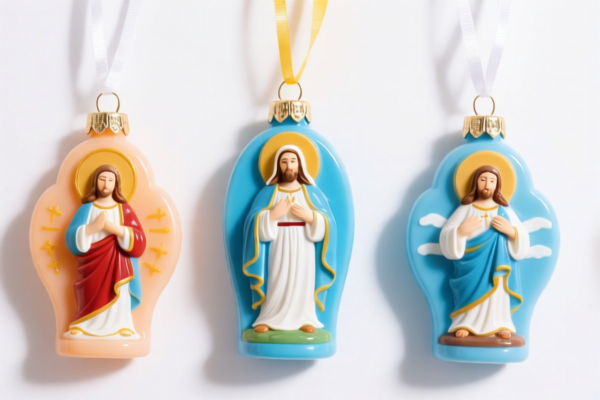
AI Analysis
🛍️ Plastic Religious Art Decoration (Decorative Items)
🌐 HS Code Reference & Customs Clearance Guide | 2026 Latest Tariff Analysis | Professional Customs Strategy
📌 I. Product Definition & Classification: What Are "Plastic Religious Art Decorations"?
"Plastic Religious Art Decorations" typically refer to items made primarily of plastic, designed for decorative purposes, and featuring religious motifs (e.g., statues of deities, crosses, mandalas, or symbolic figures). In international trade, these items are generally classified based on their material (plastic) and primary function (decoration), rather than their spiritual or religious significance, unless they fall specifically under toys or other specialized categories.
⚠️ Key Distinction Point:
- If the item is clearly a statue/ornament made of plastic → It falls under Chapter 39 (Plastics) or Chapter 70 (Glass) if tolerance allows.
- If the item resembles a toy or model (e.g., small figurines for children or collectors) → It may fall under Chapter 95 (Toys).
- Crucial Note: The classification in the provided data shows a mix of interpretations, primarily focusing on Plastic Decorations (3926) and Toys (9503).
📦 II. HS Code Classification Details (2026 Latest Tariff Authority Match)
Based on the provided <DATA>, here are the matched HS Codes, summaries, and tax details. Note that duplicate codes have been merged for clarity, while unique codes are listed separately.
| HS Code | Product Description | Summary / Logic | Total Tax Rate |
|---|---|---|---|
3926.40.00.10 |
Plastic decorative articles (Primary Match) | Matches material (Plastic) and use (Decorations). Classified as decorative articles. | 15.3% |
3926.40.00.90 |
Other plastic decorative articles (Secondary Match) | Matches material (Plastic) and form/use (Decorations) as "other" decorative items. | 15.3% |
7018.10.50.00 |
Non-metal/non-jewelry small articles (Tolerance Match) | Based on material tolerance rules, matches logic for non-metal/non-jewelry small articles. | 35.0% |
9503.00.00.73 |
Plastic cartoon/figurine decorations (Toy Match) | Matches material (Plastic) and form (Cartoon/Character decorations). Classified under Toys/Models. | 10.0% |
🔍 Important Clarification on Duplicates:
The input data contains3926.40.00.10twice. Both instances confirm the classification of plastic decorations. The key difference in logic is slight nuance in "use" vs. "form," but the tax outcome is identical.
💰 III. 2026 Latest Tariff Rate Breakdown (Including Surcharges & Policy Add-ons)
✅ Applicable Country: United States (US)
✅ Origin: China (CN)
✅ Effective Time: Current regulations apply (including 301/122 clause implications)
🎯 1. 3926.40.00.10 & 3926.40.00.90 – Plastic Decorative Articles
These are the most common classifications for standard plastic religious statues or ornamental items.
| Item | Content |
|---|---|
| Base Duty Rate | 5.3% (Ad Valorem) |
| Section 301 Surcharge | 0.0% (Note: Some plastic goods may have been subject to 301, but data shows 0.0% here) |
| Section 122 Tariff | +10.0% (Specific clause applied to this category in the data) |
| Total Tax Rate | 15.3% |
| Tax Calculation | CIF Value × 15.3% |
| De Minimis Exemption? | ❌ No (Typically, duties > $800 may be subject to review, but standard imports pay full duty) |
| Legal Basis Path | USITC:3926.40.00.10 → Section 122: +10% |
📌 Explanation:
- The 5.3% is the standard Most Favored Nation (MFN) duty for plastic articles.
- The 10% is a specific "122 Clause" tariff applied to these items.
- Total 15.3% is moderate but significant. Ensure the product is clearly labeled as "Plastic Decorative Item" to avoid misclassification.
🎯 2. 9503.00.00.73 – Toys / Models / Cartoon Figurines
If the religious decoration is small, stylized, or marketed as a collectible/model (e.g., a cute Buddha or angel figurine for display), it might be classified here.
| Item | Content |
|---|---|
| Base Duty Rate | 0.0% |
| Section 301 Surcharge | 0.0% |
| Section 122 Tariff | +10.0% |
| Total Tax Rate | 10.0% |
| Tax Calculation | CIF Value × 10.0% |
| De Minimis Exemption? | ❌ No (Unless qualifying under specific toy exemptions, but data implies 10% total) |
| Legal Basis Path | USITC:9503.00.00.73 → Section 122: +10% |
📌 Advantage:
- Lower Tax (10%) compared to plastic decorations (15.3%).
- Risk: If the CBP (Customs and Border Protection) determines the item is not a toy/model, you may face penalties and back-duties. Only use if the item fits the legal definition of a toy/model (e.g., played with, collected as such).
🎯 3. 7018.10.50.00 – Glass/Non-Metal Small Articles (High Risk)
This classification is applied based on "material tolerance" for non-metal, non-jewelry small items.
| Item | Content |
|---|---|
| Base Duty Rate | 0.0% |
| Section 301 Surcharge | +25.0% |
| Section 122 Tariff | +10.0% |
| Total Tax Rate | 35.0% |
| Tax Calculation | CIF Value × 35.0% |
| De Minimis Exemption? | ❌ No |
| Legal Basis Path | USITC:7018.10.50.00 → Section 301: 25% → Section 122: 10% |
⚠️ Warning:
- This is the highest tax rate (35.0%).
- It likely applies if the item is misclassified or if specific non-plastic components dominate, or if it's deemed a "glass-like" decorative item.
- Avoid unless necessary. If your item is clearly plastic, argue for3926or9503.
🛠️ IV. Customs Clearance Practical Advice (Avoid Pitfalls)
✅ 1. Preparation Checklist (Mandatory)
| Document | Required? | Purpose |
|---|---|---|
| ✅ Product Photographs | ✔️ | Show material, size, and details (e.g., "Plastic Statue") |
| ✅ Commercial Invoice | ✔️ | Clearly state "Plastic Religious Decoration" or "Plastic Figurine" |
| ✅ Material Composition | ✔️ | Specify "100% Plastic" or percentage if mixed |
| ✅ Function Description | ✔️ | "For home decoration," "Not for sale," or "Collectible model" |
| ✅ HS Code Justification | ✔️ | Explain why 3926 or 9503 is correct based on primary use |
✅ 2. Declaration Strategy (Key Rules)
🔥 "Material First, Use Second, Name Precise!"
| Scenario | Recommended HS Code | Why? |
|---|---|---|
| Standard Plastic Statue (e.g., 10cm Buddha) | 3926.40.00.10 |
Clearly plastic + decorative. Tax: 15.3%. |
| Small Collectible Figurine (Toy-like) | 9503.00.00.73 |
If it resembles a toy/model. Tax: 10%. Lower duty! |
| Large or Complex Decor | 3926.40.00.90 |
"Other" plastic decorations. Tax: 15.3%. |
| Unclear Material (Plastic + Resin + Metal) | Avoid 7018 |
Misclassification leads to 35% tax. Stick to plastic-heavy classification. |
✅ 3. Special Cases
| Case | Handling Advice |
|---|---|
| Religious vs. Decorative | CBP focuses on commercial use. If sold for home decor, use 3926. If marketed to children, use 9503. |
| Mixed Materials | If >50% plastic by weight/value, use 3926. If metal parts dominate, consider Chapter 73 or 83. |
| Small Samples | Under $2500, ensure clear labeling to avoid scrutiny on duty rate. |
🌍 V. Global Market Comparison (2026 Update)
| Country/Region | Recommended HS Code | Est. Tariff (China Origin) | Notes |
|---|---|---|---|
| 🇺🇸 USA | 3926.40.00.10 |
15.3% | Includes 122 Clause |
| 🇺🇸 USA | 9503.00.00.73 |
10.0% | If classified as toy/model |
| 🇪🇺 EU | 3926.40.90 |
~5% + VAT | No Section 301/122 |
| 🇨🇳 China | 3926.40.00 |
0% | Import duty 0% for many plastics |
📌 Conclusion for USA:
- The 122 Clause adds 10% to all plastic decorations and toys.
- Choosing9503(Toys) can save 5.3% compared to3926(Decorations), but only if the item fits the toy definition.
📌 VI. Common Mistakes & Pitfalls (Lessons Learned)
❌ Mistake 1: Declaring as "Religious Artifact" without specifying material
👉 Result: CBP may assume it’s wood or metal, leading to wrong HS Code and delays.
❌ Mistake 2: Using 7018 for Plastic Items
👉 Result: 35% Tax! This code is for glass/non-metal small items, not plastics. Misclassification leads to high duties.
❌ Mistake 3: Forgetting the 122 Clause
👉 Result: Underpaying duty by 10%. CBP will assess back-taxes + penalties.
❌ Mistake 4: Calling a Statue a "Toy" to get 10% Tax
👉 Result: If the item is not suitable for children or not marketed as a toy, CBP will reclassify it as 3926 (15.3%) and impose fines.
✅ Correct Approach:
"Plastic Decorative Statue, 8-inch, for Home Display, Model XYZ"
Use3926.40.00.10for standard decorations.
Use9503.00.00.73only if it is a collectible figurine/toy.
🎯 VII. Conclusion: Professional Declaration, Cost Optimization!
🎯 Key Takeaway:
🔹 Plastic Religious Decorations typically fall under
3926.40.00.10(15.3%) or9503.00.00.73(10.0%).
🔹 Avoid7018(35.0%) unless the item is genuinely non-plastic or misclassified.
🔹 Always declare material clearly to avoid penalties.
📌 Pro Tip:
If your product is a small, stylized figurine that could be considered a collectible or toy, use 9503.00.00.73 to save 5.3% in duties. However, ensure the marketing and physical appearance support this classification.
📣 Immediate Action:
📞 Verify product material composition.
📸 Take clear photos for customs.
📝 Declare as "Plastic Decorative Article" or "Plastic Figurine" with precise HS Code.
🚀 Ensure smooth customs clearance with accurate classification!
✨ Professional Customs Clearance Starts with Precise Classification!
💼 Every Dollar Saved is a Dollar Earned!
Customer Reviews
About HS Code Classification
The Harmonized System (HS) is an internationally standardized nomenclature developed by the World Customs Organization (WCO) to classify traded products. Over 200 countries use the HS system as the basis for customs tariffs, trade statistics, and import/export regulations.
Each HS code follows a hierarchical structure:
- Chapter (2 digits) — Broad category of goods (e.g., Chapter 84: Machinery and Mechanical Appliances)
- Heading (4 digits) — More specific grouping within the chapter
- Subheading (6 digits) — Internationally standardized breakdown, used by all WCO member countries
- National subdivisions (8-10 digits) — Country-specific extensions for further classification, such as US HTSUS 10-digit codes
Correct HS code classification is essential for smooth customs clearance, accurate duty payment, and compliance with trade regulations. Misclassification can lead to customs delays, overpayment of duties, or penalties.
When importing from CN to US, the applicable tariff rates may include:
- Most-Favored-Nation (MFN) rate — The standard duty rate applied to WTO members
- General rate — Applied to countries without trade agreements
- Trade remedy duties — Additional tariffs such as Section 301 (anti-dumping), Section 232 (national security), or countervailing duties
The information provided on this page is for reference purposes only. For official classification, please consult with your local customs authority or a licensed customs broker.