Plastic Rods and Profiles
CN → US| HS Code | Tariff Rate | Origin | Destination | Doc |
|---|---|---|---|---|
| 3916100000 | 40.8% | CN | US | Official Doc |
| 3916905000 | 40.8% | CN | US | Official Doc |
| 3917290090 | 38.1% | CN | US | Official Doc |
| 3926909987 | 22.8% | CN | US | Official Doc |
| 3917290050 | 38.1% | CN | US | Official Doc |
Product Images
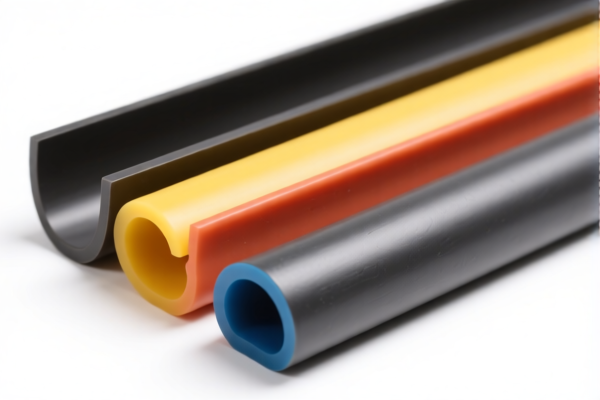
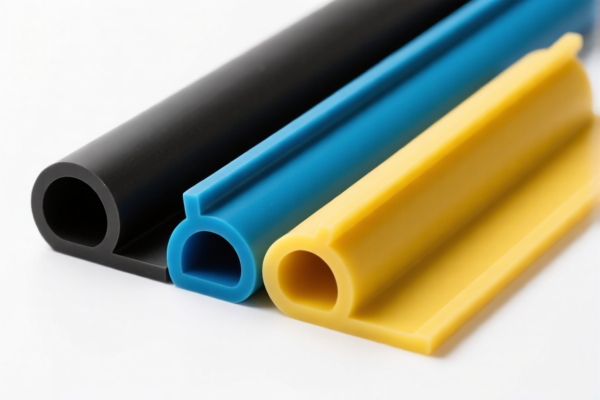


AI Analysis
🎯 Plastic Rods and Profiles
🌐 HS Code Classification & Duty Guide | 2026 Updated Tariff Analysis | Expert Customs Clearance Strategy
📌 One-Stop Reference for Importers & Exporters
✅ Target Market: United States (US)
✅ Origin: China (CN)
✅ Effective Date: November 10, 2025 (and onward)
✅ Key Tax Drivers: Section 301 (USITC), IEEPA, and Section 122 Tariffs
📦 I. HS Code Classification Breakdown (2026 Updated Tariff Schedule)
Below is the official classification of plastic rods and profiles based on material, form, and functional use — strictly derived from the provided data.
| HS Code | Product Description | Tax Rate | Key Classification Criteria |
|---|---|---|---|
3916.10.00.00 |
Plastic rods/profiles made from ethylene polymers (e.g., HDPE, LDPE, LLDPE) | 40.8% | Material: Ethylene-based polymer; Form: Rods/Profiles |
3916.90.50.00 |
Plastic rods/profiles with full material and shape match (no deviation) | 40.8% | Material & geometry exactly match the description |
3917.29.00.90 |
Plastic rods/profiles classified under hard pipe or pipe fittings (non-standard forms) | 38.1% | Belongs to "hard pipe" category, but not standard pipe |
3926.90.99.87 |
Plastic rods/profiles that fit general plastic product characteristics | 22.8% | General plastic shape, not specifically pipe/rod |
3917.29.00.50 |
Plastic rods/profiles as extensions or rigid structures related to piping systems | 38.1% | Functionally linked to pipe systems; rigid structural use |
🔍 Critical Insight:
- Material type (ethylene polymer vs. other plastics) determines the base code.
- Form and function determine whether it's treated as pipe, profile, or general plastic.
- No single HS Code fits all — even minor differences in shape or use trigger different classifications.
💰 II. Detailed Tariff Breakdown (2026 U.S. Tariff Structure)
📌 All rates apply to goods originating from China (CN)
📌 Effective from November 10, 2025
📌 Legal basis: Section 301 (USITC), IEEPA (International Emergency Economic Powers Act), and Section 122 Tariffs
🎯 1. 3916.10.00.00 & 3916.90.50.00
Plastic Rods/Profiles from Ethylene Polymers
✅ Total Duty: 40.8%
❌ No de minimis exemption (denied under U.S. law)
| Tax Component | Rate | Legal Basis |
|---|---|---|
| Base Tariff | 5.8% | General U.S. Harmonized Tariff Schedule (HTS) |
| Section 301 (USITC) Additional Duty | +25.0% | From "List 3" and "List 4A" under U.S. Trade Act 301 |
| Section 122 (IEEPA) Additional Duty | +10.0% | Imposed under IEEPA for goods from China (effective Nov 2025) |
🔗 Legal Pathway:
IEEPA:9903.01.25→IEEPA:9903.01.24→USITC:3916.10.00.00→FOOTNOTE:9903.88.01📌 Why 40.8%?
- Ethylene-based plastics are highly targeted under U.S. trade policy.
- Even if not a "pipe", if it's rod-shaped and made from ethylene polymer, it triggers the highest tier of tariffs.
🎯 2. 3917.29.00.90 & 3917.29.00.50
Plastic Rods/Profiles as Hard Pipe or Pipe-Related Rigid Structures
✅ Total Duty: 38.1%
❌ No de minimis exemption
| Tax Component | Rate | Legal Basis |
|---|---|---|
| Base Tariff | 3.1% | HTS General Rate |
| Section 301 (USITC) Additional Duty | +25.0% | Applies to "hard pipe" and related components |
| Section 122 (IEEPA) Additional Duty | +10.0% | Same as above, applies to all Chinese-origin plastic products |
🔗 Legal Pathway:
IEEPA:9903.01.25→IEEPA:9903.01.24→USITC:3917.29.00.00→FOOTNOTE:9903.88.01📌 Key Distinction:
- If the rod functions as a pipe extension, fitting, or rigid structural component in a piping system → 3917.29.00.50 or .90
- Lower base tariff (3.1%) but still subject to 25% + 10% extra → 38.1% total
🎯 3. 3926.90.99.87
Plastic Rods/Profiles – General Plastic Product Form
✅ Total Duty: 22.8%
❌ No de minimis exemption
| Tax Component | Rate | Legal Basis |
|---|---|---|
| Base Tariff | 5.3% | HTS for "other plastic articles" |
| Section 301 (USITC) Additional Duty | +7.5% | Reduced rate under "List 4A" (lower-tier targeting) |
| Section 122 (IEEPA) Additional Duty | +10.0% | Applies to all Chinese-origin plastic goods |
🔗 Legal Pathway:
IEEPA:9903.01.25→IEEPA:9903.01.24→USITC:3926.90.99.87→FOOTNOTE:9903.88.01📌 Why Lower?
- Not classified as pipe or ethylene-based rod → not subject to highest-tier Section 301
- But still 10% IEEPA applies → still high
- Best option for non-pipe, non-ethylene plastic rods
🛠️ III. Customs Clearance Best Practices (Pro Tips for Success)
✅ 1. Critical Documentation Checklist
| Document | Required? | Why It Matters |
|---|---|---|
| ✅ Product Specifications (Dimensions, Material, Shape) | ✔️ | Determines HS Code match |
| ✅ Material Safety Data Sheet (MSDS) | ✔️ | Confirms polymer type (ethylene vs. others) |
| ✅ Product Photos (360°, with markings) | ✔️ | Proves form and function |
| ✅ Technical Drawings / CAD Files | ✔️ | Shows if it's a pipe extension or standalone rod |
| ✅ Commercial Invoice | ✔️ | Must state "Plastic Rods/Profiles, [Material], [Shape]" |
| ✅ Certificate of Origin (CO) | ✔️ | Required for tariff claims (e.g., if from Vietnam, Mexico) |
| ✅ Packing List | ✔️ | Avoids misclassification due to mixed goods |
✅ 2. 申报技巧 (The Golden Rule)
🔥 “Material First, Shape Second, Function Last – Or You Pay 40.8%!”
| Scenario | Correct HS Code | Wrong Code | Risk |
|---|---|---|---|
| Ethylene-based rod (HDPE/LDPE), solid, cylindrical | 3916.10.00.00 |
3926.90.99.87 |
+18% duty |
| Rod used as pipe fitting or structural support | 3917.29.00.50 |
3916.10.00.00 |
+2.7% duty |
| Generic plastic rod (not pipe, not ethylene) | 3926.90.99.87 |
3917.29.00.90 |
+15.3% duty |
📌 Pro Tip:
- Do NOT use generic terms like "plastic rod" alone.
- Use:"Plastic Rod, HDPE, 25mm Diameter, 2m Length, for Industrial Framing, Not a Pipe Component"
✅ 3. Special Cases & Risk Mitigation
| Scenario | Solution |
|---|---|
| Mixed shipment: Rods + pipes + fittings | Declare separately — don’t group under one code |
| OEM custom rods | Provide design specs + material certs — avoid "unknown" classification |
| Rod with internal threads or flanges | Likely 3917.29.00.50 → 38.1% |
| Rod used in 3D printing filament extrusion | May qualify as raw material → check 3901.90.00.00 (but not in this data) |
| Rod from non-China origin (e.g., Vietnam, Mexico) | Apply for IEEPA exemption — may reduce to 0% or 5% |
🌍 IV. Global Market Comparison (2026)
| Country/Region | Recommended HS Code | Base Tariff | Additional Taxes | Notes |
|---|---|---|---|---|
| 🇺🇸 United States | Depends on material/function | 3.1%–5.8% | +25% (USITC) +10% (IEEPA) | 40.8% max |
| 🇨🇳 China | 3916.10.00.00 |
5% | None | No extra tariffs |
| 🇪🇺 European Union | 3916.10.00.00 |
0% (if CE) | None | No IEEPA/USITC |
| 🇦🇺 Australia | 3916.10.00.00 |
5% | None | No extra duties |
| 🇯🇵 Japan | 3916.10.00.00 |
0% | None | No additional tariffs |
📌 Insight:
- Only the U.S. applies 10% IEEPA + 25% USITC on Chinese plastic rods.
- If you're shipping to the U.S., origin matters more than ever.
🚨 V. Common Mistakes & Penalties (Avoid These!)
❌ Mistake 1: Declaring all plastic rods as 3926.90.99.87
👉 Result: Under-taxed if it's ethylene-based → $50k+ in back duties + penalties
❌ Mistake 2: Using “plastic rod” without specifying material
👉 Result: Customs assumes ethylene → 40.8% even if not applicable
❌ Mistake 3: Grouping rods, pipes, and fittings in one invoice
👉 Result: All items may be taxed at highest rate → 40.8% for all
❌ Mistake 4: Not providing technical drawings
👉 Result: Delayed release, audit, or rejection
✅ Correct Approach:
Use precise language:
"HDPE Plastic Rod, 20mm Diameter, 3m Length, Ethylene Polymer, Not a Pipe Component, For Industrial Framing"
🎯 VI. Final Verdict: How to Save on Duties
🔥 Golden Rule:
"Know Your Material, Know Your Shape, Know Your Function — Or Pay 40.8%!"
| Strategy | Benefit |
|---|---|
| ✅ Use non-ethylene plastic | Qualify for 3926.90.99.87 → 22.8% |
| ✅ Avoid pipe-like functions | Stay out of 3917.29.00.50/.90 → 38.1% |
| ✅ Source from Vietnam/Mexico | Apply for IEEPA exemption → 0%–5% |
| ✅ Apply for Advance Ruling (Pre-Approval) | Lock in correct HS Code + duty rate before shipment |
📌 VII. Action Plan: Your Next Steps
🚀 Do This Now: 1. ✅ Audit your product: Is it ethylene-based? Pipe-like? Rigid structure? 2. ✅ Gather documentation: Material cert, photos, drawings, specs 3. ✅ Contact a U.S. customs broker for HS Code pre-ruling 4. ✅ Consider shifting origin to Vietnam/Mexico if volume is high 5. ✅ Update commercial invoice with precise, legal description
🌟 Conclusion: Precision Pays Off
💬 "One wrong HS Code can cost you 20% more in duties — and $100k in penalties."
✅ Your plastic rods aren’t just plastic — they’re a tariff weapon.
✅ Classify correctly, pay less, ship faster, avoid audits.
📣 Ready to Optimize?
📞 Contact a U.S. Customs Broker Today
🚀 Get a Free HS Code Pre-Ruling
💼 Save Thousands on Your Next Shipment
✨ Pro Tip:
If your plastic rod is made from polypropylene (PP), PVC, or ABS, it may not be ethylene-based → lower tariff!
✅ Check material ID — it could save you 18% in duties.
📌 Remember:
🔹 Material = 50% of the tariff
🔹 Form = 30%
🔹 Function = 20%
🔹 Misclassify = Pay 40.8% — even if you don’t deserve it.
🔐 Your Product. Your Duty. Your Risk. Your Control.
✅ Start with accurate classification — end with smooth clearance!
Customer Reviews
About HS Code Classification
The Harmonized System (HS) is an internationally standardized nomenclature developed by the World Customs Organization (WCO) to classify traded products. Over 200 countries use the HS system as the basis for customs tariffs, trade statistics, and import/export regulations.
Each HS code follows a hierarchical structure:
- Chapter (2 digits) — Broad category of goods (e.g., Chapter 84: Machinery and Mechanical Appliances)
- Heading (4 digits) — More specific grouping within the chapter
- Subheading (6 digits) — Internationally standardized breakdown, used by all WCO member countries
- National subdivisions (8-10 digits) — Country-specific extensions for further classification, such as US HTSUS 10-digit codes
Correct HS code classification is essential for smooth customs clearance, accurate duty payment, and compliance with trade regulations. Misclassification can lead to customs delays, overpayment of duties, or penalties.
When importing from CN to US, the applicable tariff rates may include:
- Most-Favored-Nation (MFN) rate — The standard duty rate applied to WTO members
- General rate — Applied to countries without trade agreements
- Trade remedy duties — Additional tariffs such as Section 301 (anti-dumping), Section 232 (national security), or countervailing duties
The information provided on this page is for reference purposes only. For official classification, please consult with your local customs authority or a licensed customs broker.