Plastic Roll Floor Coverings for Hospital Use
CN → US| HS Code | Tariff Rate | Origin | Destination | Doc |
|---|---|---|---|---|
| 3918102000 | 40.3% | CN | US | Official Doc |
| 3918101040 | 40.3% | CN | US | Official Doc |
| 3921190090 | 41.5% | CN | US | Official Doc |
Product Images
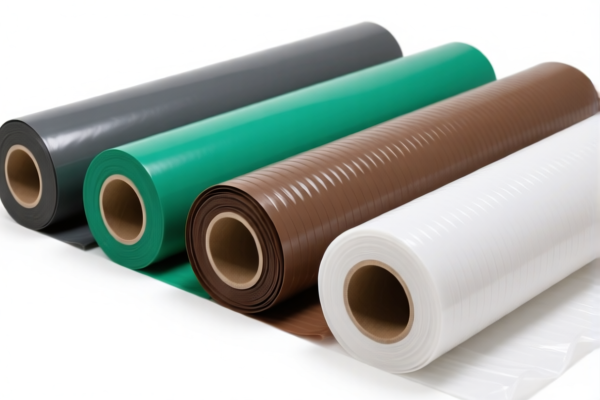
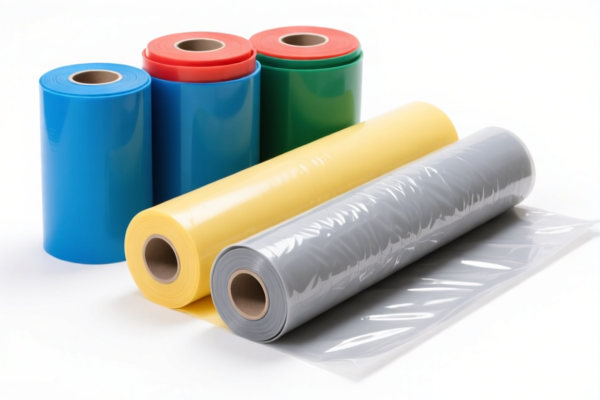
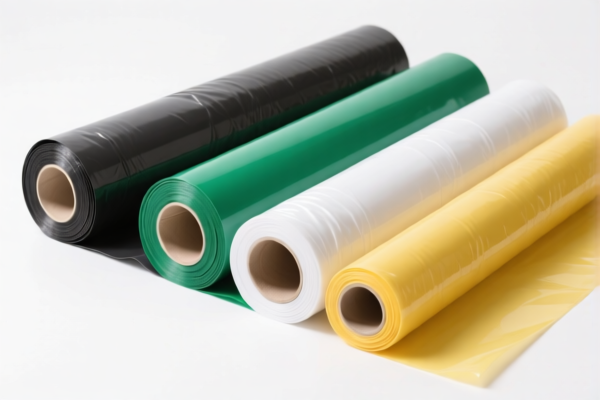
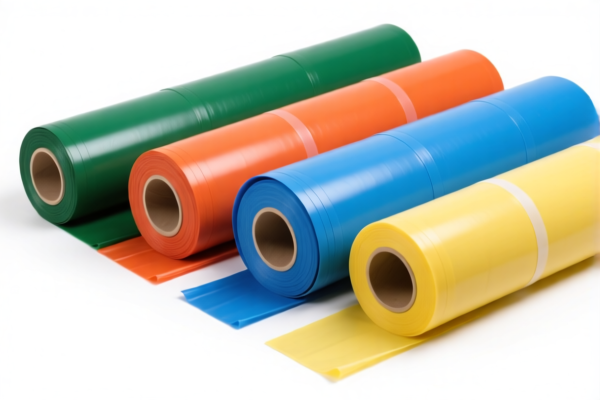
AI Analysis
🏥 Plastic Roll Floor Coverings for Hospital Use (Vinyl Flooring)
🌐 HS Code Reference & Customs Clearance Guide | 2026 Latest Tariff Analysis | Specialized Clearance Strategy for Medical Flooring
📌 I. Product Definition & Classification: Do You Really Understand "Hospital Vinyl Flooring"?
Plastic roll floor coverings, commonly known as LVT (Luxury Vinyl Tile) or PVC Sheet Flooring, are the standard for healthcare facilities due to their antibacterial properties, ease of cleaning, and durability. In international trade, these products are strictly categorized based on their material composition (Plastic) and form (Rolls/Sheets).
Key Distinctions: * Material: Primarily PVC (Polyvinyl Chloride) or other plastics. * Form: Sold in continuous rolls or sheets, not pre-cut tiles (though sheet flooring can be cut). * Application: Specifically designed for high-traffic, hygiene-critical environments like hospitals, clinics, and labs.
⚠️ Critical Classification Point:
- If the product is plastic and sold in rolls, it falls under Chapter 39 (Plastics).
- Misclassification as "Textile Flooring" (HS 5702) or "Rubber Flooring" (HS 4008) will result in severe customs penalties and delays.
📦 II. HS Code Classification Details (2026 Latest Tariff Authority Comparison)
Based on the provided data, the following HS Codes are relevant for Plastic Roll Floor Coverings for Hospital Use. Note that while specific sub-headings may vary slightly by country, the US HTSUS (Harmonized Tariff Schedule of the United States) classifications are listed below with precise tax implications.
| HS Code | Product Description | Application Scenario | Material/Form |
|---|---|---|---|
3918.10.20.00 |
Other plastic floor coverings, in rolls or sheets, other than those of heading 3907 (Polymerized Acetal) | Hospital Medical Flooring: High-end, antimicrobial, sterile-grade PVC rolls | ✅ Plastic, Rolls |
3918.10.10.40 |
Other plastic floor coverings, in rolls or sheets (specifically Vinyl/PVC category) | Hospital Medical Flooring: Standard to premium vinyl rolls for medical use | ✅ Plastic, Rolls |
3921.19.00.90 |
Other plates, sheets, film, foil and strip, of plastics: Other | Office/Medical Hybrid Flooring: General-purpose plastic rolls, inferred as plastic for office/clinic use | ✅ Plastic, Rolls |
🔍 Important Note:
- All three codes fall under Chapter 39 (Plastics and Articles Thereof).
-3918is the most common heading for "Plastic floor coverings, whether or not self-adhesive, in rolls or sheets."
-3921is used for broader plastic sheets/plates not specifically classified as flooring in 3918.
- Hospital Use does not grant automatic HS Code changes; it primarily affects product standards (e.g., CE, CDC guidelines) but not the tariff classification itself, which relies on material and form.
💰 III. 2026 Latest Tariff Rate Breakdown (Including Surtaxes, Policy Additions)
✅ Applicable Country: United States (US)
✅ Country of Origin: China (CN)
✅ Effective Date: From November 10, 2025 (Including subsequent imports)
🎯 1. HS Code 3918.10.20.00 – Other Plastic Floor Coverings for Hospitals
| Item | Details |
|---|---|
| Base Duty Rate | 5.3% (Ad Valorem) |
| USITC Surtax (Section 301) | +25.0% (High tariff for plastic products from China) |
| IEEPA Surtax (Section 122/301 Extension) | +10.0% (Additional tariff on Chinese goods) |
| Total Duty Rate | 40.3% |
| Tax Calculation | CIF Value × 40.3% |
| De Minimis Eligibility | ❌ Not Eligible (deny_de_minimis) |
| Legal Basis Path | IEEPA:9903.01.25 → IEEPA:9903.01.24 → USITC:3918.10.20.00 → FOOTNOTE:3918.10.20.00 |
📌 Explanation:
- The 5.3% is the standard Most Favored Nation (MFN) rate for plastic flooring.
- The 25% is the Section 301 tariff on specific plastic goods.
- The 10% is an additional tariff under IEEPA (International Emergency Economic Powers Act) targeting Chinese imports.
- Total 40.3% is a significant cost factor. Must be factored into pricing strategies.
🎯 2. HS Code 3918.10.10.40 – Other Plastic Roll Floor Coverings (Vinyl)
| Item | Details |
|---|---|
| Base Duty Rate | 5.3% (Ad Valorem) |
| USITC Surtax (Section 301) | +25.0% |
| IEEPA Surtax (Section 122/301 Extension) | +10.0% |
| Total Duty Rate | 40.3% |
| Tax Calculation | CIF Value × 40.3% |
| De Minimis Eligibility | ❌ Not Eligible (deny_de_minimis) |
| Legal Basis Path | IEEPA:9903.01.25 → IEEPA:9903.01.24 → USITC:3918.10.10.40 → FOOTNOTE:3918.10.10.40 |
📌 Note:
- This code is often used for Vinyl/PVC-specific flooring.
- The tax burden is identical to3918.10.20.00at 40.3%.
- Even if marketed as "medical-grade," the tariff structure remains the same for Chinese-origin plastic flooring.
🎯 3. HS Code 3921.19.00.90 – Other Plastic Sheets/Rolls (General Use)
| Item | Details |
|---|---|
| Base Duty Rate | 6.5% (Ad Valorem) |
| USITC Surtax (Section 301) | +25.0% |
| IEEPA Surtax (Section 122/301 Extension) | +10.0% |
| Total Duty Rate | 41.5% |
| Tax Calculation | CIF Value × 41.5% |
| De Minimis Eligibility | ❌ Not Eligible (deny_de_minimis) |
| Legal Basis Path | IEEPA:9903.01.25 → IEEPA:9903.01.24 → USITC:3921.19.00.90 → FOOTNOTE:3921.19.00.90 |
📌 Note:
- This code has a higher base rate (6.5%) compared to3918(5.3%).
- Total duty is 41.5%, making it 1.2% more expensive than the3918codes.
- Use this only if the product does not strictly fit the "floor covering" definition under3918.
🛠️ IV. Customs Clearance Practical Advice (Real-World Pitfall Avoidance)
✅ 1. Required Documentation Checklist (Mandatory)
| Document | Must Provide | Description |
|---|---|---|
| ✅ Product Specification Sheet | ✔️ | Must include: Material (PVC/Vinyl), Width, Length, Thickness, Surface Treatment (e.g., Antibacterial), Fire Rating (e.g., FLR/UL94). |
| ✅ Material Safety Data Sheet (MSDS) | ✔️ | Crucial for plastic products to confirm chemical composition and compliance with environmental standards. |
| ✅ Product Photos (Clear & Labeled) | ✔️ | Show the roll, packaging, label, and any medical certification marks (e.g., CE, ISO 13485). |
| ✅ Certificate of Origin (CO) | ✔️ | Essential for proving Chinese origin. If claimed as non-Chinese, this is critical for tariff exemptions. |
| ✅ Commercial Invoice | ✔️ | Must explicitly state "Plastic Roll Floor Covering for Hospital Use" and HS Code. |
| ✅ Packing List | ✔️ | Detail weight, dimensions, and number of rolls. |
✅ 2. Declaration Tips (Key Mantra)
🔥 "Material First, Form Second, Origin Critical, Tax Prediction Exact!"
| Situation | Correct Declaration Method | Error Consequence |
|---|---|---|
| Hospital-Grade PVC Rolls | HS 3918.10.20.00 or 3918.10.10.40 |
Misclassification as Textile (HS 5702) → Higher Penalties + Audit |
| General Plastic Sheets (Not Flooring) | HS 3921.19.00.90 |
Overpayment of tax if actually flooring |
| Mixed Materials (e.g., Plastic + Fabric Backing) | Consult Customs Broker | Risk of classification as composite good → Unpredictable Duty |
| Small Sample Shipment (< $800) | ❌ Cannot Use De Minimis | Even small samples are not exempt due to deny_de_minimis status |
✅ 3. Special Scenarios & Handling
| Scenario | Handling Advice |
|---|---|
| OEM Custom Hospital Flooring | Provide customer design specs and approval letters to prove it’s not a generic product. May help in disputes. |
| Antibacterial Certification | Include CE, ISO 10993, or CDC compliance documents to justify "Hospital Use" for faster clearance, though it doesn’t change duty. |
| Fire-Rated Flooring | Provide UL94 or FLR test reports. Customs may inspect for flammability compliance (16 CFR Part 1610). |
| Non-Chinese Origin (e.g., Vietnam, Thailand) | ✅ Apply for IEEPA Exemption! If the product is substantially transformed in a third country and has a valid CO from Vietnam/Thailand, you may avoid the 10% IEEPA tariff, reducing total duty to 30.3% (from 3918) or 31.5% (from 3921). |
🌍 V. Global Market Customs Comparison (2026 Latest)
| Country/Region | Recommended HS Code | Duty Rate (CN Origin) | Certification Requirements | Remarks |
|---|---|---|---|---|
| 🇺🇸 USA | 3918.10.10.40 / 3918.10.20.00 |
40.3% | FCC (if any electrical components), UL (Fire) | High tariff due to Section 301 + IEEPA. |
| 🇨🇳 China | 3918.10.10.00 |
5.0%~6.5% | GB 18586 (Health Standard) | No surtaxes. Low duty. |
| 🇪🇺 EU | 3918.10.90 |
0%~2% | CE, REACH, EN 14041 | No surtaxes. Strict environmental standards. |
| 🇦🇺 Australia | 3918.10.10 |
5.0% | RCM, AS/NZS 3742 | No surtaxes. |
| 🇯🇵 Japan | 3918.90.90 |
0%~5% | PSE (if applicable), JIS | No surtaxes. |
📌 Conclusion:
- USA is the only major market imposing heavy surtaxes on Chinese plastic flooring.
- Chinese-origin flooring in the US carries a ~40% duty burden, significantly impacting profit margins.
- Consider Supply Chain Diversification: Sourcing from Vietnam, Thailand, or Malaysia can reduce duties by ~10% (via IEEPA exemption) and potentially 25% (if Section 301 does not apply, though check USITC rulings).
📌 VI. Common Errors & Pitfall Guide (Lessons Learned)
❌ Error 1: Declaring "Vinyl Flooring" without specifying "Plastic Rolls"
👉 Consequence: Customs may classify under incorrect textile codes → Delays + Penalties
❌ Error 2: Ignoring the deny_de_minimis status for small shipments
👉 Consequence: Even $500 samples are taxed at 40.3% and require full entry filing
❌ Error 3: Misidentifying material (e.g., calling PVC "Rubber")
👉 Consequence: Rubber flooring (HS 4008) has different duties and certifications → Audit Trigger
❌ Error 4: Not providing Fire Safety Certificates for Hospital Use
👉 Consequence: US Customs and Border Protection (CBP) may detain goods for flammability compliance checks → Storage Fees + Delays
✅ Correct Approach:
"PVC Vinyl Roll Flooring, Antimicrobial, Fire-Rated UL94, for Hospital Use, Model: MED-FLOOR-X, 2m Width, 30m Roll, HS Code: 3918.10.20.00, Origin: China"
🎯 VII. Conclusion: Professional Declaration, Cost Control, Efficiency!
🎯 Remember the Mantra:
🔹 "Plastic Rolls, 3918, 40.3% Tax!"
🔹 "No De Minimis, Full Entry Required!"
🔹 "Non-CN Origin? Save 10% with IEEPA Exemption!"
📌 Pro Tip:
If your product is shipped from Vietnam, Mexico, Thailand, or Malaysia, apply for IEEPA Exemption to avoid the 10% surtax, reducing total duty to 30.3%.
Recommendation: Apply for an Advance Ruling (CBP Ruling) for complex medical flooring products to ensure correct HS Code classification before shipment.
📣 Immediate Action:
📞 Contact a Licensed Customs Broker + Provide Product Specs + Apply for CBP Advance Ruling
🚀 Ensure Smooth Customs Clearance, Optimize Costs, and Maximize Profits!
✨ Professional Clearance Starts with Accurate Classification!
💼 Every Cent of Duty Must Be Precisely Calculated!
Customer Reviews
About HS Code Classification
The Harmonized System (HS) is an internationally standardized nomenclature developed by the World Customs Organization (WCO) to classify traded products. Over 200 countries use the HS system as the basis for customs tariffs, trade statistics, and import/export regulations.
Each HS code follows a hierarchical structure:
- Chapter (2 digits) — Broad category of goods (e.g., Chapter 84: Machinery and Mechanical Appliances)
- Heading (4 digits) — More specific grouping within the chapter
- Subheading (6 digits) — Internationally standardized breakdown, used by all WCO member countries
- National subdivisions (8-10 digits) — Country-specific extensions for further classification, such as US HTSUS 10-digit codes
Correct HS code classification is essential for smooth customs clearance, accurate duty payment, and compliance with trade regulations. Misclassification can lead to customs delays, overpayment of duties, or penalties.
When importing from CN to US, the applicable tariff rates may include:
- Most-Favored-Nation (MFN) rate — The standard duty rate applied to WTO members
- General rate — Applied to countries without trade agreements
- Trade remedy duties — Additional tariffs such as Section 301 (anti-dumping), Section 232 (national security), or countervailing duties
The information provided on this page is for reference purposes only. For official classification, please consult with your local customs authority or a licensed customs broker.