Plastic Roller Blackout Blinds
CN → US| HS Code | Tariff Rate | Origin | Destination | Doc |
|---|---|---|---|---|
| 5903902500 | 42.5% | CN | US | Official Doc |
| 5903102500 | 42.5% | CN | US | Official Doc |
| 3926909989 | 22.8% | CN | US | Official Doc |
| 6304930000 | 22.8% | CN | US | Official Doc |
| 6303922010 | 28.8% | CN | US | Official Doc |
Product Images
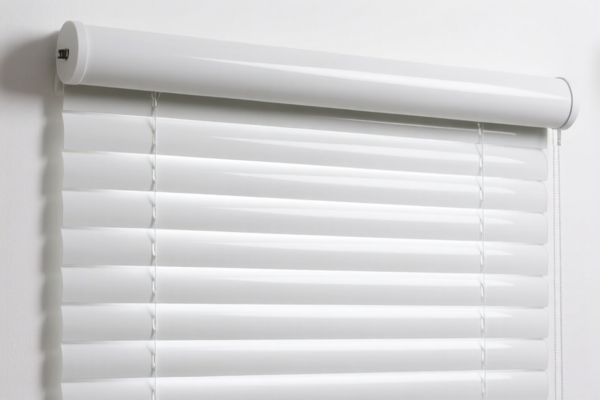
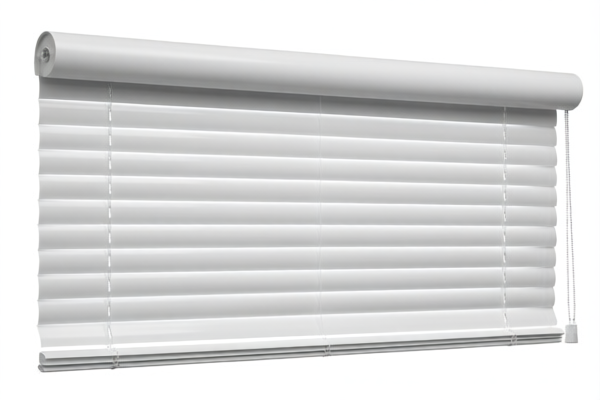
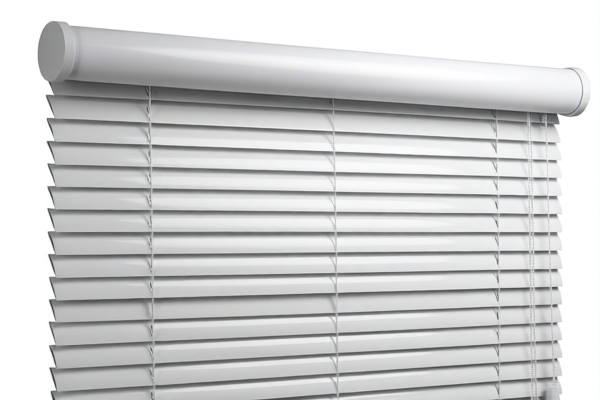
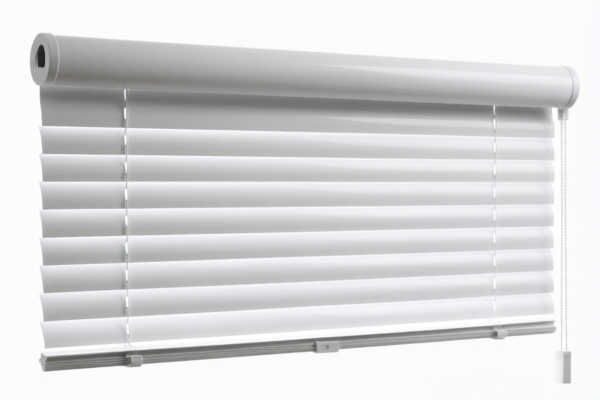
AI Analysis
🌑 Plastic Roller Blackout Blinds (塑料卷帘蜂巢帘/遮光卷帘)
🌐 HS Code Reference & Customs Clearance Guide | 2026 Latest Tariff Analysis | Professional Clearance Strategy
📌 I. Product Definition & Classification: Do You Really Understand "Roller Blinds"?
Plastic Roller Blackout Blinds are functional window coverings designed to block light and provide privacy. In international trade, their classification depends heavily on material composition, manufacturing process (impregnated/coated vs. pure plastic), and specific function.
There are two main categories for customs purposes: 1. Textile-Based/Impregnated: Made from fabrics (polyester, synthetic fibers) that are impregnated, coated, or covered with plastic (PVC, PE). These fall under Chapter 59 (Impregnated, coated, covered or laminated textile fabrics). 2. Pure Plastic/Plastic Articles: Made entirely of plastic or classified as general plastic articles. These fall under Chapter 39 (Plastics and articles thereof) or Chapter 63 (Other made up textile articles, if not Chapter 59).
⚠️ Key Distinction Point:
- If the base material is a textile fabric that has been coated/impregnated with plastic to achieve blackout properties →归入 Chapter 59 (Specific Fabric Category).
- If the material is a solid plastic sheet or classified as a general plastic article without textile base → 归入 Chapter 39 or Chapter 63.
📦 II. HS Code Classification Details (2026 Latest Tariff Authority Comparison)
| HS Code | Product Description | Application Scenario | Material/Process |
|---|---|---|---|
5903.90.25.00 |
Plastic Roller Honeycomb Blinds; Form: Roller; Material: Plastic; Specific functional fabric category (non-5902). | Plastic-coated fabric blinds, honeycomb structure, functional textile fabric. | Textile + Plastic Coating (Non-5902) |
5903.10.25.00 |
Plastic Roller Honeycomb Blinds; Material: PVC (Polyvinyl Chloride); Form: Textile form formed by impregnation, coating, or lamination. | PVC-coated fabric blinds, heavy-duty blackout, industrial/commercial use. | PVC Impregnated/Coated Textile |
3926.90.99.89 |
Plastic Roller Honeycomb Blinds; Material: Plastic; Form: Blinds; Classified as other plastic articles not specifically listed elsewhere. | Pure plastic blinds, rigid plastic components, non-fabric based. | Pure Plastic Article |
6304.93.00.00 |
Plastic Roller Honeycomb Blinds; Material: Plastic (Synthetic Fibers); Use: Blinds; Category: Other furnishing articles. | Synthetic fiber blinds treated as furnishing textiles, not strictly coated fabrics. | Synthetic Fiber Furnishing Article |
6303.92.20.10 |
Plastic Sunshades/Blinds; Material: Plastic (Synthetic Fiber/Material); Use: Sunshade; Fits Category: Curtains & Curtain Drapes. | General plastic sunshade blinds, curtains made of synthetic materials. | Synthetic Curtain/Blind |
🔍 Key Reminder:
- Chapter 59 (5903.xxxx) is preferred if the product is a textile fabric coated with plastic. This is the most common classification for high-quality blackout roller blinds. - Chapter 39 (3926.xxxx) applies if the product is made of pure plastic sheets or films, not fabric. - Chapter 63 (6303/6304) applies if it’s a finished furnishing article made of synthetic fibers but not strictly "impregnated" in the Chapter 59 sense.
💰 III. 2026 Latest Tariff Rate Details (Including Surtaxes & Policy Add-ons)
✅ Applicable Country: United States (US)
✅ Country of Origin: China (CN)
✅ Effective Date: November 10, 2025 (and subsequent imports)
🎯 1. 5903.90.25.00 & 5903.10.25.00 —— Plastic-Coated Textile Blinds (Most Common)
These two codes share the same tariff structure under current US-China trade policies.
| Item | Content |
|---|---|
| Base Tariff | 7.5% (ad valorem) |
| USITC Surtax (Section 301) | +25.0% |
| IEEPA Surtax (Section 122) | +10.0% |
| Total Tariff | 42.5% |
| Tax Calculation | CIF Value × 42.5% |
| De Minimis Exemption Available? | ❌ No (deny_de_minimis) |
| Legal Basis Path | IEEPA:9903.01.25 → USITC:5903.10.25.00 → FOOTNOTE:9903.88.01 |
📌 Explanation:
- The 25% USITC surtax is part of the ongoing Section 301 tariffs on Chinese goods. - The 10% IEEPA surtax is applied specifically to Chinese-origin products under Section 122 (or similar emergency powers). - Total 42.5% is a very high tariff rate. Accurate classification is critical to avoid overpayment or penalties.
🎯 2. 3926.90.99.89 —— Pure Plastic Blinds
| Item | Content |
|---|---|
| Base Tariff | 5.3% |
| USITC Surtax (Section 301) | +7.5% |
| IEEPA Surtax (Section 122) | +10.0% |
| Total Tariff | 22.8% |
| Tax Calculation | CIF Value × 22.8% |
| De Minimis Exemption Available? | ❌ No (deny_de_minimis) |
| Legal Basis Path | IEEPA:9903.01.24 → USITC:3926.90.99.89 → FOOTNOTE:9903.88.01 |
📌 Note:
- If your blinds are made of pure plastic (not coated fabric), the tariff is significantly lower (22.8% vs 42.5%). - However, customs may challenge this if the product contains textile layers. Proof of material composition is essential.
🎯 3. 6304.93.00.00 & 6303.92.20.10 —— Synthetic Fiber Blinds/Curtains
| Item | Content |
|---|---|
| Base Tariff | 5.3% (6304.93) / 11.3% (6303.92) |
| USITC Surtax (Section 301) | +7.5% |
| IEEPA Surtax (Section 122) | +10.0% |
| Total Tariff | 22.8% (6304.93) / 28.8% (6303.92) |
| Tax Calculation | CIF Value × 22.8% or 28.8% |
| De Minimis Exemption Available? | ❌ No (deny_de_minimis) |
| Legal Basis Path | IEEPA:9903.01.24 → USITC:6304.93.00.00 / 6303.92.20.10 |
📌 Note:
-6304.93.00.00(22.8%) is the most competitive option if the product can be classified as a furnishing article made of synthetic fibers without being "impregnated" under Chapter 59. -6303.92.20.10(28.8%) is higher due to a higher base tariff (11.3%) for curtains/sunshades. - Crucial: Ensure the product does not meet the Chapter 59 definition (impregnated/coated fabric), or customs will reclassify it to 5903, increasing tax by ~14-20%.
🛠️ IV. Customs Clearance Practical Advice (Battle-Tested Pitfall Avoidance Guide)
✅ 1. Documentation Checklist (All Mandatory)
| Document | Required | Explanation |
|---|---|---|
| ✅ Product Specification Sheet | ✔️ | Must detail material composition (e.g., "Polyester fabric coated with PVC"), dimensions, and blackout level. |
| ✅ Material Composition Proof | ✔️ | Lab test report or supplier declaration proving % of textile vs. plastic coating. Critical for Chapter 59 vs. 39/63. |
| ✅ Product Photos (Clear) | ✔️ | Show the blind rolled up and extended, highlighting texture (fabric vs. plastic sheet). |
| ✅ Commercial Invoice | ✔️ | Must clearly state: "Roller Blind, Plastic-Coated Textile, Model XXX". Avoid vague terms like "Window Covering". |
| ✅ Packing List | ✔️ | Show how blinds are packed (e.g., "One blind per box"). |
| ✅ Origin Certificate (CO) | ✔️ | If not China-origin, can reduce IEEPA surtax. |
✅ 2. Classification Strategy (Key Mantra)
🔥 "Coated Fabric = Ch 59 (42.5%), Pure Plastic = Ch 39 (22.8%), Furnishing = Ch 63 (22-28.8%)!"
| Scenario | Correct HS Code | Wrong Classification | Consequence |
|---|---|---|---|
| Fabric coated with PVC/PE | 5903.10.25.00 or 5903.90.25.00 |
3926.90.99.89 |
Customs will reclassify → Back tax + Penalty! |
| Pure Plastic Sheet Blinds | 3926.90.99.89 |
5903.10.25.00 |
Overpaying tax by ~20% |
| Synthetic Fiber Curtain (Not coated) | 6304.93.00.00 |
5903.10.25.00 |
Customs may argue it’s "impregnated" → Audit risk |
| Blind with Metal Parts | Still Main Item | Split into "Fabric" + "Hardware" | Hardware taxes can be 20-50% → Total cost spikes |
✅ 3. Special Cases Handling
| Situation | Handling Advice |
|---|---|
| OEM Custom Blinds | Provide client’s design specs + material test reports. Prove it’s not a standard "commodity" if seeking lower rates. |
| Honeycomb Blinds (Cellular) | Often classified under 5903.90.25.00. Ensure the "honeycomb" structure is described as a functional fabric feature, not a plastic mold. |
| Blinds with Plastic Rods/Shells | Do not split declaration. The entire unit is classified as the blind. Splitting leads to higher overall duty. |
| Origin Diversification | If shipped from Vietnam, Malaysia, or Thailand, check for IEEPA Exemptions. Tax may drop to 0-5%. |
🌍 V. Global Market Clearance Comparison (2026 Latest)
| Country/Region | Recommended HS Code | Tariff (China Origin) | Certification Req. | Notes |
|---|---|---|---|---|
| 🇺🇸 USA | 5903.10.25.00 |
42.5% | ASTM, CPSIA | Highest duty due to Section 301 + IEEPA |
| 🇨🇳 China | 5903.10.25.00 |
7.5% | CCC | No additional surtaxes |
| 🇪🇺 EU | 5903.10.00 |
0-6.5% | CE | No Section 301 equivalent |
| 🇬🇧 UK | 5903.10.00 |
0-6.5% | UKCA | Post-Brexit rules apply |
| 🇦🇺 Australia | 5903.10.00 |
5% | RCMA | Moderate duty |
📌 Conclusion:
- USA is the most challenging market for plastic roller blinds due to the 42.5% total tariff. - China, EU, UK, and Australia have significantly lower or no additional surtaxes. - Strategy: Consider supply chain diversification (e.g., manufacturing in Vietnam) to avoid US IEEPA/301 tariffs.
📌 VI. Common Errors & Pitfall Guide (Lessons Learned)
❌ Error 1: Declaring "Coated Fabric Blinds" as 3926.90.99.89 (Plastic Article)
👉 Result: Customs reclassifies to 5903 → Additional 19.7% tax + fines!
❌ Error 2: Splitting the declaration into "Blind Fabric" + "Plastic Roller Mechanism"
👉 Result: Mechanism taxed separately (often higher rate) → Total cost increases by 10-15%!
❌ Error 3: Vague Description "Window Blind"
👉 Result: Customs holds shipment for inspection → Delays, storage fees, potential rejection.
❌ Error 4: Ignoring IEEPA Surcharge for Non-China Origins
👉 Result: If origin is China but declared as other → Fraud allegations + 10% penalty.
✅ Correct Practice:
"Roller Blind, Polyester Fabric Impregnated with PVC, Blackout, 60cm x 180cm, Model ABC, Coated Textile Fabric under HTS 5903.10.25.00"
🎯 VII. Conclusion: Professional Classification Saves Money!
🎯 Remember the Mantra:
🔹 "Coated Fabric = 5903 (42.5%), Pure Plastic = 3926 (22.8%), Furnishing = 6304 (22.8%)."
🔹 "HS Code determines destiny. A 20% rate difference means thousands in savings."
📌 Pro Tip:
If your blinds are originally produced in Vietnam, Mexico, or Thailand, you may apply for IEEPA Exemption, reducing the tariff to 0-5%.
Recommend applying for an Advance Ruling (Ruling Letter) from US Customs (CBP) before shipment to ensure correct classification.
📣 Immediate Action:
📞 Contact a licensed customs broker + Provide product material samples + Apply for CBP Advance Ruling
🚀 Ensure your plastic roller blinds clear customs smoothly, avoid unexpected taxes, and maximize profit!
✨ Professional Clearance Starts with Accurate Classification!
💼 Every dollar of tariff paid is a dollar of profit lost!
Customer Reviews
About HS Code Classification
The Harmonized System (HS) is an internationally standardized nomenclature developed by the World Customs Organization (WCO) to classify traded products. Over 200 countries use the HS system as the basis for customs tariffs, trade statistics, and import/export regulations.
Each HS code follows a hierarchical structure:
- Chapter (2 digits) — Broad category of goods (e.g., Chapter 84: Machinery and Mechanical Appliances)
- Heading (4 digits) — More specific grouping within the chapter
- Subheading (6 digits) — Internationally standardized breakdown, used by all WCO member countries
- National subdivisions (8-10 digits) — Country-specific extensions for further classification, such as US HTSUS 10-digit codes
Correct HS code classification is essential for smooth customs clearance, accurate duty payment, and compliance with trade regulations. Misclassification can lead to customs delays, overpayment of duties, or penalties.
When importing from CN to US, the applicable tariff rates may include:
- Most-Favored-Nation (MFN) rate — The standard duty rate applied to WTO members
- General rate — Applied to countries without trade agreements
- Trade remedy duties — Additional tariffs such as Section 301 (anti-dumping), Section 232 (national security), or countervailing duties
The information provided on this page is for reference purposes only. For official classification, please consult with your local customs authority or a licensed customs broker.