Plastic Roller Insulated Blinds
CN → US| HS Code | Tariff Rate | Origin | Destination | Doc |
|---|---|---|---|---|
| 8547200000 | 35.0% | CN | US | Official Doc |
| 8547900010 | 89.6% | CN | US | Official Doc |
| 3920992000 | 39.2% | CN | US | Official Doc |
| 3919905030 | 40.8% | CN | US | Official Doc |
| 3919102020 | 40.8% | CN | US | Official Doc |
Product Images

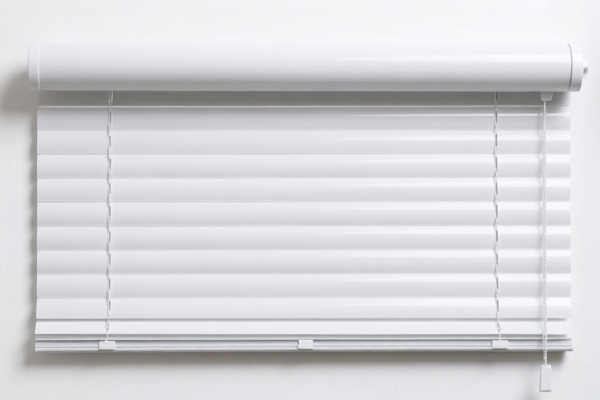
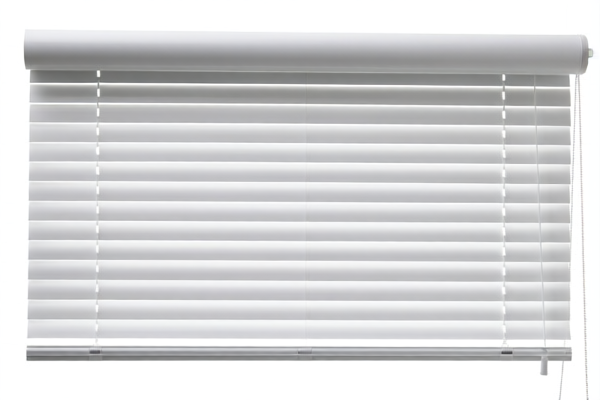
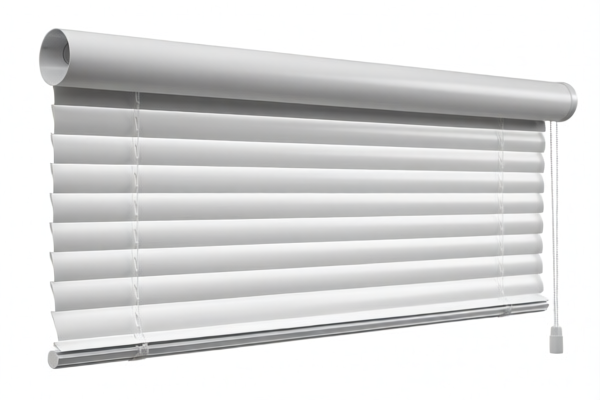
AI Analysis
🏗️ Plastic Roller Insulated Blinds (Roller Shutters & Insulating Films)
🌐 HS Code Reference & Customs Clearance Guide | 2026 Latest Tariff Analysis | Professional Clearance Strategy
📌 I. Product Definition & Classification: What Exactly Are "Plastic Roller Insulated Blinds"?
"Plastic Roller Insulated Blinds" is a broad commercial term that can refer to two distinct types of products in international trade, leading to significantly different HS Code classifications and tariff burdens. It is crucial to distinguish between them based on material composition, function, and form.
- Insulating Plastic Films/Rolls: Flexible plastic sheets (often PVC, PET, or PE) used for window insulation, temporary sealing, or protective covering. These are typically sold in rolls.
- Roller Shutters/Blinds with Plastic Components: Finished window coverings where the slats or fabric are made of plastic, or protective roller shutters for windows/doors made of plastic films or thin plastic sheets.
⚠️ Key Distinction Point:
- If the product is a finished roller blind/shutter system (with mechanism, casing, or pre-cut slats for mounting) → It may fall under Chapter 85 (Electrical Machinery/Insulators) if it has electrical components, or more likely, it might be misclassified if it's purely mechanical. However, based on the provided DATA, the focus is on the insulating plastic material itself or its application as an insulator.
- If the product is a plain plastic film/roll used for insulation (window film, protective wrap) → It falls under Chapter 39 (Plastics and Articles Thereof).
- Crucially, if the "blinds" are interpreted as insulating accessories for electrical or industrial equipment made of plastic, they might fall under Chapter 85.
Based on the provided <DATA>, the classification revolves around Plastic Insulating Films/Rolls and their status as Insulation Accessories.
📦 II. HS Code Classification Details (Latest 2026 Tariff Reference)
| HS Code | Product Description | Applicable Scenario | Material/Form |
|---|---|---|---|
8547.20.00.00 |
Plastic Insulating Films/Sheets, as Insulation Accessories | Used for electrical insulation, industrial sealing, or specialized insulating applications where the plastic film is treated as an "insulating accessory" for machinery/equipment. | Plastic, Film/Sheet, Insulating Purpose |
8547.90.00.10 |
Other Plastic Insulating Accessories (Catch-all) | When the specific type of insulating film does not fit neatly into 8547.20, or when it includes other plastic insulating parts. Note: This code often attracts higher tariffs including steel/aluminum surcharges if mixed. |
Plastic, Other Insulating Parts |
3920.99.20.00 |
Plastic Insulating Films, Non-cellular, Non-reinforced | Flexible plastic films/rolls not specifically for electrical insulation but used generally for insulation (e.g., window thermal insulation films). Fits the definition of "non-cellular/plastic flexible film/strip/sheet". | Plastic, Film, General Insulation |
3919.90.50.30 |
Plastic Insulating Films, Flat Shape | Plastic films in flat shapes (rolls/sheets) used for insulation. Focuses on the material and form (plastic, flat/rolled). | Plastic, Flat Film/Roll |
3919.10.20.20 |
Self-Adhesive Plastic Insulating Films | If the "blinds" or films are self-adhesive (e.g., static-cling window films, adhesive insulation wraps). | Plastic, Self-Adhesive, Film |
🔍 Critical Note:
- The term "Blinds" is ambiguous. If it refers to window blinds, it usually falls under Chapter 83 (Miscellaneous Manufactures) or Chapter 94 (Furniture). However, the provided<DATA>strictly contains Chapter 39 (Plastics) and Chapter 85 (Insulators).
- Interpretation: The<DATA>implies the product is being classified as Plastic Insulating Material/Film rather than a mechanical blind. We must adhere to the provided codes.
- Tariff Impact: Chapter 85 codes (8547.xx) and Chapter 39 codes (3919.xx,3920.xx) both attract significant additional tariffs under US Section 301 and IEEPA rules.
💰 III. 2026 Latest Tariff Rate Breakdown (Including Surtaxes & Policy Add-ons)
✅ Applicable Country: United States (US)
✅ Origin: China (CN)
✅ Effective Date: 2025-11-10 onwards (including subsequent imports)
🎯 1. 8547.20.00.00 — Plastic Insulating Accessories (Specific)
| Item | Detail |
|---|---|
| Base Tariff | 0% (ad valorem) |
| USITC Additional Tariff | +25% (Section 301) |
| IEEPA Additional Tariff | +10% (122 Clause, China-specific) |
| Total Tariff | 35.0% |
| Calculation | CIF Value × 35% |
| De Minimis Exemption | ❌ No (deny_de_minimis) |
| Legal Path | USITC:8547.20.00.00 → FOOTNOTE:301 → IEEPA:122 |
📌 Explanation:
- This code is for specific plastic insulating accessories.
- The 35% total tariff is the most favorable among the Chapter 85 options provided.
- Suitable if the product is explicitly marketed and used as an electrical or industrial insulating accessory.
🎯 2. 8547.90.00.10 — Other Plastic Insulating Accessories (Catch-all)
| Item | Detail |
|---|---|
| Base Tariff | 4.6% |
| USITC Additional Tariff | +25% |
| IEEPA Additional Tariff | +10% |
| Steel/Aluminum Surtax | +50% (if applicable/mixed) |
| Total Tariff | 89.6% (up to 94.6% if surtax applies) |
| Calculation | CIF Value × 89.6% |
| De Minimis Exemption | ❌ No |
| Legal Path | USITC:8547.90.00.10 → FOOTNOTE:301 → IEEPA:122 |
📌 Warning:
- This is the "Dud" code (catch-all). Avoid if possible.
- The 89.6% tariff is extremely high.
- Only use if the product cannot be classified under8547.20and has no other specific plastic film classification.
🎯 3. 3920.99.20.00 — Plastic Film, Non-cellular, Non-reinforced
| Item | Detail |
|---|---|
| Base Tariff | 4.2% |
| USITC Additional Tariff | +25% |
| IEEPA Additional Tariff | +10% |
| Total Tariff | 39.2% |
| Calculation | CIF Value × 39.2% |
| De Minimis Exemption | ❌ No |
| Legal Path | USITC:3920.99.20.00 → FOOTNOTE:301 → IEEPA:122 |
📌 Explanation:
- Ideal for pure plastic insulating films (e.g., window insulation films, thermal wraps) that are not electrical insulators.
- The 39.2% tariff is slightly higher than8547.20but much lower than8547.90.
🎯 4. 3919.90.50.30 — Plastic Films, Flat Shape
| Item | Detail |
|---|---|
| Base Tariff | 5.8% |
| USITC Additional Tariff | +25% |
| IEEPA Additional Tariff | +10% |
| Total Tariff | 40.8% |
| Calculation | CIF Value × 40.8% |
| De Minimis Exemption | ❌ No |
| Legal Path | USITC:3919.90.50.30 → FOOTNOTE:301 → IEEPA:122 |
📌 Explanation:
- Suitable for plastic films/rolls in flat shapes, not self-adhesive.
- Common for protective plastic rolls or non-adhesive insulation films.
🎯 5. 3919.10.20.20 — Self-Adhesive Plastic Films
| Item | Detail |
|---|---|
| Base Tariff | 5.8% |
| USITC Additional Tariff | +25% |
| IEEPA Additional Tariff | +10% |
| Total Tariff | 40.8% |
| Calculation | CIF Value × 40.8% |
| De Minimis Exemption | ❌ No |
| Legal Path | USITC:3919.10.20.20 → FOOTNOTE:301 → IEEPA:122 |
📌 Explanation:
- Use this if the "insulated blinds" are self-adhesive window films or adhesive insulation wraps.
- The 40.8% tariff applies.
🛠️ IV. Customs Clearance Practical Advice (Pitfall Avoidance)
✅ 1. Documentation Checklist (Essential)
| Document | Required | Notes |
|---|---|---|
| ✅ Product Specification Sheet | ✔️ | Detail material (PVC/PET/PE), thickness, width, length, and primary function (electrical insulation vs. thermal window insulation). |
| ✅ Product Photos | ✔️ | Show the product in roll form, packaging, and any labeling indicating "Insulation" or "Plastic Film". |
| ✅ Commercial Invoice | ✔️ | Clearly state "Plastic Insulating Film/Roll" or "Plastic Roller Insulating Blinds (Non-Electrical)" to avoid confusion with "Window Blinds" (Chapter 83). |
| ✅ Material Composition Statement | ✔️ | Specify if it is self-adhesive, cellular, or reinforced. This determines between 3919 and 3920. |
| ✅ Origin Certificate | ✔️ | If not Chinese, may qualify for lower tariffs. |
✅ 2. Declaration Tips (Key Mantra)
🔥 "Define the Function: Electrical or Thermal? Adhesive or Plain? Form: Film or Finished Blind?"
| Scenario | Correct HS Code | Risk if Incorrect |
|---|---|---|
| Electrical/Industrial Insulator | 8547.20.00.00 |
Misdeclaring as 3920 could lead to classification disputes, but 8547.20 (35%) is cheaper than 8547.90 (89.6%). |
| Window Thermal Insulation Film | 3920.99.20.00 |
Do NOT declare as "Window Blinds" (Chapter 83) if it's just a film. If declared as "Blinds" (mechanical), it might be rejected or misclassified. |
| Self-Adhesive Film | 3919.10.20.20 |
Ensure the adhesive nature is clear. Non-adhesive films in 3919 would be 3919.90.... |
| Finished Roller Shutter System | NOT IN DATA | The provided <DATA> does not include mechanical blind codes (e.g., 8302.41). If it is a mechanical system, it may be misclassified under these codes. Precaution: If it has a spring mechanism, casing, or mounting hardware, it is NOT a plastic film. However, based on <DATA>, we assume it is insulating plastic material. |
✅ 3. Special Cases
| Scenario | Recommendation |
|---|---|
| "Blinds" with Electrical Components | If the roller system is motorized, it may fall under Chapter 85 (Motors/Accessories) or Chapter 94. The provided <DATA> assumes passive insulation. If active, consult a customs broker for a new HS code. |
| Mixed Materials (Plastic + Metal Springs) | If the product contains significant metal parts (e.g., metal roller tubes), it may not be classified as "Plastic Film". It might fall under Chapter 73 (Iron/Steel) or Chapter 83 (Miscellaneous). Avoid 8547.90 to prevent the 50% surtax if metal is present. |
| De Minimis Risk | All provided HS codes are denied de minimis exemption. Ensure the shipment value is declared correctly, and duties will apply to the full CIF value. |
🌍 V. Global Market Comparison (2026 Latest)
| Country/Region | Recommended HS Code | Tariff | Notes |
|---|---|---|---|
| 🇺🇸 USA | 8547.20.00.00 or 3920.99.20.00 |
35% - 39.2% | High surtaxes apply. Avoid 8547.90 (89.6%). |
| 🇨🇳 China | 3920.99.20.00 |
~4.2% | Lower base tariff. No Section 301/IEEPA for domestic trade. |
| 🇪🇺 EU | 3920.99.20.00 |
0% - 6% | Check CE/RoHS compliance. No Section 301. |
| 🇬🇧 UK | 3920.99.20.00 |
0% - 6% | Post-Brexit tariffs may vary. Check UK TRAC. |
📌 Conclusion:
- USA is the most challenging market due to 35-40% tariffs.
- EU/UK/China offer significantly lower duties.
- Key Strategy: Ensure the product is described as "Plastic Insulating Film" rather than "Mechanical Blinds" to align with the provided HS codes and avoid higher "Finished Good" tariffs.
📌 VI. Common Errors & Pitfall Guide (Lessons Learned)
❌ Error 1: Calling it "Roller Blinds" without clarifying it's insulating plastic film.
👉 Consequence: Customs may classify it as Chapter 83 (Hardware) or Chapter 94 (Furniture), which are NOT in the <DATA> and may have different, potentially higher or lower, tariffs. If misclassified, it leads to delays and audits.
❌ Error 2: Using 8547.90.00.10 when 8547.20.00.00 is applicable.
👉 Consequence: Tariff jumps from 35% to 89.6%. A massive cost increase. Always strive for the specific code (8547.20).
❌ Error 3: Ignoring the Self-Adhesive feature.
👉 Consequence: If it's self-adhesive, declaring it as non-adhesive (3919.90) is a misdeclaration. Use 3919.10.20.20 (40.8%).
❌ Error 4: Assuming De Minimis applies.
👉 Consequence: All provided codes are deny_de_minimis. Small shipments still incur full duties.
✅ Correct Declaration Example:
"Plastic Insulating Film Roll, PVC, Non-Cellular, Non-Reinforced, for Window Thermal Insulation, Roll Form, No Electrical Components. HS Code:
3920.99.20.00"
🎯 VII. Conclusion: Precise Classification Saves Money!
🎯 Remember the Mantra:
🔹 "Function First: Electrical (8547) or Thermal (3920)?"
🔹 "Form Matters: Adhesive (3919.10) or Plain (3919.90/3920)?"
🔹 "Avoid the Dud Code:8547.90is 89.6% – Don't Use It!"
🔹 "De Minimis is Dead: All Codes Pay Full Duty."
📌 Tip:
If your product is a finished mechanical roller blind (with springs, casings, or mounting brackets) and NOT just a plastic film, the provided <DATA> is incomplete. You must consult a customs broker for codes under Chapter 83 or Chapter 94. However, if it is insulating plastic material, use the codes above.
📣 Immediate Action:
📞 Contact a Licensed Customs Broker to confirm if "Plastic Roller Insulated Blinds" is indeed a passive film or an active mechanical system.
🚀 Declare Accurately to avoid 89.6% penalties and customs holds.
✨ Professional Clearance, Starts with Precise Classification!
💼 Every Percentage Point Counts in Your Supply Chain!
Customer Reviews
About HS Code Classification
The Harmonized System (HS) is an internationally standardized nomenclature developed by the World Customs Organization (WCO) to classify traded products. Over 200 countries use the HS system as the basis for customs tariffs, trade statistics, and import/export regulations.
Each HS code follows a hierarchical structure:
- Chapter (2 digits) — Broad category of goods (e.g., Chapter 84: Machinery and Mechanical Appliances)
- Heading (4 digits) — More specific grouping within the chapter
- Subheading (6 digits) — Internationally standardized breakdown, used by all WCO member countries
- National subdivisions (8-10 digits) — Country-specific extensions for further classification, such as US HTSUS 10-digit codes
Correct HS code classification is essential for smooth customs clearance, accurate duty payment, and compliance with trade regulations. Misclassification can lead to customs delays, overpayment of duties, or penalties.
When importing from CN to US, the applicable tariff rates may include:
- Most-Favored-Nation (MFN) rate — The standard duty rate applied to WTO members
- General rate — Applied to countries without trade agreements
- Trade remedy duties — Additional tariffs such as Section 301 (anti-dumping), Section 232 (national security), or countervailing duties
The information provided on this page is for reference purposes only. For official classification, please consult with your local customs authority or a licensed customs broker.