Plastic Rubber Cord
CN → US| HS Code | Tariff Rate | Origin | Destination | Doc |
|---|---|---|---|---|
| 3926909905 | 22.8% | CN | US | Official Doc |
| 6603908100 | 65.2% | CN | US | Official Doc |
| 3926909989 | 22.8% | CN | US | Official Doc |
| 9506910030 | 22.1% | CN | US | Official Doc |
| 3926909905 | 22.8% | CN | US | Official Doc |
Product Images
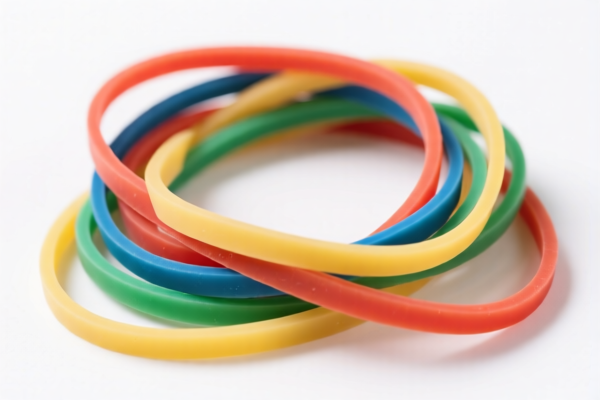
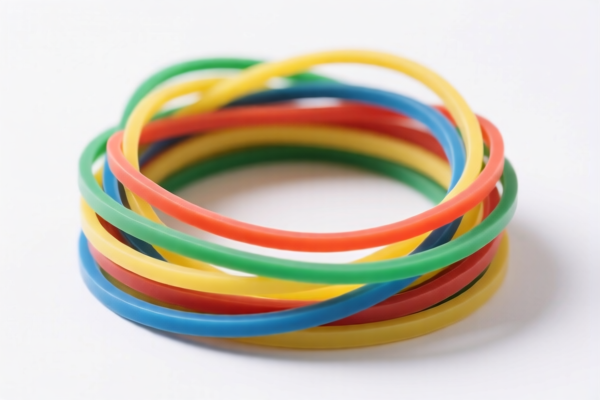
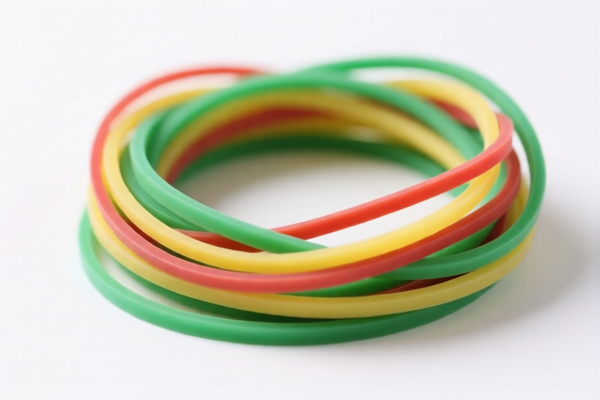
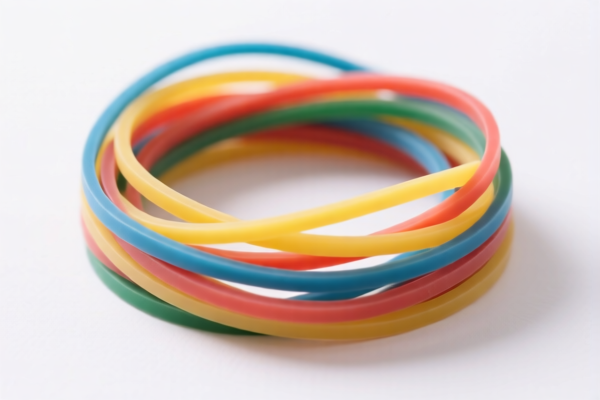
AI Analysis
🧶 Plastic & Rubber Cord (Plastic/Rubber Strings/Cords)
🌐 HS Code Reference & Customs Clearance Guide | 2026 Latest Tariff Analysis | Professional Clearance Strategy
📌 I. Product Definition & Classification: Do You Know Your "Cord"?
Plastic and rubber cords are ubiquitous in daily life, ranging from garment drawstrings to fitness equipment accessories. However, in international trade, their classification depends heavily on material composition, end-use, and physical form.
Plastic-Based Cords: Usually defined as elastic bands or plastic articles made primarily of plastic materials. They fall under Chapter 39 (Plastics).
Rubber/Sports Accessories: If the item is specifically designed as an accessory for sports equipment (e.g., resistance bands for fitness), it may be classified under Chapter 95 (Sporting Goods) or specific plastic accessory codes, depending on the specific regulatory interpretation and material dominance.
⚠️ Key Distinction:
- If the product is a generic elastic band/plastic strip without specific sporting function → Likely Chapter 39 (3926.90.99).
- If the product is explicitly marketed and used as an accessory for sports/gym equipment → Likely Chapter 95 (9506.91.00) or specific plastic accessory codes like 6603.90.81.
- Note: The presence of steel/aluminum components (even if minor) can trigger massive tariff hikes (50%+) under Section 232 tariffs.
📦 II. HS Code Classification Details (2026 Latest Tariff Authoritative Comparison)
Based on the provided data, here are the specific HS Codes and their rationales:
| HS Code | Product Description | Rationale for Classification | Applicable Scenario |
|---|---|---|---|
3926.90.99.05 |
Plastic Elastic Bands/Articles | Primary Classification: Purely plastic material, shaped as elastic bands or plastic articles. Fits the "all-plastic" attribute. | Generic plastic drawstrings, elastic bands, non-sporting plastic strips. |
6603.90.81.00 |
Plastic Sports Accessories | Secondary Classification: Plastic material functioning as an accessory to sports equipment. Categorized under "Other Plastic Articles". | High Risk: Note the steel/aluminum tariff warning. Likely for items with minor metal parts or specific sports attachments. |
3926.90.99.89 |
Other Plastic Articles | General Plastic Category: Plastic material, categorized as "other plastic articles". No material conflict. | Generic plastic cords not fitting specific sub-categories. |
9506.91.00.30 |
Sports Equipment Accessories | Sports Use Classification: Plastic material used for general sporting goods (fitness/sports equipment). | Fitness bands, resistance cords, gym accessories explicitly for exercise. |
3926.90.99.05 |
(Repeat Entry) | Confirmation: Re-emphasizes the "all-plastic" core requirement and plastic article form. | Same as first entry; confirms consistency for pure plastic elastic bands. |
🔍 Critical Reminder:
-3926.90.99.05and3926.90.99.89are closely related but differ in specific sub-definitions.05emphasizes "elastic bands/plastic articles," while89is a broader "other plastic articles."
-9506.91.00.30is only applicable if the item is explicitly used for sports/fitness. Using this code for generic packaging cords will lead to customs rejection.
-6603.90.81.00carries a 50% penalty tariff if steel/aluminum/copper components are present (Section 232). Ensure the product is purely plastic to avoid this.
💰 III. 2026 Latest Tariff Rate Breakdown (Including Surtaxes & Policy Add-ons)
✅ Applicable Country: United States (US)
✅ Origin: China (CN)
✅ Effective Time: Current Trade Policies (Section 301, Section 232, Section 122)
🎯 1. 3926.90.99.05 & 3926.90.99.89 —— Plastic Elastic Bands/Other Plastic Articles
| Item | Content |
|---|---|
| Base Tariff | 5.3% (for .05) / 5.3% (for .89) |
| Section 301 Surcharge | +7.5% (Standard China Surtax) |
| Section 122 Tariff | +10% (Specific to certain plastic articles/textiles under recent policies) |
| Section 232 Tariff | 0% (No steel/aluminum/copper) |
| Total Tariff Rate | 22.8% |
| Tax Calculation | CIF Value × 22.8% |
| De Minimis Eligibility | ❌ No (Subject to high tariffs, not eligible for $800 exemption if valued high or if specific exclusions apply) |
| Legal Basis Path | HTS:3926.90.99.05/89 → Sec301:7.5% → Sec122:10% |
📌 Explanation:
- Base Rate: Standard MFN rate for general plastic articles.
- Section 301 (7.5%): The baseline surcharge for most Chinese goods.
- Section 122 (10%): A specific additional tariff applied to certain plastic articles.
- Total: 22.8%. This is a moderate-high tariff. Not as punitive as 50%, but significant for low-margin goods.
🎯 2. 9506.91.00.30 —— Sports Equipment Accessories (Fitness/Gym)
| Item | Content |
|---|---|
| Base Tariff | 4.6% |
| Section 301 Surcharge | +7.5% |
| Section 122 Tariff | +10% |
| Section 232 Tariff | 0% (Assuming pure plastic) |
| Total Tariff Rate | 22.1% |
| Tax Calculation | CIF Value × 22.1% |
| De Minimis Eligibility | ❌ No |
| Legal Basis Path | HTS:9506.91.00.30 → Sec301:7.5% → Sec122:10% |
📌 Note:
- Slightly lower total tariff (22.1% vs 22.8%) due to a lower base rate (4.6% vs 5.3%).
- Crucial: Must prove "sporting use" to qualify. If customs determines it's not for sports, they may reclassify to Chapter 39, but the rate difference is minimal here.
🎯 3. 6603.90.81.00 —— Plastic Sports Accessories (With Steel/Aluminum Warning)
| Item | Content |
|---|---|
| Base Tariff | 5.2% |
| Section 301 Surcharge | 0.0% (Specific exception or adjustment for this subheading?) Note: Data shows 0.0% |
| Section 122 Tariff | +10% |
| Section 232 Tariff | +50% (IF Steel/Aluminum/Copper components are present) |
| Total Tariff Rate | 15.2% (Pure Plastic) OR 65.2% (With Metals) |
| Tax Calculation | CIF Value × (15.2% or 65.2%) |
| De Minimis Eligibility | ❌ No |
| Legal Basis Path | HTS:6603.90.81.00 → Sec122:10% → Sec232:50% (Conditional) |
📌 WARNING:
- This code is extremely risky.
- If your "plastic cord" has any steel core, aluminum tips, or copper wiring, the tariff jumps to 65.2%.
- Even if pure plastic, the base structure is complex. Only use if explicitly designed as a sports accessory AND confirmed pure plastic.
🛠️ IV. Customs Clearance Practical Advice (Real-World Pitfall Guide)
✅ 1. Required Documentation Checklist (Non-negotiable)
| Document | Must Provide | Purpose |
|---|---|---|
| ✅ Product Specification Sheet | ✔️ | Detail material (100% Plastic?), dimensions, elasticity, tensile strength. |
| ✅ Material Composition Report | ✔️ | Prove NO steel, aluminum, or copper. Critical for avoiding the 50% Section 232 tariff on 6603.90.81.00. |
| ✅ Product Photos | ✔️ | Clear images showing the item, label, and lack of metal parts. |
| ✅ Use Statement | ✔️ | Declare intended use: "General Purpose Elastic Band" (Ch39) vs. "Fitness Resistance Band" (Ch95). |
| ✅ Commercial Invoice | ✔️ | Accurate description: "Plastic Elastic Cord, 100% TPE/Plastic, No Metal Components." |
| ✅ Certificate of Origin (CO) | ✔️ | To confirm China origin and apply correct surtaxes. |
✅ 2. Declaration Strategy (Key Mantras)
🔥 "Pure Plastic is Safe, Metal is Death, Sports Use Needs Proof!"
| Scenario | Correct Declaration | Incorrect Action |
|---|---|---|
| Pure Plastic Elastic Band | 3926.90.99.05 |
Use 6603.90.81.00 without proving no metals → Risk 65.2% |
| Fitness Band (Pure Plastic) | 9506.91.00.30 |
Declare as "General Cord" → Might miss sports-specific clearance, but rate is similar. |
| Band with Metal Tips | Avoid or Declare Metal | Hide metal components → Customs will seize, fine, and apply 65.2% + penalties. |
| Packaging Strings | 3926.90.99.89 |
Declare as "Sports Equipment" → Misclassification risk. |
✅ 3. Special Handling
| Situation | Handling Advice |
|---|---|
| Mixed Materials | If the cord has a nylon core with plastic coating, it may be classified as textile/plastic mix, changing the HS code entirely. Consult a broker. |
| OEM for Gyms | If manufacturing for a gym brand, include the brand’s "Intended Use" letter to support 9506.91.00.30. |
| Section 232 Audit | Be prepared for customs to request material tests if using 6603.90.81.00. Keep lab reports handy. |
🌍 V. Global Market Comparison (2026 Update)
| Country/Region | Recommended HS Code | Total Tariff (China Origin) | Notes |
|---|---|---|---|
| 🇺🇸 USA | 3926.90.99.05 |
22.8% | High surtaxes. Avoid 6603 unless pure plastic. |
| 🇺🇸 USA | 9506.91.00.30 |
22.1% | Slightly cheaper if verifiable sports use. |
| 🇨🇳 China | 3926.90.99.05 |
~5-10% | Standard import tariff. No Section 301/122. |
| 🇪🇺 EU | 3926.90.99 |
~6-9% | No Section 301/122. CE/REACH compliance needed. |
| 🇬🇧 UK | 3926.90.99 |
~6-9% | Post-Brexit tariffs. Check for UKCA marking. |
📌 Conclusion:
- USA is the most expensive market due to Section 301, 122, and potential 232 tariffs.
- China origin + Plastic Cords = High Cost.
- Recommendation: Optimize supply chain to avoid Section 232 materials. Consider Vietnam/Mexico origin if volume is high, to bypass US surtaxes.
📌 VI. Common Errors & Pitfall Guide (Lessons Learned)
❌ Error 1: Using 6603.90.81.00 for plastic bands with nylon-metal blends
👉 Consequence: Classified as steel/aluminum component → 65.2% Tariff.
❌ Error 2: Declaring "Plastic Cord" as "Sports Equipment" without proof
👉 Consequence: Customs reclassifies to Ch39. While rate is similar, it causes delays and inspections.
❌ Error 3: Ignoring Section 122 Tariff
👉 Consequence: Underpaying 10% on plastic articles → Back taxes + Penalties.
❌ Error 4: Claiming De Minimis ($800 exemption) for bulk shipments
👉 Consequence: High tariffs (22.8%) apply regardless of value if not structured properly.
✅ Correct Practice:
"100% TPE Plastic Elastic Cord, 5mm Diameter, No Metal Components, For General Packaging Use."
🎯 VII. Conclusion: Professional Declaration, Save Money, Save Time!
🎯 Remember the Mantra:
🔹 "Pure Plastic is 22.8%, Metal is 65.2%, Sports Use is 22.1%."
🔹 "No Metal, No Surcharge. No Proof, No Sports Rate."
🔹 "HS Code Determines Your Profit Margin."
📌 Pro Tip:
If your product is 100% plastic and non-metallic, stick to 3926.90.99.05 for simplicity and consistency. Avoid 6603.90.81.00 unless you have absolute proof of zero metallic content and a clear sports accessory designation.
📣 Immediate Action:
📞 Contact a Licensed Customs Broker + Provide Material Test Report + Verify Intended Use
🚀 Clear Customs Smoothly, Maximize Profit, Avoid Surprises!
✨ Professional Clearance Starts with Accurate Classification!
💼 Every Cent of Tariff Saved is Pure Profit!
Customer Reviews
About HS Code Classification
The Harmonized System (HS) is an internationally standardized nomenclature developed by the World Customs Organization (WCO) to classify traded products. Over 200 countries use the HS system as the basis for customs tariffs, trade statistics, and import/export regulations.
Each HS code follows a hierarchical structure:
- Chapter (2 digits) — Broad category of goods (e.g., Chapter 84: Machinery and Mechanical Appliances)
- Heading (4 digits) — More specific grouping within the chapter
- Subheading (6 digits) — Internationally standardized breakdown, used by all WCO member countries
- National subdivisions (8-10 digits) — Country-specific extensions for further classification, such as US HTSUS 10-digit codes
Correct HS code classification is essential for smooth customs clearance, accurate duty payment, and compliance with trade regulations. Misclassification can lead to customs delays, overpayment of duties, or penalties.
When importing from CN to US, the applicable tariff rates may include:
- Most-Favored-Nation (MFN) rate — The standard duty rate applied to WTO members
- General rate — Applied to countries without trade agreements
- Trade remedy duties — Additional tariffs such as Section 301 (anti-dumping), Section 232 (national security), or countervailing duties
The information provided on this page is for reference purposes only. For official classification, please consult with your local customs authority or a licensed customs broker.