Plastic Running Shoes
CN → US| HS Code | Tariff Rate | Origin | Destination | Doc |
|---|---|---|---|---|
| 6404112060 | 20.5% | CN | US | Official Doc |
| 3926909989 | 22.8% | CN | US | Official Doc |
| 6402191520 | 22.6% | CN | US | Official Doc |
| 6402191541 | 22.6% | CN | US | Official Doc |
| 6402993165 | 16.0% | CN | US | Official Doc |
Product Images
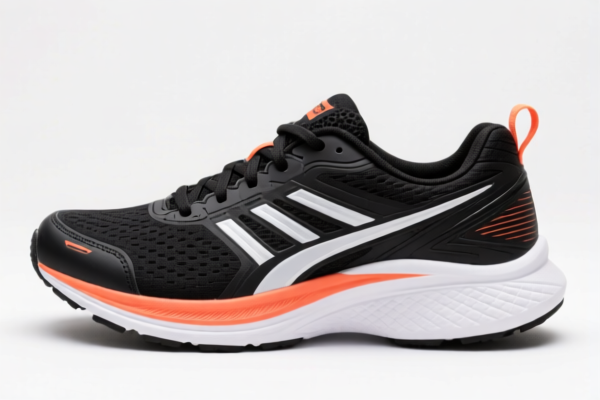
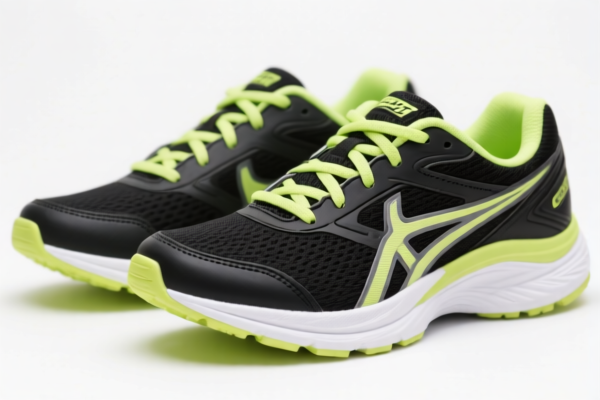
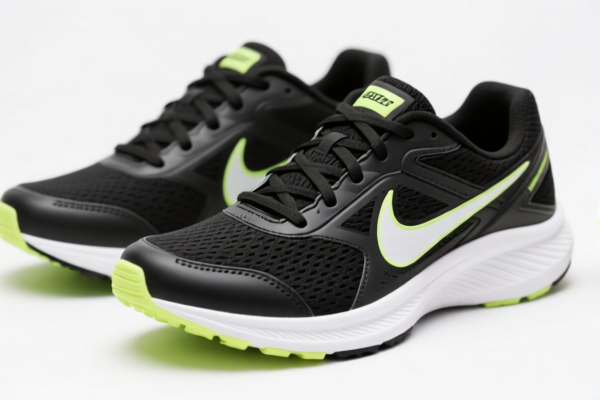
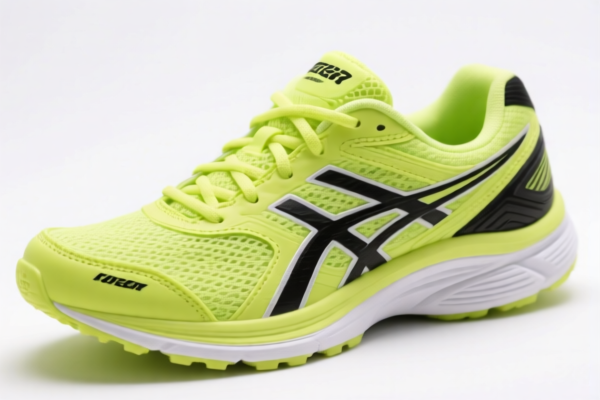
AI Analysis
👟 Plastic Running Shoes (Polymer Footwear for Athletics)
🌐 HS Code Reference & Customs Clearance Guide | 2024 Latest Tariff Analysis | Professional Entry Strategy
📌 I. Product Definition & Classification: What Are "Plastic Running Shoes"?
Plastic Running Shoes, in the context of international trade and customs classification, typically refer to athletic footwear where the upper, midsole, or outsole is predominantly made of plastic or synthetic polymer materials. In global trade, these are often categorized based on their primary function (Sports/Athletic) and material composition (Plastic/Rubber/Plastics).
⚠️ Critical Distinction Point:
- If the shoe is designed primarily for sports/athletic activities (running, basketball, gym) → Classified under Heading 64.04 (Footwear with outer soles of rubber, plastics, leather or composition leather and uppers of textile materials) OR Heading 64.02 (Other footwear with outer soles of rubber, plastics, leather or composition leather).
- If the shoe is a general-purpose plastic shoe (e.g., clogs, simple slide sandals) not primarily for sports → May fall under Heading 64.02 (Other footwear) or even Chapter 39 if considered a general plastic article (less common for footwear).
📦 II. HS Code Classification Details (2024 Latest Tariff Authority Comparison)
Based on the provided data for "Plastic Basketball Shoes" (a subset of Plastic Running/Athletic Shoes), here are the potential classifications and their tax implications:
| HS Code | Product Description | Application Scenario | Key Classification Logic |
|---|---|---|---|
6404.11.20.60 |
Plastic Basketball Shoes (Sports Category) | Athletic shoes, plastic upper/sole, sports-specific design | Sports/Category Principle: Classified as "Sports Footwear" under 64.04. |
3926.90.99.89 |
Plastic Articles (Other) | General plastic footwear, not primarily sports-specific | Material Principle: Classified as "Other Plastic Articles" under Chapter 39. |
6402.19.15.20 |
Plastic Shoes (Sports Use) | Footwear with plastic outer sole, used for sports | Sport Usage Principle: Classified under 64.02 (Other Footwear) due to sports use. |
6402.19.15.41 |
Plastic Shoes (Sports Category) | Footwear with plastic outer sole, athletic category | Sport Category Principle: Similar to above, emphasized as "Sports Category". |
6402.99.31.65 |
Plastic Travel Shoes (General Category) | General-purpose plastic shoes, travel/casual use | Catch-All Principle: Classified as "Other Footwear" under 64.02, non-sports specific. |
🔍 Key Reminder:
-6404vs.6402:6404is for footwear with textile uppers (often mesh/plastic blends for sports).6402is for footwear with rubber/plastic/leather uppers. If the "plastic running shoe" has a fully plastic upper,6402is more likely.
-3926: Only if the shoe is not considered footwear in the traditional sense (e.g., highly stylized, non-wearable art pieces, or extreme novelty items), which is rare for running shoes.
- Sports vs. General Use: If the shoe is marketed and designed for running/athletics,6404or6402with "sports" subheadings are preferred over general plastic articles (3926).
💰 III. 2024 Latest Tariff Rate Breakdown (Including Surtaxes & Policy Add-ons)
✅ Applicable Country: USA (US)
✅ Origin: China (CN)
✅ Effective Date: Current rates (includes Section 301 and IEEPA surtaxes)
🎯 1. 6404.11.20.60 —— Plastic Basketball Shoes (Sports Category)
| Item | Detail |
|---|---|
| Base Tariff Rate | 10.5% (ad valorem) |
| USITC Surtax | 0.0% (No additional USITC surtax for this specific subheading in the provided data) |
| Section 122 / IEEPA Surtax | 10.0% (China-specific surtax) |
| Total Tariff Rate | 20.5% |
| Tax Calculation | CIF Value × 20.5% |
| De Minimis Eligibility | ❌ No (High tariff rates generally exclude de minimis; verify with CBP) |
| Legal Basis Path | USITC:6404.11.20.60 → IEEPA:9903.01.24 (China Surtax) |
📌 Explanation:
- Base 10.5%: Standard US MFN tariff for certain sports footwear.
- 10% IEEPA Surtax: Applied to Chinese-origin goods under the International Emergency Economic Powers Act.
- Total 20.5%: Significantly higher than base rates due to trade tensions.
🎯 2. 3926.90.99.89 —— Plastic Articles (Other)
| Item | Detail |
|---|---|
| Base Tariff Rate | 5.3% (ad valorem) |
| USITC Surtax | 7.5% (Section 301 Surtax on Plastic Articles) |
| Section 122 / IEEPA Surtax | 10.0% (China-specific surtax) |
| Total Tariff Rate | 22.8% |
| Tax Calculation | CIF Value × 22.8% |
| De Minimis Eligibility | ❌ No |
| Legal Basis Path | USITC:3926.90.99.89 → USITC:3926.90.99 (Section 301) → IEEPA:9903.01.24 |
📌 Warning:
- Highest Tax Rate (22.8%): Misclassifying sports shoes as general plastic articles can lead to higher taxes if the base rate is low but surtaxes are high.
- Risk of Rejection: CBP may reject this classification for functional footwear, forcing reclassification and penalties.
🎯 3. 6402.19.15.20 & 6402.19.15.41 —— Plastic Shoes (Sports Use/Category)
| Item | Detail |
|---|---|
| Base Tariff Rate | 5.1% (ad valorem) |
| USITC Surtax | 7.5% (Section 301 Surtax on Footwear) |
| Section 122 / IEEPA Surtax | 10.0% (China-specific surtax) |
| Total Tariff Rate | 22.6% |
| Tax Calculation | CIF Value × 22.6% |
| De Minimis Eligibility | ❌ No |
| Legal Basis Path | USITC:6402.19.15.xx → USITC:6402.19.15 (Section 301) → IEEPA:9903.01.24 |
📌 Comparison:
- These codes have a lower base rate (5.1%) than6404(10.5%), but higher Surtax (7.5% vs. 0.0%), resulting in a higher total rate (22.6% vs. 20.5%).
- Choose6404if the shoe has textile uppers (even if plastic blends). Choose6402if it has fully plastic/rubber uppers.
🎯 4. 6402.99.31.65 —— Plastic Travel Shoes (General Category)
| Item | Detail |
|---|---|
| Base Tariff Rate | 6.0% (ad valorem) |
| USITC Surtax | 0.0% (No Section 301 surtax for this specific subheading in the provided data) |
| Section 122 / IEEPA Surtax | 10.0% (China-specific surtax) |
| Total Tariff Rate | 16.0% |
| Tax Calculation | CIF Value × 16.0% |
| De Minimis Eligibility | ❌ No |
| Legal Basis Path | USITC:6402.99.31.65 → IEEPA:9903.01.24 |
📌 Best Rate Option:
- Lowest Total Tax (16.0%): If the shoe can be classified as "General Travel Shoes" rather than "Sports Shoes," this code offers the lowest total tariff.
- Risk: Misclassifying sports shoes as travel shoes is a common customs violation. Must have clear evidence of non-sport use.
🛠️ IV. Customs Clearance Practical Advice (Real-World Pitfall Guide)
✅ 1. Required Documentation Checklist (Non-Negotiable)
| Document | Required | Notes |
|---|---|---|
| ✅ Product Specifications | ✔️ | Material breakdown (e.g., 80% TPU, 20% Polyester), Sole type, Intended use |
| ✅ Product Photos | ✔️ | Clear images of upper, sole, insole, and any branding |
| ✅ Commercial Invoice | ✔️ | Must clearly state "Plastic Running Shoes" or "Plastic Athletic Footwear" |
| ✅ Packing List | ✔️ | Include quantities, weights, and dimensions |
| ✅ Originality Certificate (CO) | ✔️ | If applicable, for origin verification |
| ✅ Test Reports | ✔️ | ISO, CE, or ASTM standards for safety and durability |
✅ 2. Declaration Tips (Key Mnemonics)
🔥 “Material Defines Code, Use Defines Tax, Precision Saves Money!”
| Scenario | Correct Declaration | Wrong Practice |
|---|---|---|
| Shoes with textile/plastic blend upper | 6404.11.20.60 (Sports) |
Declare as "Plastic Shoes" → 22.8% |
| Fully plastic upper (TPU/PVC) | 6402.19.15.20 or .41 |
Declare as "Plastic Articles" → 22.8% |
| General casual plastic shoes | 6402.99.31.65 (Travel/General) |
Declare as "Sports Shoes" → 22.6% |
| Novelty/Artistic plastic items | 3926.90.99.89 |
Declare as "Footwear" → 22.8% |
✅ 3. Special Case Handling
| Scenario | Handling Advice |
|---|---|
| OEM Custom Shoes | Provide customer design specs and material composition to justify 6404 or 6402. |
| Hybrid Materials | If upper is 50% textile, 50% plastic, 6404 is preferred (Textile-based classification). |
| Multi-Purpose Shoes | If marketed for both sports and casual wear, choose the highest tax risk (Sports) or provide evidence of primary use. |
| Low-Value Shipments | Even if below de minimis threshold, high tariffs (20%+) may still apply if declared correctly. |
🌍 V. Global Market Comparison (2024 Latest)
| Country/Region | Recommended HS Code | Tariff Rate | Certification | Notes |
|---|---|---|---|---|
| 🇺🇸 USA | 6404.11.20.60 |
20.5% | None | High due to IEEPA surtax |
| 🇨🇳 China | 6404.11.20.60 |
5% | CCC | Lower base rate, no surtax |
| 🇪🇺 EU | 6404.11.20.60 |
12% | CE + REACH | No IEEPA surtax |
| 🇬🇧 UK | 6404.11.20.60 |
12% | UKCA | Post-Brexit rules |
| 🇦🇺 Australia | 6404.11.20.60 |
5% | RCM | FTA benefits possible |
📌 Conclusion:
- USA has the highest effective tariff (20.5%) for sports plastic shoes due to IEEPA surtaxes.
- EU and UK have moderate rates without additional political surtaxes.
- China has low base rates but no export benefits for this category.
📌 VI. Common Errors & Pitfall Guide (Lessons Learned)
❌ Error 1: Classifying sports shoes as 3926 (Plastic Articles) to avoid higher base rates
👉 Consequence: CBP rejects, imposes 22.8% + penalties.
❌ Error 2: Declaring "Plastic Shoes" when they are actually "Sports Shoes"
👉 Consequence: Underpayment of tax, audits, and back taxes.
❌ Error 3: Ignoring the IEEPA 10% surtax in cost calculations
👉 Consequence: Profit margin erosion by ~10% unexpectedly.
❌ Error 4: Using "Shoes" without specifying material or use
👉 Consequence: Customs delays, requests for additional info, potential detention.
✅ Correct Approach:
"Plastic Running Shoes, Upper: TPU/Polyester Mesh, Sole: Rubber/Plastic, For Athletic Use, Model XYZ, Certified CE/ASTM"
🎯 VII. Conclusion: Professional Declaration, Cost Efficiency!
🎯 Remember the Mnemonic:
🔹 "Sports = 6404 (20.5%), Plastic Sole = 6402 (22.6%), General = 6402.99 (16.0%), Plastic Articles = 3926 (22.8%)"
🔹 "Material and Use Define Code, Tax Rate Follows Truth, Misclassification Costs You!"
📌 Tips:
- If your shoes originally from Vietnam, Thailand, or Malaysia, you may be eligible for IEEPA exemption or lower tariffs under FTAs.
- Always apply for an Advance Ruling from CBP if unsure about classification to avoid post-clearance audits.
📣 Immediate Action:
📞 Contact a licensed customs broker + Provide product images + Apply for HS Code Advance Ruling
🚀 Ensure smooth customs clearance, optimize costs, and maximize profits!
✨ Professional Customs Clearance Starts with Accurate Classification!
💼 Every penny of cost deserves precise calculation!
Customer Reviews
About HS Code Classification
The Harmonized System (HS) is an internationally standardized nomenclature developed by the World Customs Organization (WCO) to classify traded products. Over 200 countries use the HS system as the basis for customs tariffs, trade statistics, and import/export regulations.
Each HS code follows a hierarchical structure:
- Chapter (2 digits) — Broad category of goods (e.g., Chapter 84: Machinery and Mechanical Appliances)
- Heading (4 digits) — More specific grouping within the chapter
- Subheading (6 digits) — Internationally standardized breakdown, used by all WCO member countries
- National subdivisions (8-10 digits) — Country-specific extensions for further classification, such as US HTSUS 10-digit codes
Correct HS code classification is essential for smooth customs clearance, accurate duty payment, and compliance with trade regulations. Misclassification can lead to customs delays, overpayment of duties, or penalties.
When importing from CN to US, the applicable tariff rates may include:
- Most-Favored-Nation (MFN) rate — The standard duty rate applied to WTO members
- General rate — Applied to countries without trade agreements
- Trade remedy duties — Additional tariffs such as Section 301 (anti-dumping), Section 232 (national security), or countervailing duties
The information provided on this page is for reference purposes only. For official classification, please consult with your local customs authority or a licensed customs broker.