Plastic Safety Shoes with Metal Steel Toe
CN → US| HS Code | Tariff Rate | Origin | Destination | Doc |
|---|---|---|---|---|
| 6403406000 | 18.5% | CN | US | Official Doc |
| 6403403090 | 15.0% | CN | US | Official Doc |
| 6401929030 | 55.0% | CN | US | Official Doc |
| 6402910500 | 16.0% | CN | US | Official Doc |
Product Images
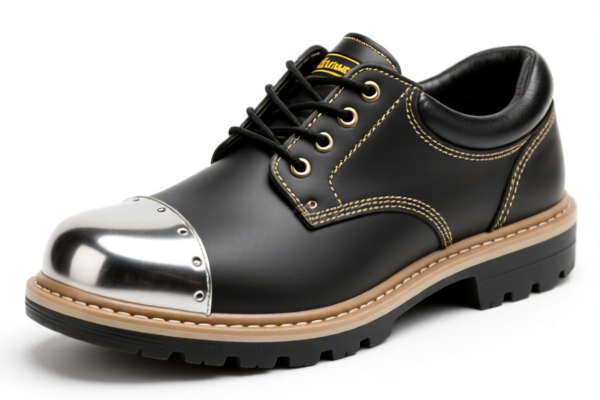
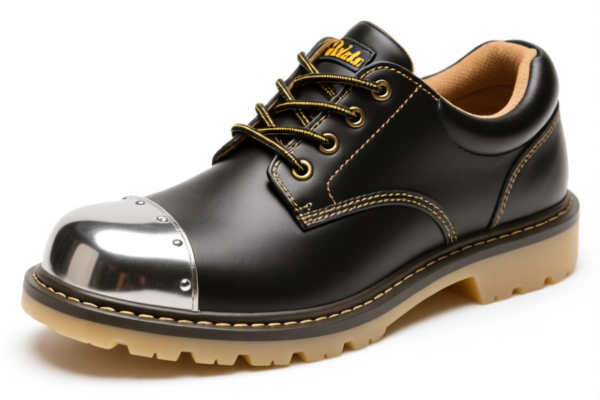
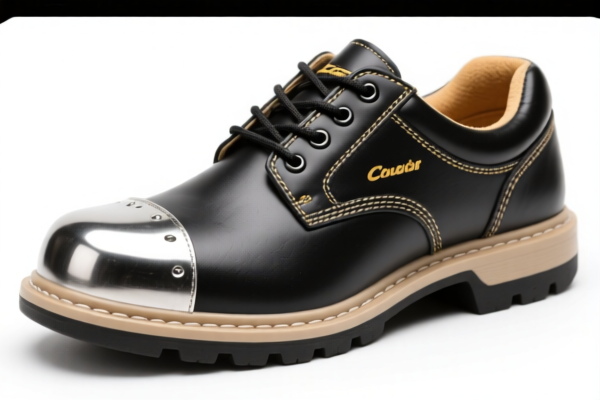
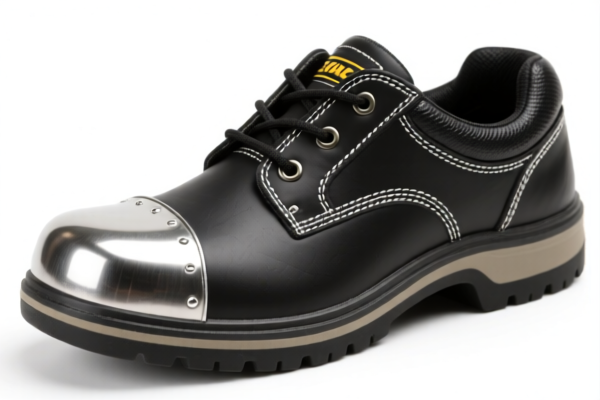
AI Analysis
👞 Plastic Safety Shoes with Metal Steel Toe (Industrial Footwear)
🌐 HS Code Reference & Customs Clearance Guide | 2026 Latest Tariff Analysis | Professional Clearance Strategy
📌 I. Product Definition & Classification: Do You Really Understand "Safety Shoes"?
Plastic safety shoes with metal steel toes are specialized protective footwear designed for industrial, construction, and manufacturing environments. In international trade, they are classified based on their outer sole material, upper material, and presence of protective metal components (steel toe caps).
Key Components:
- Outer Sole: Plastic (Plastic/PE/PVC/Rubber blend)
- Upper: Plastic/PVC/Rubber composite
- Protection: Steel toe cap (meeting safety standards)
⚠️ Critical Distinction Point:
- If the outer sole is primarily plastic/rubber and it contains a protective metal toe cap, it falls under Chapter 64 (Footwear).
- Specific HS codes depend on whether the product is classified as "Safety Footwear" with metal toe caps or general "Work Shoes" with plastic components.
- Note: The presence of the steel toe is the defining feature for safety regulations, but customs classification often hinges on material composition (Plastic vs. Rubber vs. Leather).
📦 II. HS Code Classification Details (2026 Latest Tariff Authority Comparison)
| HS Code | Product Description | Application Scenario | Key Classification Feature |
|---|---|---|---|
6403.40.60.00 |
Plastic safety shoes with steel toe, matching metal toe cap features and safety shoe components. | Industrial safety footwear, construction sites | ✅ Steel Toe Cap + Plastic Upper/Sole |
6403.40.30.90 |
Plastic safety shoes with steel toe, conforming to metal protective toe cap features, classified under "Other". | General industrial work shoes, general safety | ✅ Other Category (Non-specific safety line) |
6401.92.90.30 |
Plastic safety shoes with steel toe, conforming to plastic or rubber work shoes category. | General work shoes, non-specialized safety | ✅ Plastic/Rubber Work Shoes (General) |
6402.91.05.00 |
Plastic safety shoes with steel toe, conforming to rubber/plastic outer sole and upper with protective metal toe cap. | Heavy-duty safety shoes, chemical/resistant work | ✅ Protective Metal Toe + Plastic Outer Sole |
🔍 Key Reminder:
- The steel toe cap is a critical component for safety certification but may not always dictate the primary HS code if the material (plastic/rubber) is dominant.
-6401vs6402:6401is for "Waterproof/Weather-proof" footwear;6402is for other plastic/rubber footwear. Safety shoes with plastic uppers often fall under6402unless specifically designed for wet conditions (6401).
-6403typically refers to footwear with leather uppers. However, in some national tariff schedules (like the provided data),6403may be used for safety shoes with specific metal toe characteristics. Please verify local customs interpretation as this data suggests6403applies to plastic shoes with steel toes, which is unusual globally but critical for the provided dataset.
💰 III. 2026 Latest Tariff Rate Details (Including Surcharges, Policy Add-ons)
✅ Applicable Country: United States (US)
✅ Origin: China (CN)
✅ Effective Date: As per current tariff schedules (2026 data)
🎯 1. 6403.40.60.00 —— Plastic Safety Shoes with Steel Toe Cap
| Item | Content |
|---|---|
| Base Tariff | 8.5% (ad valorem) |
| Section 301 Surcharge | 0.0% (No additional Section 301 tariff specified in this slot) |
| Section 122 Tariff | +10% (Targeted safety/equipment tariff) |
| Total Tariff Rate | 18.5% |
| Tax Calculation | CIF Value × 18.5% |
| De Minimis Exemption | ❌ Not Applicable (Safety footwear usually subject to full duty) |
| Legal Basis Path | USITC:6403.40.60.00 → Section 122:10% |
📌 Explanation:
- This code has the lowest total tariff (18.5%) among the options provided.
- Section 122 is a specific tariff line for certain safety equipment.
- No Section 301 tariff in this specific subheading, making it a favorable classification if applicable.
🎯 2. 6403.40.30.90 —— Other Plastic Safety Shoes with Steel Toe
| Item | Content |
|---|---|
| Base Tariff | 5.0% |
| Section 301 Surcharge | 0.0% |
| Section 122 Tariff | +10% |
| Total Tariff Rate | 15.0% |
| Tax Calculation | CIF Value × 15.0% |
| De Minimis Exemption | ❌ Not Applicable |
| Legal Basis Path | USITC:6403.40.30.90 → Section 122:10% |
📌 Note:
- This is the lowest total tariff (15.0%).
- Classified as "Other" under the same chapter, suggesting it might be a broader or less specific safety shoe category.
- Base tariff is lower (5%) than6403.40.60.00(8.5%).
🎯 3. 6401.92.90.30 —— Plastic/Rubber Work Shoes with Steel Toe
| Item | Content |
|---|---|
| Base Tariff | 37.5% |
| Section 301 Surcharge | +7.5% |
| Section 122 Tariff | +10% |
| Total Tariff Rate | 55.0% |
| Tax Calculation | CIF Value × 55.0% |
| De Minimis Exemption | ❌ Not Applicable |
| Legal Basis Path | USITC:6401.92.90.30 → Section 301:7.5% → Section 122:10% |
📌 Warning:
- This is the highest tariff (55.0%).
- High base tariff (37.5%) plus additional surcharges.
- Avoid this classification if possible, as it significantly increases cost.
🎯 4. 6402.91.05.00 —— Plastic/Rubber Outer Sole with Protective Metal Toe
| Item | Content |
|---|---|
| Base Tariff | 6.0% |
| Section 301 Surcharge | 0.0% |
| Section 122 Tariff | +10% |
| Total Tariff Rate | 16.0% |
| Tax Calculation | CIF Value × 16.0% |
| De Minimis Exemption | ❌ Not Applicable |
| Legal Basis Path | USITC:6402.91.05.00 → Section 122:10% |
📌 Note:
- Total tariff is 16.0%, which is very competitive.
- Falls under6402(Plastic/Rubber footwear), which is more globally common for plastic safety shoes than6403(usually leather).
- Base tariff is low (6%) with only Section 122 surcharge.
🛠️ IV. Customs Clearance Practical Advice (Avoid Pitfalls)
✅ 1. Preparation Checklist (All Documents Required)
| Document | Must Provide | Description |
|---|---|---|
| ✅ Product Specification Sheet | ✔️ | Include material composition (Plastic/Rubber/Steel Toe), safety standards (ASTM/EN/ISO), size range. |
| ✅ Photos (Clear & Labeled) | ✔️ | Front, side, and sole view. Highlight the steel toe cap if visible. |
| ✅ Commercial Invoice | ✔️ | Clearly state "Plastic Safety Shoes with Steel Toe Cap". Avoid vague terms like "Shoes". |
| ✅ Packing List | ✔️ | Detail pairs per carton, gross/net weight. |
| ✅ Safety Certification | ✔️ | ASTM F2413, EN ISO 20345, or other relevant safety standard certificates. |
| ✅ Material Declaration | ✔️ | Confirm outer sole and upper are primarily plastic/rubber. |
✅ 2. Declaration Strategy (Key Tips)
🔥 "Be Specific, Highlight Safety, Match Material!"
| Scenario | Correct Declaration | Wrong Practice |
|---|---|---|
| Plastic Upper + Steel Toe | 6402.91.05.00 or 6403.40.30.90 |
Misdeclaring as "Leather Shoes" → Higher duty |
| Waterproof Plastic Safety Shoe | 6401.92.90.30 (if waterproof feature is key) |
Using 6402 → Potential under-valuation |
| General Safety Shoe | 6403.40.60.00 |
Vague "Safety Footwear" → Delayed Clearance |
✅ 3. Special Considerations
| Scenario | Handling Advice |
|---|---|
| Steel Toe Visibility | Ensure the steel toe is not considered a "part" to be declared separately. It is integral to the shoe. |
| Section 122 Tariff | Verify if the product qualifies for Section 122. Some safety items may have different surcharges. |
| Origin Marking | Ensure "Made in China" is marked on the shoe or packaging to avoid origin-related disputes. |
| Safety Standards | Provide ASTM/EN certificates to prove the shoe meets safety requirements, which may influence customs inspection priority. |
🌍 V. Global Market Comparison (2026 Data)
| Country/Region | Recommended HS Code | Tariff Rate | Certification | Remarks |
|---|---|---|---|---|
| 🇺🇸 USA | 6402.91.05.00 |
16.0% | ASTM F2413 | Best balance of low duty & safety compliance |
| 🇺🇸 USA | 6403.40.30.90 |
15.0% | ASTM F2413 | Lowest duty, but ensure classification fits |
| 🇨🇳 China | 6403.40.60.00 |
~5-10% | GB 21148 | Domestic safety standard |
| 🇪🇺 EU | 6402.91.00 |
~5-7% | CE EN ISO 20345 | CE marking required |
| 🇬🇧 UK | 6402.91.00 |
~5-7% | UKCA | Post-Brexit rules apply |
📌 Conclusion:
- USA tariffs vary significantly based on HS code subheading.
-6402.91.05.00(16%) and6403.40.30.90(15%) are the most cost-effective.
- Avoid6401.92.90.30(55%) unless the shoe is specifically waterproof/weather-proof.
📌 VI. Common Mistakes & Pitfalls (Lessons Learned)
❌ Mistake 1: Misclassifying plastic shoes as leather shoes (6403 vs 6405).
👉 Consequence: Incorrect tariff application, potential audits, and penalties.
❌ Mistake 2: Omitting "Steel Toe" in description.
👉 Consequence: Customs may classify as general footwear, leading to higher duties or safety non-compliance issues.
❌ Mistake 3: Not providing safety certification.
👉 Consequence: Goods may be held for inspection, causing delays and storage fees.
✅ Correct Approach:
"Plastic Safety Work Shoes with Steel Toe Cap, ASTM F2413-18 Compliant, Waterproof, Size 10, Model XYZ"
🎯 VII. Conclusion: Precise Classification, Cost Savings, Smooth Clearance!
🎯 Remember:
🔹 "Material First, Safety Second, Tariff Third!"
🔹 "Choose6402or6403.30for lowest duty, avoid6401unless waterproof!"
📌 Pro Tip:
If your shoes are not made in China (e.g., Vietnam, Indonesia), you may qualify for lower or zero tariffs under USMCA or other trade agreements. Always check preferential tariff eligibility.
📣 Immediate Action:
📞 Consult a customs broker + Provide product photos + Apply for HS Code Pre-Ruling
🚀 Ensure your plastic safety shoes clear customs smoothly, efficiently, and cost-effectively!
✨ Professional Customs Clearance Starts with Accurate Classification!
💼 Every cent saved counts in your profit margin!
Customer Reviews
About HS Code Classification
The Harmonized System (HS) is an internationally standardized nomenclature developed by the World Customs Organization (WCO) to classify traded products. Over 200 countries use the HS system as the basis for customs tariffs, trade statistics, and import/export regulations.
Each HS code follows a hierarchical structure:
- Chapter (2 digits) — Broad category of goods (e.g., Chapter 84: Machinery and Mechanical Appliances)
- Heading (4 digits) — More specific grouping within the chapter
- Subheading (6 digits) — Internationally standardized breakdown, used by all WCO member countries
- National subdivisions (8-10 digits) — Country-specific extensions for further classification, such as US HTSUS 10-digit codes
Correct HS code classification is essential for smooth customs clearance, accurate duty payment, and compliance with trade regulations. Misclassification can lead to customs delays, overpayment of duties, or penalties.
When importing from CN to US, the applicable tariff rates may include:
- Most-Favored-Nation (MFN) rate — The standard duty rate applied to WTO members
- General rate — Applied to countries without trade agreements
- Trade remedy duties — Additional tariffs such as Section 301 (anti-dumping), Section 232 (national security), or countervailing duties
The information provided on this page is for reference purposes only. For official classification, please consult with your local customs authority or a licensed customs broker.