Plastic Seat Parts
CN → US| HS Code | Tariff Rate | Origin | Destination | Doc |
|---|---|---|---|---|
| 9403993080 | 35.0% | CN | US | Official Doc |
| 9401993580 | 35.0% | CN | US | Official Doc |
| 9403994080 | 35.0% | CN | US | Official Doc |
| 3926305000 | 22.8% | CN | US | Official Doc |
| 3926301000 | 24.0% | CN | US | Official Doc |
Product Images
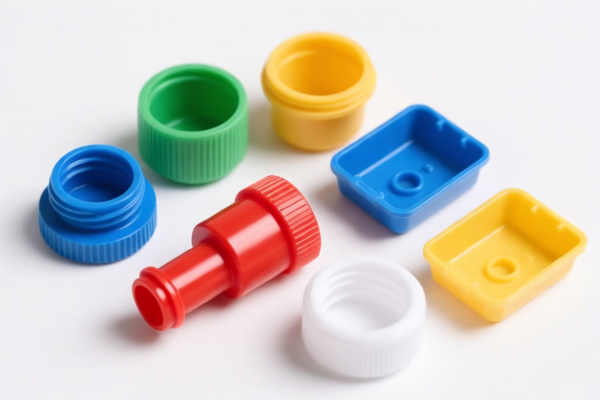
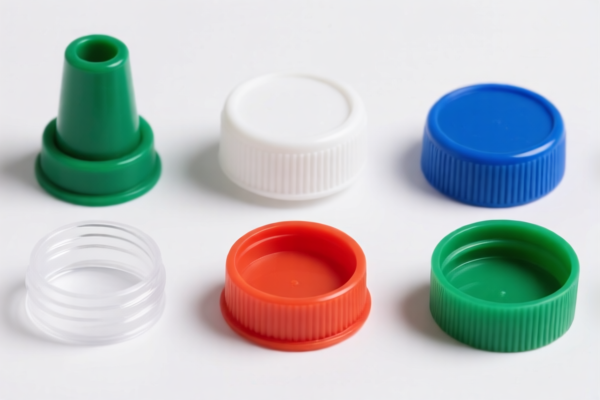
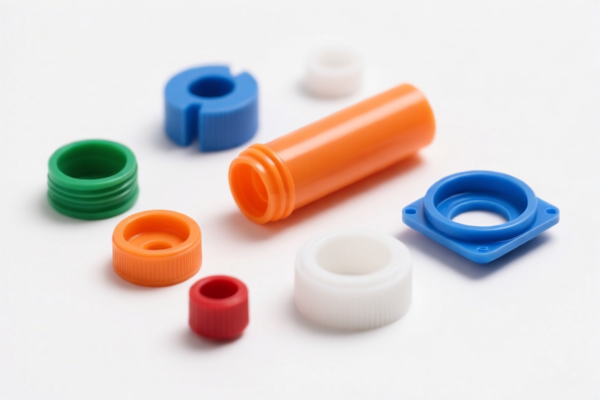
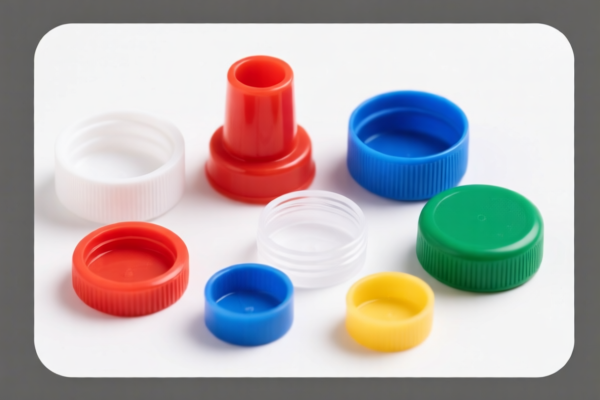
AI Analysis
🪑 Plastic Seat Parts: The Ultimate HS Code & Duty Breakdown (2026 Edition)
🌐 HS Code Reference & Clearance Guide | 2026 Latest Tariff Analysis | Professional Customs Strategy
📌 I. Product Definition & Classification: Are You Selling Furniture or Plastic Goods?
Plastic seat parts are common accessories in the furniture, automotive, and hospitality industries. However, their classification in international trade is highly sensitive to structure, function, and completeness.
In the 2026 tariff schedule, "Plastic Seat Parts" are primarily divided into two competing categories based on their relationship to the final furniture item:
- Furniture Parts (Chapter 94): Specifically designed components that are integral to a specific type of furniture (e.g., chair frames, armrests, seat bases).
- General Plastic Articles (Chapter 39): Generic plastic components that can serve multiple purposes or are not specifically identifiable as parts of a single furniture item.
⚠️ Key Distinction Point:
- If the part is specifically shaped/molded for a particular chair/sofa and is used as a structural or functional component (e.g., leg caps, backrest supports) → It likely falls under Chapter 94. - If the part is a generic plastic component (e.g., simple brackets, unshaped connectors, or parts that could fit multiple non-furniture items) → It likely falls under Chapter 39.
📦 II. HS Code Classification Details (2026 Latest Tariff Authority)
Based on the provided data, here is the precise breakdown for Plastic Seat Parts:
| HS Code | Product Description | Specific Use / Context | Tax Rate |
|---|---|---|---|
9403.99.30.80 |
Furniture Parts (Plastic) | Plastic accessories specifically for furniture. Often used for structural components like chair legs, arms, or base frames. | 35.0% |
9401.99.35.80 |
Seat Parts for Chairs (Plastic) | Specifically for seating (chairs). Covers plastic backrests, seat cushions' hard shells, or specific chair mechanisms. | 35.0% |
9403.99.40.80 |
Other Furniture Parts (Plastic) | Plastic accessories for furniture not elsewhere specified. Broad category for miscellaneous plastic furniture components. | 35.0% |
3926.30.50.00 |
Other Plastic Articles (Furniture Parts) | Plastic parts for furniture, but classified under general plastic articles. Often used for smaller, non-structural, or generic plastic fittings. | 22.8% |
3926.30.10.00 |
Plastic Fittings for Furniture | Plastic fasteners, connectors, or small fittings used in furniture assembly. Classified as general plastic articles. | 24.0% |
🔍 Critical Note:
- Chapter 94 Items (9403/9401): These are treated as Furniture Parts. They carry a higher base duty structure but are recognized as integral to the furniture chapter. - Chapter 39 Items (3926): These are treated as General Plastic Articles. They have a lower base duty structure but are subject to specific "plastic article" rules. - Misclassification Risk: Declaring a structural chair leg as a "plastic fitting" (3926) to save tax may trigger customs audits if the part is clearly identifiable as a furniture component.
💰 III. 2026 Latest Tariff Rate Breakdown (Including Surcharges & Policy Add-ons)
✅ Applicable Country: USA (US)
✅ Country of Origin: China (CN)
✅ Effective Date: November 10, 2025 (and onwards)
🎯 1. High-Tariff Group: 9403.99.30.80, 9401.99.35.80, 9403.99.40.80
(Furniture Parts – Chapter 94)
| Item | Detail |
|---|---|
| Base Duty | 0.0% (Ad Valorem) |
| Section 301 Surcharge | +25.0% |
| IEEPA (122 Clause) | +10.0% |
| Total Duty Rate | 35.0% |
| Calculation Basis | CIF Value × 35% |
| De Minimis Eligibility | ❌ Not Eligible (Subject to full scrutiny) |
| Legal Basis Path | USITC:9403.99.30.80 → FOOTNOTE:301.88.01 → IEEPA:9903.01.24 |
📌 Explanation:
- These codes fall under Section 301 tariffs due to their classification as manufactured goods from China. - The 35% total rate (0% base + 25% 301 + 10% IEEPA) is significant. It reflects the US policy of taxing finished furniture components heavily.
🎯 2. Mid-Tariff Group: 3926.30.50.00
(Plastic Articles – Chapter 39)
| Item | Detail |
|---|---|
| Base Duty | 5.3% (Ad Valorem) |
| Section 301 Surcharge | +7.5% |
| IEEPA (122 Clause) | +10.0% |
| Total Duty Rate | 22.8% |
| Calculation Basis | CIF Value × 22.8% |
| De Minimis Eligibility | ❌ Not Eligible |
| Legal Basis Path | USITC:3926.30.50.00 → FOOTNOTE:301.39.01 → IEEPA:9903.01.24 |
📌 Explanation:
- Chapter 39 has a non-zero base duty (5.3%). - The 301 surcharge is lower (7.5% vs. 25%) for this sub-category, likely due to specific HTSUS list definitions for certain plastic articles. - Total 22.8% is significantly cheaper than the 35% group.
🎯 3. Low-Mid Tariff Group: 3926.30.10.00
(Plastic Fittings – Chapter 39)
| Item | Detail |
|---|---|
| Base Duty | 6.5% (Ad Valorem) |
| Section 301 Surcharge | +7.5% |
| IEEPA (122 Clause) | +10.0% |
| Total Duty Rate | 24.0% |
| Calculation Basis | CIF Value × 24.0% |
| De Minimis Eligibility | ❌ Not Eligible |
| Legal Basis Path | USITC:3926.30.10.00 → FOOTNOTE:301.39.01 → IEEPA:9903.01.24 |
📌 Explanation:
- Similar to3926.30.50.00, but with a slightly higher base duty (6.5%). - Total 24.0% makes it the most cost-effective option if the product can legitimately be classified here.
🛠️ IV. Customs Clearance Practical Advice (Avoid Pitfalls)
✅ 1. Documentation Checklist (Non-negotiable)
| Document | Mandatory? | Description |
|---|---|---|
| ✅ Product Specification Sheet | ✔️ | Must detail dimensions, material (e.g., PP, ABS, PE), and function. |
| ✅ Technical Drawings / CAD Files | ✔️ | Crucial to prove if the part is "specific to furniture" (9403) or "generic plastic article" (3926). |
| ✅ High-Resolution Photos | ✔️ | Include labels, molding marks, and assembly context. |
| ✅ Commercial Invoice | ✔️ | Clearly state "Plastic Parts for Furniture" or "Plastic Fittings". Avoid vague terms like "Plastic Goods". |
| ✅ Packing List | ✔️ | Detail quantity, weight, and packaging type. |
| ✅ Certificate of Origin (CO) | ✔️ | Required for origin verification. |
✅ 2. Classification Strategy (The Golden Rule)
🔥 "Know Your Function: Structural vs. Generic!"
| Scenario | Recommended HS Code | Why? |
|---|---|---|
| Chair Leg / Armrest / Backrest Shell | 9401.99.35.80 or 9403.99.30.80 |
Clearly identifiable as a furniture part. High duty (35%) but accurate. |
| Plastic Cap / Foot / Connector | 3926.30.10.00 |
If it's a small fitting/fastener, it may qualify for Chapter 39 (24%). |
| Generic Bracket / Unshaped Piece | 3926.30.50.00 |
If it lacks specific furniture morphology, it's a general plastic article (22.8%). |
⚠️ Warning: Do not declare a structural chair leg as a "plastic fitting" (
3926) to save tax. Customs may reject it based on visual inspection or drawings, leading to reclassification, penalties, and delays.
✅ 3. Special Circumstances
| Situation | Advice |
|---|---|
| Set Sold as "Kit" | If selling a "DIY Chair Kit" with plastic parts, consider declaring the entire kit as a furniture set if possible, or ensure all components are consistently classified. |
| Mixed Shipments | If a container has both Chapter 94 and 39 items, declare them separately. Do not lump them under one code. |
| OEM Custom Parts | Provide the end-product specification to prove the part's specific use. This supports Chapter 94 classification (if that is the intent) or helps justify Chapter 39 if generic. |
🌍 V. Global Market Comparison (2026)
| Country/Region | Recommended HS Code | Est. Duty (China Origin) | Key Requirements | Notes |
|---|---|---|---|---|
| 🇺🇸 USA | 9403.99.30.80 / 3926.30.50.00 |
35% / 22.8% | FCC/CA Prop 65 (if applicable) | High tariffs due to Section 301 & IEEPA. |
| 🇨🇳 China | 9403.99.30.80 / 3926.30.50.00 |
Varies (Check CHS) | CCC (if applicable) | Lower base duties, no 301 tariffs. |
| 🇪🇺 EU | 9403.99 / 3926.90 |
0-3.7% | CE Marking, REACH | No "Section 301" equivalent. |
| 🇨🇦 Canada | 9403.99 / 3926.90 |
0-5% | CFIA (if wood/plastic mix) | Generally low tariffs. |
📌 Conclusion:
- The USA is the most challenging market for plastic seat parts due to the 25% Section 301 + 10% IEEPA surcharges. - Chapter 39 (3926) codes offer a ~10-12% tax advantage over Chapter 94 codes, but only if the product genuinely fits the "plastic article" definition.
📌 VI. Common Mistakes & Pitfalls (Blood Lessons)
❌ Mistake 1: Declaring all plastic parts as 3926.30.50.00 to save tax.
👉 Consequence: If customs determines the part is specifically for furniture (e.g., a molded chair seat), they will reclassify to 9403 → Back duty + 10% penalty.
❌ Mistake 2: Using vague descriptions like "Plastic Parts" on the invoice.
👉 Consequence: Customs will choose the highest applicable duty rate for uncertainty, or hold the shipment for manual review → Delay.
❌ Mistake 3: Ignoring the "122 Clause" (IEEPA).
👉 Consequence: Forgetting the 10% IEEPA tariff leads to underpayment, resulting in audits and fines upon entry.
✅ Best Practice:
"Plastic Armrest Support for Chair, Material: ABS, Model: XYZ-123, Not for Resale"
🎯 VII. Conclusion: Precise Classification Saves Money!
🎯 Remember the Formula:
🔹 Structural Furniture Part →
9403/9401→ 35% Duty
🔹 Generic Plastic Fitting/Article →3926→ 22.8%-24% Duty
🔹 Accurate Description + Drawings → Fast Clearance
📌 Tip:
If you are exporting to the USA, always consult with a licensed customs broker to confirm whether your specific plastic part qualifies for the lower 3926 rate. The difference of ~10-12% can significantly impact your profit margin.
📣 Immediate Action:
📞 Contact a Customs Broker with your technical drawings.
📄 Prepare Accurate Descriptions.
🚀 Optimize Your HS Code Strategy to maximize profit!
✨ Professional Clearance Starts with Accurate Classification!
💼 Every Percent of Duty Saved is Pure Profit!
Customer Reviews
About HS Code Classification
The Harmonized System (HS) is an internationally standardized nomenclature developed by the World Customs Organization (WCO) to classify traded products. Over 200 countries use the HS system as the basis for customs tariffs, trade statistics, and import/export regulations.
Each HS code follows a hierarchical structure:
- Chapter (2 digits) — Broad category of goods (e.g., Chapter 84: Machinery and Mechanical Appliances)
- Heading (4 digits) — More specific grouping within the chapter
- Subheading (6 digits) — Internationally standardized breakdown, used by all WCO member countries
- National subdivisions (8-10 digits) — Country-specific extensions for further classification, such as US HTSUS 10-digit codes
Correct HS code classification is essential for smooth customs clearance, accurate duty payment, and compliance with trade regulations. Misclassification can lead to customs delays, overpayment of duties, or penalties.
When importing from CN to US, the applicable tariff rates may include:
- Most-Favored-Nation (MFN) rate — The standard duty rate applied to WTO members
- General rate — Applied to countries without trade agreements
- Trade remedy duties — Additional tariffs such as Section 301 (anti-dumping), Section 232 (national security), or countervailing duties
The information provided on this page is for reference purposes only. For official classification, please consult with your local customs authority or a licensed customs broker.