Plastic Self Adhesive Tape for Automotive Doors
CN → US| HS Code | Tariff Rate | Origin | Destination | Doc |
|---|---|---|---|---|
| 3919102055 | 40.8% | CN | US | Official Doc |
| 3919102020 | 40.8% | CN | US | Official Doc |
| 3926305000 | 22.8% | CN | US | Official Doc |
| 3926909989 | 22.8% | CN | US | Official Doc |
| 3919102055 | 40.8% | CN | US | Official Doc |
Product Images
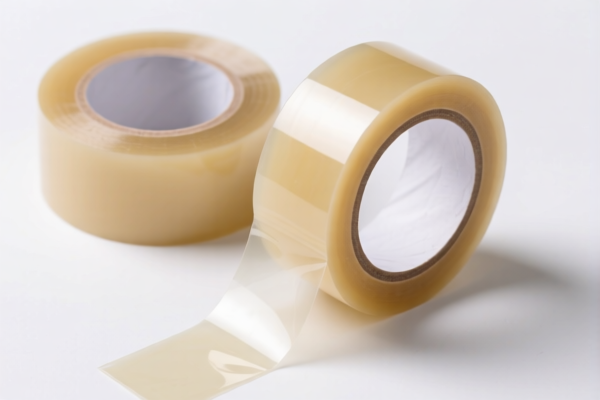
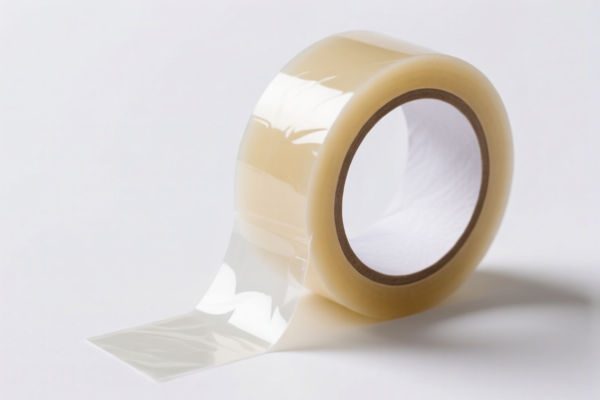
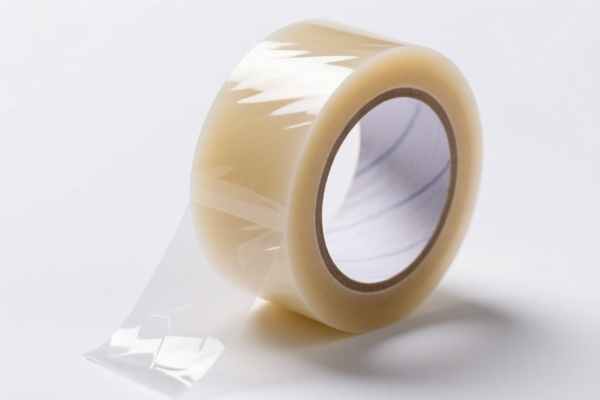
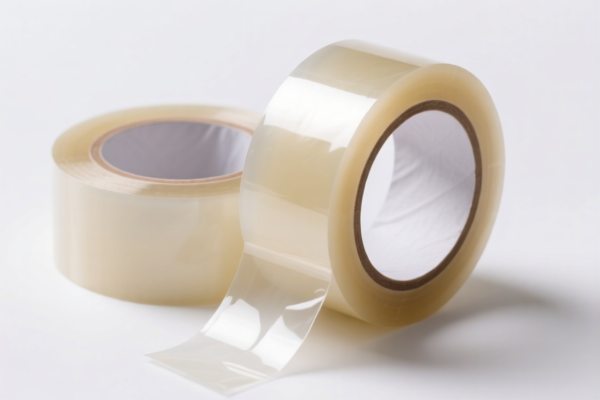
AI Analysis
🚗 Plastic Self-Adhesive Tape for Automotive Doors (Automotive Door Trim Tape)
🌐 HS Code Reference & Customs Clearance Guide | 2026 Latest Tariff Analysis | Professional Clearance Strategy
📌 I. Product Definition & Classification: What Exactly is "Automotive Door Tape"?
Plastic Self-Adhesive Tape for Automotive Doors is a specialized industrial material used in vehicle manufacturing and after-market repair. It serves as the bonding agent between exterior trim (such as door moldings, emblems, and body kits) and the car's painted surface.
In international trade, this product is primarily classified under Chapter 39 (Plastics and Articles Thereof). The classification depends heavily on the form (is it a simple self-adhesive tape or a complex plastic fitting?) and the specific usage.
⚠️ Key Distinction Points:
- If the product is a roll of plastic tape with an adhesive backing, regardless of its width, it generally falls under 3919 (Self-adhesive plates, sheets, film, foil, tape, strip, and other shapes of plastic).
- If the product is a pre-formed plastic piece used for connection/adhesion but not in a roll/tape format, it may fall under 3926 (Other articles of plastics).
- Crucial for Tariffs: US origin goods (China) face significant "Section 301" and "Section 122" additional tariffs, making precise HS Code selection vital for cost control.
📦 II. HS Code Classification Details (2026 Latest Tariff Authority Comparison)
Based on the provided data, here are the four potential HS Codes and their detailed breakdowns:
| HS Code | Product Description | Application Scenario | Tax Status (China Origin) |
|---|---|---|---|
3919.10.20.55 |
Plastic material, self-adhesive tape form, for automotive doors. | Standard adhesive tape rolls used for attaching door moldings. | ⚠️ High Tax: 40.8% |
3919.10.20.20 |
Plastic material, self-adhesive tape form, for automotive doors. | Plastic self-adhesive products with reasonable usage for automotive parts. | ⚠️ High Tax: 40.8% |
3926.30.50.00 |
Plastic material, used for automotive exterior decoration connection/adhesion fittings. | Pre-formed plastic connectors, clips, or non-tape adhesive fittings for exterior trim. | ✅ Lower Tax: 22.8% |
3926.90.99.89 |
Plastic material, tape form, classified as other plastic articles. | Other plastic articles not specified elsewhere, including specific tape forms. | ✅ Lower Tax: 22.8% |
🔍 Key Reminder:
- Codes3919.10.20.55and3919.10.20.20are strictly self-adhesive plastic tapes. They are subject to the highest additional tariffs due to their classification as basic plastic consumables.
- Codes3926.30.50.00and3926.90.99.89represent "Other Plastic Articles". If your product can be technically justified as a specialized fitting or part rather than just "tape," you may qualify for the lower 22.8% rate.
- Note: The summary for3926.90.99.89mentions "tape form," but it is classified under "Other articles," suggesting a specific structural or functional distinction from standard rolls.
💰 III. 2026 Latest Tariff Rate Details (Including Surtaxes & Policy Add-ons)
✅ Applicable Country: United States (US)
✅ Country of Origin: China (CN)
✅ Effective Date: Current rates apply based on Section 301 and Section 122 provisions.
🎯 1. 3919.10.20.55 & 3919.10.20.20 —— Plastic Self-Adhesive Tapes
| Item | Content |
|---|---|
| Base Rate | 5.8% (Ad Valorem) |
| Section 301 Surcharge | +25.0% (Trade Remedy Tariff) |
| Section 122 Surcharge | +10.0% (Specific surcharge for certain plastic articles) |
| Total Effective Rate | 40.8% |
| Tax Calculation | CIF Value × 40.8% |
| De Minimis Exemption | ❌ Not Eligible (Deny de minimis for these codes due to high surcharge components) |
| Legal Basis Path | USITC:3919.10.20.xx → Section 301: 25% → Section 122: 10% |
📌 Explanation:
- These codes are classified under 3919, which covers self-adhesive plates, sheets, film, foil, tape, strip, and other shapes of plastic.
- The 25% is the standard Section 301 tariff on Chinese plastics.
- The 10% is a specific additional tariff (often referred to as the "122 Clause" tariff in this context) applied to these specific plastic tape items.
- Total 40.8% is a very high cost. Importers must ensure the product description explicitly matches the "self-adhesive tape" definition to avoid misclassification disputes, but also consider if re-classification under 3926 is possible.
🎯 2. 3926.30.50.00 —— Other Plastic Articles (Automotive Exterior Fittings)
| Item | Content |
|---|---|
| Base Rate | 5.3% (Ad Valorem) |
| Section 301 Surcharge | +7.5% (Reduced Section 301 rate for certain articles) |
| Section 122 Surcharge | +10.0% (Specific surcharge for certain plastic articles) |
| Total Effective Rate | 22.8% |
| Tax Calculation | CIF Value × 22.8% |
| De Minimis Exemption | ❌ Not Eligible |
| Legal Basis Path | USITC:3926.30.50.00 → Section 301: 7.5% → Section 122: 10% |
📌 Note:
- This code falls under 3926.30 (Fittings for furniture, coachwork or the like). If your "tape" is actually a pre-formed connector or trim piece that sticks to the door, it may qualify here.
- The Section 301 rate is significantly lower (7.5% vs 25%).
- Total 22.8% offers a 18% tax saving compared to the 3919 codes.
🎯 3. 3926.90.99.89 —— Other Plastic Articles (Other)
| Item | Content |
|---|---|
| Base Rate | 5.3% (Ad Valorem) |
| Section 301 Surcharge | +7.5% (Reduced Section 301 rate for certain articles) |
| Section 122 Surcharge | +10.0% (Specific surcharge for certain plastic articles) |
| Total Effective Rate | 22.8% |
| Tax Calculation | CIF Value × 22.8% |
| De Minimis Exemption | ❌ Not Eligible |
| Legal Basis Path | USITC:3926.90.99.89 → Section 301: 7.5% → Section 122: 10% |
📌 Note:
- This is a "catch-all" for other plastic articles. The summary mentions "tape form," but it is not classified under 3919. This implies it might be a specialty adhesive component or a plastic article that doesn't meet the standard definition of "self-adhesive tape" in Chapter 3919.
- Same 22.8% rate as3926.30.50.00.
🛠️ IV. Customs Clearance Practical Advice (Battle-Tested Pitfall Guide)
✅ 1. Documentation Checklist (Required for Clearance)
| Document | Must Provide | Description |
|---|---|---|
| ✅ Product Spec Sheet | ✔️ | Detailed composition (plastic type, adhesive type), dimensions, thickness, width. |
| ✅ Technical Description | ✔️ | Clearly state if it is a "roll" (3919) or a "pre-formed part" (3926). |
| ✅ Product Photos | ✔️ | Show the product in use (on a car door) and its packaging. |
| ✅ Commercial Invoice | ✔️ | Accurate description: "Plastic Self-Adhesive Tape for Automotive Door Trim" or "Plastic Exterior Fitting." |
| ✅ Certificate of Origin | ✔️ | Proof of Chinese origin to apply correct tariffs. |
| ✅ Packing List | ✔️ | Weight and dimensions of packages. |
✅ 2. Declaration Strategy (Key Mnemonic)
🔥 "Form Determines Code, Code Determines Tax!"
| Situation | Correct Declaration Strategy | Incorrect Action |
|---|---|---|
| Product is a standard roll of adhesive tape | Declare as 3919.10.20.xx (40.8% tax) | Try to force it into 3926 → Risk of seizure or penalty |
| Product is a pre-formed plastic piece (clip/connector) with adhesive | Declare as 3926.30.50.00 (22.8% tax) | Declare as "Tape" → Overpaying 18% tax |
| Product is a specialty plastic article (not standard tape, not standard fitting) | Declare as 3926.90.99.89 (22.8% tax) | Guessing HS Code → Customs delay |
| Generic "Plastic Tape" | Default to 3919 unless technical proof exists for 3926 | Misclassification → Audit risk |
✅ 3. Special Cases
| Scenario | Handling Advice |
|---|---|
| Custom-shaped adhesive strips | If cut to specific shapes (e.g., door contour) and sold as parts, argue for 3926. If sold on a roll and cut by user, stick to 3919. |
| Mixed shipments | Clearly separate "Tape Rolls" (3919) from "Plastic Fittings" (3926) in the invoice. Do not mix. |
| OEM Custom Parts | Provide OEM drawings. If the drawing shows a 3D molded piece, use 3926. If it shows a 2D roll, use 3919. |
🌍 V. Global Market Clearance Comparison (2026 Latest)
| Country/Region | Recommended HS Code | Tariff (China Origin) | Certification | Remarks |
|---|---|---|---|---|
| 🇺🇸 USA | 3919.10.20.xx |
40.8% | None specific | High tax due to Sec 301 + 122. |
| 🇺🇸 USA | 3926.30/90.xx |
22.8% | None specific | Lower tax if classified as "Fitting/Other Article." |
| 🇨🇳 China | 3919.10.20.xx |
~5.3-5.8% | RoHS/REACH (if exported back) | Low tariff, no extra surcharges. |
| 🇪🇺 EU | 3919.10.00 |
0-6.5% | REACH | No Section 301 surcharges. |
| 🇬🇧 UK | 3919.10.00 |
0-6.5% | UKCA | Post-Brexit rules apply. |
📌 Conclusion:
- USA is the only major market imposing heavy additional tariffs on these plastic tapes.
- Cost Saving Opportunity: If your product allows, structure it as a "Plastic Fitting" (3926) rather than a "Tape" (3919) to save 18% in taxes.
- Documentation is Key: You must prove the "fitting" nature (e.g., pre-formed, specific shape) to justify 3926.
📌 VI. Common Errors & Pitfall Guide (Lessons Learned)
❌ Error 1: Declaring a standard adhesive tape roll as "Plastic Fitting" to avoid 40.8% tax.
👉 Consequence: Customs will inspect, find it's a roll, reclassify to 3919, and apply 40.8% + penalties.
❌ Error 2: Not specifying "Self-Adhesive" in the description.
👉 Consequence: Customs may classify under plain plastic sheets (different code), leading to declaration mismatch and delays.
❌ Error 3: Assuming "Automotive Use" automatically qualifies for a lower tax rate.
👉 Consequence: No specific automotive tariff reduction for plastic tapes in the US. Tariff is based on material and form, not end-use.
✅ Correct Practice:
"Plastic Self-Adhesive Tape, Roll Form, for Automotive Door Trim, Width 20mm, Thickness 1mm" → 3919.10.20.55 (40.8%)
OR
"Pre-Formed Plastic Exterior Door Connector with Adhesive Backing, Model XYZ" → 3926.30.50.00 (22.8%)
🎯 VII. Conclusion: Professional Declaration, Save Money, Clear Faster!
🎯 Remember the Mnemonic:
🔹 "Rolls are 3919 (40.8%), Forms are 3926 (22.8%)!"
🔹 "Shape Determines Code, Code Determines Cost!"
🔹 "Misclassification leads to 18% extra tax!"
📌 Pro Tip:
If your product is a standard tape, accept the 40.8% tax as a cost of doing business in the US.
If your product can be pre-molded or pre-cut, redesign the packaging and description to support 3926 classification.
Apply for a Pre-Ruling (ACE Portal) from US CBP to confirm your HS Code before shipment.
📣 Immediate Action:
📞 Contact a Professional Customs Broker + Provide Product Photos/Specs + Request HS Code Pre-Ruling
🚀 Let Your Automotive Parts Clear Customs Smoothly, Efficiently, and Profitably!
✨ Professional Clearance Starts with Accurate Classification!
💼 Every Dollar Saved in Tax is Pure Profit!
Customer Reviews
About HS Code Classification
The Harmonized System (HS) is an internationally standardized nomenclature developed by the World Customs Organization (WCO) to classify traded products. Over 200 countries use the HS system as the basis for customs tariffs, trade statistics, and import/export regulations.
Each HS code follows a hierarchical structure:
- Chapter (2 digits) — Broad category of goods (e.g., Chapter 84: Machinery and Mechanical Appliances)
- Heading (4 digits) — More specific grouping within the chapter
- Subheading (6 digits) — Internationally standardized breakdown, used by all WCO member countries
- National subdivisions (8-10 digits) — Country-specific extensions for further classification, such as US HTSUS 10-digit codes
Correct HS code classification is essential for smooth customs clearance, accurate duty payment, and compliance with trade regulations. Misclassification can lead to customs delays, overpayment of duties, or penalties.
When importing from CN to US, the applicable tariff rates may include:
- Most-Favored-Nation (MFN) rate — The standard duty rate applied to WTO members
- General rate — Applied to countries without trade agreements
- Trade remedy duties — Additional tariffs such as Section 301 (anti-dumping), Section 232 (national security), or countervailing duties
The information provided on this page is for reference purposes only. For official classification, please consult with your local customs authority or a licensed customs broker.